
نعم، نقوم بتضمين أوراق الإعداد ومواصفات المعايرة ودعم التدريب حسب الحاجة.

تقدم شركة Elite Mold Tech مقاييس أبعاد مخصصة مصممة لقياسات موثوقة وقابلة للتكرار - وهي مثالية لمراقبة الجودة والفحص والتحقق من صحة الإنتاج.
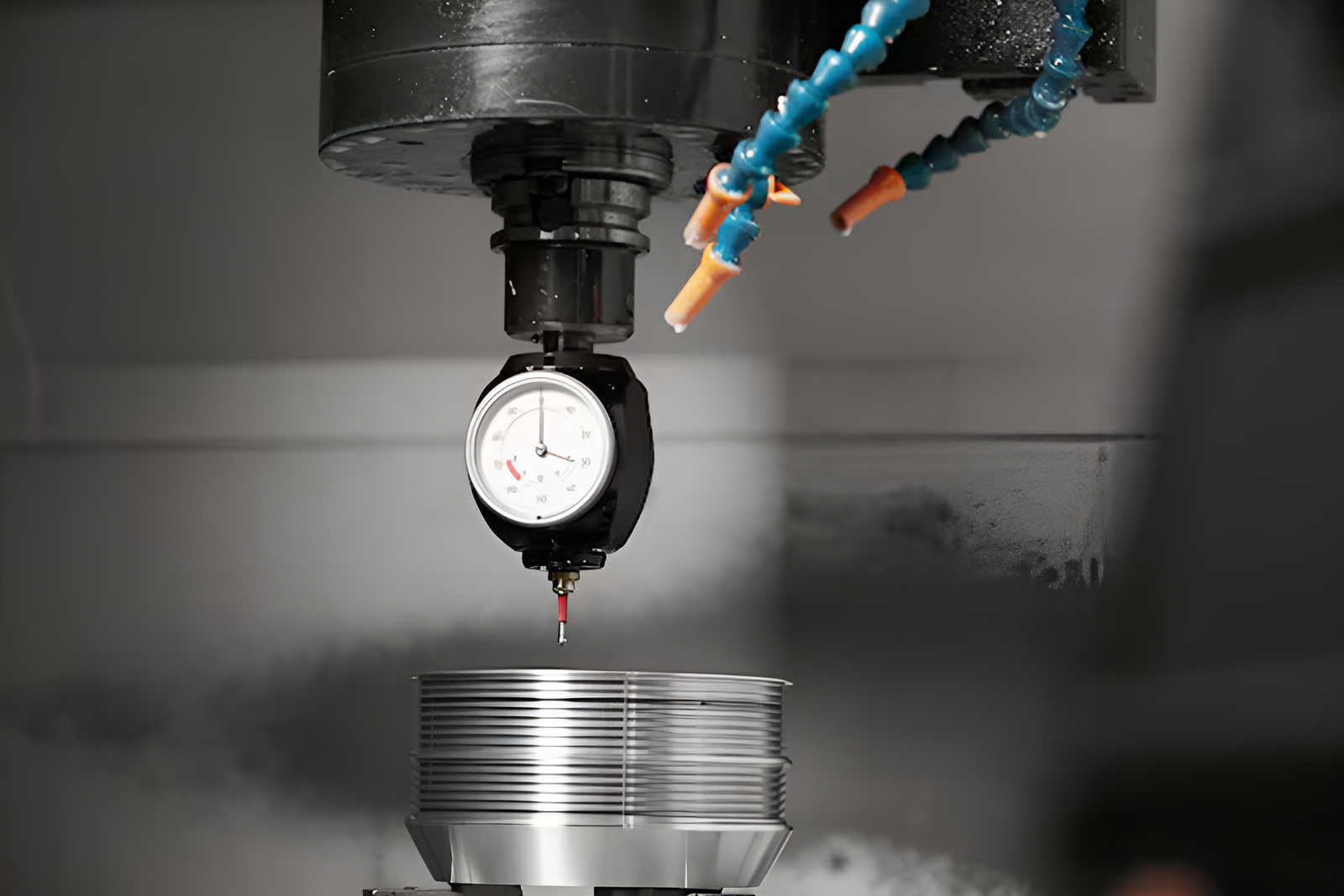
تقدم شركة Elite Mold Tech مقاييس أبعاد مصممة خصيصًا لفحص الأجزاء بسرعة ودقة وقابلية للتكرار. تضمن مقاييسنا تلبية المكونات الخاصة بك للتفاوتات الحرجة - في كل مرة - سواءً للفحص أثناء العملية أو لمراقبة الجودة النهائية.
نحن نصمم مقاييس الأبعاد لمجموعة متنوعة من التطبيقات، بما في ذلك صناعة السيارات والفضاء والتصنيع الدقيق. صُمم كل مقياس من مواد عالية القوة ومصممة خصيصًا لتناسب هندسة القطع، وكل مقياس سهل الاستخدام ويقدم نتائج متسقة مع الحد الأدنى من تأثير المشغل.
نساعدك في الحفاظ على جودة الإنتاج دون إبطاء سير العمل لديك، بدءًا من مقاييس التشغيل/عدم التشغيل وحتى تركيبات القياس المعقدة متعددة النقاط.
قم بالقياس بثقة. شارك مواصفات القطعة الخاصة بك واحصل على عرض أسعار مخصص لمقياس الأبعاد اليوم.
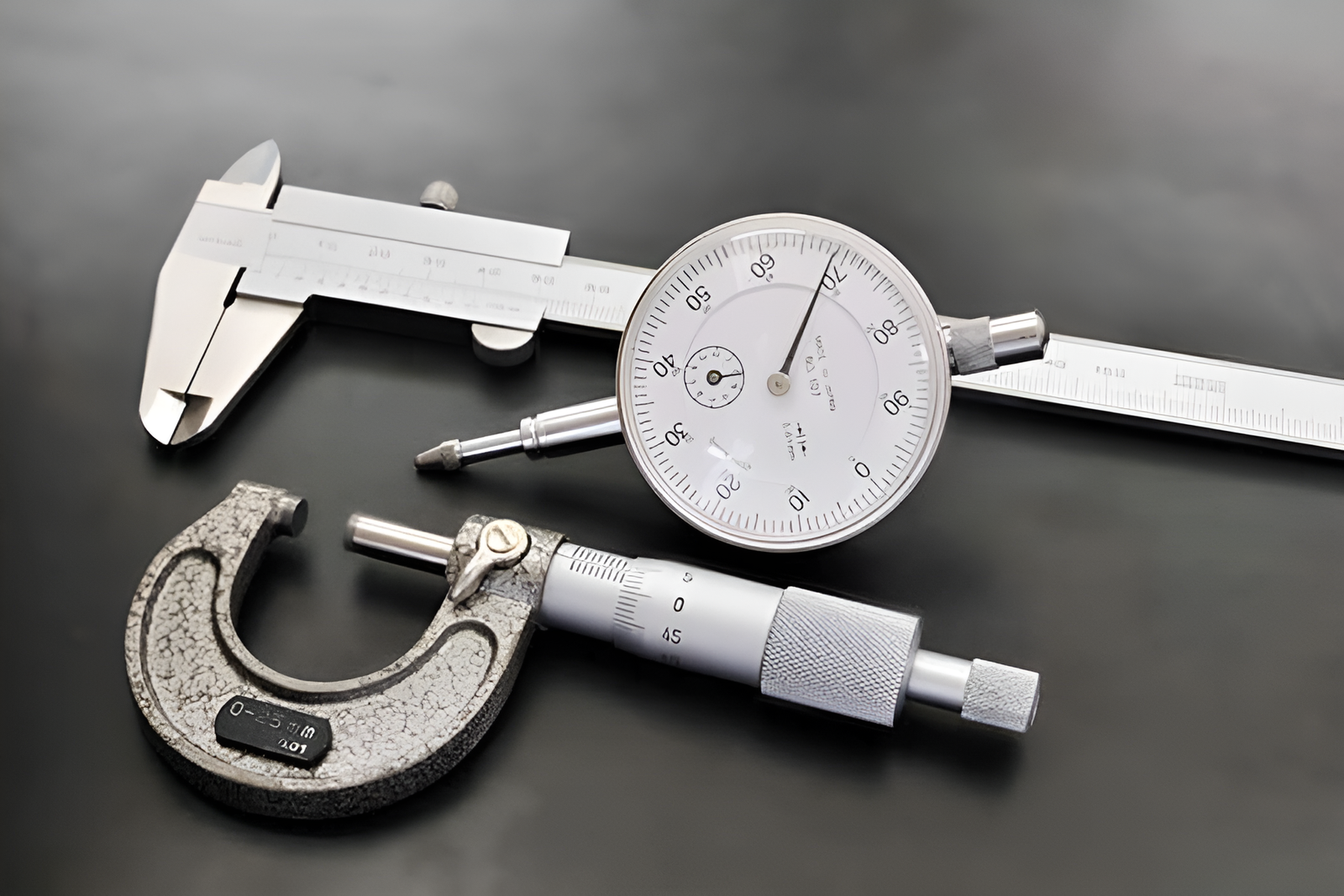
مقاييس الأبعاد هي أدوات دقيقة تُستخدم لقياس الأبعاد المادية للجزء أو المكوّن للتأكد من استيفائه للتفاوتات المحددة. وتتوفر هذه المقاييس بأنواع مختلفة، مثل الفرجار والميكرومتر ومقاييس العمق، وهي ضرورية في صناعات مثل التصنيع والفضاء والسيارات، حيث تعد القياسات الدقيقة ضرورية لمراقبة الجودة والتحقق من صحة الأجزاء ومعايير الإنتاج المتسقة.
| الوصف | التسامح العام أو المعيار العام |
|---|---|
| الحد الأقصى لحجم المقياس | عادةً ما يصل حجمها إلى 12 بوصة × 12 بوصة × 6 بوصة (305 × 305 × 152 مم)؛ يتم تصميم المقاييس الأكبر حجمًا حسب احتياجات الفحص. |
| دقة القياس | ± 0.0005" (± 0.0127 مم) قياسي؛ وصولاً إلى ± 0.0001" (± 0.0025 مم) للمقاييس عالية الدقة (مثل مقاييس الهواء، ومقاييس المسامير). |
| تحمل التكرار | ≤ ± 0.0002 بوصة (± 0.005 مم)، مما يضمن قياسات متسقة عبر استخدامات ومشغلين متعددين. |
| التسطيح/التوازي | ≤ 0.0002" لكل 6 بوصة (≤ 0.005 مم لكل 150 مم) على أسطح التلامس للألواح السطحية والمقاييس الثابتة. |
| مقياس الانطلاق/عدم الانطلاق المناسب | صُنعت بنسبة تفاوت ± 0.0001 بوصة -0.0002 بوصة (± 0.0025-0.005 مم) لكل فئة (وفقًا لمعايير ASME B89.7.1 أو معايير ISO 1938). |
| تحمل التسطيح | ≤ 0.003 بوصة لكل 6 بوصة (0.076 مم لكل 152 مم) لضمان ثبات التلامس أثناء التشبيك والاستخدام المتكرر. |
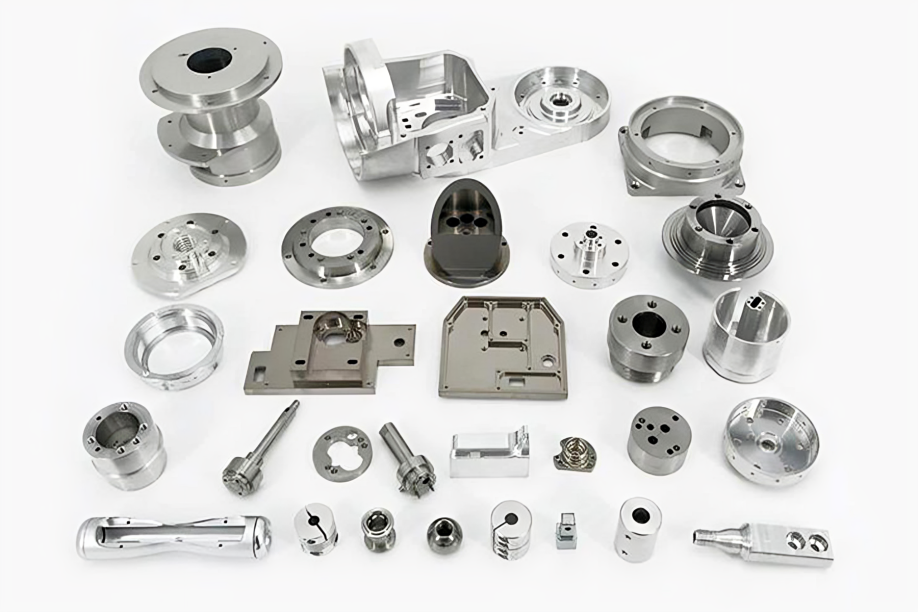
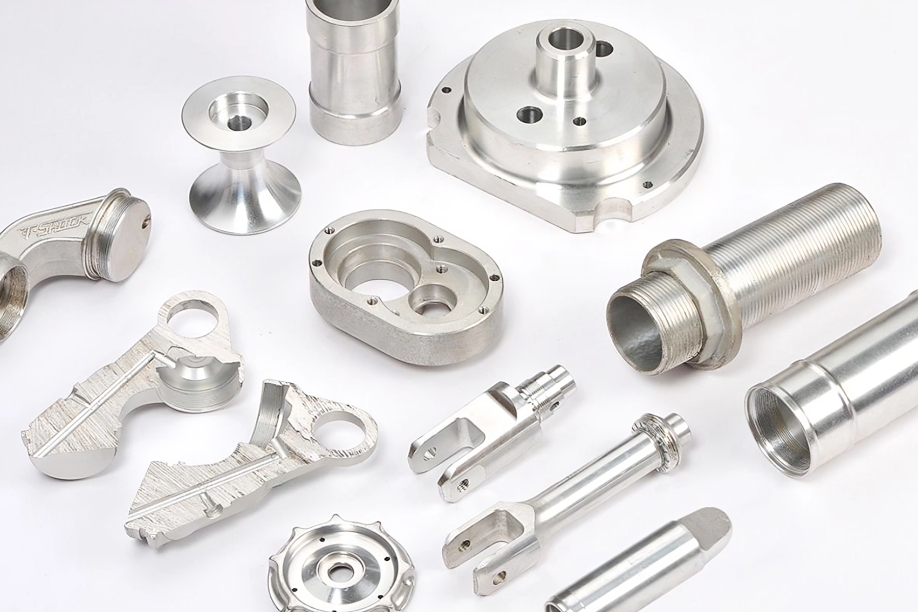
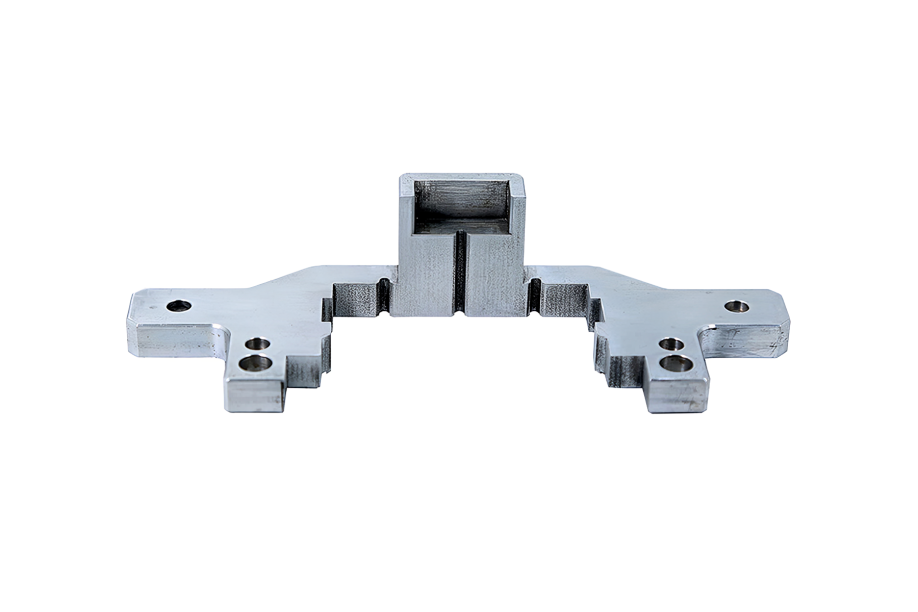
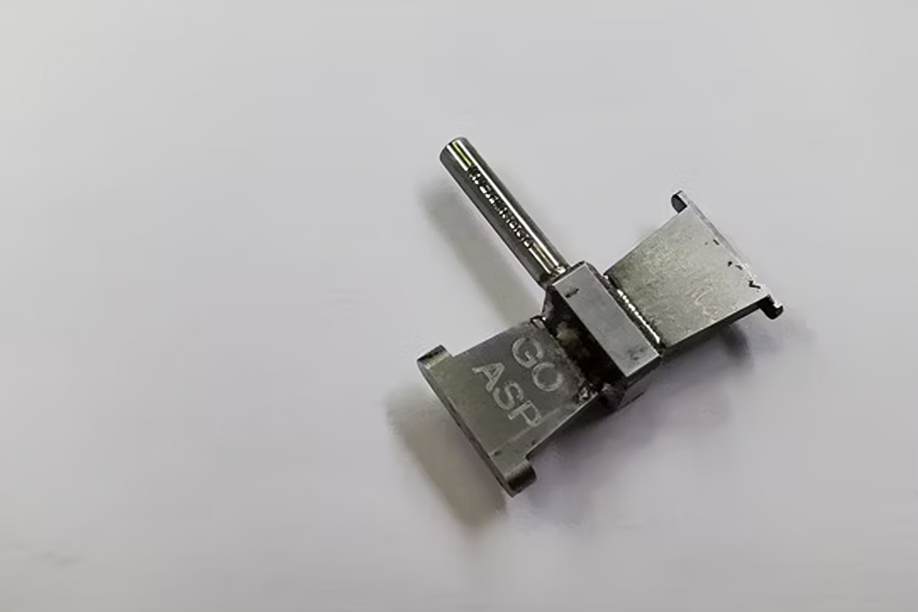
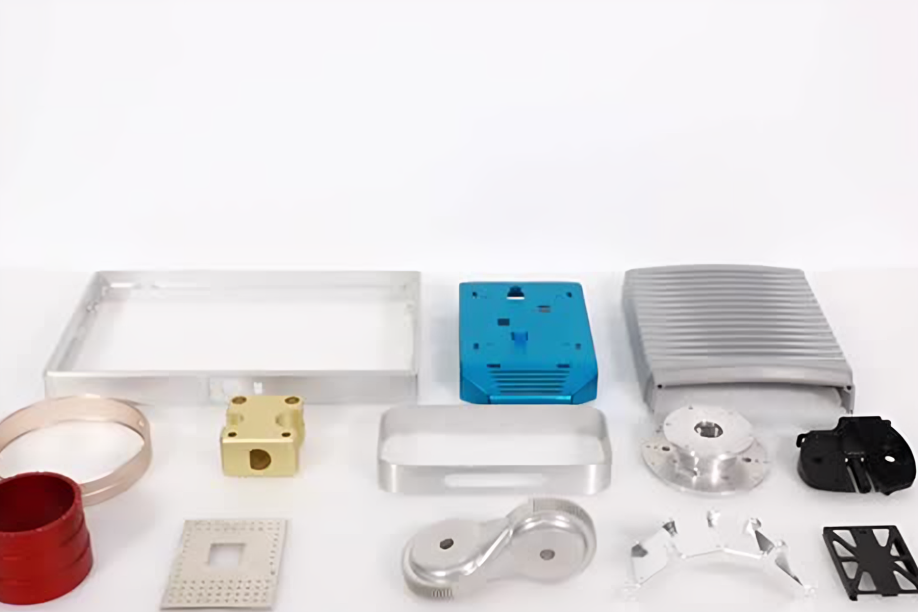
في إيليت مولد تك، نطبق مجموعة واسعة من تقنيات تشطيب الأسطح لتحسين مظهر الأجزاء المصنّعة ومتانتها وأدائها. هذه التقنيات ضرورية لتحقيق التأثيرات البصرية المرغوبة، وتحسين مقاومة التآكل والتآكل، وضمان الأداء الوظيفي الدقيق في التطبيقات الصعبة.
تُستخدم الأنودة بشكل أساسي على أجزاء الألومنيوم، وتزيد من مقاومة التآكل وصلابة السطح.
تقديم أفضل الحلول لتصنيع النماذج الأولية، مع مراعاة مجموعة واسعة من العمليات والمواد والمعالجات السطحية.
تأكيد الأسعار والمتطلبات والجداول الزمنية للتسليم.
مراجعة قابلية تصنيع المنتج ومتطلباته على الفور، وتقديم المساعدة الهندسية حسب الحاجة.

بدء أمر الإنتاج، وتأكيد خطة الإنتاج والتسليم.
إجراء فحوصات الجودة استنادًا إلى قائمة المواد الأولية والمواصفات الأصلية، مع توفير صور واضحة للموافقة على الشحنة.
تأكد من التغليف الآمن وتوفير رقم التتبع بعد الشحن.
استمتع بتجربة التصنيع الآلي الدقيق باستخدام الحاسب الآلي مع Elite Mold Tech. من النماذج الأولية المعقدة إلى الإنتاج على نطاق واسع، نحن مستعدون لتحويل أفكارك إلى واقع ملموس. اتصل بنا اليوم لمناقشة احتياجات مشروعك!
في التصنيع الدقيق, "قريب بما فيه الكفاية" ليست جيدة بما فيه الكفاية. عندما تحتاج الأجزاء الخاصة بك إلى ملاءمتها أو إحكام غلقها أو أدائها تمامًا كما تم تصميمها، فأنت بحاجة إلى أدوات يمكنها تأكيد دقة الأبعاد - بسرعة وموثوقية. هذا هو دور مقياس البُعد.
في إيليت مولد تك، نقوم بتصميم وتصنيع منتجات مقاييس الأبعاد لمساعدتك في التحقق من صحة أبعاد القِطع على أرضية الإنتاج، مما يضمن جودة متسقة بأقل وقت تعطل.
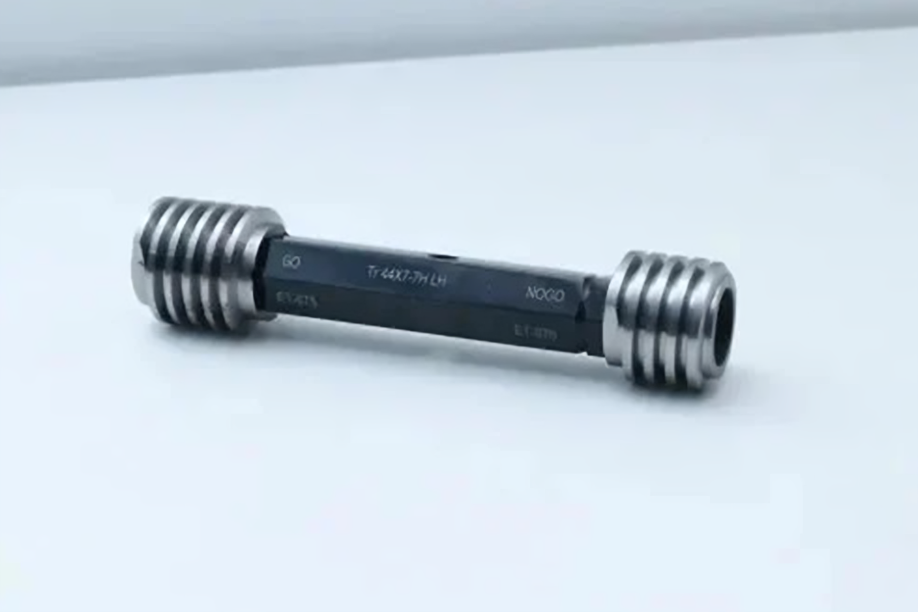
A مقياس البُعد (وتسمى أيضًا تركيبات الفحص أو مقياس الفحص) هي أداة مصممة لقياس أبعاد محددة لجزء أو تجميع. تُستخدم هذه المقاييس بشكل شائع في بيئات التصنيع للتحقق بسرعة من ميزات مثل الطول أو القطر أو التسطيح أو موضع الثقب - دون الحاجة إلى معدات قياس معقدة.
على عكس ماكينات CMM أو الميكرومترات، فإن مقاييس الأبعاد سريعة وبديهية ومصممة لتكرار الفحوصات في أرضية الورشة مباشرةً. فهي تضمن مطابقة الأجزاء للتفاوت المسموح به دون تعطيل سير عملك.
تقوم شركة Elite Mold Tech بتصنيع مقاييس Elite Mold Tech بناءً على احتياجات الفحص وظروف الإنتاج الخاصة بك. تتضمن بعض الأنواع الشائعة ما يلي:
كل مقياس مصمم خصيصًا لمطابقة هندسة القِطع ومستويات التفاوت وسير عمل المشغل.
الفحص اليدوي باستخدام الفرجار أو الميكرومتر بطيء ويمكن أن يختلف من مستخدم لآخر. أجهزة CMM دقيقة - ولكنها مكلفة وليست عملية دائمًا للاستخدام المضمن. توفر مقاييس الأبعاد الحل الوسط المثالي: دقة عالية وتعقيد منخفض ونتائج سريعة.
تشمل المزايا ما يلي:
تُعد مقاييس الأبعاد ذات قيمة خاصة في التصنيع بكميات كبيرة، حيث تكون السرعة والاتساق أمرين أساسيين.
تصمم Elite Mold Tech مقاييس تتناسب بسلاسة مع عملية الإنتاج لديك. نحن نأخذ في الاعتبار بيئة العمل، والتعامل مع القِطع، ومتانة المواد لضمان حصول فريقك على قياسات موثوقة وقابلة للتكرار - دون تعقيد الأمور.
تتضمن عملية القياس المخصص لدينا ما يلي:
الحاجة بيانات SPC أو تريد ربطها بسير عمل رقمي؟ يمكننا دمج المجسات أو المستشعرات الرقمية لالتقاط البيانات وتتبعها.
من خلال عقود من الخبرة في مجال الأدوات والفحص، ندرك أن مقاييس الأبعاد أكثر من مجرد أدوات قياس - إنها أدوات تمكين الجودة. صُممت مقاييسنا لتدوم طويلاً، وتمت معايرتها وفقًا لمعاييرك، ويتم تسليمها بسرعة.
ما يميزنا عن غيرنا:
سواء كنت تقوم بتوسيع نطاق الإنتاج أو ضبط عملية التجميع، فإن مقاييس الأبعاد لدينا تساعدك على القياس بثقة.
هل تقدمون الوثائق وشهادات المعايرة؟
نعم، نقوم بتضمين أوراق الإعداد ومواصفات المعايرة ودعم التدريب حسب الحاجة.
هل يمكنك إنشاء مقاييس لأبعاد متعددة في وقت واحد؟
بالتأكيد، نحن نقدم مقاييس تركيبات متعددة الميزات لعمليات الفحص المعقدة.
هل تقدمون أجهزة قياس بقراءات رقمية؟
نعم، يمكننا دمج مؤشرات الاتصال أو المجسات الرقمية.
ما هي المواد المستخدمة في المقاييس؟
نحن نستخدم مواد متينة مثل الفولاذ المقوى أو الألومنيوم أو البلاستيك المصمم هندسياً.
هل مقاييس الأبعاد أفضل من الفرجار؟
إنها أسرع وأكثر قابلية للتكرار للفحوصات المتكررة أو فحوصات خط الإنتاج.
