
ABS CNC Machining Service
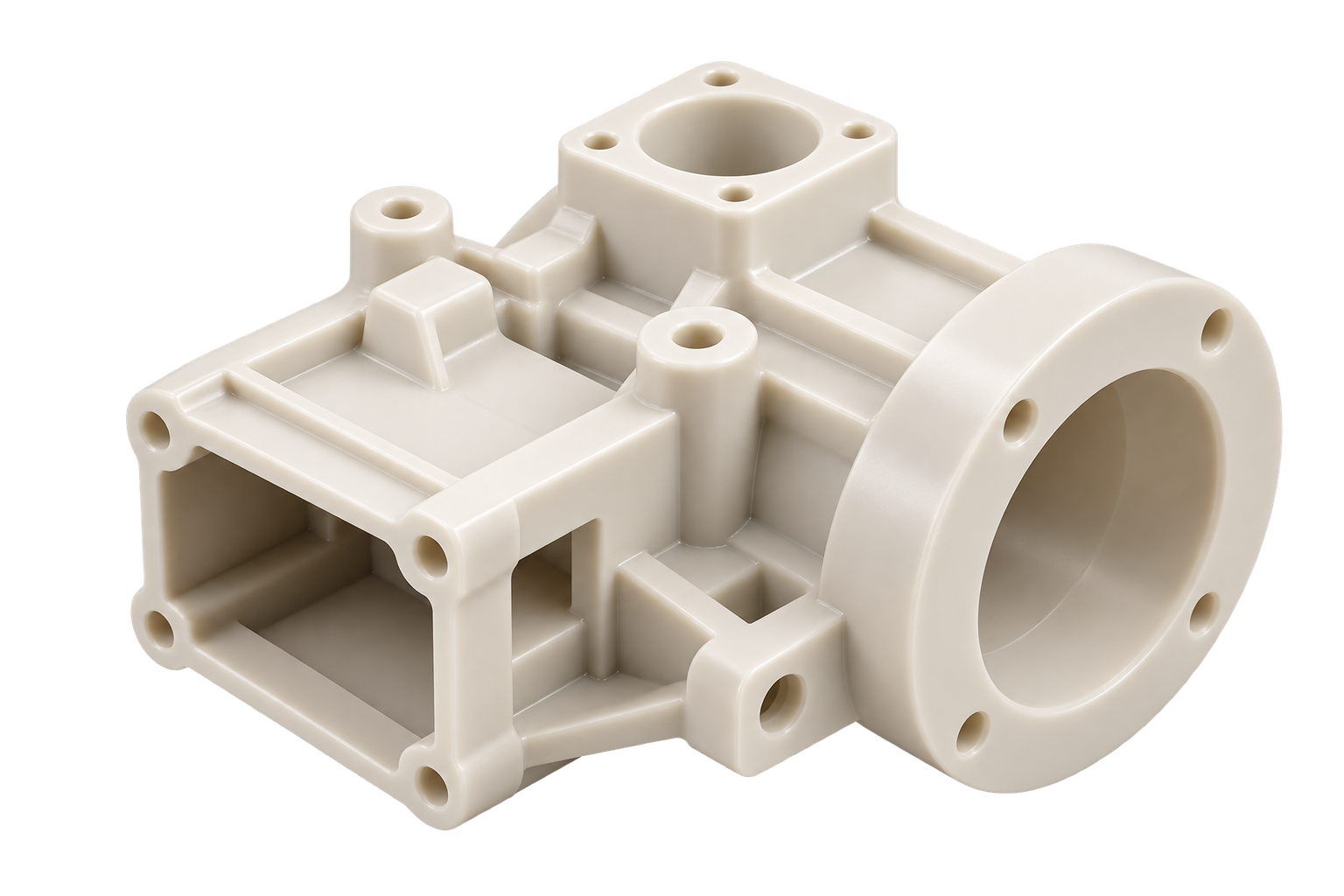
ABS in CNC Machining
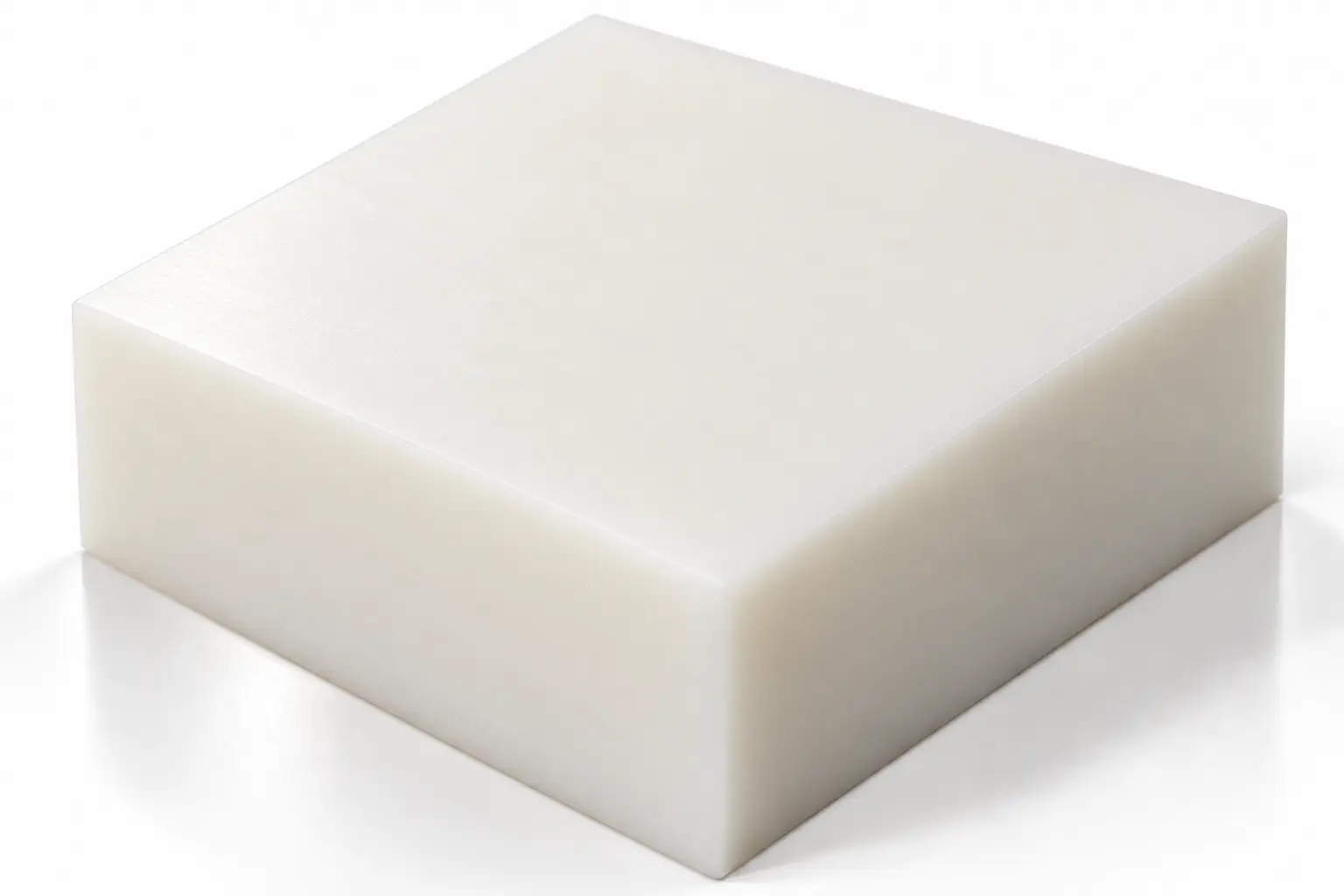
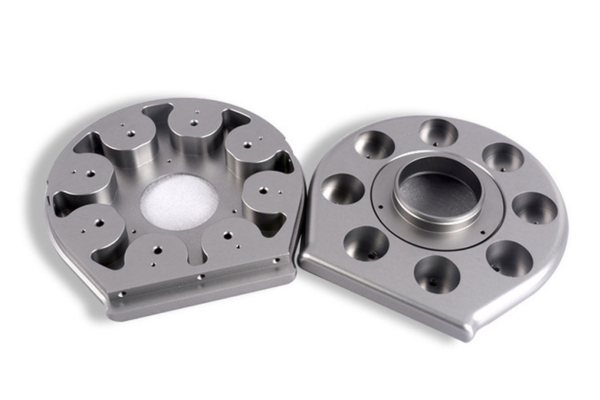
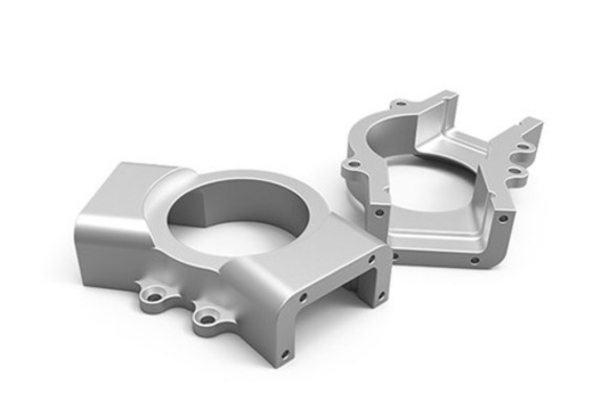
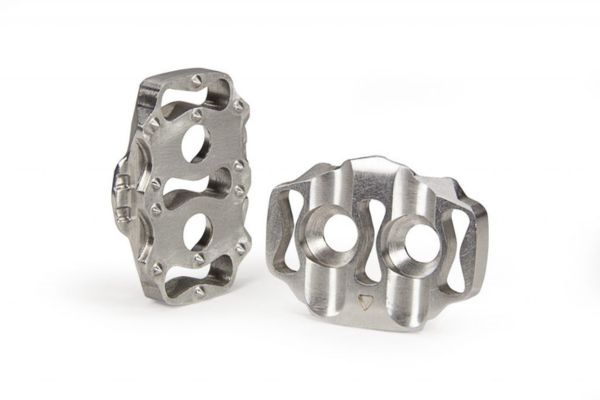
ABS (Acrylonitrile Butadiene Styrene) is a versatile engineering thermoplastic widely used for CNC machining due to its good machinability, impact resistance, strength, and dimensional stability. It can be machined into detailed and complex geometries while maintaining consistent accuracy and a smooth surface finish. ABS is a practical and cost-effective material for functional prototypes, housings, fixtures, enclosures, and low-volume production components across a wide range of industries.
| Available ABS | Natural Beige, Black, White; Custom Colors on Request |
| 価格 | $ |
| リードタイム | 10日未満 |
| 肉厚 | 0.8 mm |
| 公差 | ±0.005″ (±0.125mm) |
| 最大部品サイズ | 200 cm x 80 cm x 100 cm |
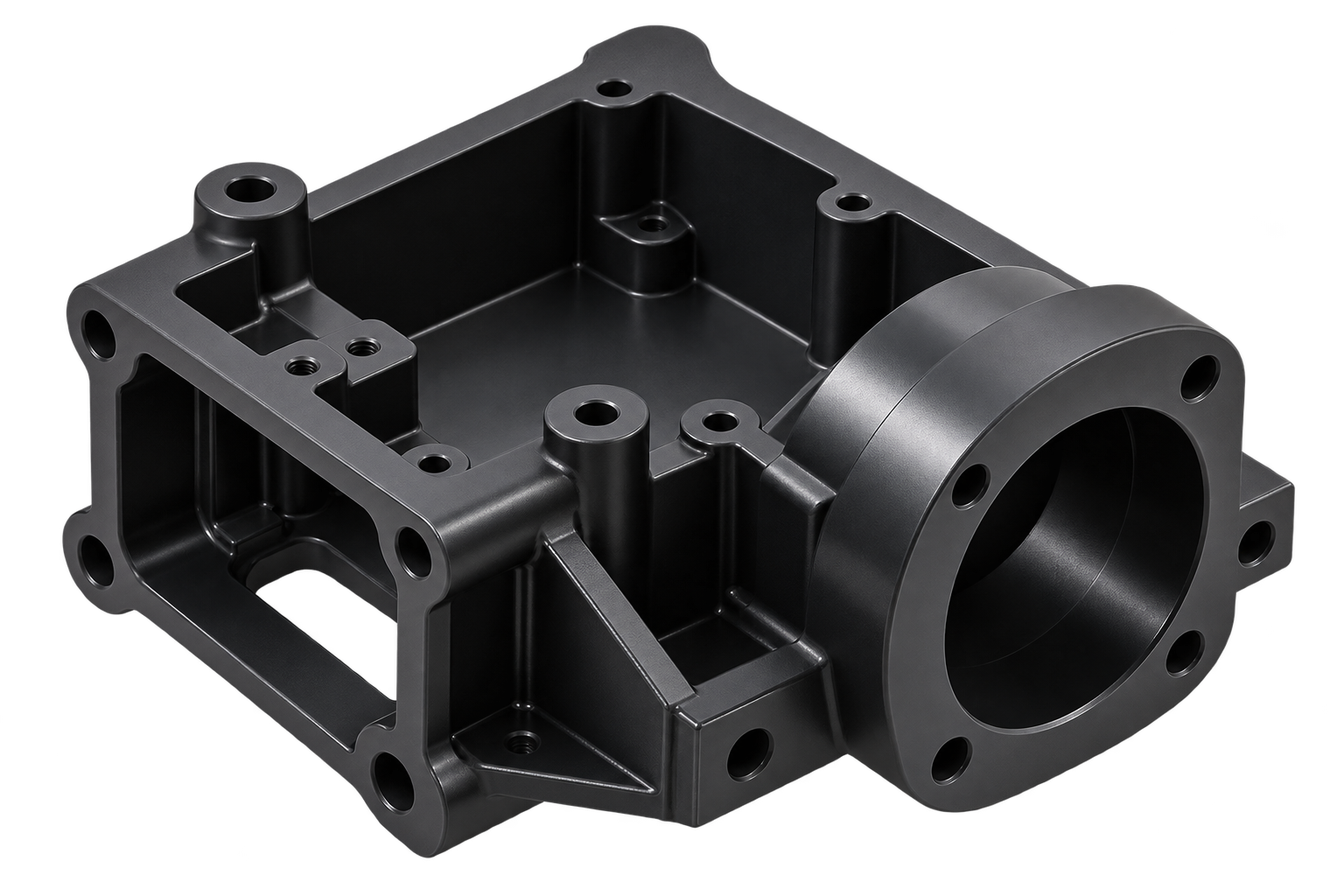
ABS CNC Machining Materials
Machined ABS Properties
ABS is widely used in CNC machining due to its excellent impact resistance, durability, lightweight properties, and ease of fabrication. Its balanced mechanical performance makes it suitable for prototypes, functional components, enclosures, and custom machined parts.
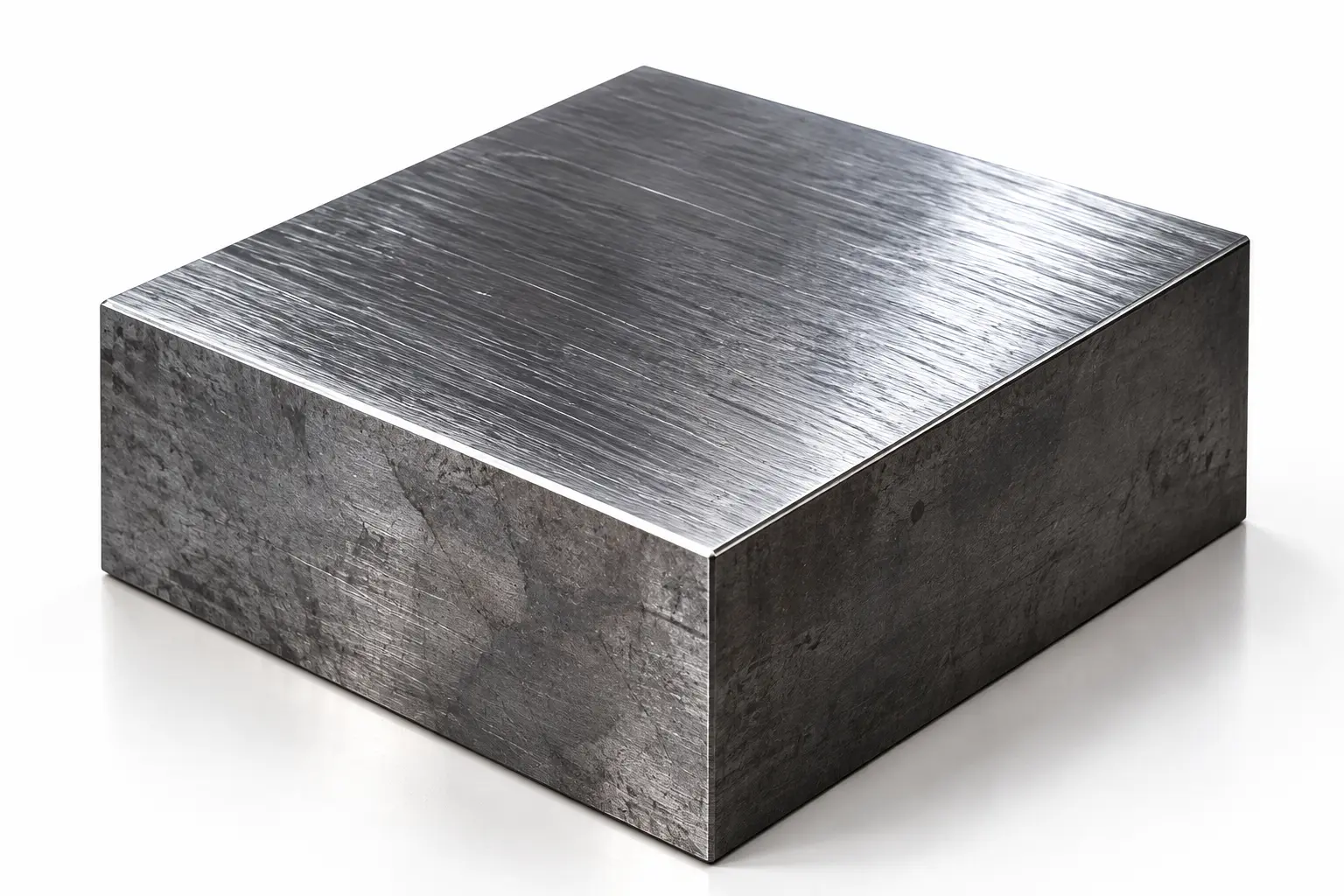
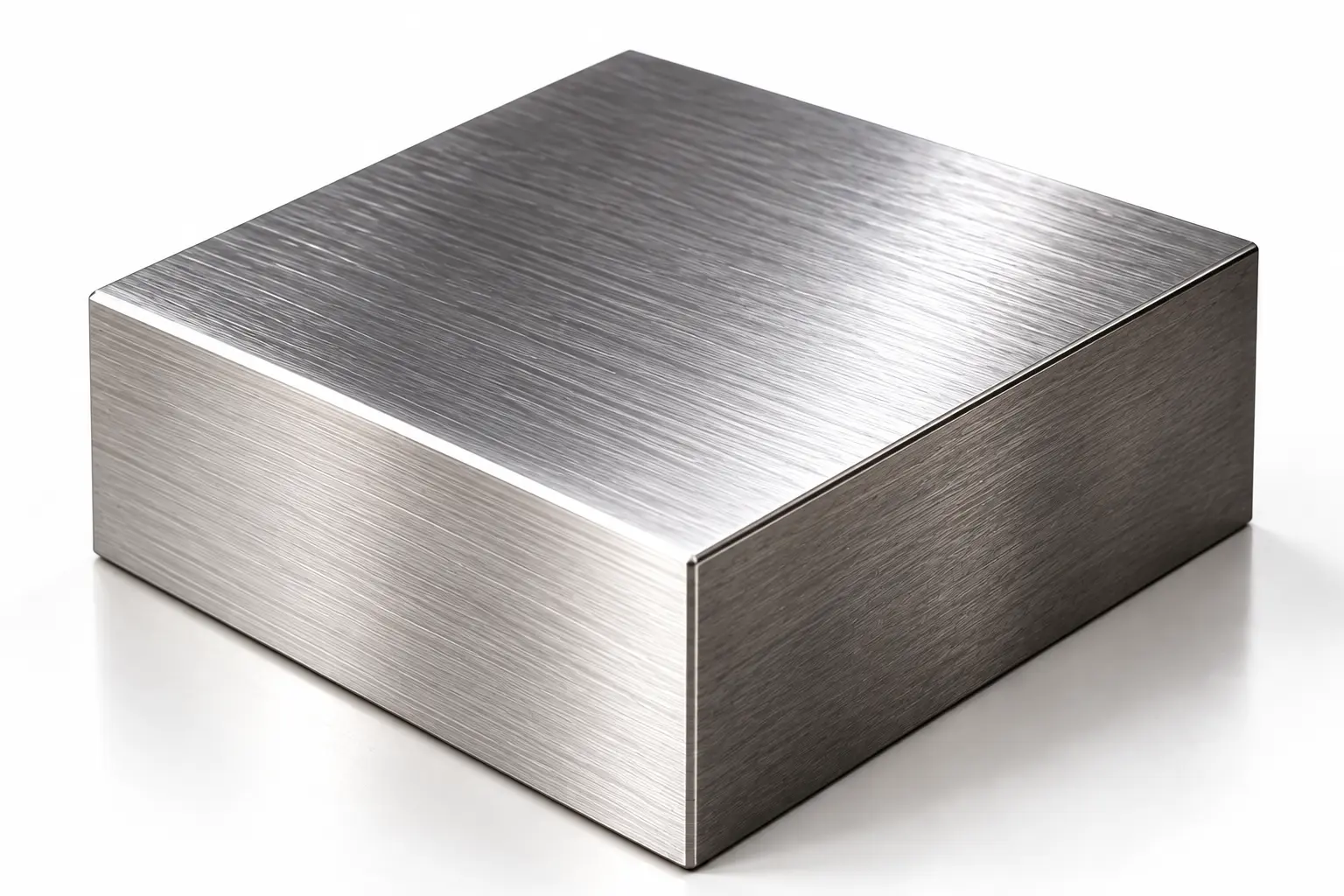
一般的なCNC加工公差
| 説明 | 一般公差または標準 |
|---|---|
| 一般寸法公差 | ±0.005″ (±0.127 mm) for metals; ±0.010″ (±0.254 mm) for plastics in line with ISO 2768-mK unless otherwise specified |
| 厳しい公差 | Down to ±0.001″ (±0.025 mm) available upon request, with detailed 2D drawings and GD&T specifications |
| 最小フィーチャーサイズ | ~0.020″ (0.50 mm), depends on part geometry, tool diameter, and material |
| 穴径公差 | ±0.002″ (±0.05 mm) typical; tighter tolerances with boring or reaming |
| 平坦性/平行性 | ≤0.002″ per 6″ (≤0.05 mm per 150 mm), varies by material and fixture setup |
| ネジの公差 | ISO/ASMEに準拠した標準のメートルねじとインペリアルねじ、ご要望に応じてカスタムねじや細目ねじも承ります。 |
| 角度公差 | 標準 ±0.5 |
| エッジコンディション | 特に断りのない限り、鋭利なエッジはデフォルトで折られ、バリ取りされます。 |
| 表面仕上げ(標準) | 機械加工時のRaは3.2μm(125μin)。研磨、ビーズブラスト、陽極酸化処理などによる仕上げの向上が可能。 |
| 最大部品サイズ | Milling: Up to 80″ × 48″ × 24″ (2,032 × 1,219 × 610 mm) Turning: Up to 62″ length × 32″ diameter (1,575 × 813 mm) |

Advantages and Limitations of ABS CNC Machining
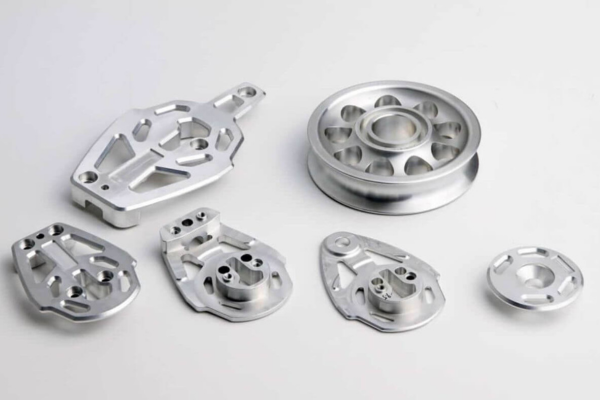
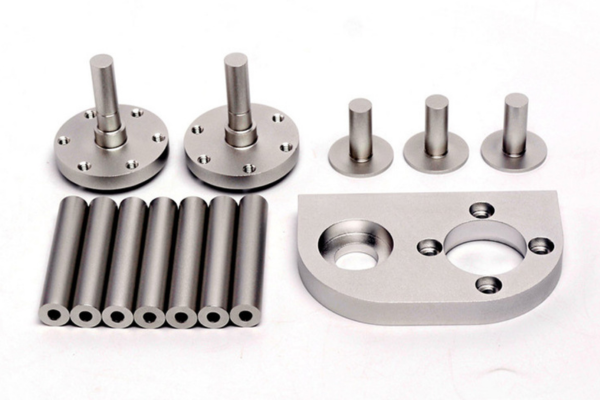
ABS is a popular engineering thermoplastic for CNC machining because of its good machinability, impact strength, dimensional stability, and affordability. It is well suited for prototypes and functional components, although its temperature, UV, and chemical resistance should be considered for demanding applications.
- Excellent Machinability:
ABS machines efficiently and can be used to produce precise features, detailed geometries, pockets, holes, and complex components. - Good Impact Strength:
Its strong impact resistance makes ABS suitable for parts exposed to everyday mechanical loads, vibration, and handling. - Cost-Effective Material:
ABS is relatively economical compared with many engineering plastics, making it an attractive option for prototypes and low-volume production. - Dimensional Stability:
ABS provides good dimensional consistency under normal operating conditions, helping achieve accurate and repeatable CNC machined parts. - Wide Range of Applications:
CNC machined ABS components are commonly used for housings, enclosures, fixtures, prototypes, consumer products, electronics, and industrial components.
- Limited Heat Resistance:
ABS can soften or lose dimensional stability at elevated temperatures, making it unsuitable for certain high-temperature applications. - Poor UV Resistance:
Long-term exposure to sunlight and UV radiation can cause fading, discoloration, and gradual degradation unless suitable protection is applied. - Limited Chemical Resistance:
Certain solvents and aggressive chemicals can damage ABS, so chemical compatibility should be evaluated before using it in harsh environments.
エリート・モールド・テックでデザインに命を吹き込もう
Elite Mold Techの精密CNC機械加工を体験してください。複雑なプロトタイプから大規模な生産まで、私たちはあなたのアイデアを現実にする準備が整いました。あなたのプロジェクトの必要性を議論するために今日私達に連絡しなさい!
- 専門知識を広く共有
- 市場拡大
- 先進技術統合
- 共同イノベーションの機会
- 信頼性の高いオンデマンド・ソリューション
- すべてのアップロードは安全かつ機密です。
ABS CNC Machining FAQs
Can ABS Plastic Be CNC Machined?
Yes. ABS is highly suitable for CNC machining because it cuts cleanly and can hold accurate dimensions. It allows manufacturers to produce complex geometries, detailed features, and smooth finishes for both prototypes and functional production parts.
What Is the Best Way to Cut ABS Plastic?
ABS can be effectively machined using CNC milling, turning, drilling, and routing. Sharp cutting tools, appropriate feeds and speeds, and proper heat control are important to prevent melting or deformation and achieve a clean surface finish.
What Are Common Applications of CNC-Machined ABS?
CNC-machined ABS is commonly used for electronic enclosures, equipment housings, automotive components, fixtures, functional prototypes, consumer products, and custom mechanical parts.
Is ABS Easy to Machine?
Yes. ABS offers excellent machinability compared with many engineering plastics. It can be cut, drilled, milled, and turned efficiently while maintaining good dimensional accuracy. Proper machining parameters help minimize heat buildup and improve surface quality.
Why Choose ABS CNC Machining Instead of Injection Molding?
CNC machining is particularly suitable for prototypes, custom components, and low-volume ABS production because it does not require expensive molds or tooling. It also allows faster design changes and shorter setup times. Injection molding, on the other hand, can become more economical when producing parts in large quantities.