
Polypropylene (PP) CNC Machining Service
Get precision Polypropylene (PP) CNC machined parts with excellent chemical resistance, low weight, and reliable durability. Our CNC machining capabilities produce accurate prototypes and production components with complex geometries, consistent tolerances, and clean surface finishes. PP is an ideal material for custom parts used in chemical processing, medical, packaging, automotive, and various industrial applications.
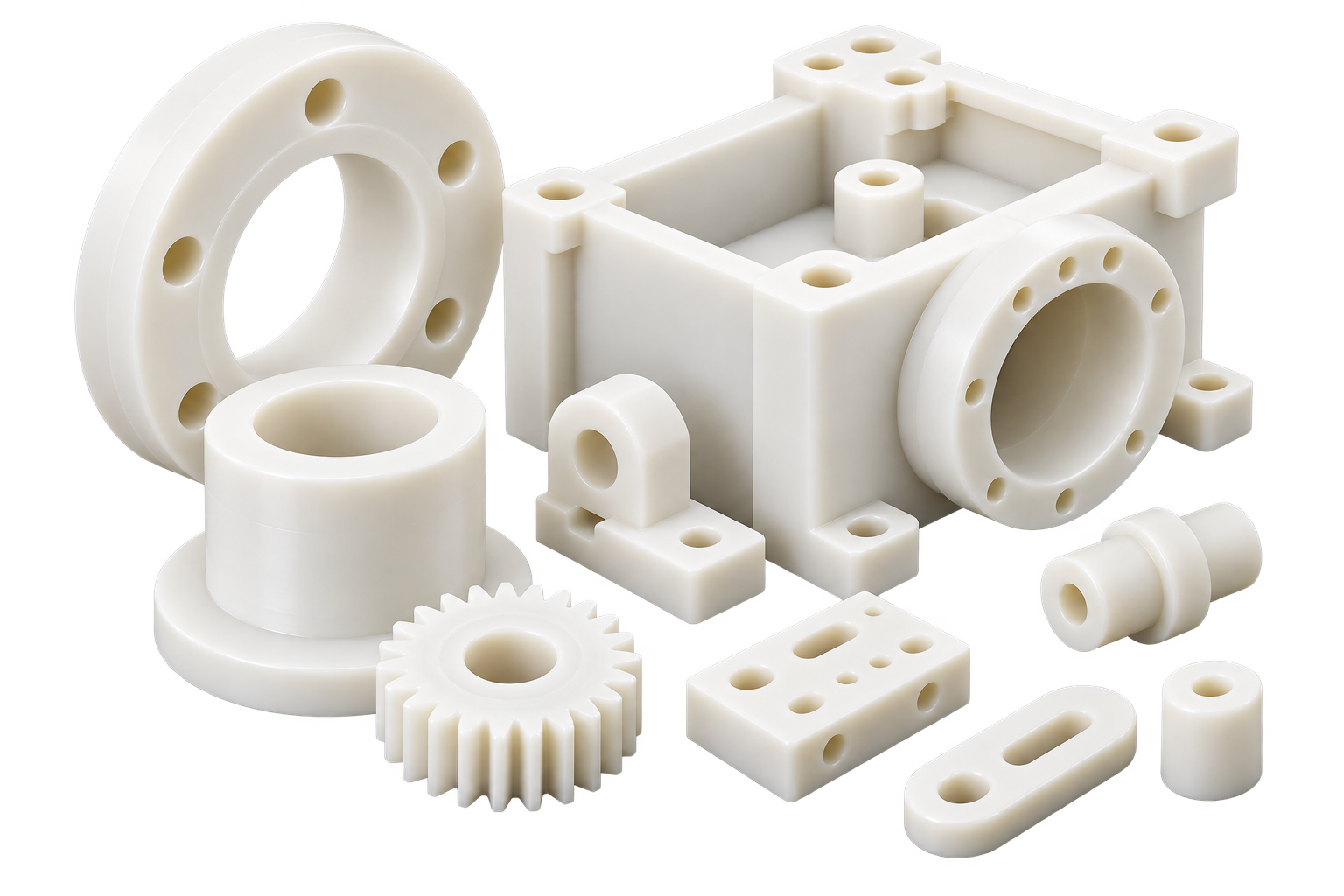
Polypropylene (PP) in CNC Machining
Polypropylene (PP) is a lightweight and versatile engineering thermoplastic valued for its excellent chemical resistance, low moisture absorption, durability, and flexibility. Its combination of good machinability and reliable mechanical performance makes it a practical choice for CNC-machined prototypes and production components. PP is especially suitable for chemical processing equipment, fluid-handling parts, laboratory components, packaging machinery, and industrial applications.
| Available PP Grades | PP Black, PP White, PP+GF30 Black |
| السعر | $ |
| المهلة الزمنية | أقل من 10 أيام |
| سُمك الجدار | Minimum 0.8 mm |
| التفاوتات المسموح بها | ±0.005″ (±0.125mm) |
| الحد الأقصى لحجم الجزء | 200 cm x 80 cm x 100 cm |
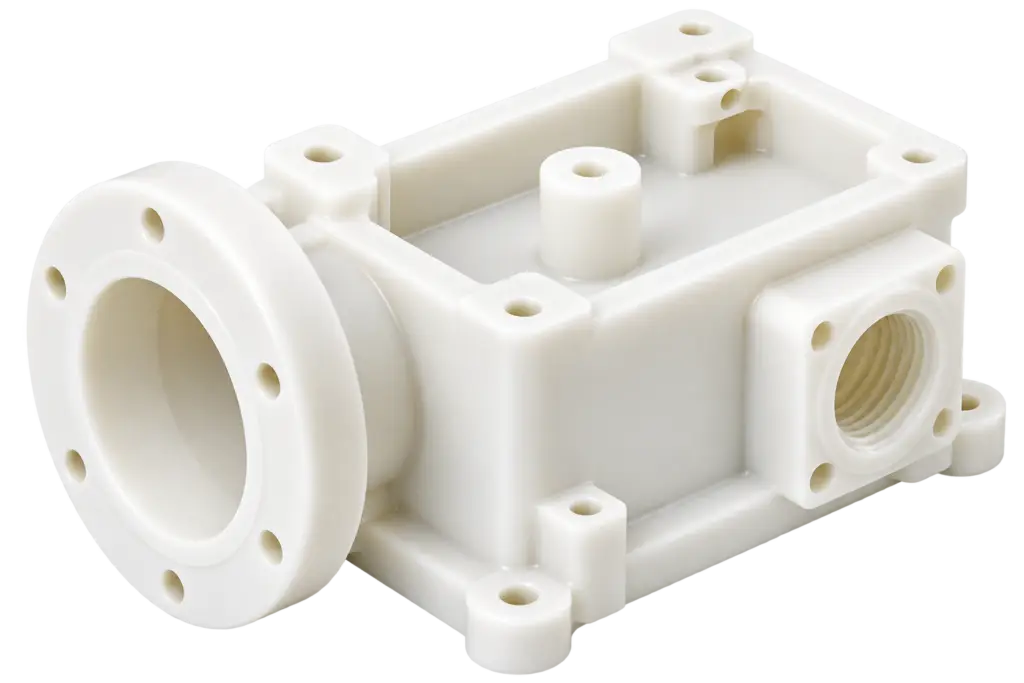
Polypropylene CNC Machining Materials
Machined Polypropylene (PP) Properties
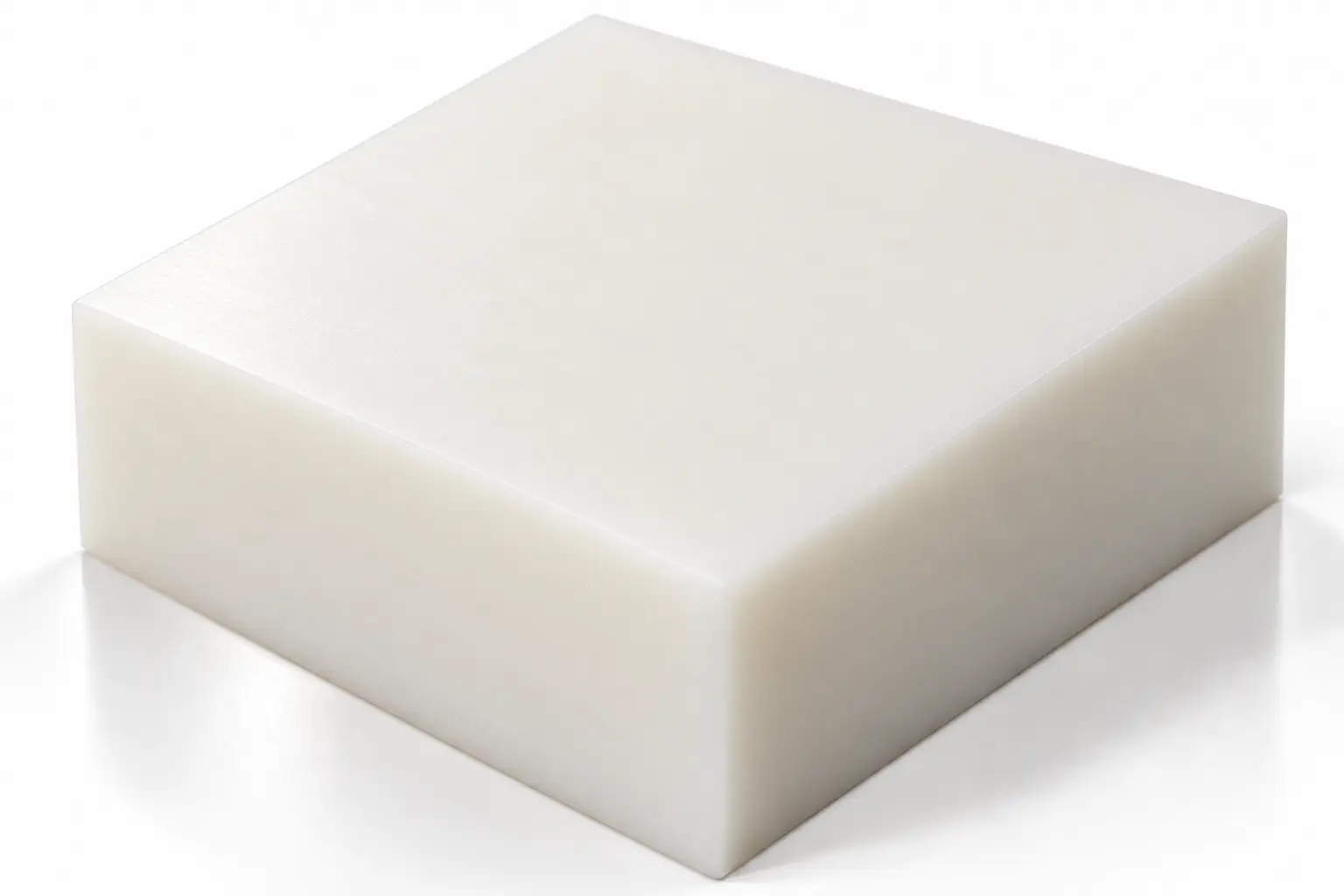
Polypropylene (PP) is a lightweight engineering thermoplastic recognized for its excellent chemical resistance, low moisture absorption, flexibility, and dependable durability. Its balanced material properties and good machinability make it a practical choice for precision CNC components used in chemical processing, fluid handling, laboratory equipment, packaging systems, and general industrial applications.
التفاوتات العامة للتشغيل الآلي باستخدام الحاسب الآلي
| الوصف | التسامح العام أو المعيار العام |
|---|---|
| تفاوتات الأبعاد العامة | ±0.005″ (±0.127 mm) for metals; ±0.010″ (±0.254 mm) for plastics in line with ISO 2768-mK unless otherwise specified |
| التفاوتات الضيقة | Down to ±0.001″ (±0.025 mm) available upon request, with detailed 2D drawings and GD&T specifications |
| الحد الأدنى لحجم الميزة | ~0.020″ (0.50 mm), depends on part geometry, tool diameter, and material |
| التفاوت المسموح به لقطر الفتحة | ±0.002″ (±0.05 mm) typical; tighter tolerances with boring or reaming |
| التسطيح/التوازي | ≤0.002″ per 6″ (≤0.05 mm per 150 mm), varies by material and fixture setup |
| التفاوتات اللولبية | سنون لولبية قياسية مترية وإمبراطورية حسب ISO/ASME؛ وتتوفر سنون لولبية مخصصة أو دقيقة عند الطلب |
| التحمل الزاوي | ± 0.5 درجة نموذجي |
| حالة الحافة | تكون الحواف الحادة مكسورة ومطموسة بشكل افتراضي ما لم يُذكر خلاف ذلك |
| تشطيب السطح (قياسي) | Ra 3.2 ميكرومتر (125 ميكرو بوصة) كما هي مُشكّلة؛ وتتوفر تشطيبات محسّنة عن طريق التلميع، والسفع بالخرز والأكسدة، إلخ. |
| الحد الأقصى لحجم الجزء | Milling: Up to 80″ × 48″ × 24″ (2,032 × 1,219 × 610 mm) Turning: Up to 62″ length × 32″ diameter (1,575 × 813 mm) |
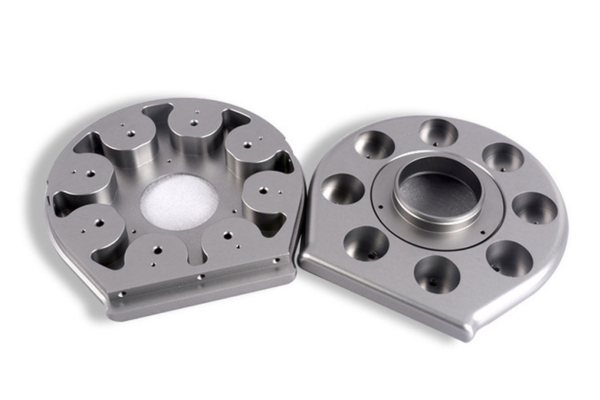
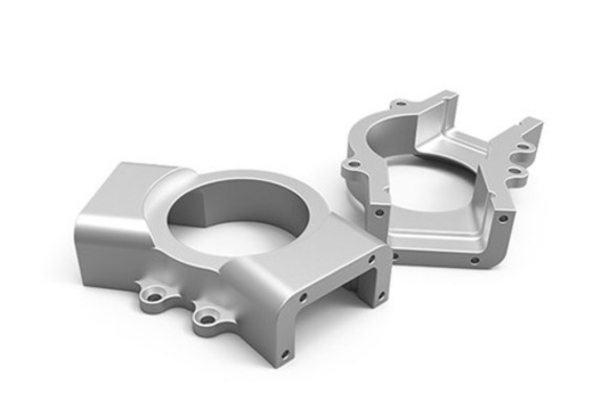
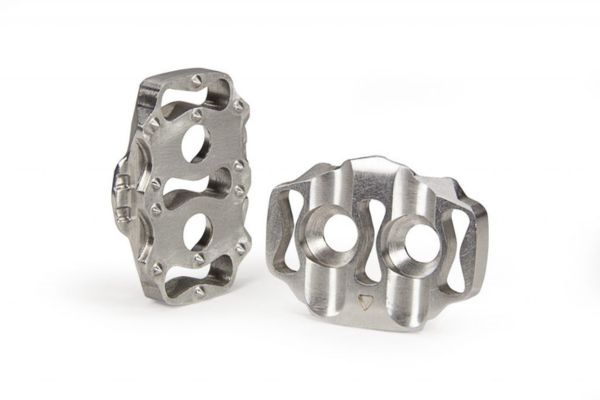

Advantages and Limitations of Polypropylene CNC Machining
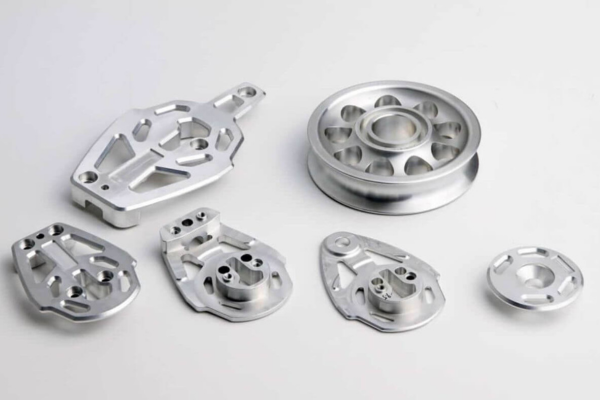
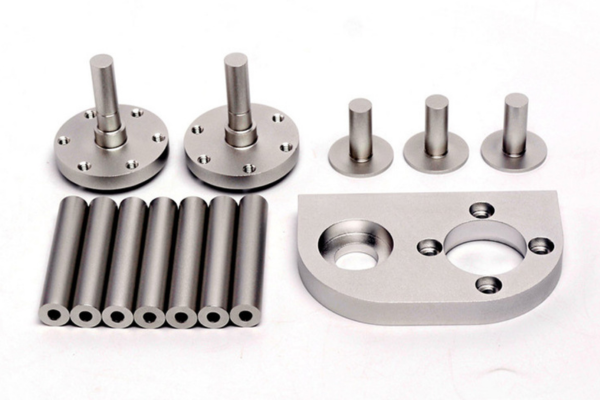
Polypropylene (PP) is a practical choice for CNC machining due to its excellent chemical resistance, low density, moisture resistance, and cost efficiency. However, its mechanical strength, temperature performance, and bonding characteristics should be considered when selecting PP for specific applications.
- Excellent Chemical Resistance:
PP resists a wide range of acids, bases, and other chemicals, making it suitable for chemical processing and fluid-handling components. - Lightweight Material:
Its low density helps produce lightweight CNC parts without adding unnecessary weight to assemblies. - Good Durability:
Polypropylene provides useful toughness and fatigue resistance, making it suitable for components exposed to repeated use and everyday operating conditions. - Cost-Effective Choice:
PP is an economical engineering thermoplastic, making it attractive for prototypes, custom components, and low-volume production. - Very Low Moisture Absorption:
Polypropylene absorbs minimal moisture, helping maintain consistent dimensions and performance in humid or wet environments.
- Lower Mechanical Strength:
Compared with engineering plastics such as Nylon or Acetal, PP generally offers lower stiffness and strength, which can limit its use in heavily loaded components. - Limited High-Temperature Performance:
PP can soften or deform at elevated temperatures, so it may not be suitable for applications involving prolonged exposure to high heat. - Difficult to Bond:
Its low surface energy makes conventional adhesive bonding, painting, and certain finishing processes more challenging. Surface treatment or specialized adhesives may be required.
اجعل تصميماتك تنبض بالحياة مع Elite Mould Tech
استمتع بتجربة التصنيع الآلي الدقيق باستخدام الحاسب الآلي مع Elite Mold Tech. من النماذج الأولية المعقدة إلى الإنتاج على نطاق واسع، نحن مستعدون لتحويل أفكارك إلى واقع ملموس. اتصل بنا اليوم لمناقشة احتياجات مشروعك!
- تبادل الخبرات على نطاق واسع
- توسيع نطاق الوصول إلى السوق
- التكنولوجيا المتقدمة المتكاملة
- فرص الابتكار التعاوني
- حلول موثوقة عند الطلب
- جميع التحميلات آمنة وسرية
Brass CNC Machining FAQs
Can Polypropylene Be CNC Machined?
Yes. Polypropylene (PP) can be CNC machined effectively to produce accurate and functional components. Its low density, chemical resistance, and flexibility make it suitable for custom prototypes and production parts. Proper tooling and cutting parameters help achieve clean edges and consistent dimensions.
What Tolerances Can Be Achieved With Polypropylene CNC Machining?
Achievable tolerances depend on the part geometry, dimensions, wall thickness, and machining conditions. PP is relatively flexible compared with more rigid engineering plastics, so careful fixturing and process control are important when producing tight-tolerance components.
Is Polypropylene Suitable for Prototypes and Production Parts?
Yes. CNC-machined polypropylene is suitable for both functional prototypes and low-to-medium-volume production. CNC machining allows quick design modifications without dedicated molds or tooling, making it especially useful during product development and custom manufacturing.
What Should Be Considered When Designing Polypropylene CNC Parts?
For better machining results, avoid extremely thin walls, unnecessarily deep cavities, and very delicate features where possible. Adequate wall thickness, suitable corner radii, and accessible features can improve dimensional stability, machining efficiency, and overall part quality.