
Polypropylene (PP) CNC Machining Service
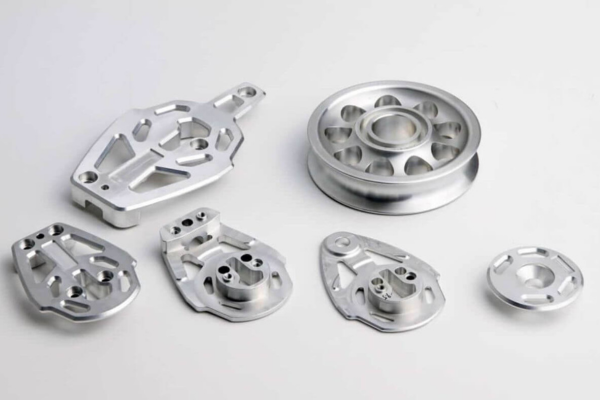
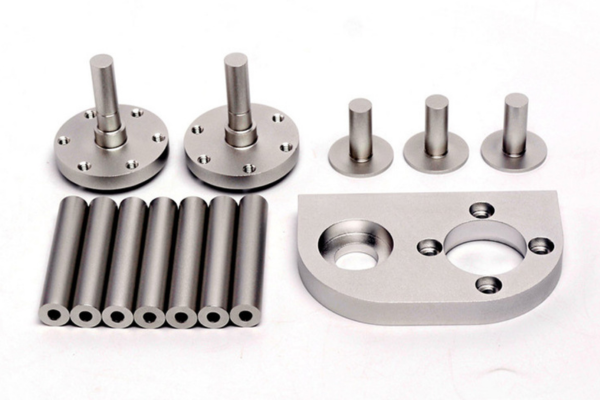
Get precision Polypropylene (PP) CNC machined parts with excellent chemical resistance, low weight, and reliable durability. Our CNC machining capabilities produce accurate prototypes and production components with complex geometries, consistent tolerances, and clean surface finishes. PP is an ideal material for custom parts used in chemical processing, medical, packaging, automotive, and various industrial applications.
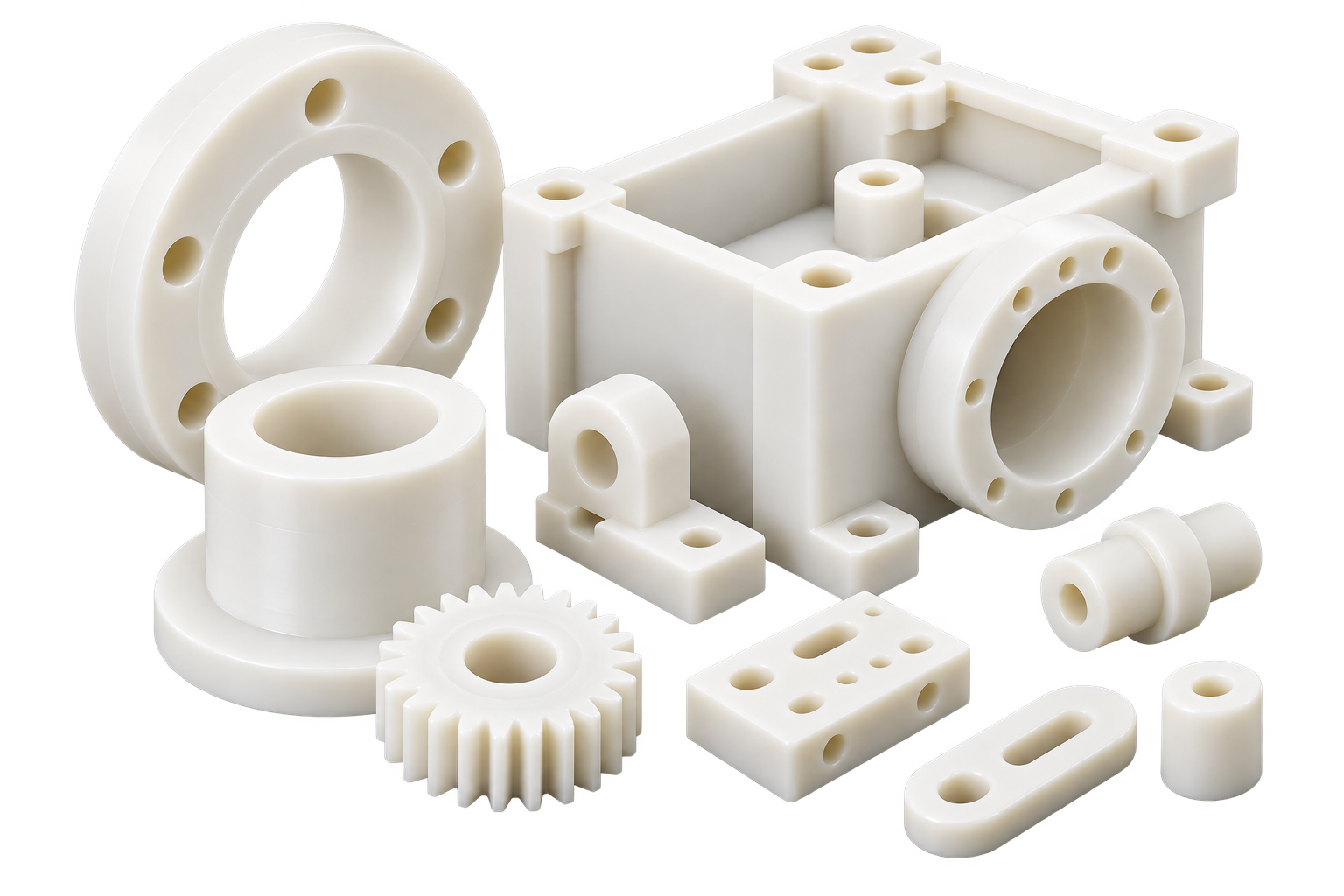
Polypropylene (PP) in CNC Machining
Polypropylene (PP) is a lightweight and versatile engineering thermoplastic valued for its excellent chemical resistance, low moisture absorption, durability, and flexibility. Its combination of good machinability and reliable mechanical performance makes it a practical choice for CNC-machined prototypes and production components. PP is especially suitable for chemical processing equipment, fluid-handling parts, laboratory components, packaging machinery, and industrial applications.
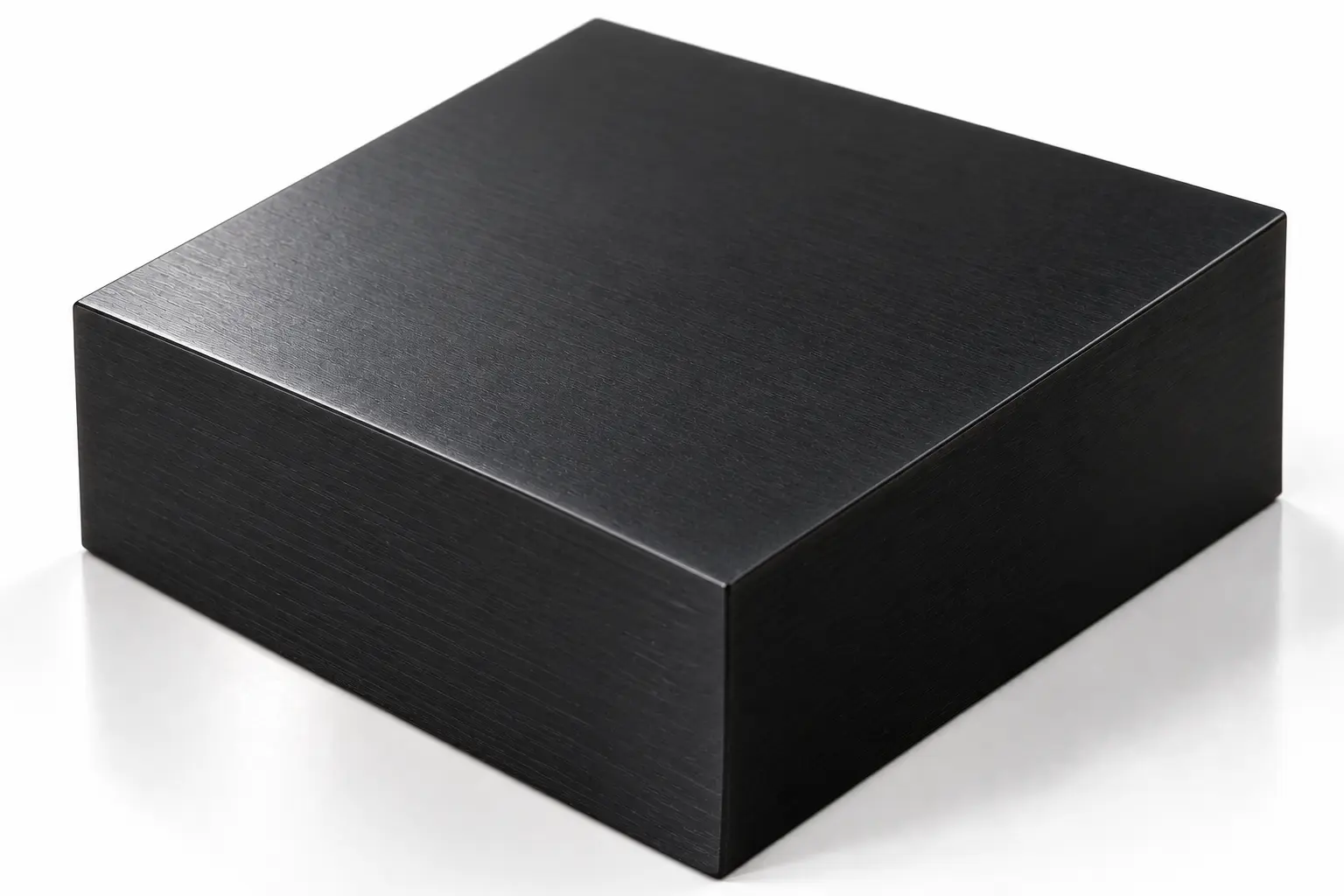
| Available PP Grades | PP Black, PP White, PP+GF30 Black |
| Price | $ |
| Lead time | Under 10 days |
| Wall thickness | Minimum 0.8 mm |
| Tolerances | ±0.005″ (±0.125mm) |
| Max part size | 200 cm x 80 cm x 100 cm |
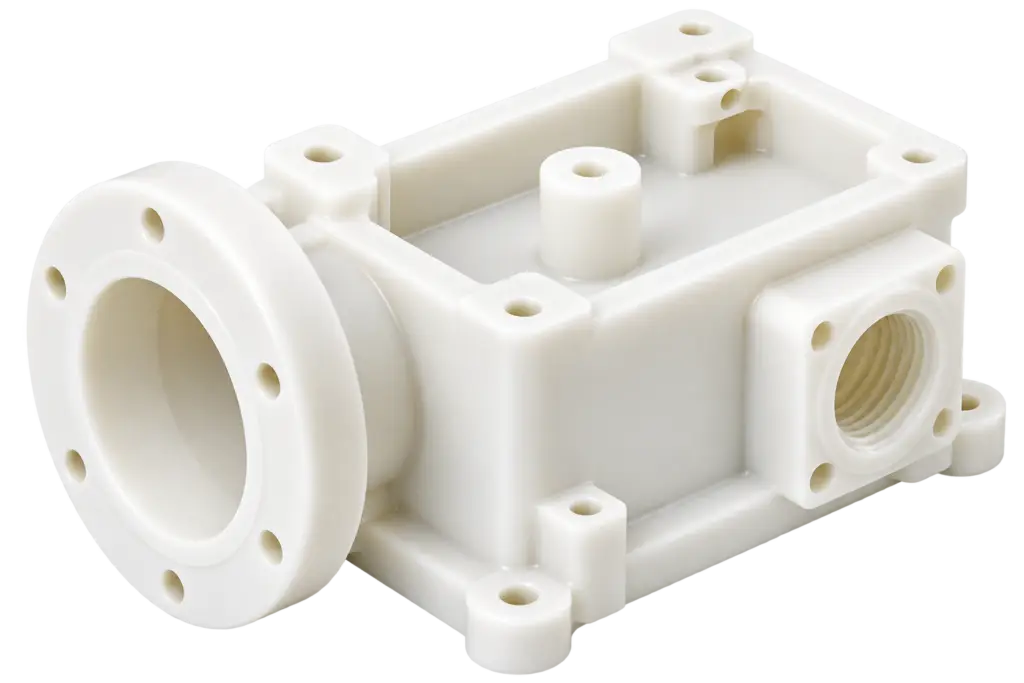
Polypropylene CNC Machining Materials
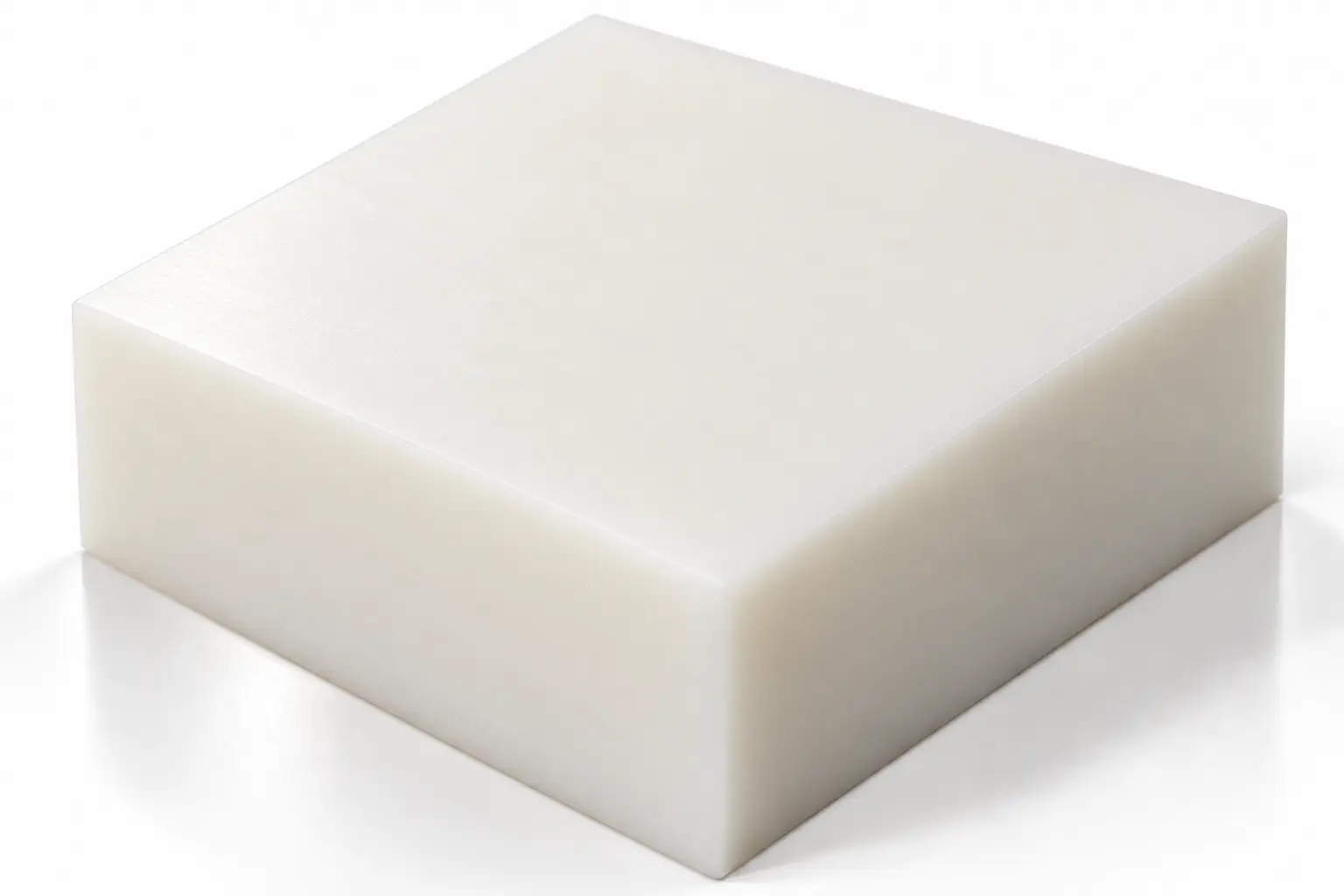
Machined Polypropylene (PP) Properties
Polypropylene (PP) is a lightweight engineering thermoplastic recognized for its excellent chemical resistance, low moisture absorption, flexibility, and dependable durability. Its balanced material properties and good machinability make it a practical choice for precision CNC components used in chemical processing, fluid handling, laboratory equipment, packaging systems, and general industrial applications.
General CNC Machining Tolerances
| Description | General Tolerance or Standard |
|---|---|
| General Dimensional Tolerances | ±0.005″ (±0.127 mm) for metals; ±0.010″ (±0.254 mm) for plastics in line with ISO 2768-mK unless otherwise specified |
| Tight Tolerances | Down to ±0.001″ (±0.025 mm) available upon request, with detailed 2D drawings and GD&T specifications |
| Minimum Feature Size | ~0.020″ (0.50 mm), depends on part geometry, tool diameter, and material |
| Hole Diameter Tolerance | ±0.002″ (±0.05 mm) typical; tighter tolerances with boring or reaming |
| Flatness/Parallelism | ≤0.002″ per 6″ (≤0.05 mm per 150 mm), varies by material and fixture setup |
| Thread Tolerances | Standard metric and imperial threads per ISO/ASME; custom or fine threads available on request |
| Angular Tolerance | ±0.5° typical |
| Edge Condition | Sharp edges are broken and deburred by default unless noted otherwise |
| Surface Finish (Standard) | Ra 3.2 μm (125 μin) as-machined; improved finishes available via polishing, bead blasting, anodizing, etc. |
| Maximum Part Size | Milling: Up to 80″ × 48″ × 24″ (2,032 × 1,219 × 610 mm) Turning: Up to 62″ length × 32″ diameter (1,575 × 813 mm) |

Advantages and Limitations of Polypropylene CNC Machining
Polypropylene (PP) is a practical choice for CNC machining due to its excellent chemical resistance, low density, moisture resistance, and cost efficiency. However, its mechanical strength, temperature performance, and bonding characteristics should be considered when selecting PP for specific applications.
- Excellent Chemical Resistance:
PP resists a wide range of acids, bases, and other chemicals, making it suitable for chemical processing and fluid-handling components. - Lightweight Material:
Its low density helps produce lightweight CNC parts without adding unnecessary weight to assemblies. - Good Durability:
Polypropylene provides useful toughness and fatigue resistance, making it suitable for components exposed to repeated use and everyday operating conditions. - Cost-Effective Choice:
PP is an economical engineering thermoplastic, making it attractive for prototypes, custom components, and low-volume production. - Very Low Moisture Absorption:
Polypropylene absorbs minimal moisture, helping maintain consistent dimensions and performance in humid or wet environments.
- Lower Mechanical Strength:
Compared with engineering plastics such as Nylon or Acetal, PP generally offers lower stiffness and strength, which can limit its use in heavily loaded components. - Limited High-Temperature Performance:
PP can soften or deform at elevated temperatures, so it may not be suitable for applications involving prolonged exposure to high heat. - Difficult to Bond:
Its low surface energy makes conventional adhesive bonding, painting, and certain finishing processes more challenging. Surface treatment or specialized adhesives may be required.
Bring Your Designs to Life with Elite Mold Tech
Experience precision CNC machining with Elite Mold Tech. From intricate prototypes to large-scale production, we’re ready to bring your ideas to reality. Contact us today to discuss your project needs!
- Expertise Shared Widely
- Market Reach Expanded
- Advanced Technology Integrated
- Collaborative Innovation Opportunities
- Reliable On-Demand Solutions
- All uploads are secure and confidential
Brass CNC Machining FAQs
Can Polypropylene Be CNC Machined?
Yes. Polypropylene (PP) can be CNC machined effectively to produce accurate and functional components. Its low density, chemical resistance, and flexibility make it suitable for custom prototypes and production parts. Proper tooling and cutting parameters help achieve clean edges and consistent dimensions.
What Tolerances Can Be Achieved With Polypropylene CNC Machining?
Achievable tolerances depend on the part geometry, dimensions, wall thickness, and machining conditions. PP is relatively flexible compared with more rigid engineering plastics, so careful fixturing and process control are important when producing tight-tolerance components.
Is Polypropylene Suitable for Prototypes and Production Parts?
Yes. CNC-machined polypropylene is suitable for both functional prototypes and low-to-medium-volume production. CNC machining allows quick design modifications without dedicated molds or tooling, making it especially useful during product development and custom manufacturing.
What Should Be Considered When Designing Polypropylene CNC Parts?
For better machining results, avoid extremely thin walls, unnecessarily deep cavities, and very delicate features where possible. Adequate wall thickness, suitable corner radii, and accessible features can improve dimensional stability, machining efficiency, and overall part quality.