
Aluminum CNC Machining Service
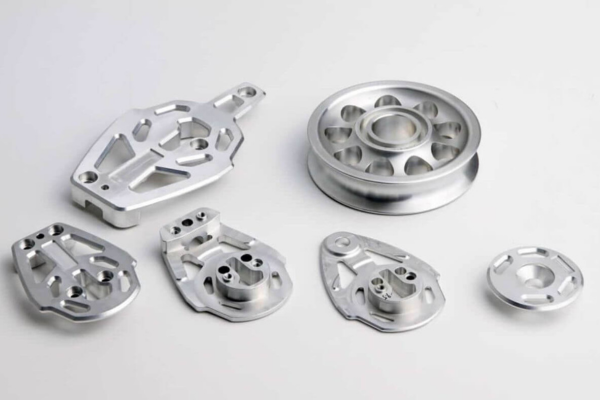
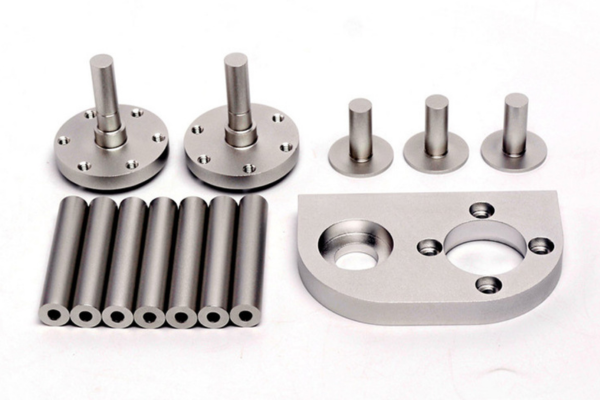
Get custom aluminum parts machined to your drawing, from one prototype to a full production run. Ten alloys in stock, with anodizing, powder coating and polishing done in house.
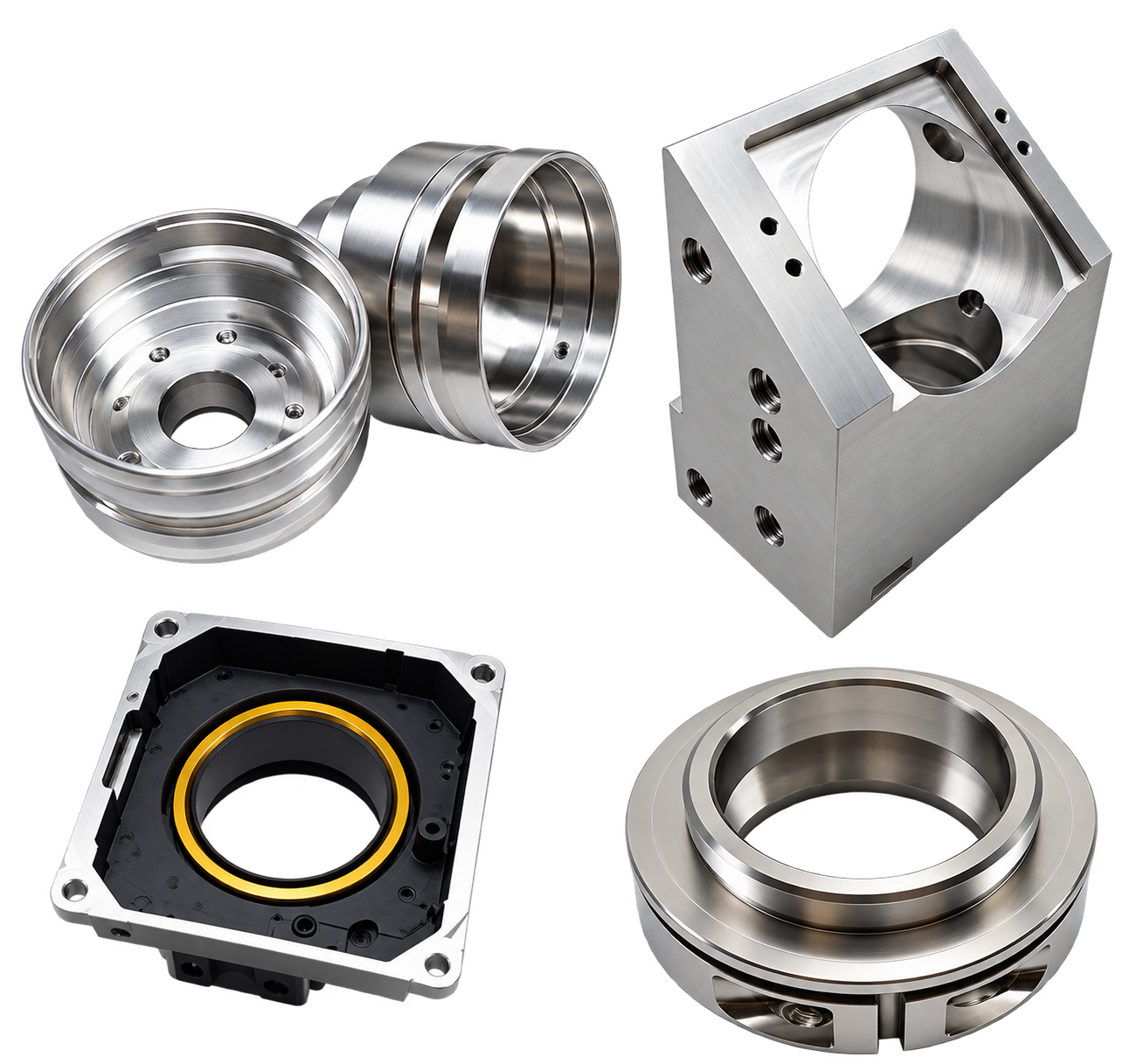
Aluminum in CNC Machining
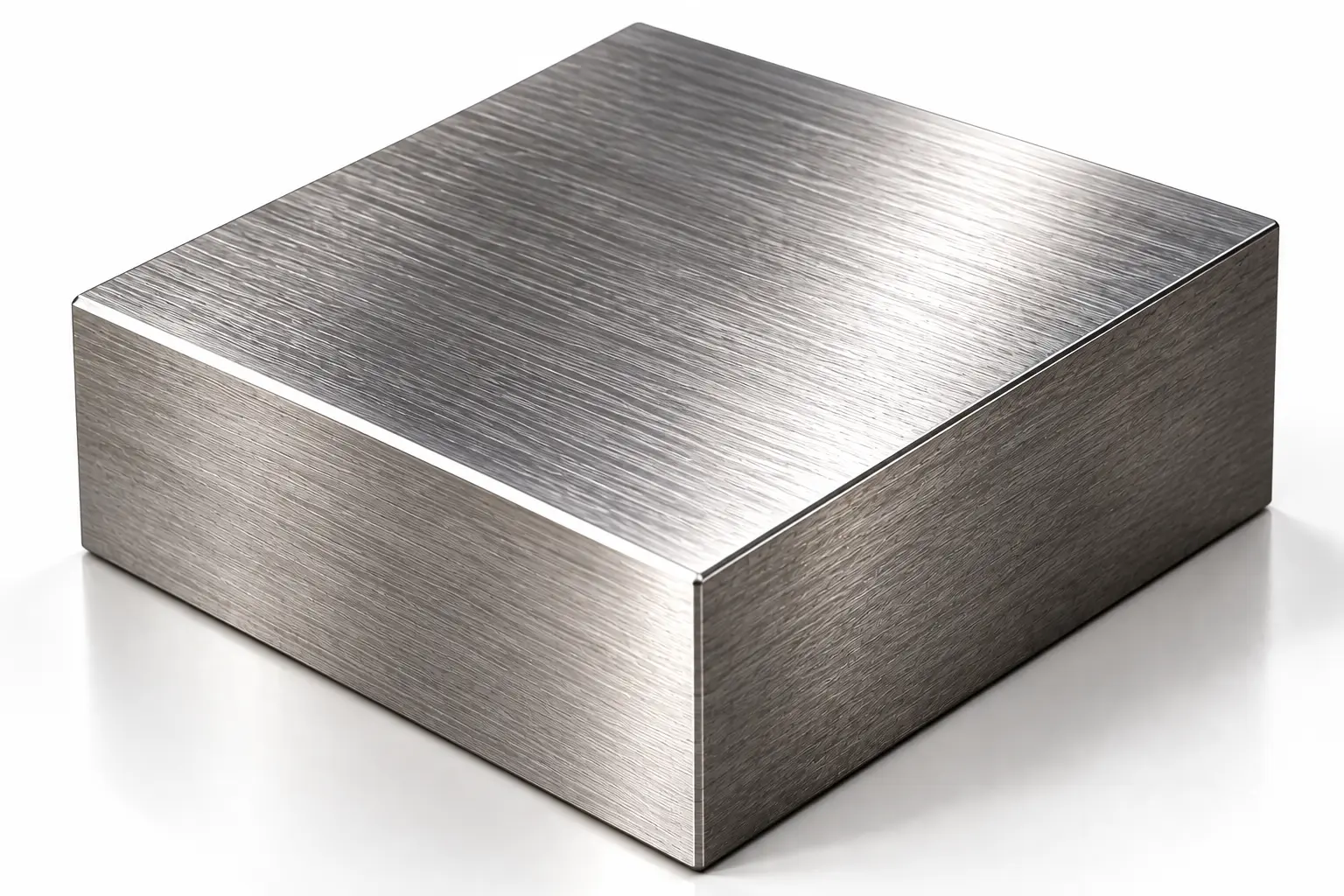
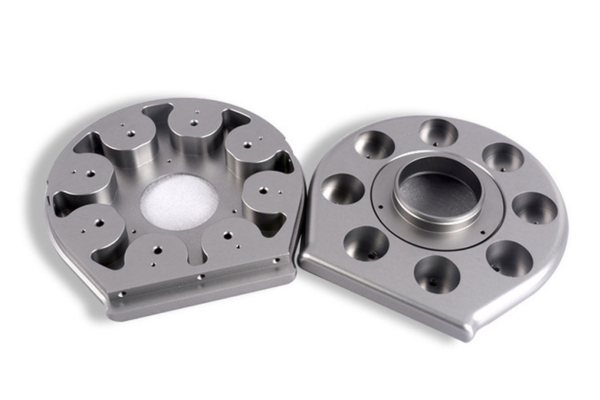
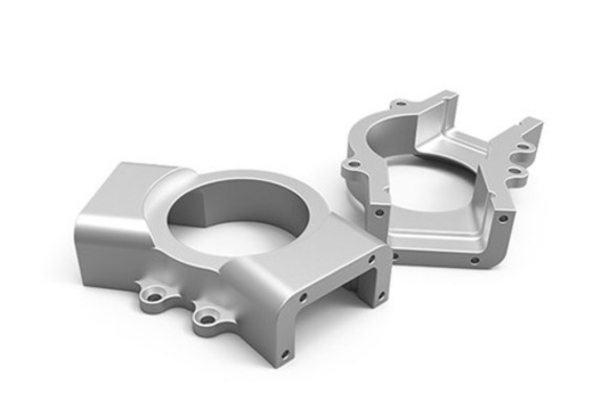
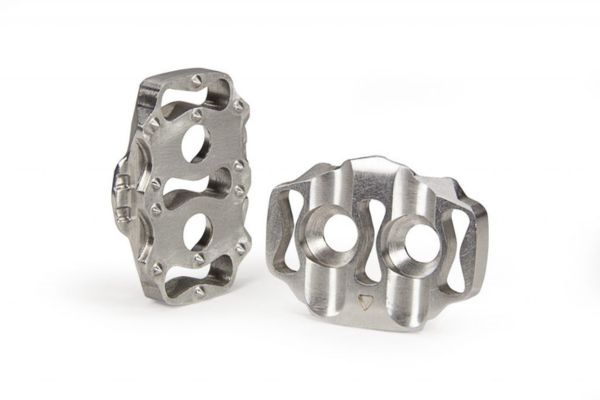
Aluminum cuts faster than steel, which keeps machine time and cost down. It weighs about a third as much at 2.7 g/cm³, conducts heat and electricity well, and forms its own oxide layer against corrosion. It also anodizes cleanly, so you can add hardness and colour without a separate coating. For most parts that need metal strength without the weight, aluminum is the first alloy worth pricing.
| Alloys available | 6061, 6061-T6, 6063, 6082, 5052, 5083, 2024, 7075, 7075-T6, ADC12 |
| Price | $ |
| Lead time | Under 10 days |
| Wall thickness | 0.75 mm |
| Tolerances | ±0.125 mm (±0.005 in) |
| Max part size | 200 x 80 x 100 cm |
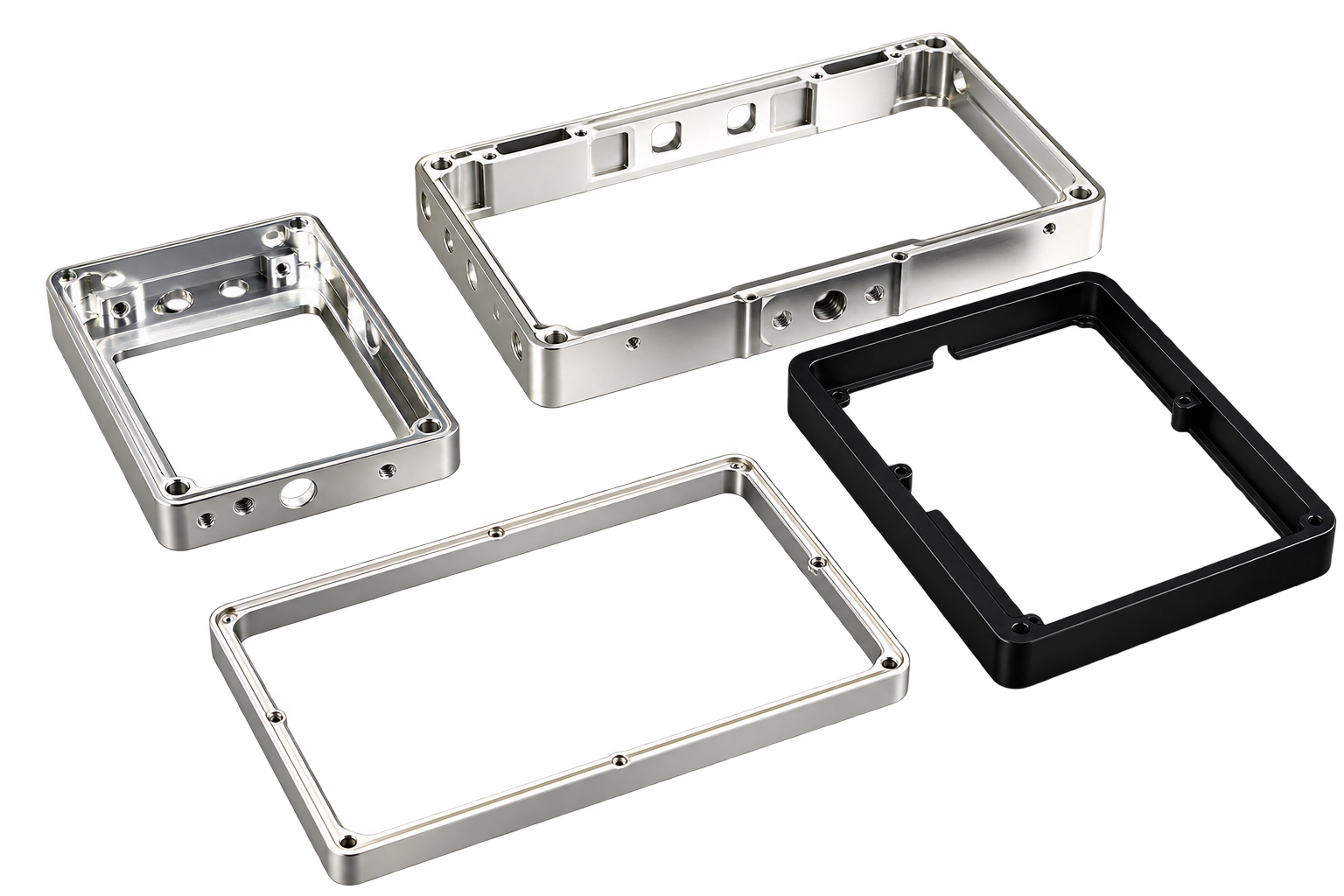
6061 Aluminum CNC Machining
The default choice for most parts. Good strength, cuts cleanly, welds well and anodizes evenly. Used for brackets, housings, frames and general structural work.
2024 Aluminum CNC Machining
High fatigue resistance, which is why it shows up in aircraft structures and truck wheels. Corrodes more readily than other alloys, so it usually needs a coating.
5052 Aluminum CNC Machining
The marine alloy. Excellent saltwater corrosion resistance and easy to form, though strength is lower. Common in tanks, enclosures and sheet work.
5083 Aluminum CNC Machining
Stronger than 5052 with the same corrosion resistance. Holds its properties at cryogenic temperatures, so it suits pressure vessels and cold storage equipment.
6061-T6 Aluminum CNC Machining
Heat treated 6061. Same machinability with higher yield strength, for parts that carry real load. Slightly less ductile.
6063 Aluminum CNC Machining
Softer than 6061 and chosen for appearance rather than strength. Takes the best anodized finish of any alloy here, so it suits trim, window frames and visible panels.
6082 Aluminum CNC Machining
Structural alloy with better corrosion resistance than 6061. Common on European drawings for bridges, cranes and marine parts.
7075 Aluminum CNC Machining
Close to steel strength at aluminum weight. Costs more and machines slower, but it is the standard for aerospace fittings, gears and high stress structural parts. Does not weld well.
7075-T6 Aluminum CNC Machining
Heat treated 7075, the strongest alloy on this list. Used in aircraft structures, climbing hardware and performance automotive parts where failure is not an option.
ADC12 (A380) Aluminum CNC Machining
A die casting alloy rather than a billet alloy. Good casting properties and corrosion resistance, machined for automotive parts, electronic housings and machinery components that start life as castings.

Advantages and Limitations of Aluminum
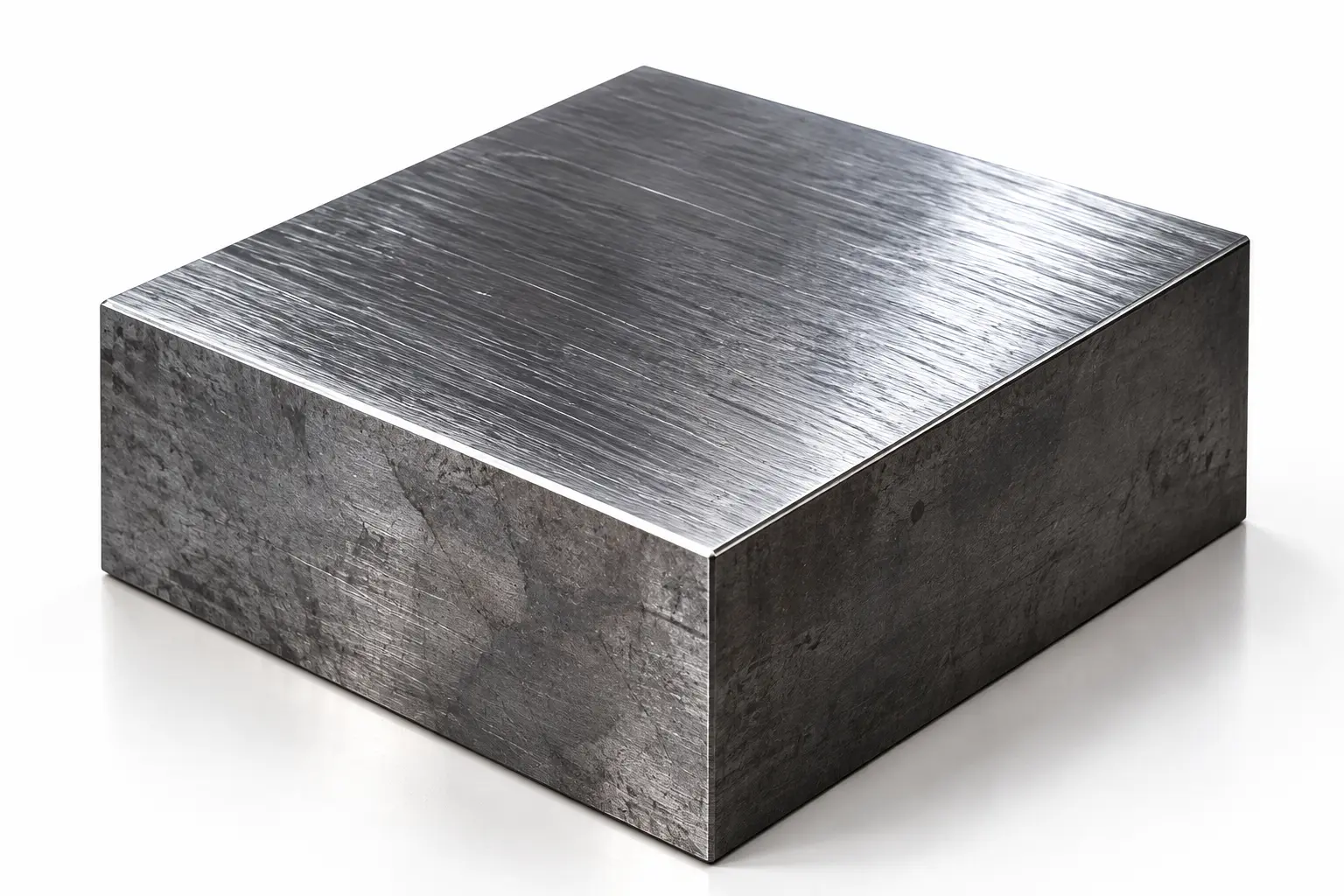
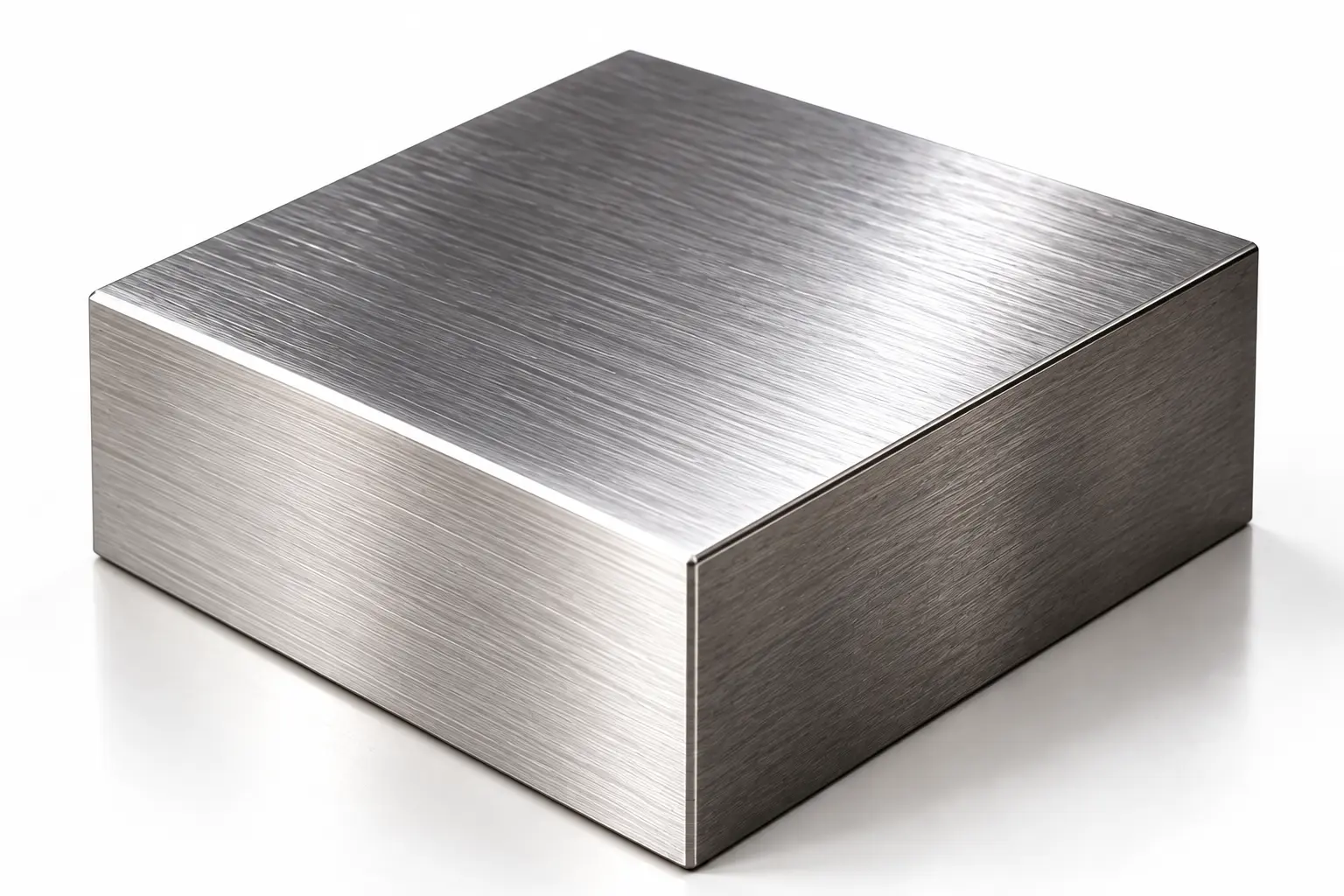
Aluminum suits most machined parts, but it isn’t the right answer for everything. Here’s where it wins and where it falls short.
- Light. At 2.7 g/cm³ it weighs roughly a third of steel, which matters in anything that moves or flies.
- Corrosion resistant. It forms its own oxide layer, and anodizing thickens that layer further.
- Conducts heat and electricity. Close enough to copper for heat sinks, enclosures and electrical housings.
- Cuts fast. Higher feed rates mean less machine time, which shows up directly in your unit price.
- Takes a finish. Anodizing, powder coating and polishing all work well, so cosmetic parts need no extra material.
- Holds up in the cold. Unlike steel, it keeps its toughness at sub zero temperatures, which is why it’s used in cryogenic work.
- Soft. Pure aluminum marks easily, which is why parts are machined from alloys rather than the pure metal.
- Costs more than steel. It has to be refined from bauxite, so raw stock prices sit above mild steel.
- Scratches show. The soft surface picks up handling marks, and a polished or anodized finish makes them more visible.
- Loses strength with heat. Above roughly 200°C it softens, so it’s the wrong choice near engines, exhausts or furnaces.
Bring Your Designs to Life with Elite Mold Tech
Experience precision CNC machining with Elite Mold Tech. From intricate prototypes to large-scale production, we’re ready to bring your ideas to reality. Contact us today to discuss your project needs!
- Expertise Shared Widely
- Market Reach Expanded
- Advanced Technology Integrated
- Collaborative Innovation Opportunities
- Reliable On-Demand Solutions
- All uploads are secure and confidential
Aluminum CNC Machining FAQs
Which aluminum alloy is best for CNC machining?
6061 for most work. It machines cleanly, welds, anodizes evenly and costs less than the high strength grades. Pick 7075 only when the part carries serious load, and 6063 when the finish matters more than the strength.