
Stainless Steel CNC Machining Service
Superior-quality stainless steel machining with precision, strength, and versatility for various industries. Cutting-edge facilities and experienced team delivering custom stainless steel parts that perform reliably in the most demanding environments.
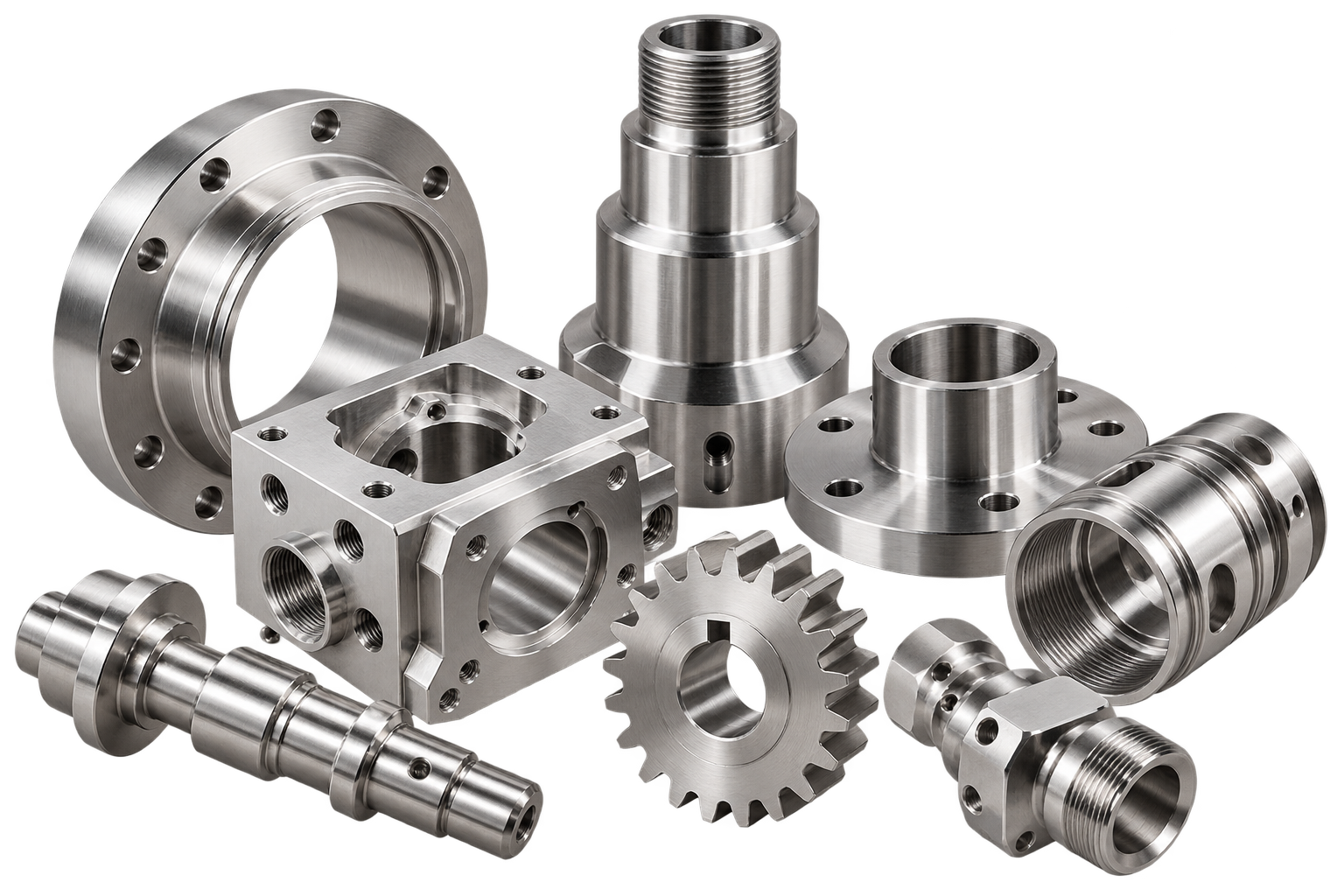
CNC加工におけるステンレス鋼
ステンレス鋼は、クロムを含む一連の鋼合金であり、クロムが保護用の酸化皮膜を形成することで、この材料に優れた耐食性および耐酸化性を与えています。強度、耐久性、衛生性、ならびに湿気や化学物質に対する耐性が求められる部品のCNC加工において、広く使用されています。.
ステンレス鋼の各グレードによって、耐食性、強度、硬度、被削性、および耐熱性の組み合わせが異なります。304や316などのオーステナイト系グレードは、汎用用途や耐食性が求められる用途で広く使用されていますが、17-4 PHは熱処理後に高い強度と硬度を発揮します。.
ステンレス鋼は、CNC加工によって、医療、食品加工、航空宇宙、自動車、船舶、化学処理、産業機器などの業界向けに、複雑かつ高精度な部品に加工することができます。.
Elite Mold Techで取り扱っているステンレス鋼:
| 取り扱い合金 | ステンレス鋼 304、316、17-4 PH |
| 価格 | $ |
| リードタイム | 10日未満 |
| 肉厚 | 0.75 mm |
| 公差 | ±0.125 mm(±0.005 インチ) |
| 最大部品サイズ | 200 x 80 x 100 cm |

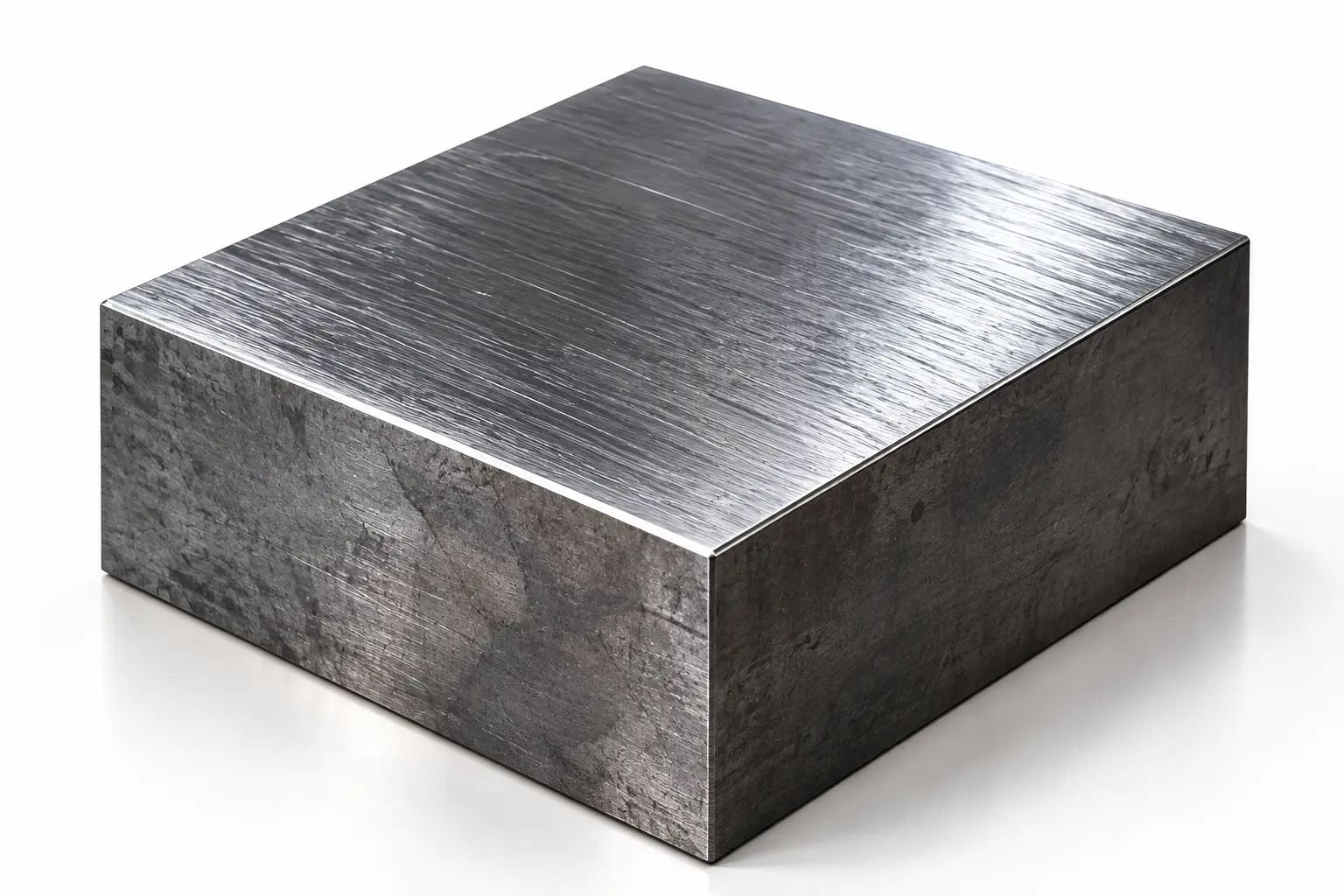
ステンレス鋼304
SUS304は、CNC加工において最も広く使用されているステンレス鋼のグレードの一つです。優れた耐食性、良好な強度、および良好な成形性を備えており、一般的な産業用途、食品加工、医療、および民生用製品に適しています。.<
引張降伏強度(MPa)
215
疲労強度(MPa)
240
破断伸び(%)
40
硬度(ブリネル)
123
密度(g/cm³)
8.00
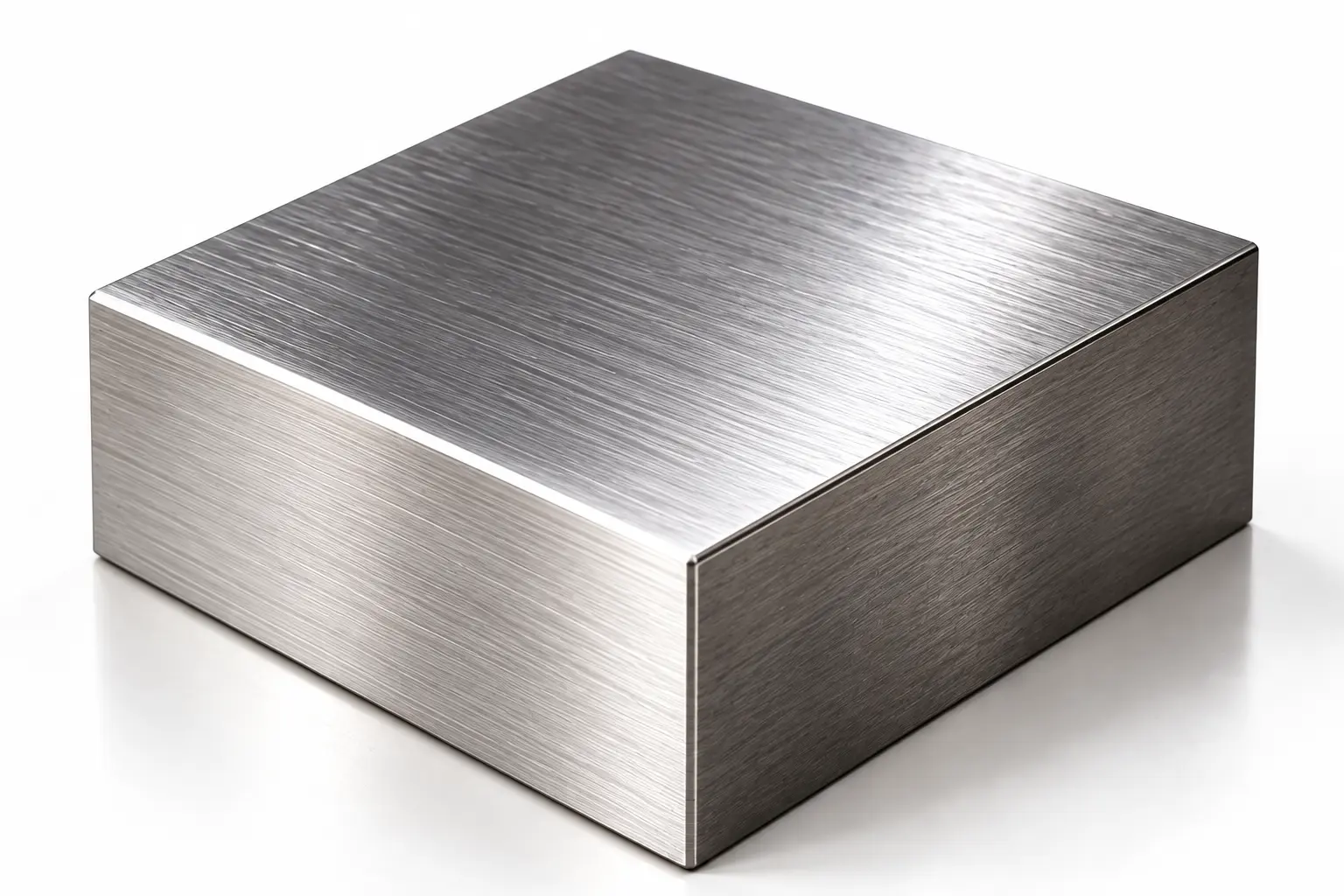
ステンレス鋼316
ステンレス鋼316は、304と比較して、特に塩化物濃度の高い環境や海洋環境において、耐食性が向上しています。モリブデンを含有しているため、孔食や隙間腐食に対する耐性が向上しており、化学、海洋、医療、食品加工などの用途に適しています。.
引張降伏強度(MPa)
205
疲労強度(MPa)
240
破断伸び(%)
40
硬度(ブリネル)
149
密度(g/cm³)
8.00
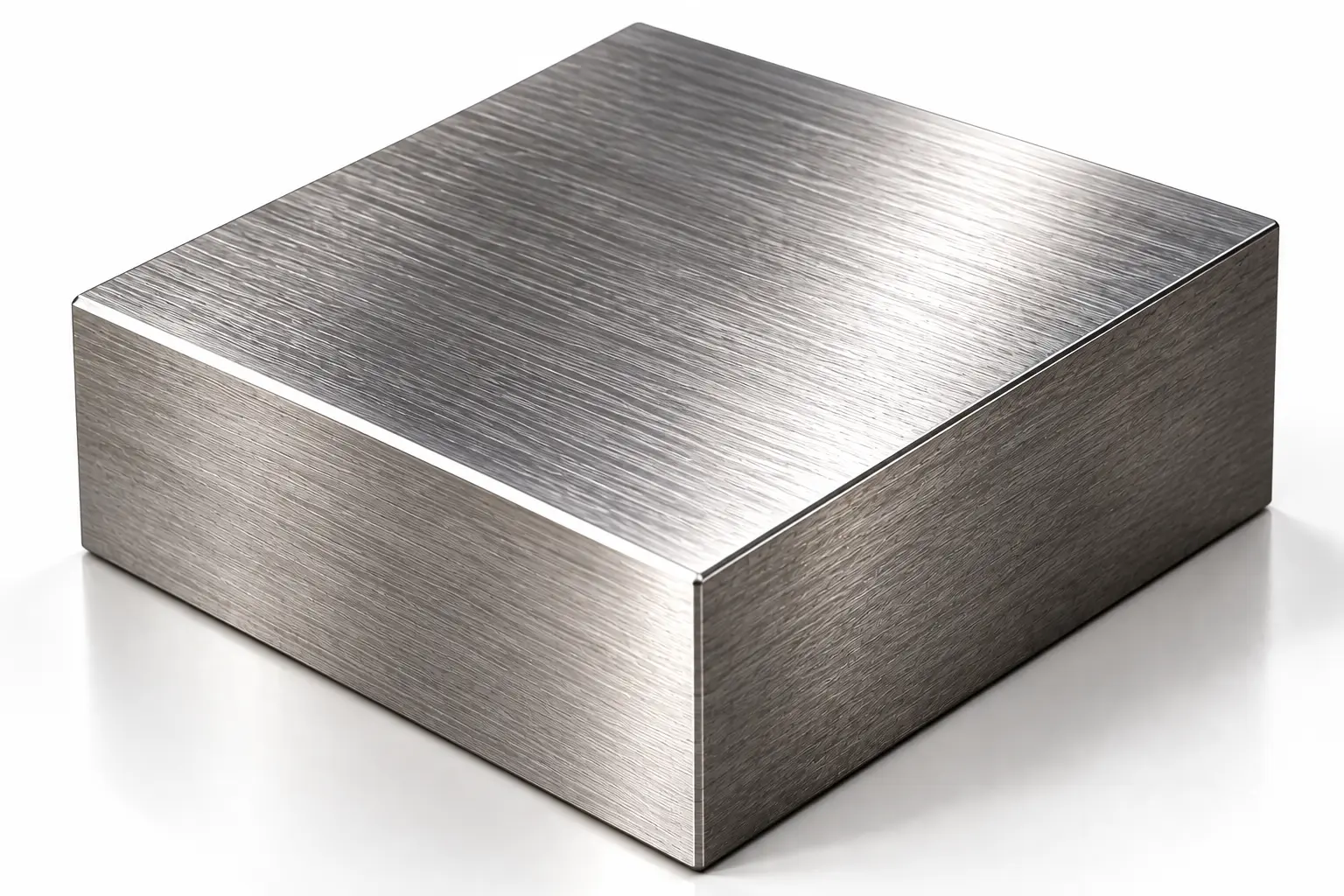
ステンレス鋼 17-4 PH
17-4 PHは、高い強度、硬度、および優れた耐食性を備えた析出硬化型ステンレス鋼です。熱処理を行うことでさまざまな機械的特性を得ることができ、厳しい要件が求められる航空宇宙、産業、機械分野の部品に広く使用されています。.
引張降伏強度(MPa)
1000
疲労強度(MPa)
510
破断伸び(%)
10
硬度(ブリネル)
293
密度(g/cm³)
7.75
一般的なCNC加工公差
| 説明 | 一般公差または標準 |
|---|---|
| 一般寸法公差 | 特に指定がない限り、ISO 2768-mK に準拠し、金属の場合は ±0.005″(±0.127 mm)、プラスチックの場合は ±0.010″(±0.254 mm)とする。 |
| 厳しい公差 | ご要望に応じて±0.001インチ(±0.025 mm)までの精度に対応可能です。詳細な2D図面およびGD&T仕様書をご用意いたします。 |
| 最小フィーチャーサイズ | 約0.020インチ(0.50 mm)。ただし、部品の形状、工具の直径、および材質によって異なります。 |
| 穴径公差 | ±0.002インチ(±0.05 mm)が標準。ボーリングやリーマ加工により、より厳しい公差を実現可能 |
| 平坦性/平行性 | 6インチあたり≤0.002インチ(150 mmあたり≤0.05 mm)。材質や治具の設定によって異なります。 |
| ネジの公差 | ISO/ASMEに準拠した標準のメートルねじとインペリアルねじ、ご要望に応じてカスタムねじや細目ねじも承ります。 |
| 角度公差 | 標準 ±0.5 |
| エッジコンディション | 特に断りのない限り、鋭利なエッジはデフォルトで折られ、バリ取りされます。 |
| 表面仕上げ(標準) | 機械加工時のRaは3.2μm(125μin)。研磨、ビーズブラスト、陽極酸化処理などによる仕上げの向上が可能。 |
| 最大部品サイズ | フライス加工:最大 80″ × 48″ × 24″(2,032 × 1,219 × 610 mm) 旋盤加工:最大 62″(長さ)× 32″(直径)(1,575 × 813 mm) |
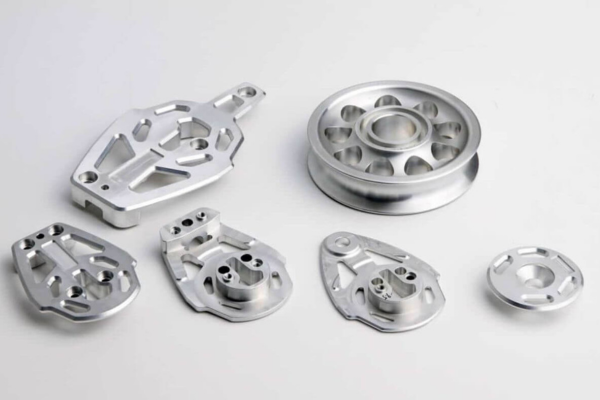
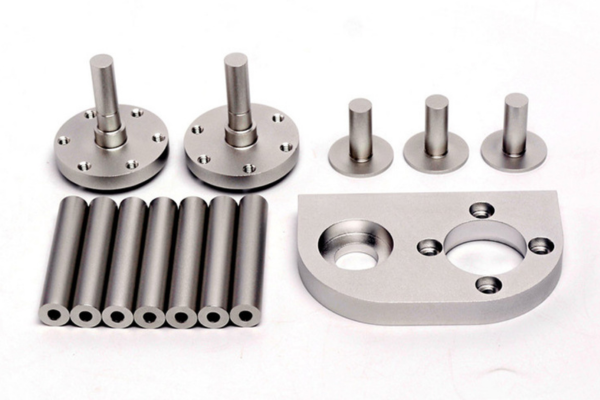
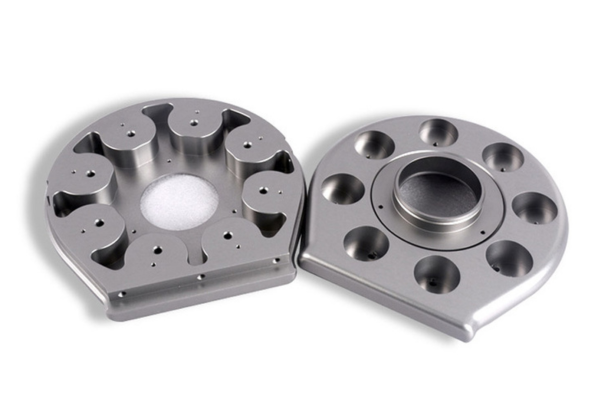
エリート金型技術によって作られたカスタムCNC加工部品
エリートMold TechのCNC機械加工部品は、幅広い産業向けに優れた仕上げと厳しい公差を持つ高精度部品を提供しています。私たちのCNC機械加工サービスは、プロトタイピングと本格的な製造の両方に理想的なカスタム部品の信頼性の高い、正確かつ効率的な生産を保証します。
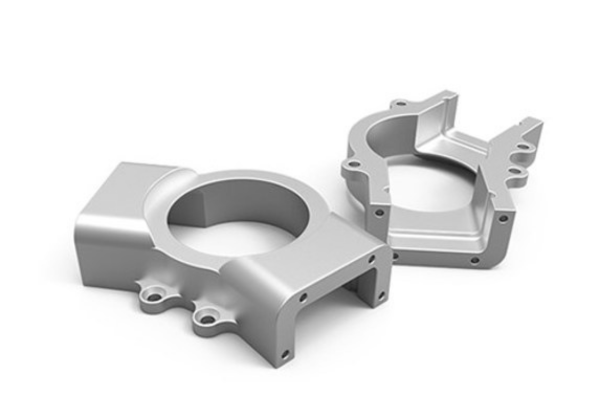
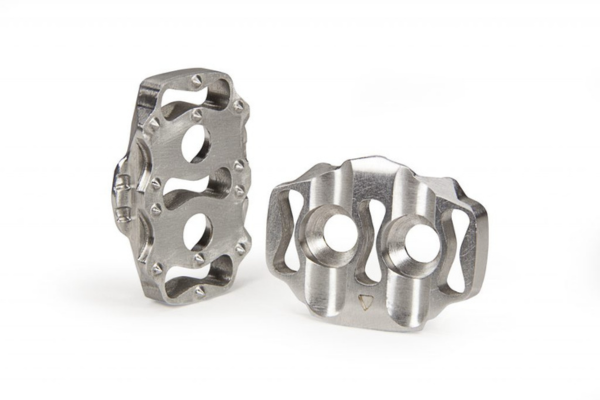

Advantages and Limitations of Stainless Steel CNC Machining
ステンレス鋼は、耐食性、強度、耐久性、そして外観のすべてにおいて優れた特性を兼ね備えており、要求の厳しいCNC加工用途に適しています。しかし、その硬度や加工硬化の性質により、より軟らかい材料に比べて加工が難しくなる場合があります。.
メリット
- Excellent Corrosion Resistance: Stainless steel can withstand moisture, chemicals, and many corrosive environments without rapidly degrading.
- High Strength: Many stainless steel grades provide strong mechanical performance for demanding components.
- Excellent Durability: Stainless steel offers good resistance to wear, impact, and mechanical stress.
- Hygienic Surface: Its smooth and corrosion-resistant surface makes it suitable for food processing, medical, and pharmaceutical applications.
- High Temperature Performance: Several stainless steel grades can maintain useful mechanical properties at elevated temperatures.
制限事項
- More Difficult to Machine: Stainless steel can generate higher cutting forces and may work harden during machining.
- Higher Tool Wear: Improper cutting conditions can accelerate tool wear, particularly with harder stainless steel grades.
- Higher Material Cost: Stainless steel generally costs more than mild steel and some aluminum alloys.
- Heat Management: Stainless steel can retain heat near the cutting zone, requiring suitable cutting parameters and coolant strategies.
お問い合わせ
エリート・モールド・テックでデザインに命を吹き込もう
Elite Mold Techの精密CNC機械加工を体験してください。複雑なプロトタイプから大規模な生産まで、私たちはあなたのアイデアを現実にする準備が整いました。あなたのプロジェクトの必要性を議論するために今日私達に連絡しなさい!
- 専門知識を広く共有
- 市場拡大
- 先進技術統合
- 共同イノベーションの機会
- 信頼性の高いオンデマンド・ソリューション
- すべてのアップロードは安全かつ機密です。
お問い合わせ
12時間以内の迅速な対応を保証
Stainless steel CNC Machining FAQs
What are the challenges of machining stainless steel?
Machining stainless steel can be challenging due to its tendency to work harden, leading to increased tool wear. Its low thermal conductivity causes excessive heating during machining, affecting both the material and tools. Improper tools or speeds can damage the material, making the process slow and arduous. Moreover, high-performance cutting tools for stainless steel are more expensive than those for softer materials, with frequent tool changes increasing production costs and downtime.
What grade of stainless steel is best for machining?
416 stainless steel is the most machinable of the stainless steels. In general, machining 400 series stainless steel grades is relatively straightforward. Conversely, machining 300 series stainless steel grades poses more challenges. SUS303 is often considered the best for machining among the 300 series while SUS304 provides a good balance between corrosion resistance and machinability, making it a versatile choice for many applications.
Why is stainless steel low maintenance?
Stainless steel’s inherent corrosion resistance and durability reduce the need for frequent maintenance, providing long-lasting performance in various applications. It also resists bacterial growth and is easy to clean and sterilize, making it low maintenance. It can be effectively cleaned with a swab and an all-purpose cleaner, making it ideal for use in kitchens and hospitals.