
Stainless Steel CNC Machining Service
Superior-quality stainless steel machining with precision, strength, and versatility for various industries. Cutting-edge facilities and experienced team delivering custom stainless steel parts that perform reliably in the most demanding environments.
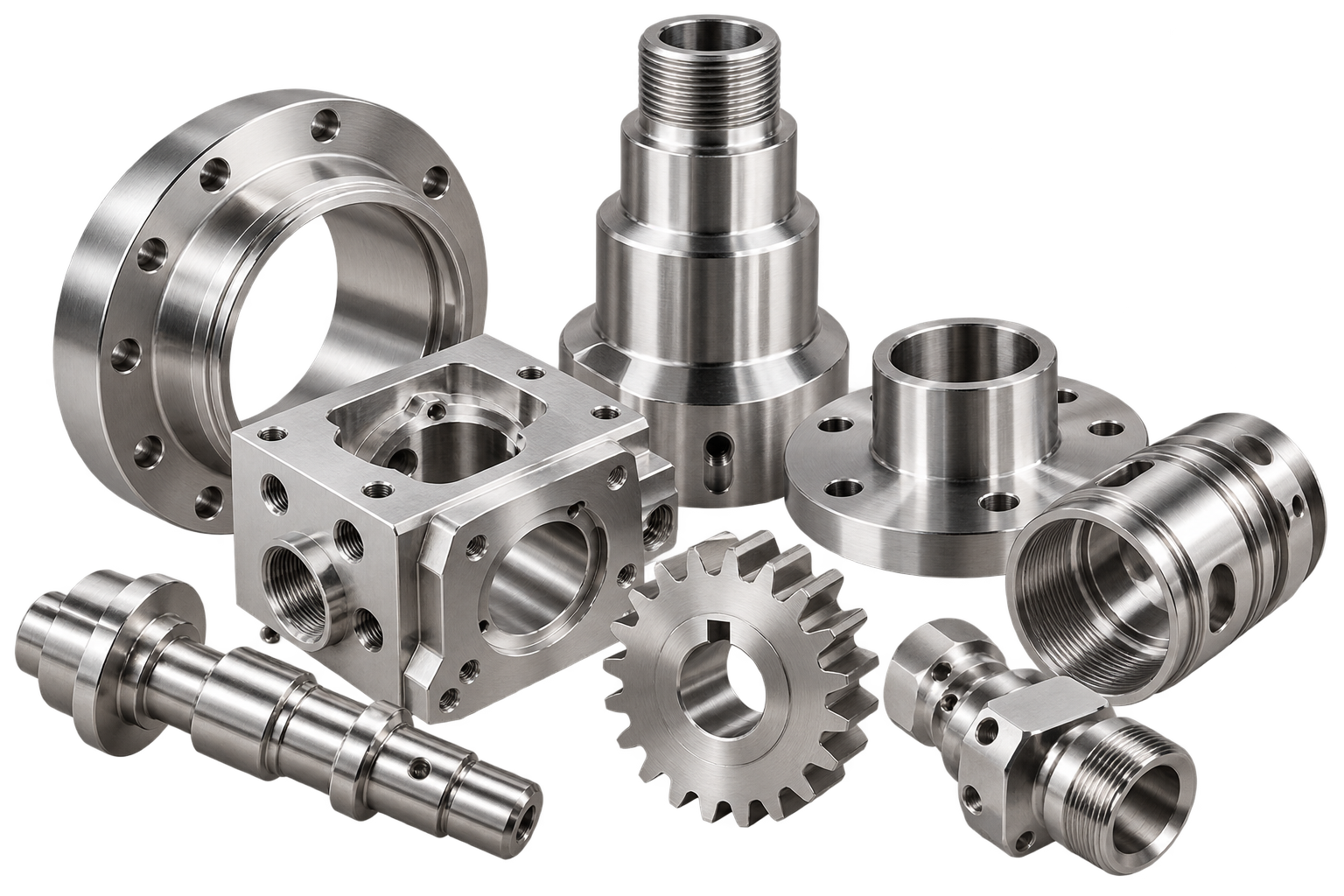
Stainless Steel in CNC Machining
Stainless steel is a family of steel alloys containing chromium, which provides a protective oxide layer and gives the material its excellent resistance to corrosion and oxidation. It is widely used in CNC machining for components that require strength, durability, hygiene, and resistance to moisture or chemicals.
Different stainless steel grades provide different combinations of corrosion resistance, strength, hardness, machinability, and temperature performance. Austenitic grades such as 304 and 316 are widely used for general-purpose and corrosion-resistant applications, while 17-4 PH provides higher strength and hardness after heat treatment.
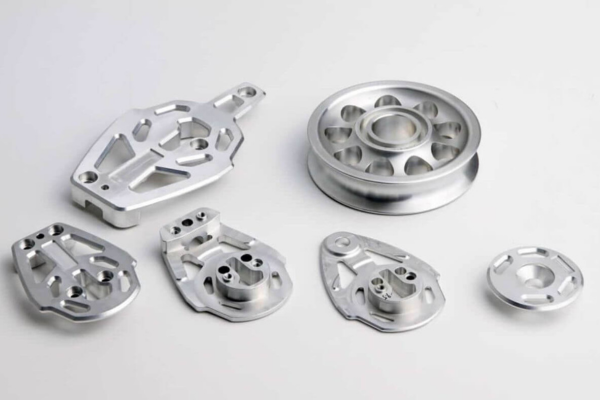
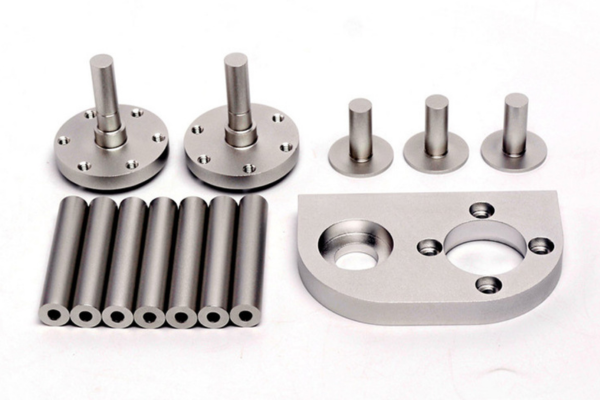
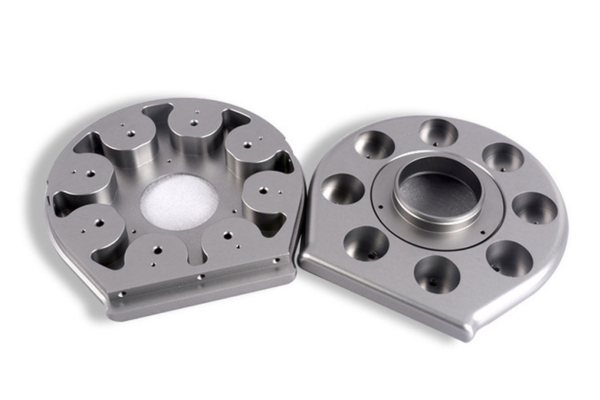
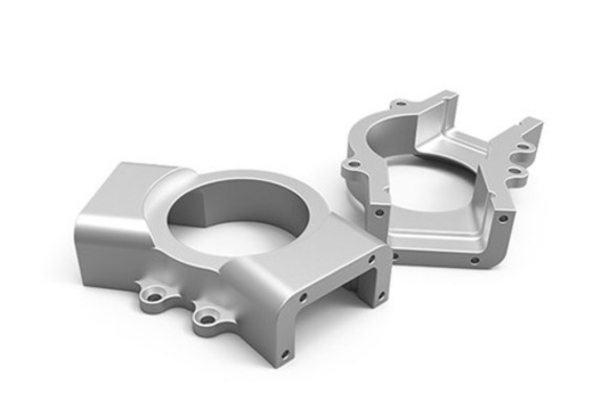
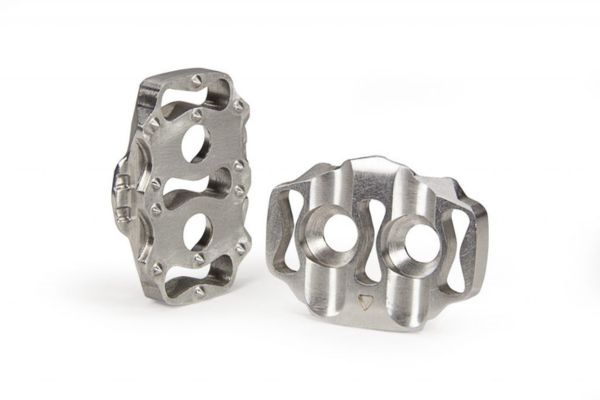
Stainless steel can be CNC machined into complex and precise components for industries including medical, food processing, aerospace, automotive, marine, chemical processing, and industrial equipment.
Available Stainless Steel at Elite Mold Tech:
| Aleaciones disponibles | Stainless Steel 304, 316, 17-4 PH |
| Precio | $ |
| Plazo de entrega | Menos de 10 días |
| Grosor de la pared | 0,75 mm |
| Tolerancias | ±0,125 mm (±0,005 pulgadas) |
| Tamaño máximo de la pieza | 200 x 80 x 100 cm |
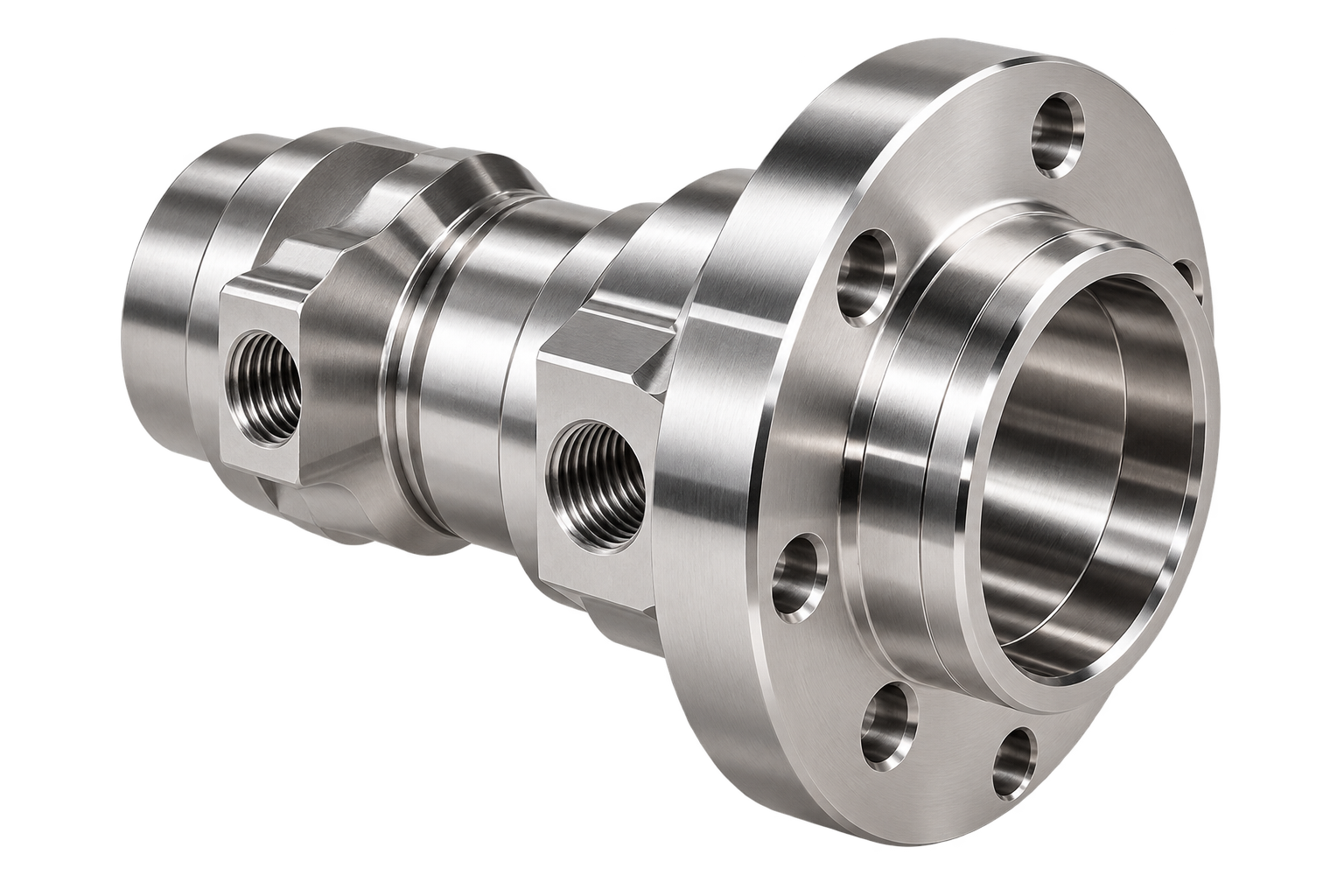
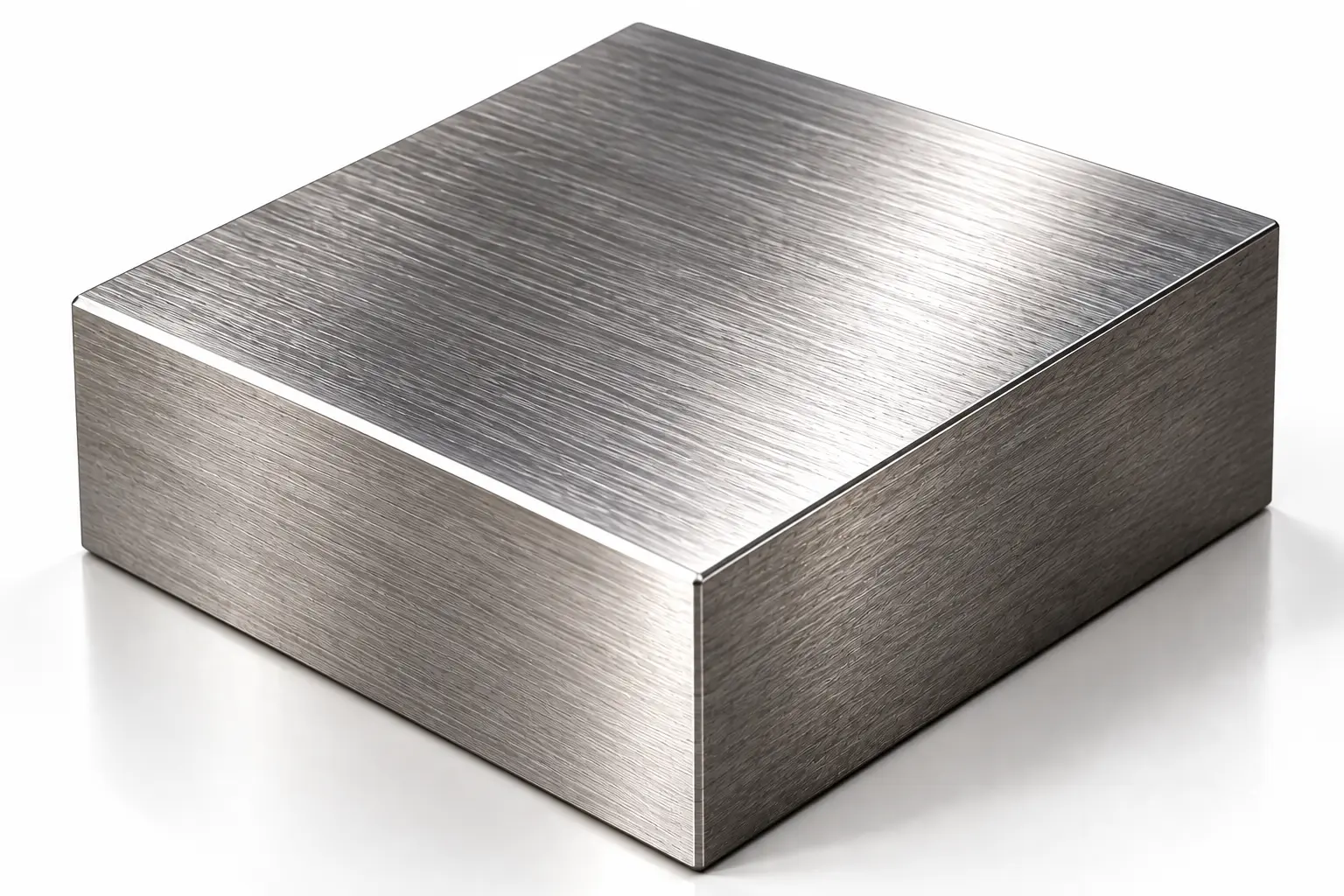
Acero inoxidable 304
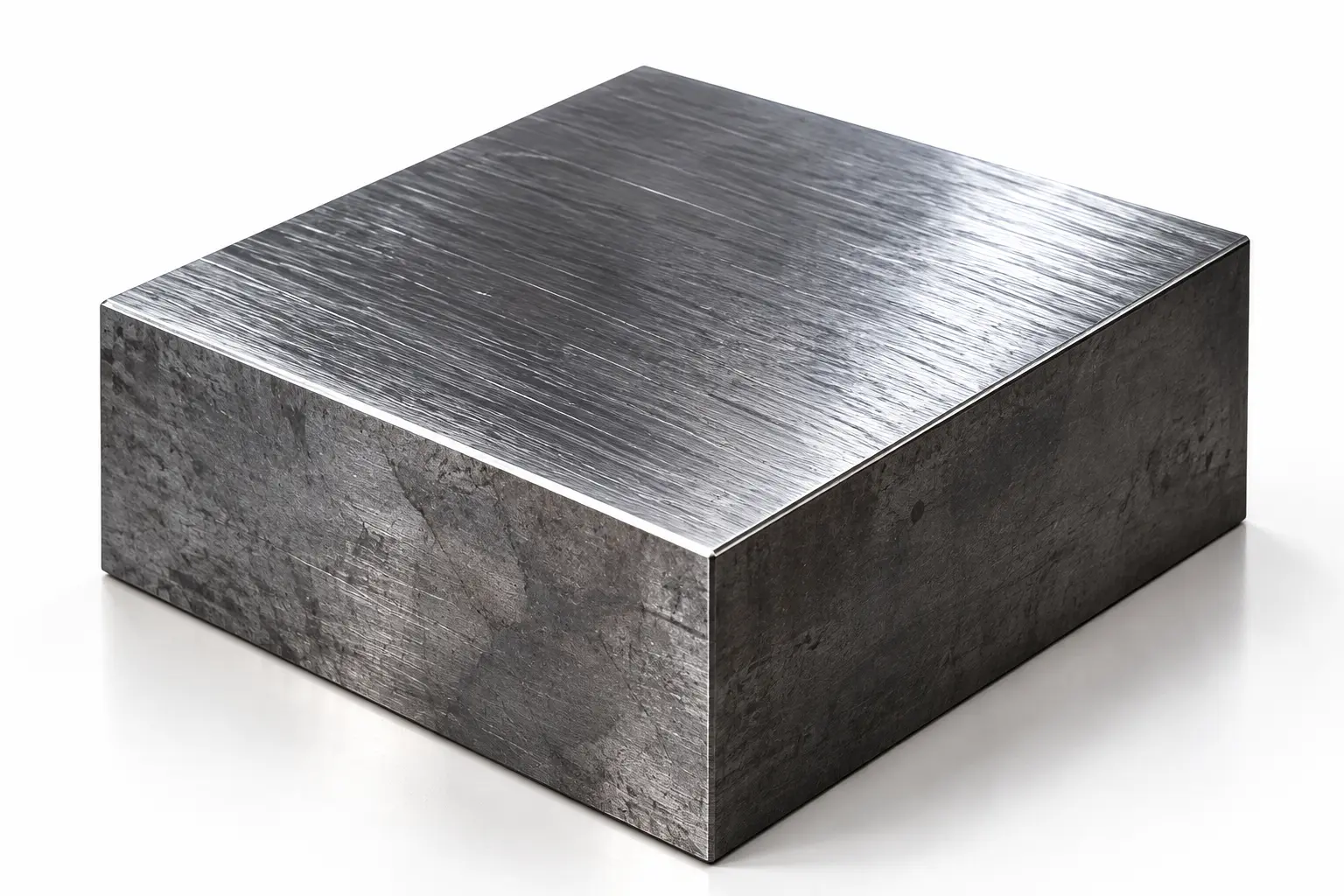
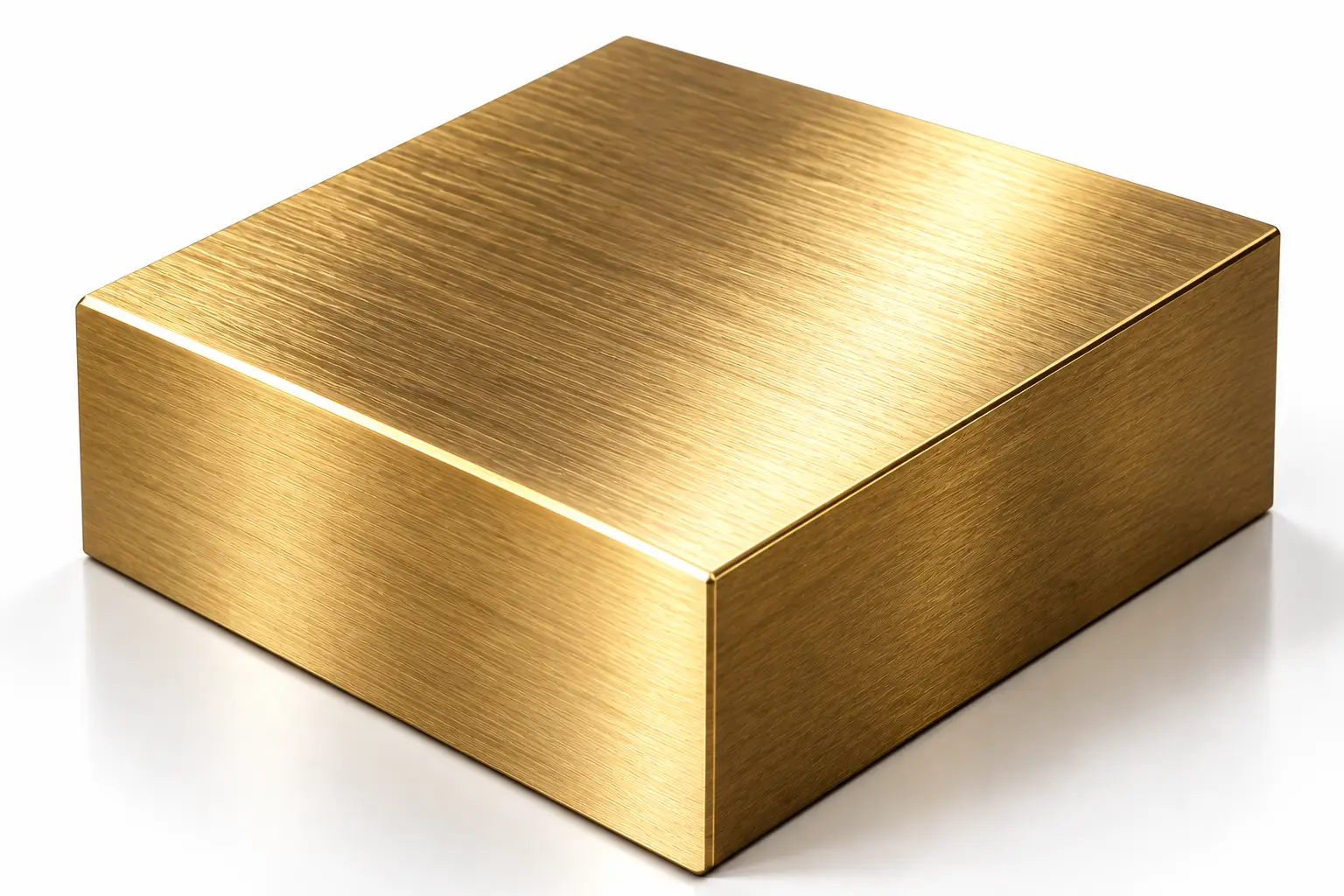
Stainless Steel 316
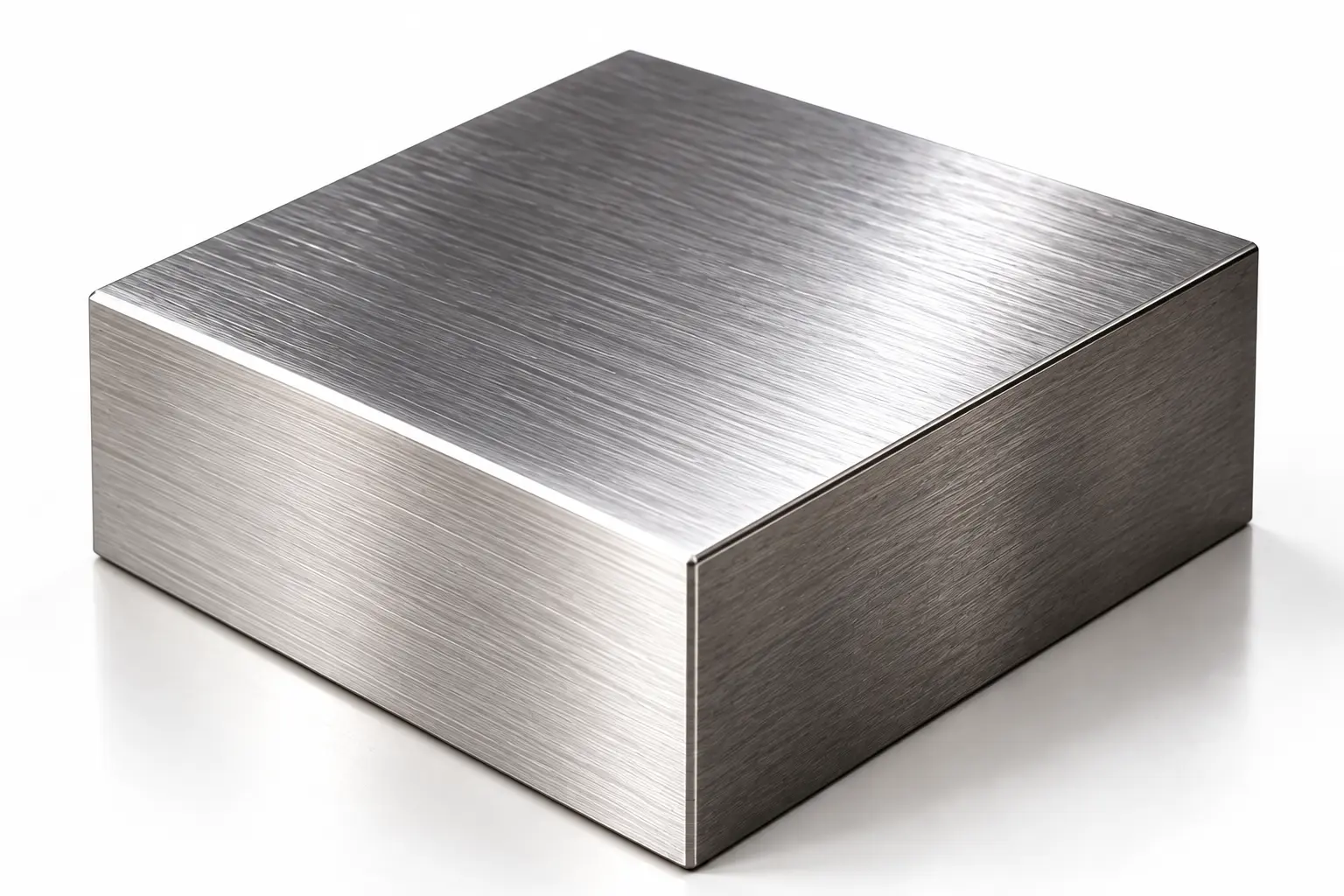
Acero inoxidable 17-4 PH
Tolerancias generales de mecanizado CNC
| Descripción | Tolerancia general o estándar |
|---|---|
| Tolerancias dimensionales generales | ±0.005″ (±0.127 mm) for metals; ±0.010″ (±0.254 mm) for plastics in line with ISO 2768-mK unless otherwise specified |
| Tolerancias estrictas | Down to ±0.001″ (±0.025 mm) available upon request, with detailed 2D drawings and GD&T specifications |
| Tamaño mínimo del elemento | ~0.020″ (0.50 mm), depends on part geometry, tool diameter, and material |
| Tolerancia del diámetro del orificio | ±0.002″ (±0.05 mm) typical; tighter tolerances with boring or reaming |
| Planitud/Paralelismo | ≤0.002″ per 6″ (≤0.05 mm per 150 mm), varies by material and fixture setup |
| Tolerancias de roscado | Roscas métricas e imperiales estándar según ISO/ASME; roscas personalizadas o finas disponibles bajo pedido. |
| Tolerancia angular | ±0,5° típico |
| Estado de los bordes | Los bordes afilados se rompen y desbarban por defecto a menos que se indique lo contrario. |
| Acabado superficial (estándar) | Ra 3,2 μm (125 μin) como mecanizado; acabados mejorados disponibles mediante pulido, granallado, anodizado, etc. |
| Tamaño máximo de la pieza | Milling: Up to 80″ × 48″ × 24″ (2,032 × 1,219 × 610 mm) Turning: Up to 62″ length × 32″ diameter (1,575 × 813 mm) |

Advantages and Limitations of Stainless Steel CNC Machining
- Excellent Corrosion Resistance: Stainless steel can withstand moisture, chemicals, and many corrosive environments without rapidly degrading.
- High Strength: Many stainless steel grades provide strong mechanical performance for demanding components.
- Excellent Durability: Stainless steel offers good resistance to wear, impact, and mechanical stress.
- Hygienic Surface: Its smooth and corrosion-resistant surface makes it suitable for food processing, medical, and pharmaceutical applications.
- High Temperature Performance: Several stainless steel grades can maintain useful mechanical properties at elevated temperatures.
- More Difficult to Machine: Stainless steel can generate higher cutting forces and may work harden during machining.
- Higher Tool Wear: Improper cutting conditions can accelerate tool wear, particularly with harder stainless steel grades.
- Higher Material Cost: Stainless steel generally costs more than mild steel and some aluminum alloys.
- Heat Management: Stainless steel can retain heat near the cutting zone, requiring suitable cutting parameters and coolant strategies.
Dé vida a sus diseños con Elite Mold Tech
Experimente el mecanizado CNC de precisión con Elite Mold Tech. Desde intrincados prototipos hasta producción a gran escala, estamos preparados para hacer realidad sus ideas. Póngase en contacto con nosotros hoy mismo para hablar de las necesidades de su proyecto.
- Conocimientos ampliamente compartidos
- Ampliación del alcance del mercado
- Tecnología avanzada integrada
- Oportunidades de innovación en colaboración
- Soluciones fiables a la carta
- Todas las cargas son seguras y confidenciales