
Stainless Steel CNC Machining Service
Superior-quality stainless steel machining with precision, strength, and versatility for various industries. Cutting-edge facilities and experienced team delivering custom stainless steel parts that perform reliably in the most demanding environments.
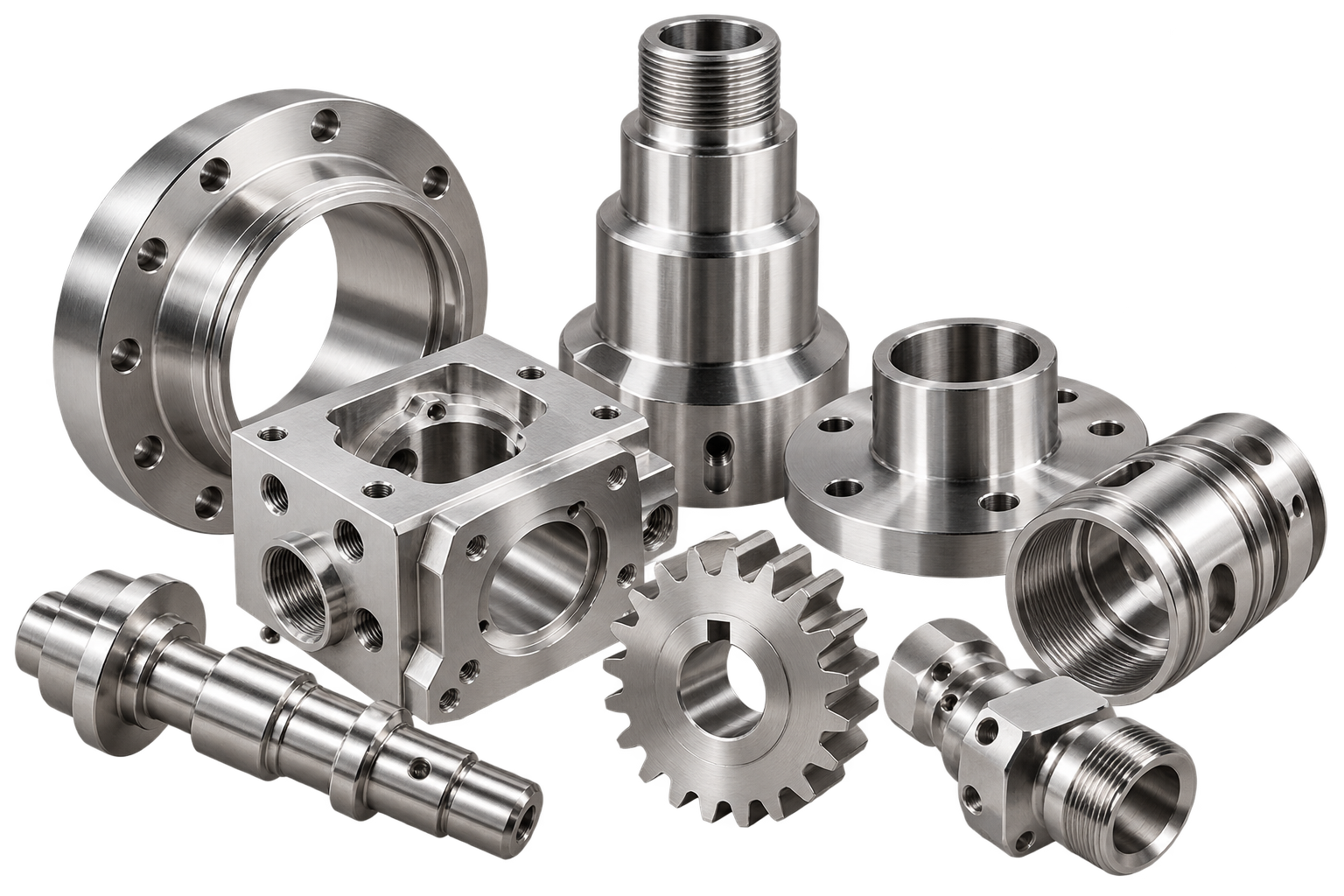
Stainless Steel in CNC Machining
Stainless steel is a family of steel alloys containing chromium, which provides a protective oxide layer and gives the material its excellent resistance to corrosion and oxidation. It is widely used in CNC machining for components that require strength, durability, hygiene, and resistance to moisture or chemicals.
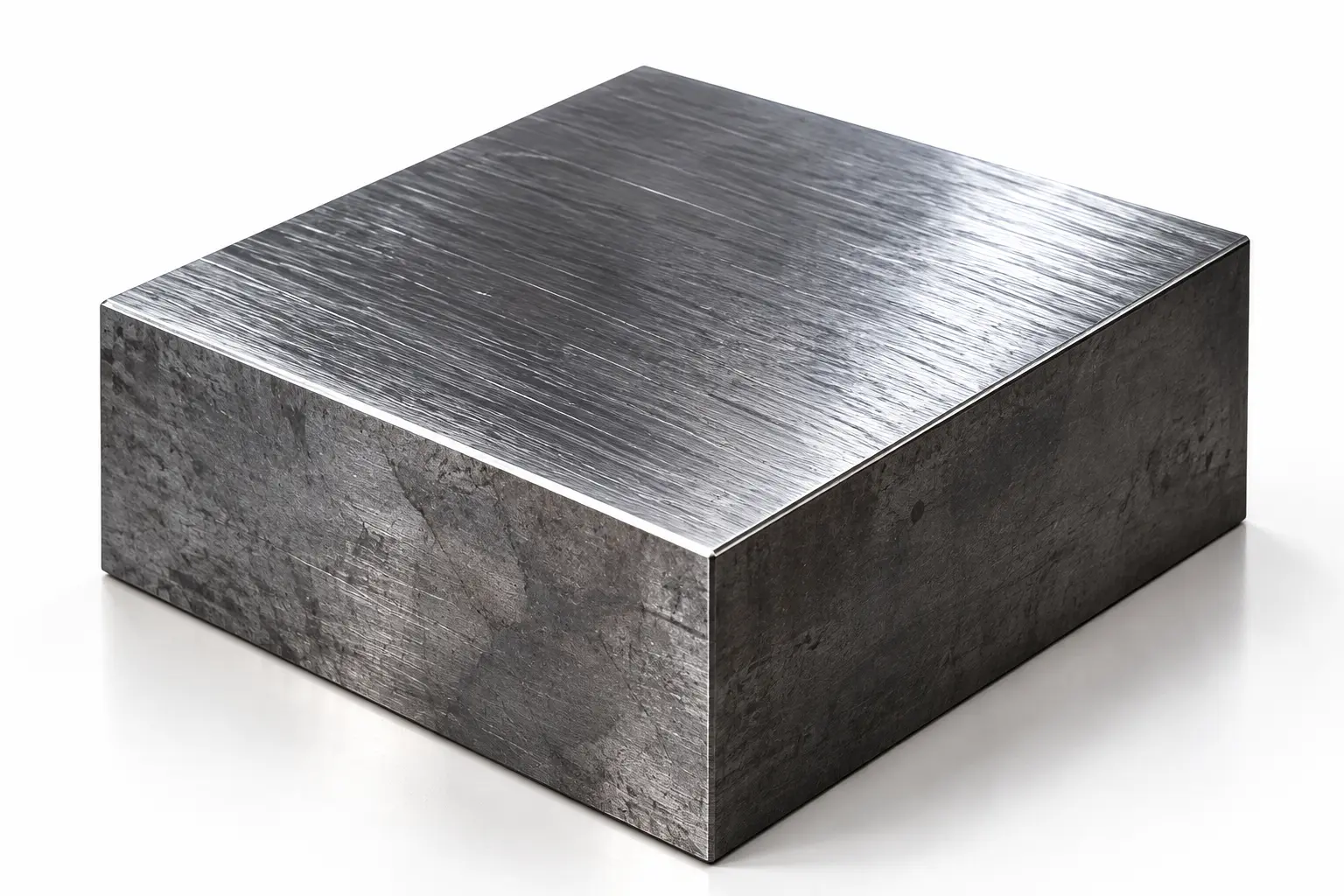
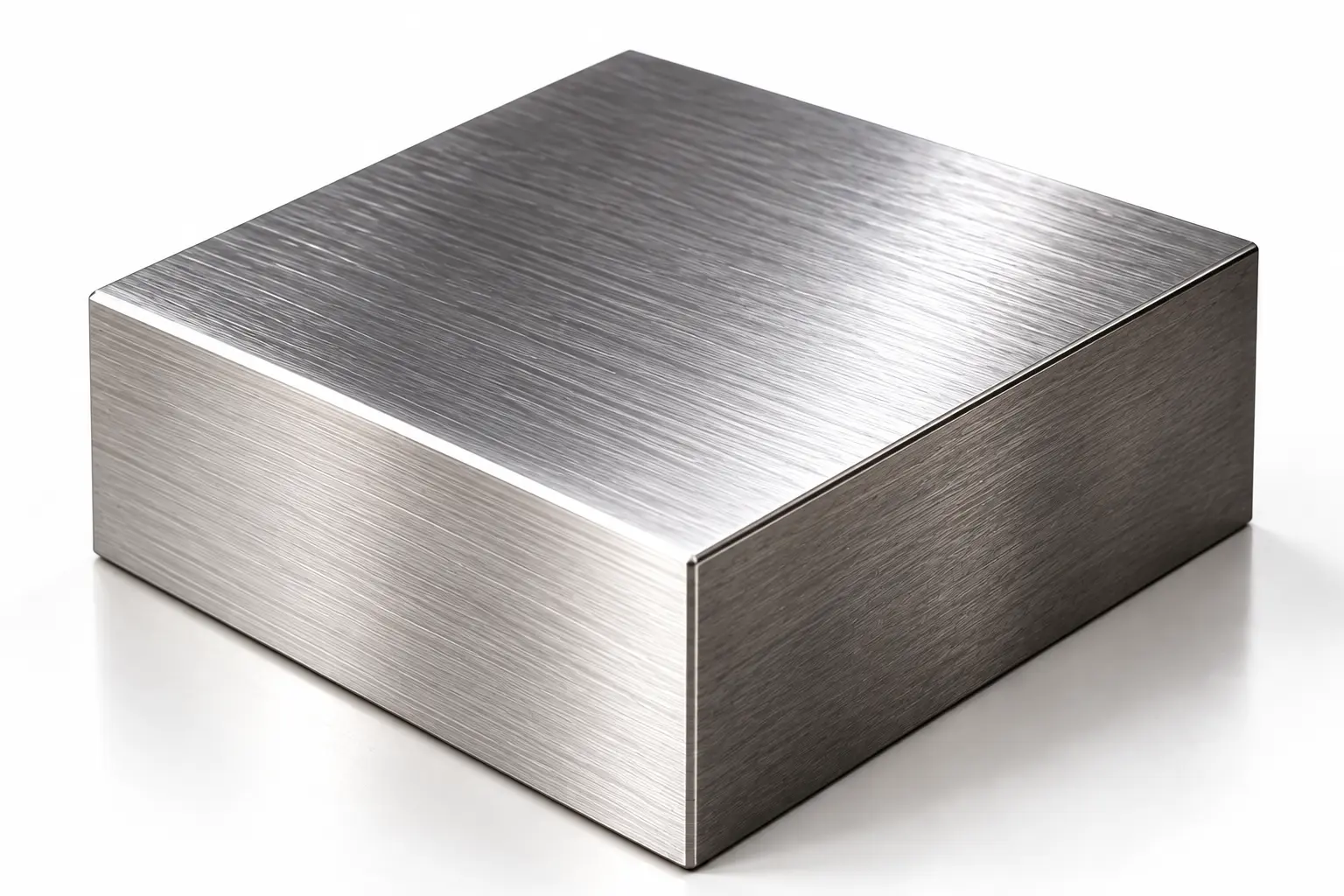
Different stainless steel grades provide different combinations of corrosion resistance, strength, hardness, machinability, and temperature performance. Austenitic grades such as 304 and 316 are widely used for general-purpose and corrosion-resistant applications, while 17-4 PH provides higher strength and hardness after heat treatment.
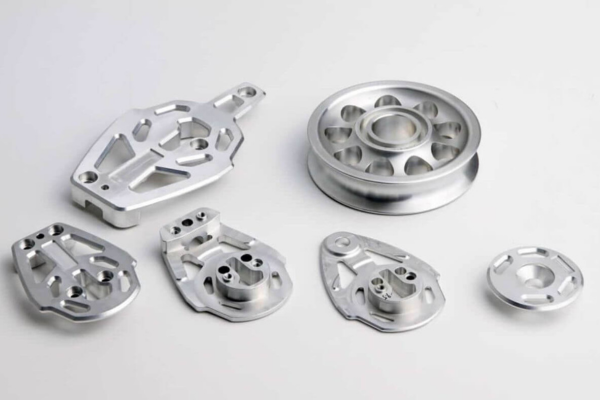
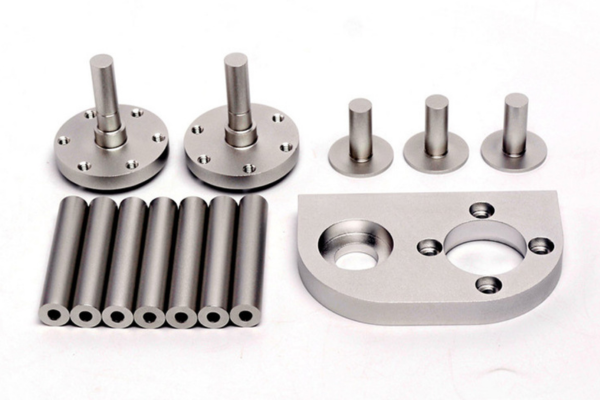
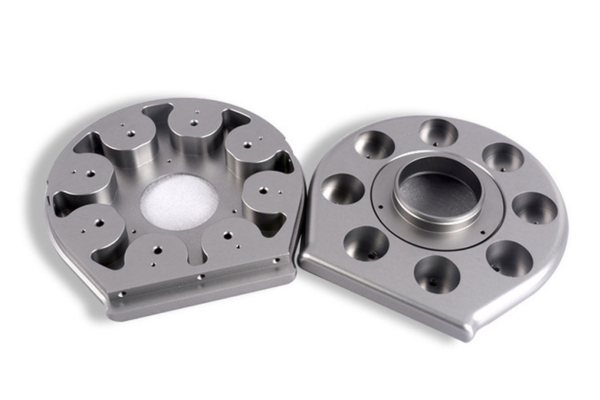
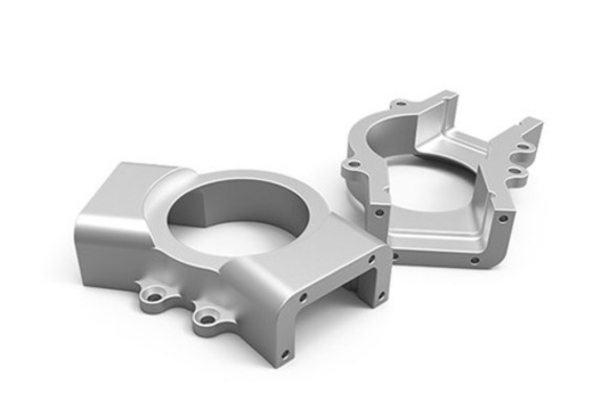
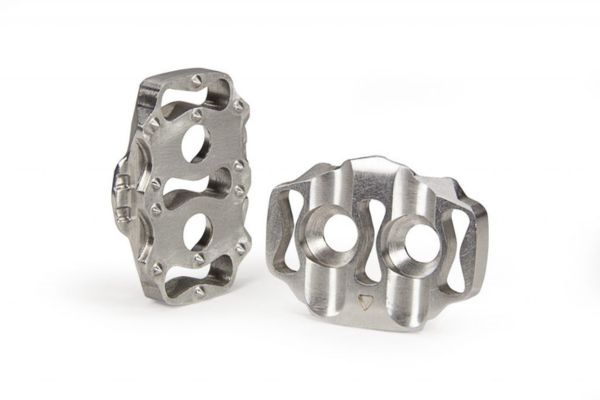
Stainless steel can be CNC machined into complex and precise components for industries including medical, food processing, aerospace, automotive, marine, chemical processing, and industrial equipment.
Available Stainless Steel at Elite Mold Tech:
| Alloys available | Stainless Steel 304, 316, 17-4 PH |
| Price | $ |
| Lead time | Under 10 days |
| Wall thickness | 0.75 mm |
| Tolerances | ±0.125 mm (±0.005 in) |
| Max part size | 200 x 80 x 100 cm |
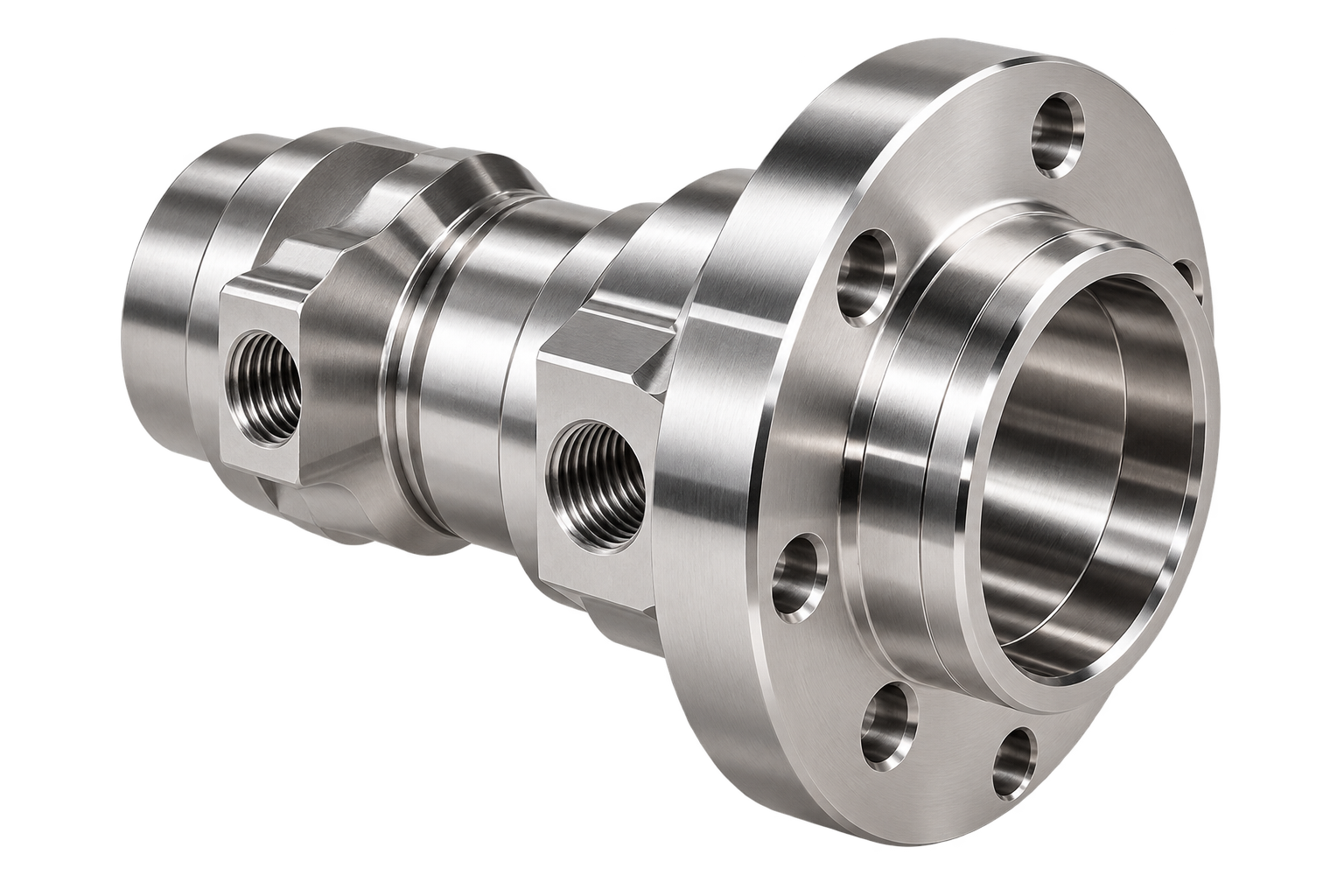
Stainless Steel 304
Stainless Steel 316
Stainless Steel 17-4 PH
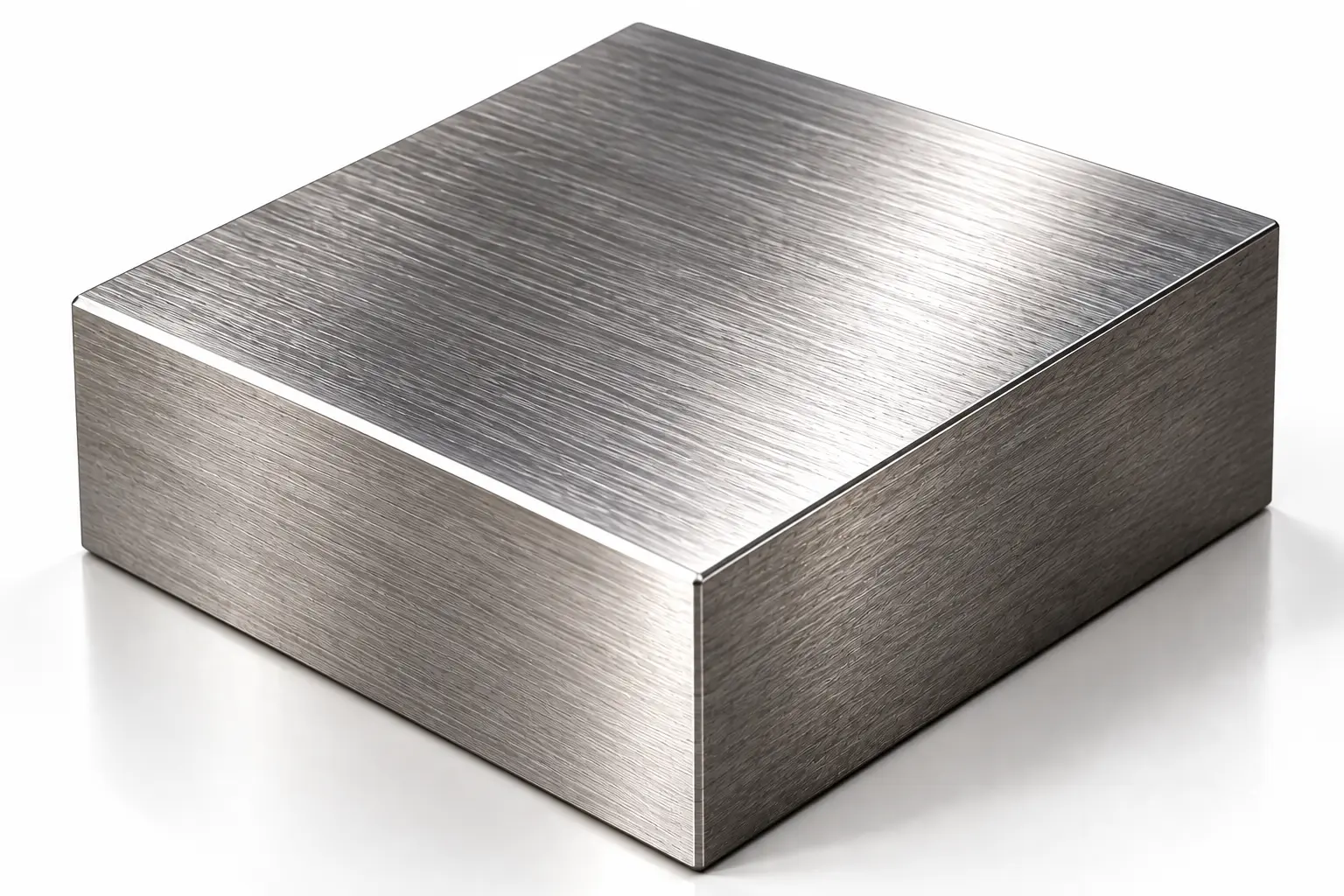


General CNC Machining Tolerances
| Description | General Tolerance or Standard |
|---|---|
| General Dimensional Tolerances | ±0.005″ (±0.127 mm) for metals; ±0.010″ (±0.254 mm) for plastics in line with ISO 2768-mK unless otherwise specified |
| Tight Tolerances | Down to ±0.001″ (±0.025 mm) available upon request, with detailed 2D drawings and GD&T specifications |
| Minimum Feature Size | ~0.020″ (0.50 mm), depends on part geometry, tool diameter, and material |
| Hole Diameter Tolerance | ±0.002″ (±0.05 mm) typical; tighter tolerances with boring or reaming |
| Flatness/Parallelism | ≤0.002″ per 6″ (≤0.05 mm per 150 mm), varies by material and fixture setup |
| Thread Tolerances | Standard metric and imperial threads per ISO/ASME; custom or fine threads available on request |
| Angular Tolerance | ±0.5° typical |
| Edge Condition | Sharp edges are broken and deburred by default unless noted otherwise |
| Surface Finish (Standard) | Ra 3.2 μm (125 μin) as-machined; improved finishes available via polishing, bead blasting, anodizing, etc. |
| Maximum Part Size | Milling: Up to 80″ × 48″ × 24″ (2,032 × 1,219 × 610 mm) Turning: Up to 62″ length × 32″ diameter (1,575 × 813 mm) |

Advantages and Limitations of Stainless Steel CNC Machining
- Excellent Corrosion Resistance: Stainless steel can withstand moisture, chemicals, and many corrosive environments without rapidly degrading.
- High Strength: Many stainless steel grades provide strong mechanical performance for demanding components.
- Excellent Durability: Stainless steel offers good resistance to wear, impact, and mechanical stress.
- Hygienic Surface: Its smooth and corrosion-resistant surface makes it suitable for food processing, medical, and pharmaceutical applications.
- High Temperature Performance: Several stainless steel grades can maintain useful mechanical properties at elevated temperatures.
- More Difficult to Machine: Stainless steel can generate higher cutting forces and may work harden during machining.
- Higher Tool Wear: Improper cutting conditions can accelerate tool wear, particularly with harder stainless steel grades.
- Higher Material Cost: Stainless steel generally costs more than mild steel and some aluminum alloys.
- Heat Management: Stainless steel can retain heat near the cutting zone, requiring suitable cutting parameters and coolant strategies.
Bring Your Designs to Life with Elite Mold Tech
Experience precision CNC machining with Elite Mold Tech. From intricate prototypes to large-scale production, we’re ready to bring your ideas to reality. Contact us today to discuss your project needs!
- Expertise Shared Widely
- Market Reach Expanded
- Advanced Technology Integrated
- Collaborative Innovation Opportunities
- Reliable On-Demand Solutions
- All uploads are secure and confidential