What Are Advanced 3D Printing Technologies and How Do They Work?
Businesses today often ask: What are the most advanced 3D printing technologies? Which 3D printing method is best for functional prototypes? Can advanced 3D printing produce production-ready metal and plastic parts? How do SLA, FDM, SLS, DMLS, and other technologies differ? And when should a manufacturer choose 3D printing instead of CNC machining or injection molding?
Advanced 3D printing technologies are additive manufacturing methods that create parts layer by layer from a digital CAD model. Different technologies use different materials and processes, including thermoplastic extrusion, resin curing, powder fusion, and metal laser processing. The right technology depends on the required accuracy, material properties, part geometry, surface finish, production volume, and application.
Modern 3D printing has moved far beyond simple plastic prototypes. Industrial additive manufacturing can now produce highly detailed polymer components, strong functional prototypes, complex internal structures, lightweight metal parts, and low-volume production components. Elite Mold Tech supports advanced additive manufacturing for both prototyping and production applications, alongside CNC machining, injection molding, die casting, and other manufacturing processes.
What Is Advanced 3D Printing?
3D printing, also called additive manufacturing, creates physical components by adding material layer by layer instead of cutting material away from a solid block. The process normally begins with a 3D CAD model. Specialized software converts the model into printable layers, and the selected printer builds the component according to those instructions.
The main advantage is design freedom. Traditional manufacturing can require molds, cutting tools, fixtures, or multiple machining operations to produce complex shapes. Advanced 3D printing can create many of these geometries directly from a digital file.
This makes additive manufacturing particularly useful during product development, where engineers may need several design iterations before reaching the final version.
Elite Mold Tech describes its additive manufacturing capabilities as supporting high-quality metal and plastic parts, while its manufacturing platform covers both prototypes and full-scale production.
Major Advanced 3D Printing Technologies
Different additive manufacturing technologies are designed for different applications. Choosing the right process requires understanding how each method forms a part and what type of material it supports.
Fused Deposition Modeling
Fused Deposition Modeling, commonly called FDM, creates parts by heating thermoplastic filament and depositing it through a nozzle layer by layer.
FDM is popular because it is relatively affordable, fast, and suitable for a broad range of prototype applications. Materials can include PLA, ABS, PETG, nylon, and engineering-grade or reinforced thermoplastics.
It is useful for concept models, housings, brackets, fixtures, jigs, ergonomic prototypes, and functional testing. Elite Mold Tech’s FDM service supports rapid prototyping and offers material and finishing options for different project requirements.
스테레오리소그래피
Stereolithography, or SLA, uses ultraviolet light to cure liquid resin into solid layers. It is known for producing highly detailed parts with smooth surfaces and fine features.
SLA is particularly useful when appearance, dimensional detail, and surface quality are important. Common applications include consumer electronics prototypes, dental models, presentation models, product design, and detailed functional prototypes.
Elite Mold Tech reports that its SLA service can support detailed components and offers different resin options, including rigid, flexible, clear, and heat-resistant materials.
선택적 레이저 소결
Selective Laser Sintering, or SLS, uses a laser to fuse powdered material layer by layer. Polymer SLS is useful for creating complex parts without requiring traditional support structures in the same way as some other additive processes.
This makes SLS useful for functional prototypes, complex housings, ducts, brackets, and components with challenging geometries.
The technology is particularly valuable when engineers need functional polymer parts rather than simple visual models.
직접 금속 레이저 소결
Direct Metal Laser Sintering, or DMLS, is an industrial metal additive manufacturing process that uses a laser to fuse metal powder into a solid component.
DMLS enables manufacturers to create metal geometries that may be difficult or expensive to manufacture using conventional processes. It is useful for prototypes, complex engineering components, lightweight structures, and selected low-volume production applications.
Elite Mold Tech describes DMLS as a metal 3D printing technology capable of producing detailed and durable metal components from digital designs.
Aluminum 3D Printing
Aluminum 3D printing combines the design freedom of additive manufacturing with the lightweight and thermal properties of aluminum alloys.
Elite Mold Tech’s aluminum 3D printing service uses industrial metal additive manufacturing and supports alloys such as AlSi10Mg. The company positions the process for aerospace, automotive, engineering, rapid prototyping, custom tooling, and low-volume production applications.
Complex internal channels, lightweight structures, and topology-optimized components are some of the areas where aluminum additive manufacturing can provide an advantage over conventional manufacturing.
Advanced 3D Printing Technologies Compared
| Technology | 일반적인 재료 | Main Strength | 공통 애플리케이션 |
| FDM | 열가소성 플라스틱 | Cost-effective and practical | Functional prototypes, fixtures, housings |
| SLA | Photopolymer resin | Fine details and smooth surfaces | Detailed prototypes, models, dental applications |
| SLS | Polymer powder | Complex functional parts | Engineering prototypes, housings, low-volume parts |
| DMLS | Metal powder | Complex metal components | Engineering parts, tooling, functional prototypes |
| Aluminum 3D Printing | 알루미늄 합금 | Lightweight and strong parts | Aerospace, automotive, industrial components |
The table shows why there is no single “best” 3D printing technology. A detailed presentation model may benefit from SLA, while a large functional prototype may be better suited to FDM. A complex metal component may require DMLS or another metal additive process.
What Are the Benefits of Advanced 3D Printing?
The biggest benefit of advanced 3D printing is the ability to manufacture complex components directly from digital designs. However, its advantages extend beyond geometry.
Faster Product Development
Engineers can modify a CAD model and produce another physical version without waiting for a traditional production mold. This supports faster design iterations and helps development teams identify problems earlier.
Rapid iteration can be particularly valuable during EVT, DVT, and PVT development stages. Elite Mold Tech uses 3D printing and other rapid manufacturing processes during product development and validation workflows.
복잡한 지오메트리
Additive manufacturing can create internal channels, lattice structures, topology-optimized components, and other geometries that may be difficult to manufacture using conventional processes.
For example, aluminum 3D printing can support complex internal structures and lightweight designs where reducing weight without sacrificing required performance is important.
Reduced Tooling Requirements
Traditional injection molding and die casting generally require dedicated tooling. 3D printing can produce many prototype and low-volume components directly from a digital design.
This can reduce the need for upfront tooling during early product development.
Rapid Design Iteration
If a prototype reveals an assembly problem, an engineer can modify the CAD model and produce a revised part. This feedback loop can significantly shorten development cycles.
사용자 지정
Because production starts with a digital model, 3D printing is well suited to customized parts and small batches where traditional tooling may not be economically attractive.
Lightweight Structures
Advanced metal and polymer printing can support lattice structures and topology optimization. These techniques allow engineers to remove unnecessary material while maintaining the required structural characteristics.
What Materials Can Be Used With Advanced 3D Printing?
Material selection depends on the printing technology and the performance requirements of the finished part.
Common polymer materials include ABS, nylon, PETG, PLA, engineering thermoplastics, and specialized resins. Metal additive manufacturing can use materials such as aluminum, stainless steel, titanium, and other alloys depending on the available equipment and process.
Elite Mold Tech’s aluminum 3D printing page lists aluminum alloys including 6061, 6063, and 3003, along with stainless steel, titanium alloys, brass, PE, nylon, and PVC among its available material categories.
The material should be selected based on strength, flexibility, heat resistance, chemical exposure, dimensional stability, appearance, weight, and the intended service environment rather than simply choosing the lowest-cost option.
What Applications Use Advanced 3D Printing?
Advanced 3D printing is used across product development and industrial manufacturing because different technologies can address different performance requirements.
In aerospace, additive manufacturing can support lightweight structures, brackets, housings, prototypes, and other complex components. Elite Mold Tech identifies FDM, PolyJet, Multi Jet Fusion, SLA, and SLS among its prototyping technologies for aerospace development.
Automotive manufacturers can use 3D printing for concept models, fixtures, functional prototypes, brackets, housings, and selected production components.
Consumer electronics companies can use SLA and other high-resolution processes to evaluate product appearance, ergonomics, fit, and assembly.
Medical and dental applications can benefit from technologies capable of producing detailed models and customized components.
Industrial companies can also use additive manufacturing for jigs, fixtures, replacement components, tooling aids, prototypes, and low-volume parts.
3D 프린팅 대 기존 제조 방식
3D printing is not intended to replace every manufacturing process. The best method depends on production requirements.
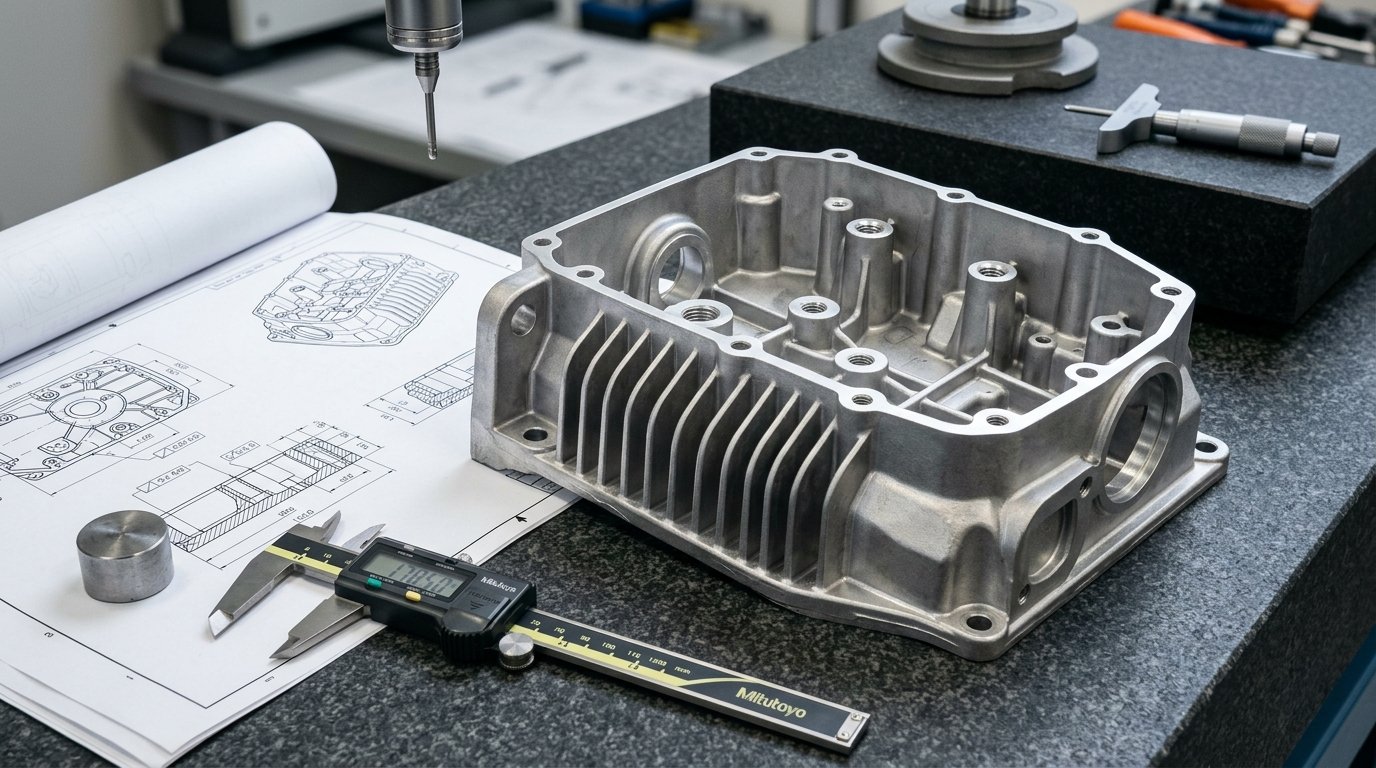
CNC machining is often preferred when high dimensional precision, strong material properties, or specific machined features are required. Injection molding becomes highly attractive for large quantities of plastic parts because the cost per part can decrease significantly after tooling is established.
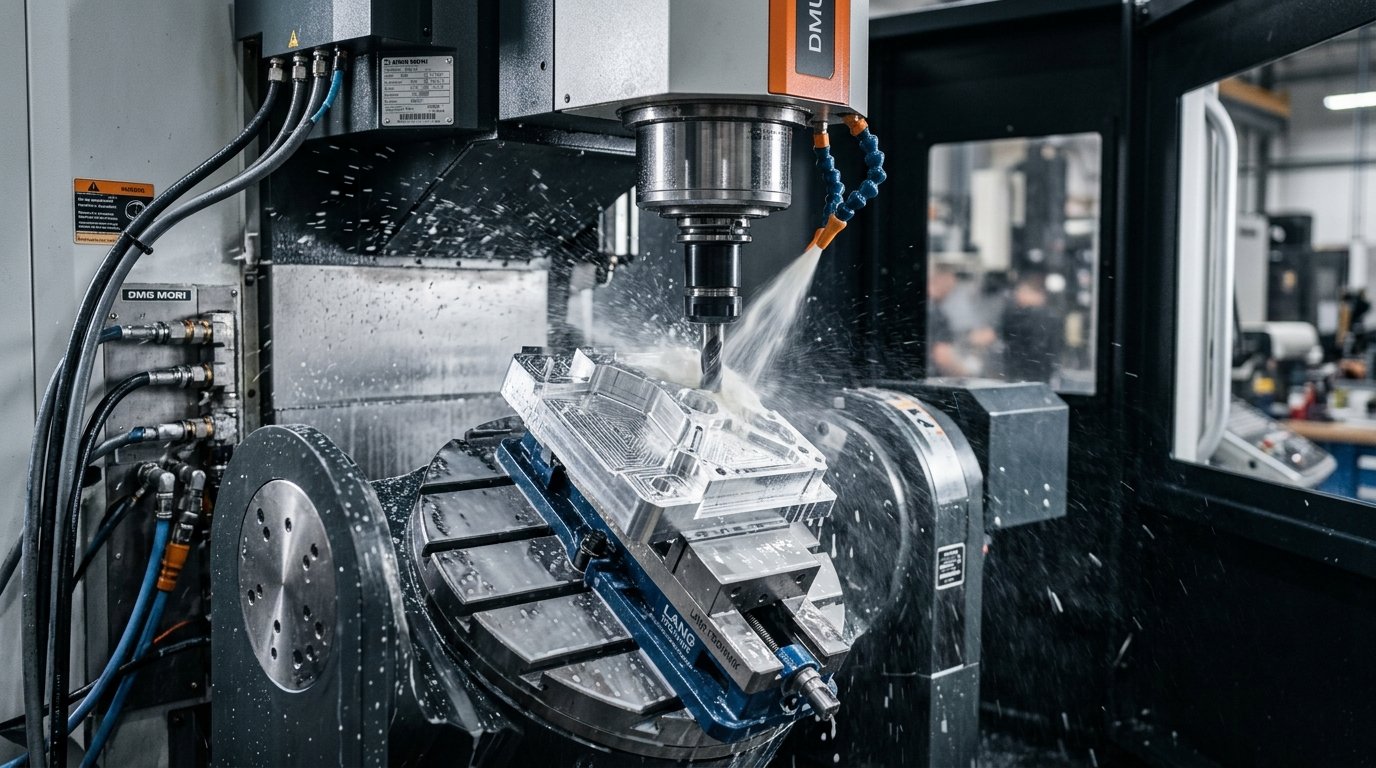
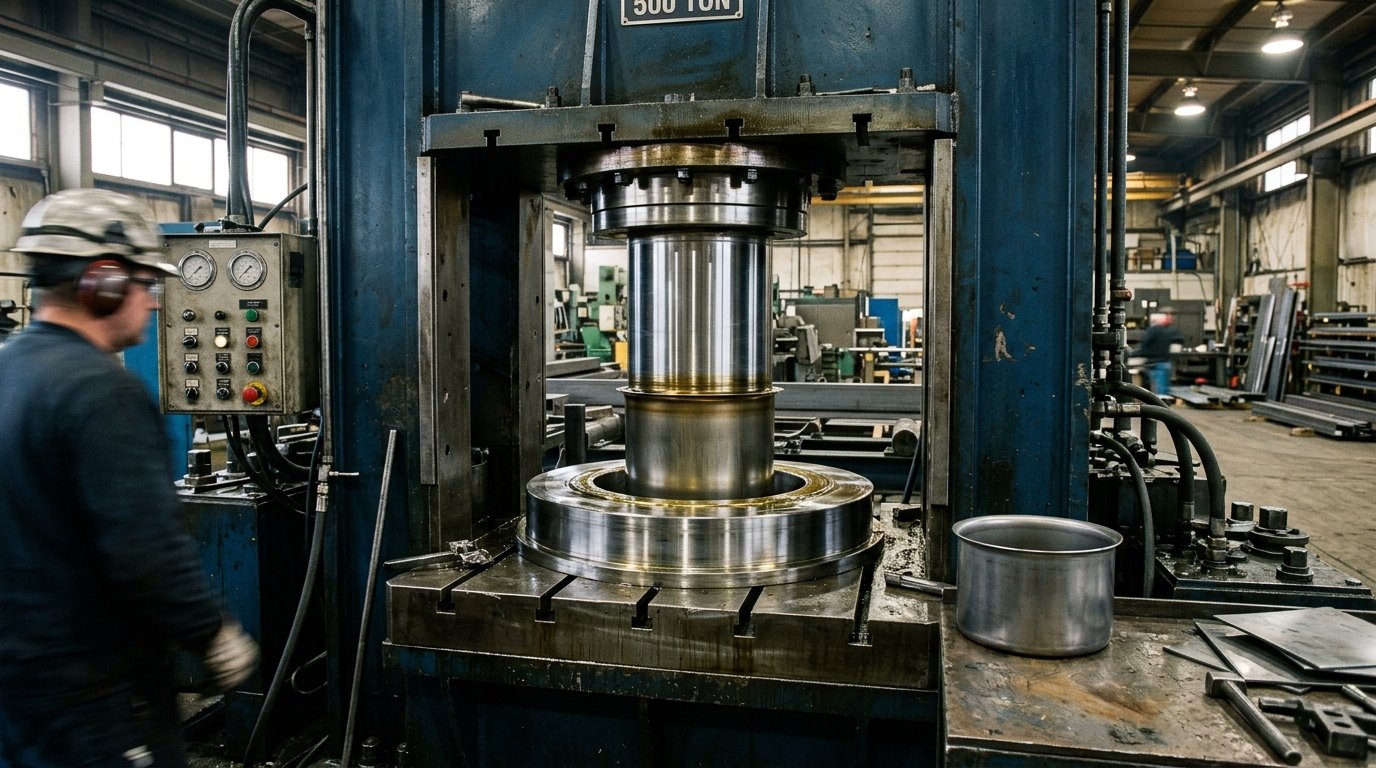
Die casting can be a strong option for high-volume metal components, while 3D printing is often advantageous for prototypes, complex geometries, customization, and lower-volume production.
| 제조 방법 | 가장 적합한 대상 | Main Consideration |
| 3D 프린팅 | Prototypes, complex geometry, customization, low-volume parts | Material and process limitations |
| CNC 가공 | Precision parts and functional prototypes | Machining time and material removal |
| 사출 성형 | High-volume plastic production | Initial mold investment |
| 다이 캐스팅 | High-volume metal components | Tooling and production volume |
| 판금 제작 | Brackets, enclosures, formed metal parts | Geometry and forming requirements |
For companies moving from prototype to production, combining technologies can be more effective than relying on one manufacturing method. For example, a team may use SLA for early appearance validation, CNC machining for functional testing, and injection molding for final high-volume plastic production.
Elite Mold Tech provides multiple manufacturing capabilities under one platform, allowing production requirements to be evaluated according to the stage and needs of a project.
How Does Post-Processing Improve 3D Printed Parts?
3D printing does not always produce a final part directly from the machine. Post-processing may be required depending on the technology and application.
For polymer components, processes can include support removal, sanding, bead blasting, vapor smoothing, painting, or other finishing methods. Elite Mold Tech’s FDM service lists vapor smoothing, bead blasting, painting, powder coating, and electroplating among available finishing approaches.
Metal components may require support removal, heat treatment, machining, polishing, blasting, anodizing, or other finishing operations. Elite Mold Tech’s aluminum 3D printing service includes options such as CNC finishing, anodizing, polishing, bead blasting, powder coating, and painting.
Post-processing should therefore be considered during design rather than added after printing has already started.
How Should You Choose the Right 3D Printing Technology?
The correct process depends on what the part needs to do.
Start with the application. A visual prototype may require excellent surface quality, while a functional component may require strength, heat resistance, or dimensional stability.
Next, consider the material. Resin, thermoplastic, nylon, and metal each provide different properties.
Part geometry is also important. Thin walls, internal channels, overhangs, fine details, and large dimensions can influence the most appropriate printing technology.
Finally, evaluate production volume and finishing requirements. A technology that is ideal for one prototype may not be the most economical option for thousands of parts.
A professional manufacturing review can help determine the appropriate combination of technology, material, tolerances, finishing, and production volume before manufacturing begins.
Why Choose Elite Mold Tech for Advanced 3D Printing?
Elite Mold Tech combines additive manufacturing with other precision manufacturing capabilities, allowing customers to move from concept development through prototyping and production.
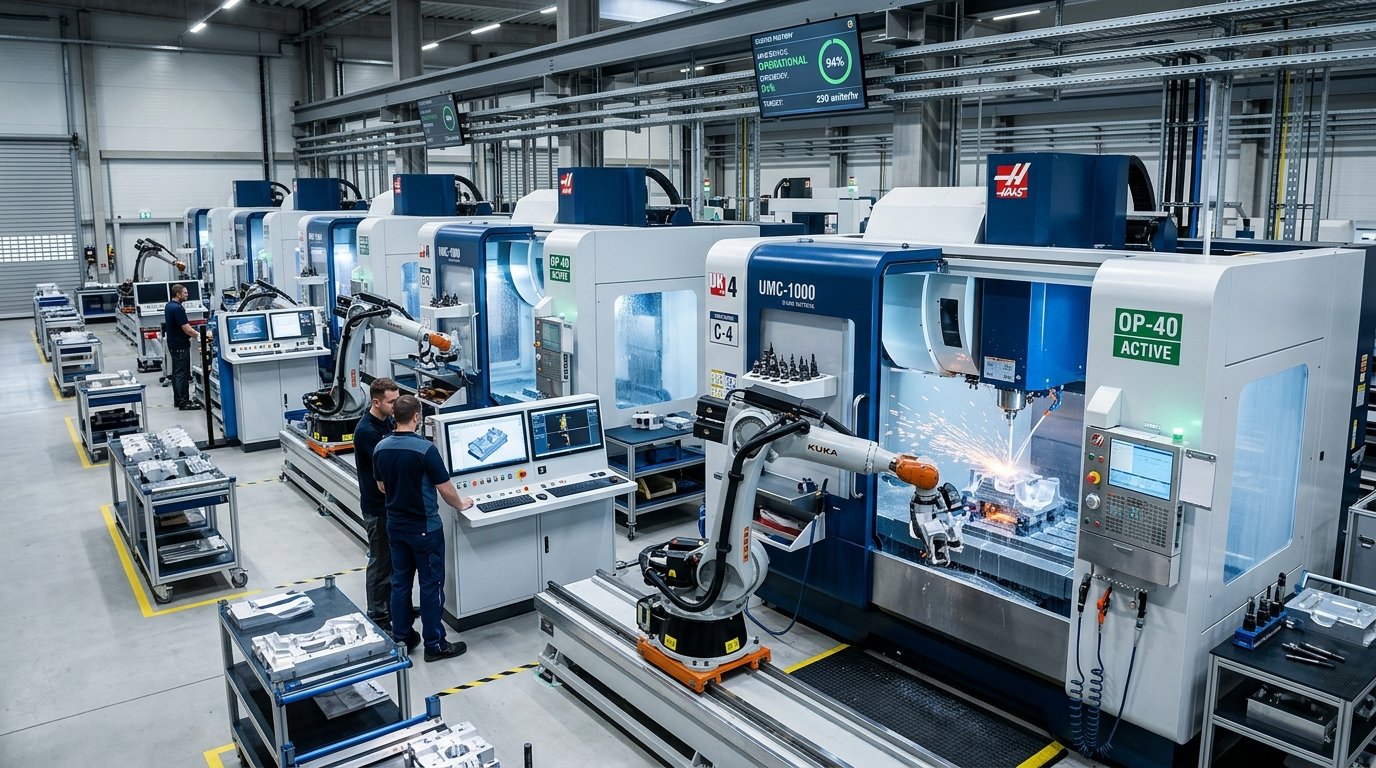
The company’s stated capabilities include CNC machining, injection molding, die casting, 3D printing, and sheet metal fabrication. Its manufacturing workflow also emphasizes design review, manufacturability, production planning, inspection, and delivery.
For customers requiring high-detail polymer prototypes, Elite Mold Tech offers SLA 3D printing services. For thermoplastic prototypes, its FDM 3D printing service provides another option. Projects requiring metal additive manufacturing can use DMLS 3D printing 또는 aluminum 3D printing.
For projects that eventually require another production process, related services such as CNC 가공, 사출 성형및 프로토타입 성형 can help support the transition from prototype to production.
최종 생각
Advanced 3D printing technologies have changed how engineers approach product development and manufacturing. FDM provides an accessible option for functional prototypes, SLA delivers detailed resin parts, SLS supports complex polymer components, and DMLS enables advanced metal geometries. Aluminum 3D printing adds lightweight metal performance to the additive manufacturing workflow.
The right technology depends on the part rather than the technology name alone. Material requirements, geometry, tolerances, surface finish, production volume, application, and post-processing all need to be considered together.
For companies developing a new product, additive manufacturing can provide a faster path from CAD design to physical validation. When the design is ready for larger-scale production, technologies such as CNC machining, injection molding, or die casting may become more appropriate.
자주 묻는 질문
What is the most advanced 3D printing technology?
There is no single most advanced 3D printing technology for every application. Industrial technologies such as DMLS, SLS, SLA, and advanced polymer printing each solve different manufacturing requirements.
Can 3D printing be used for production parts?
Yes. 3D printing can be used for low-volume production and selected end-use components, especially when customization, complex geometry, or avoiding traditional tooling provides a significant advantage.
Which 3D printing technology provides the best detail?
SLA is generally well suited to applications requiring fine details and smooth surfaces. The actual result depends on the printer, resin, geometry, orientation, layer settings, and post-processing.
Can 3D printing produce metal parts?
Yes. Metal additive manufacturing technologies such as DMLS can produce metal components directly from digital designs. Aluminum 3D printing is also used for lightweight and complex metal components.
Is 3D printing cheaper than CNC machining?
It depends on the part and production volume. 3D printing can be economical for prototypes, complex geometries, and low-volume production, while CNC machining may be more suitable when tight precision and specific material properties are required.
저자 소개:
알렉스 모건은 정밀 제조 분야의 기술 콘텐츠 전문 작가로, 특히 CNC 가공, 사출 성형, 다이캐스팅, 3D 프린팅, 판금 가공, 맞춤형 금형 제조 분야에 중점을 두고 있습니다. B2B 제조 콘텐츠 및 SEO 분야에서 10년 이상의 경력을 쌓아온 그는 엔지니어, 제품 개발자, 조달 팀, 제조 분야 의사결정권자를 대상으로 기술적으로 정확한 콘텐츠를 제작합니다. 그의 작업은 전 세계 제조업체들이 미국, 유럽, 아시아태평양 지역의 고객들에게 복잡한 생산 역량, 소재 옵션, 공차, 금형 공정 및 품질 기준을 명확하게 전달할 수 있도록 돕습니다. 그는 기술적 전문성, 정밀성, 신뢰성이 중요한 제조 기업들을 위해 글을 씁니다.