By Phil Huang, Elite Mold Tech. Updated November 2, 2026.
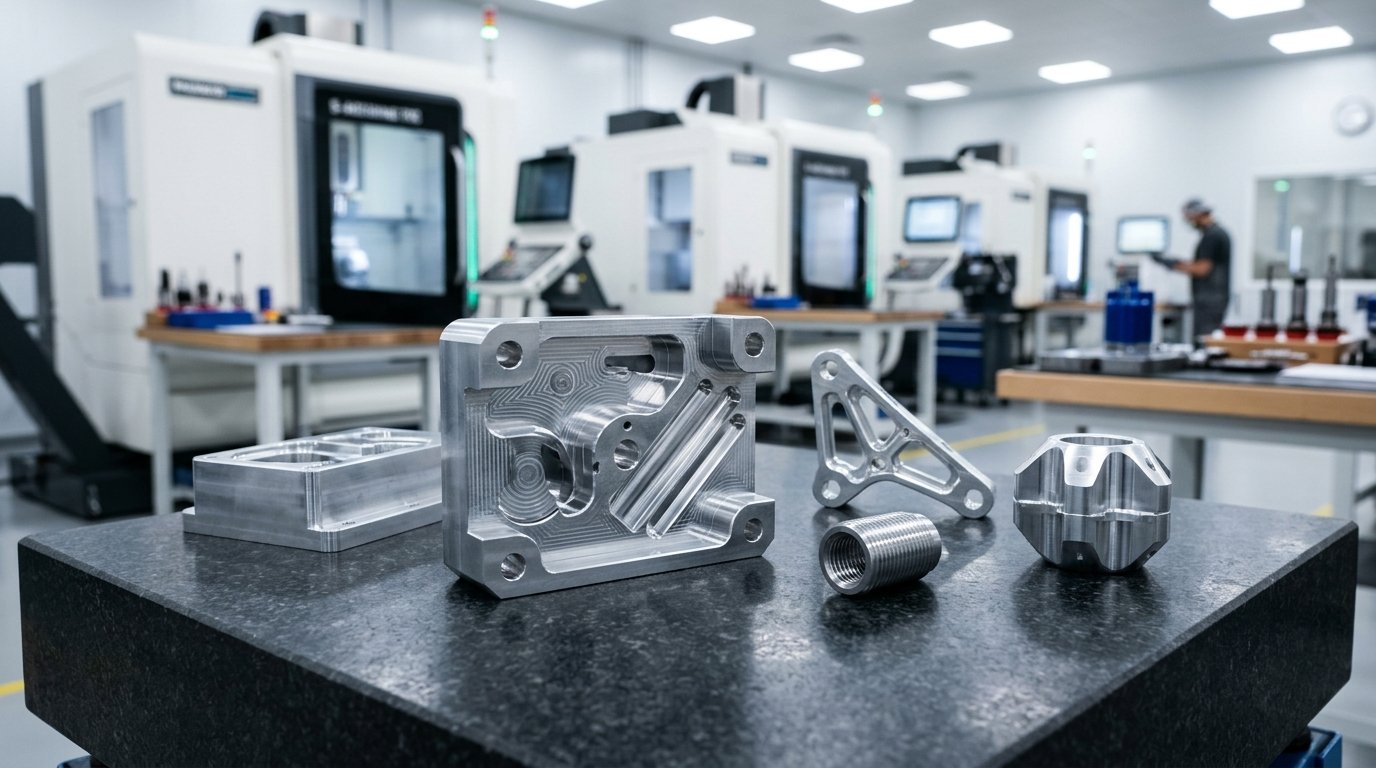
Aluminum prototype CNC machining turns a CAD file into a real metal part in days, with no tooling cost. You get production-grade material, tight tolerances, and a part you can test, fit, and show. The main question is not how to make one prototype. It is when to stop making prototypes and move to a batch. This guide covers the process, the lead time, the cost curve, and the switch point from prototype to production.
Make the prototype in the same alloy and process you plan to use in production. Then the test results carry over.
Key takeaways
- CNC machining needs no mold or tool, so one aluminum part is practical.
- Our aluminum lead time is under 10 days for most orders, and simple prototypes move faster.
- Setup cost is shared across the batch, so unit price drops as quantity rises.
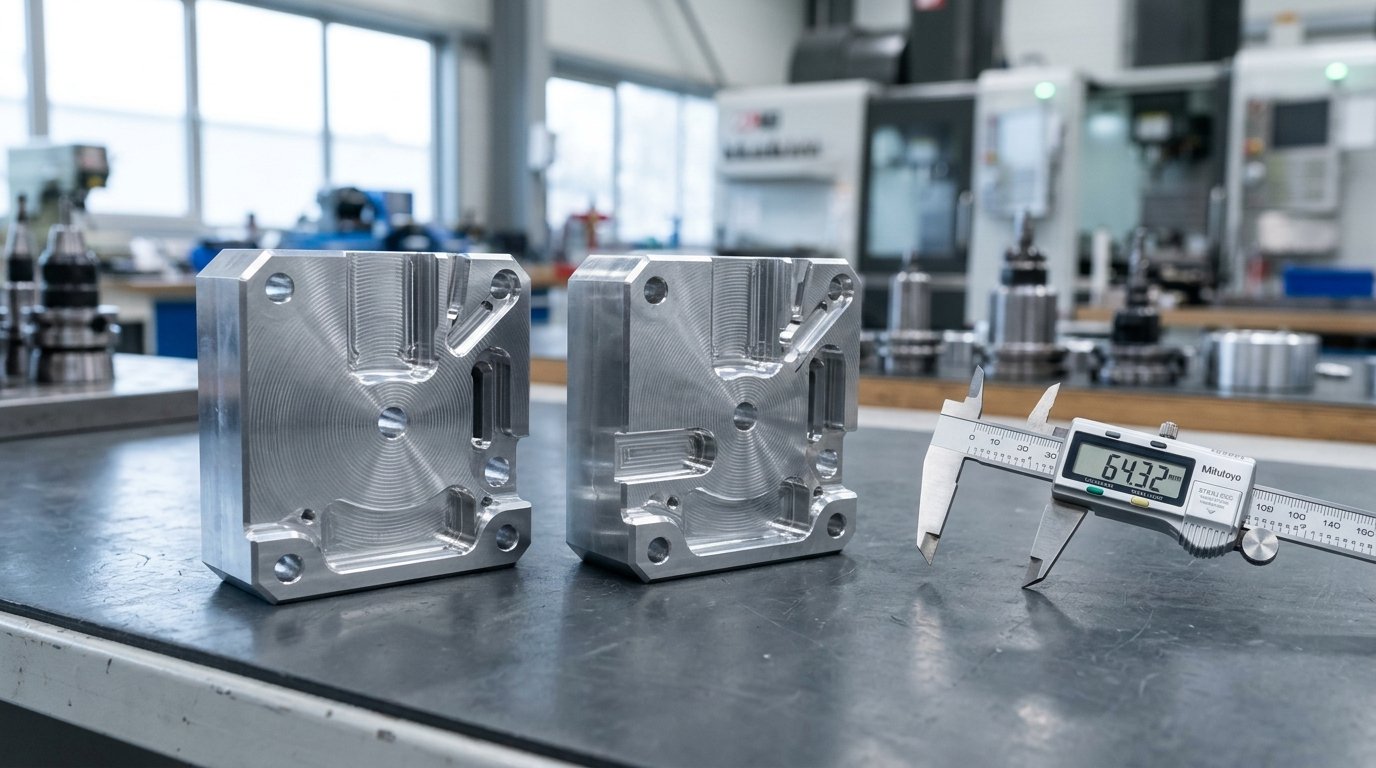
- Our standard tolerance is ±0.125 mm (±0.005 in), with tighter limits on request.
- Every quote comes with design for manufacturability (DFM) feedback, so fix problems before cutting.
Why is CNC machining a good fit for aluminum prototypes?
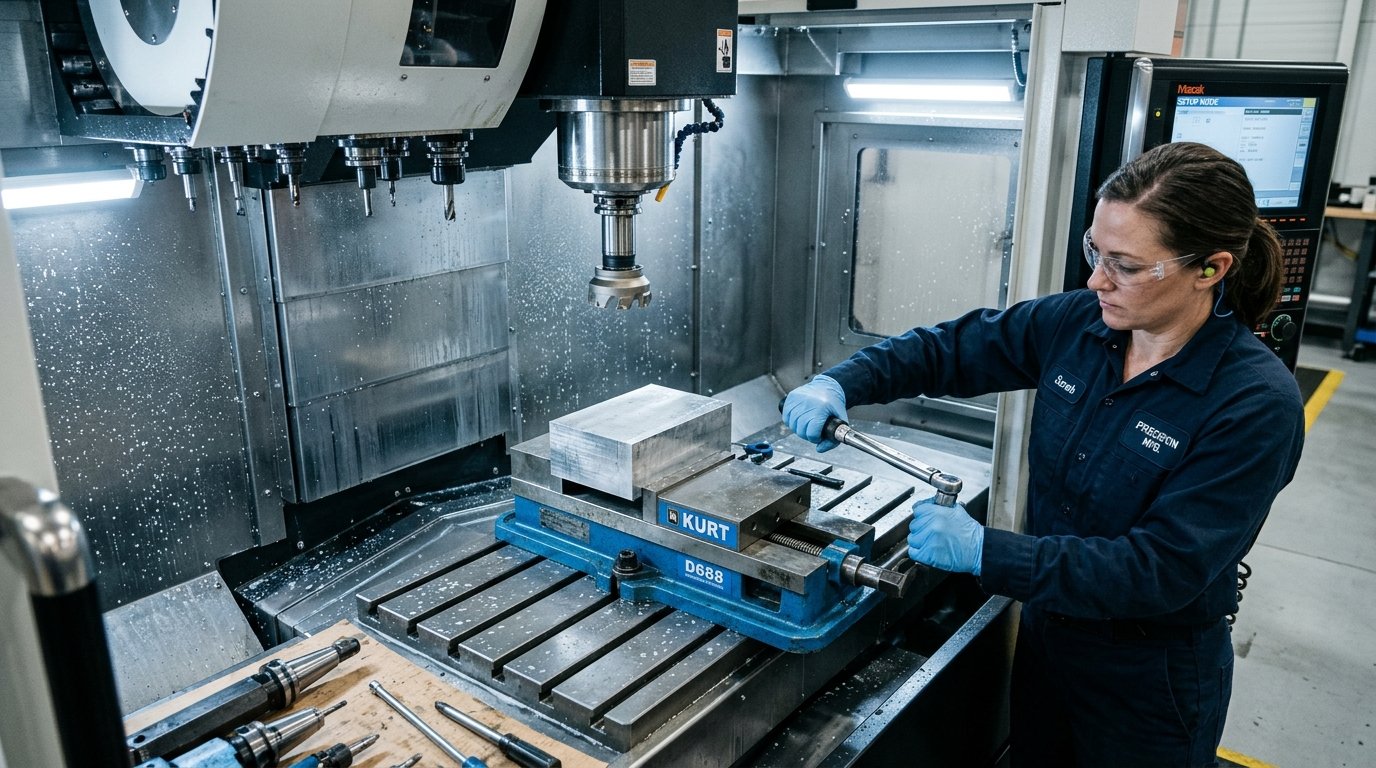
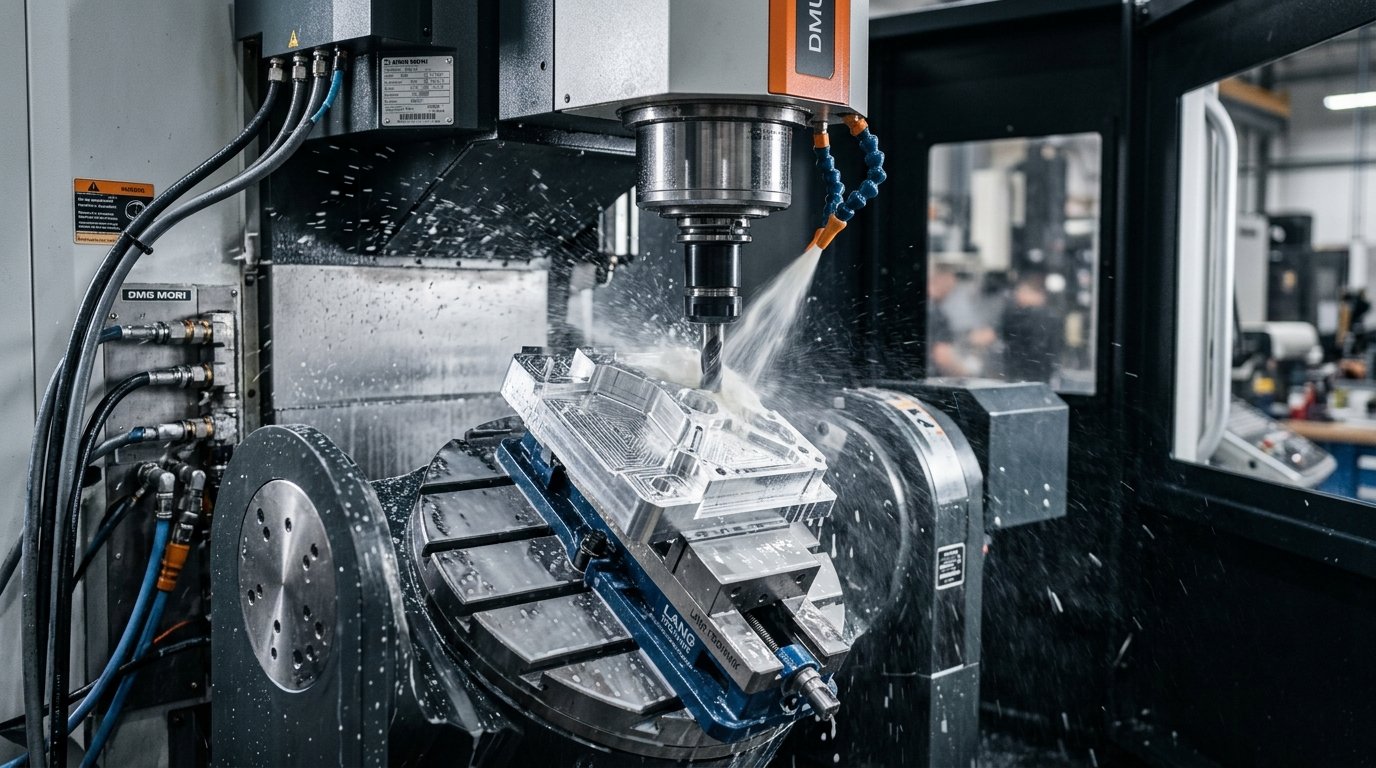
CNC machining is a good fit because it cuts the part straight from solid aluminum, with no mold, no tooling, and no minimum quantity on our site (Elite Mold Tech, 2026). You can change the design between rounds by editing the file. That makes it the fastest route to a functional metal part.
- Real material. You test the same alloy you will ship, such as 6061 or 7075.
- Tight fits. Machined parts hold size, so you can check assembly and function.
- Easy changes. A new revision is a new file, not a new tool.
- Finish options. You can anodize or coat the part to judge look and feel.
Our 프로토타이핑 service covers CNC machining, 3D printing, and urethane casting, so you can compare methods on one project. For aluminum, start with our aluminum CNC machining page.
How does the aluminum prototype process work?
The process takes six steps, from a first proposal to a shipped part with photos for approval (Elite Mold Tech, 2026). Each step has a clear output, so you know where your order stands.
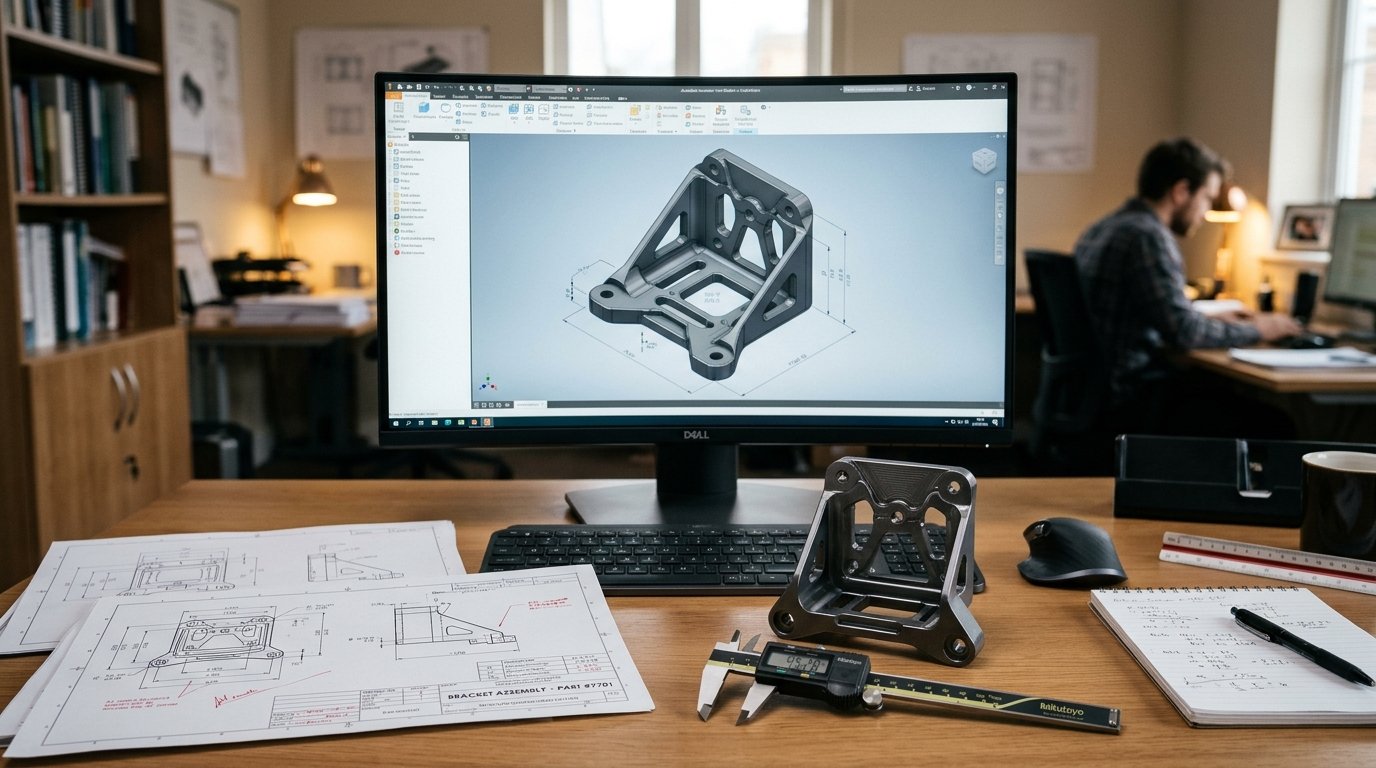
- Send your files. We accept STEP, IGES, SolidWorks, Parasolid, SAT, and STL files, plus a 2D drawing.
- Get a quote with DFM feedback. We guarantee a response within 12 hours.
- Confirm material, finish, and timeline. Choose the alloy and any anodizing or coating.
- Review manufacturability. Our engineers flag walls, corners, or tolerances that add cost.
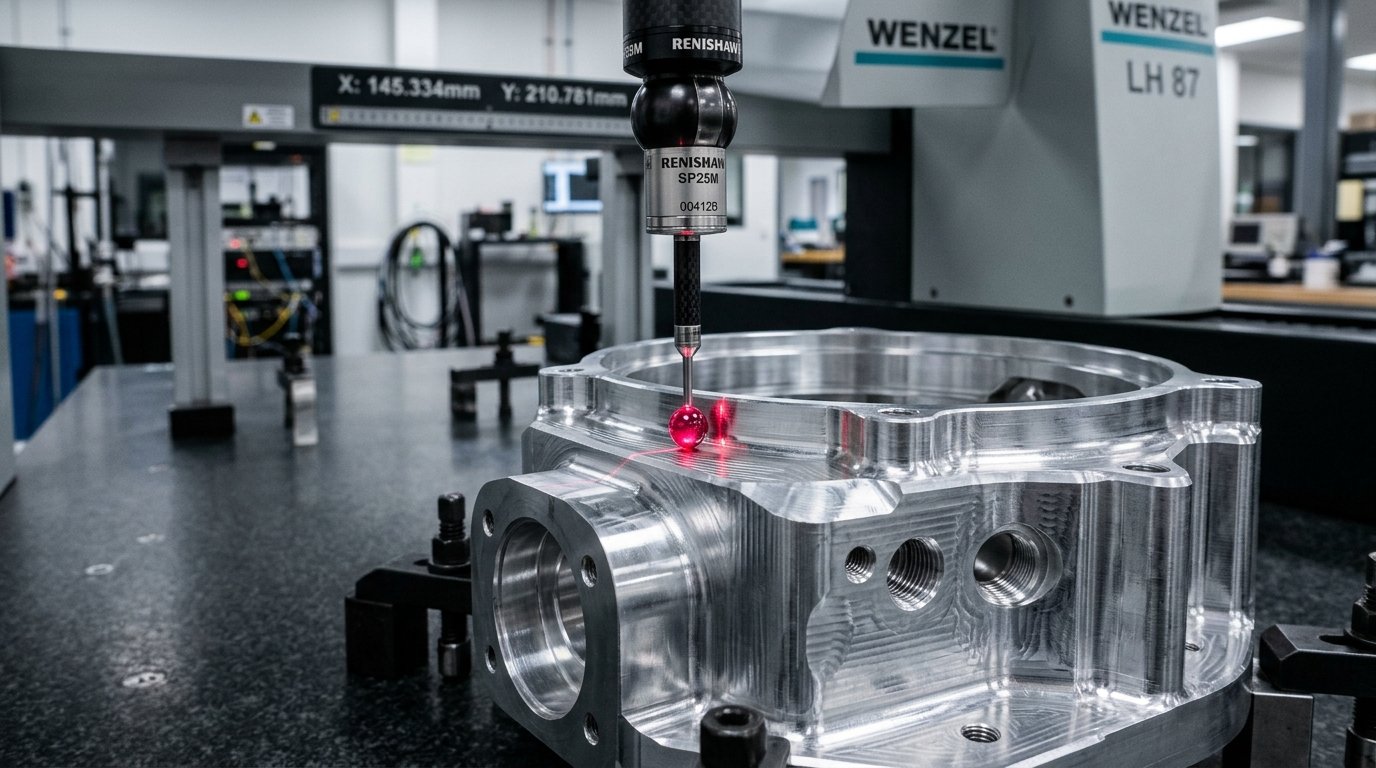
- Machine and inspect. Parts are checked against your specification before shipment.
- Approve and ship. We send clear photos for approval, pack securely, and give you a tracking number.
Send a complete package to avoid delays. Our guide to the aluminum CNC design guidelines shows what to check before you upload.
How fast can you get an aluminum prototype?
Most aluminum orders leave us in under 10 days, and simple prototypes move faster (Elite Mold Tech, 2026). Our prototyping page says CNC and 3D printing prototypes can take as little as 1 to 3 days. Actual time depends on alloy availability, part complexity, and the finish you choose.
What changes lead time | Effect |
Alloy in stock | Common grades such as 6061 are quicker to source |
Part complexity | More features and setups add machine time |
완료 | Anodizing or coating adds steps after machining |
엄격한 허용 오차 | More inspection time |
배송 | Transit time is on top of build time |
Build time is not delivery time, and overseas freight adds days on top. Always ask for the delivered date, not only the build time. See our guide to China vs USA CNC machining for the full comparison.
What tolerance can an aluminum prototype hold?
Our standard tolerance on aluminum is ±0.125 mm (±0.005 in), and we can hold ±0.025 mm (±0.001 in) on critical features on request (Elite Mold Tech, 2026). The as-machined surface is Ra 3.2 μm (125 μin).
Do not over-specify a prototype. Tight limits on every dimension add cost and time with no benefit. Mark only the fits that matter, such as bearing bores and mating faces. Our guide to aluminum CNC machining tolerances explains which limits are worth paying for.
Which aluminum alloy should you use for a prototype?
Use 6061 unless the part needs more strength or a special property. 6061 is the default for general parts, and 7075 is for high-load parts. Our prototyping page lists aluminum 2024, 5052, 6061, 6063, 7050, and 7075 for CNC work.
- 6061: best all-round choice for brackets, housings, and frames.
- 7075: strongest option, for fittings and high-load parts.
- 5052: good when the part will be formed or bent.
- 6063: suits extruded shapes and clean looks.
Read our guides to 6061 aluminum CNC machining 그리고 7075 aluminum CNC machining before you pick. Match the prototype alloy to the production alloy, or your test data will not transfer.
How does cost change from one prototype to a batch?
Unit price falls as quantity rises, because setup and programming are shared across the batch. Setup work is the same whether you make 5 parts or 500, so on a single part it carries the whole cost (LKprototype, 2026). The numbers below are an illustration, not a quote.
수량 | Setup share per part (example: $600 setup) |
1 | $600.00 |
10 | $60.00 |
100 | $6.00 |
1,000 | $0.60 |
Illustrative arithmetic only. We use $600 to show the shape of the curve. It is not an Elite Mold Tech price. Machine time and material are extra and do not shrink the same way.
Three more things lower the unit price in a batch: less start-up scrap, better material pricing, and lighter inspection by sampling. Our guide to aluminum CNC machining cost breaks down the rest.
When should you switch from prototype to production?
Switch when the design is stable and you need repeat parts. If the next revision will change the geometry, stay in prototype mode. If the last two builds passed testing, move to a small batch. There is no fixed quantity, because the right point depends on the part.
- Freeze the design. Two clean test rounds with no geometry change is a good signal.
- Lock the alloy and finish. Production should match the tested prototype.
- Fix the tolerances. Relax any limit that did not matter in testing.
- Order a small batch first. Ten to fifty parts proves the process before a large run.
- Decide on process. At high volume, die casting or molding can beat machining, so compare options.
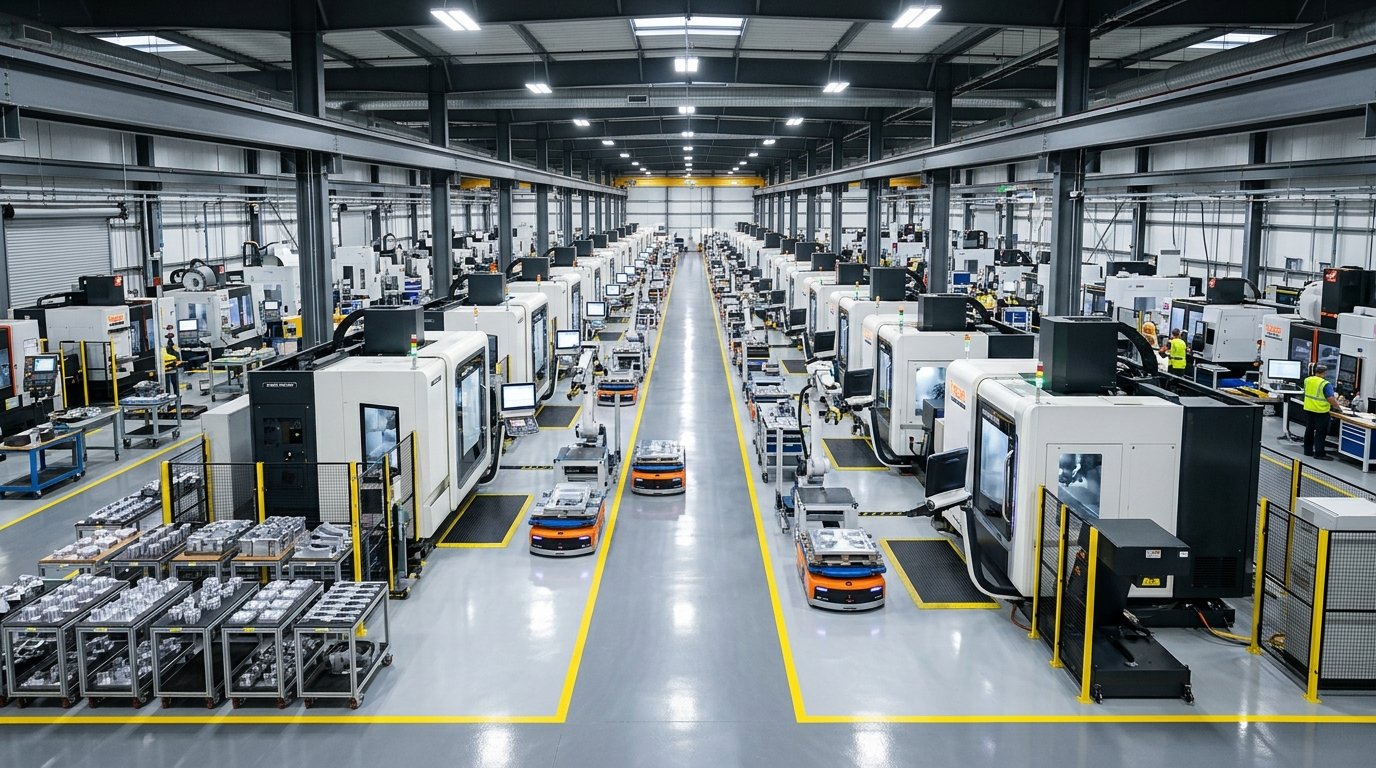
We handle both low-volume and high-volume runs, and we do not state a minimum order quantity on our site (Elite Mold Tech, 2026). Production orders include a production part approval process, coordinate measuring machine inspection, and material certification, as listed on our production page.
What mistakes slow down aluminum prototypes?
Most delays come from the file, not the machine. These mistakes are easy to avoid.
- Sending only a 3D file with no drawing, so tolerances are unclear.
- Choosing a different alloy for the prototype than for production.
- Applying tight tolerances to every dimension.
- Forgetting that anodizing adds thickness to holes and threads.
- Changing the design after the quote is approved.
A short review at quote catches most of these. We flag them in the DFM feedback.
Get your aluminum prototype quoted
Send your 3D file and 2D drawing, and tell us the alloy, quantity, and finish. Our engineers will check the design, flag cost drivers, and quote the part. We guarantee a response within 12 hours.
시작할 준비가 되셨나요? 견적 요청하기 or visit the Elite Mold Tech home page to see our other services.
자주 묻는 질문
Q: How long does aluminum prototype CNC machining take?
A: Most aluminum orders ship in under 10 days, and simple prototypes move faster. Alloy availability, part complexity, and finish all affect the date. Ask for the delivered date, including shipping.
Q: What is the minimum order for a prototype?
A: Our site states no minimum order quantity. You can order a single part. Unit price is highest at quantity one, because setup is not shared with other parts.
Q: Which aluminum is best for a prototype?
A: 6061 for most parts. Use 7075 for high-load parts and 5052 for formed parts. Match the prototype alloy to your production alloy so test results carry over.
Q: Can you hold tight tolerances on a prototype?
A: Yes. Our standard is ±0.125 mm (±0.005 in), and we can hold ±0.025 mm (±0.001 in) on critical features on request. Mark only the dimensions that need it.
Q: Do you give design feedback with the quote?
A: Yes. Each quote comes with design for manufacturability feedback, so you can fix cost drivers before cutting. We guarantee a response within 12 hours.
Q: When should I move from prototype to production?
A: Move when the design is stable and you need repeat parts. Two clean test rounds with no geometry change is a good signal. Start with a small batch before a large run.
Sources
- Elite Mold Tech, Prototyping page (2026): elitemoldtech.com/prototyping
- Elite Mold Tech, For Production page (2026): elitemoldtech.com/for-production
- Elite Mold Tech, Aluminum CNC Machining capability tables (2026): elitemoldtech.com/aluminum-cnc-machining
- LKprototype, Why CNC Machining Costs Change Between Small and Large Orders (2026): breakingac.com