What are aluminum alloy elements, how do they affect aluminum properties, and which elements are most important for strength, corrosion resistance, casting, and manufacturing?
Aluminum alloy elements are added to pure aluminum to change its mechanical, thermal, chemical, and manufacturing properties. Elements such as copper, silicon, magnesium, manganese, zinc, iron, titanium, chromium, and strontium can significantly influence strength, hardness, ductility, corrosion resistance, weldability, grain structure, and castability. The right combination depends on the intended application and manufacturing process. For example, silicon can improve castability, magnesium can increase strength and corrosion resistance, copper can provide significant strengthening, while titanium and boron can help refine the grain structure. Understanding these effects allows engineers and manufacturers to select an aluminum alloy that matches the actual performance requirements of a component.
Why Are Alloying Elements Added to Aluminum?
Pure aluminum has several useful properties, including low density, good corrosion resistance, thermal conductivity, electrical conductivity, and ease of forming. However, pure aluminum does not provide the mechanical performance required for many demanding engineering applications.
This is why aluminum is combined with controlled quantities of other elements. The resulting alloys can be designed for different manufacturing processes and performance requirements.
The effect of an alloying element is not always independent. Elements can interact with each other and form new phases or compounds that change the behavior of the material. Heat treatment, casting conditions, cooling rates, and subsequent manufacturing operations can further influence the final properties.
According to Elite Mold Tech’s technical material, aluminum alloy designations and compositions are closely connected to manufacturing applications, with cast alloys using a different designation system from wrought alloys.
How Do Aluminum Alloy Elements Affect Material Properties?
The main purpose of alloying is to modify aluminum so that it performs better for a particular application. Some elements primarily increase strength, while others improve casting behavior, corrosion resistance, weldability, or grain structure.
Copper, for example, can provide strong strengthening through solid-solution and precipitation mechanisms. Silicon is particularly valuable in casting alloys because it improves fluidity and casting characteristics. Magnesium can increase strength while maintaining useful corrosion resistance. Zinc, especially when combined with magnesium, can produce very high-strength aluminum alloys.
Manganese can improve strength and help control recrystallization. Titanium and boron are often used in grain refinement. Chromium can influence grain structure and reduce susceptibility to stress corrosion cracking in certain alloy systems.
The important point is that more alloying does not automatically mean better performance. An alloy must be balanced according to the application.
Aluminum Alloy Elements and Their Primary Effects
| Alloying Element | Main Effect on Aluminum | Typical Manufacturing Benefit |
| 구리 | Increases strength and hardness | Useful for high-strength components |
| 실리콘 | Improves fluidity and castability | Suitable for complex cast parts |
| 마그네슘 | Increases strength and corrosion resistance | Useful for structural and marine applications |
| Manganese | Improves strength and grain stability | Supports corrosion resistance and formability |
| 아연 | Provides strong strengthening when combined with Mg | Used in high-strength alloys |
| Iron | Influences strength and casting behavior | Common in cast aluminum alloys |
| 티타늄 | Refines grain structure | Improves casting and weld structure |
| 붕소 | Supports grain refinement with titanium | Improves material structure |
| Chromium | Helps control recrystallization and corrosion behavior | Useful in selected wrought alloys |
| Strontium | Modifies silicon phases in casting alloys | Improves ductility and casting quality |
Copper in Aluminum Alloys
Copper is one of the most important strengthening elements used in aluminum alloys. When copper is added to aluminum, it can increase strength through solid-solution strengthening and precipitation hardening.
During aging, copper can participate in the formation of copper-rich phases such as CuAl₂. These precipitates restrict dislocation movement and can significantly improve hardness and strength.
This makes aluminum-copper alloys useful when mechanical strength is more important than maximum corrosion resistance or weldability.
However, increasing copper content can also affect corrosion behavior and fabrication characteristics. Therefore, copper should be selected according to the complete application rather than strength alone.
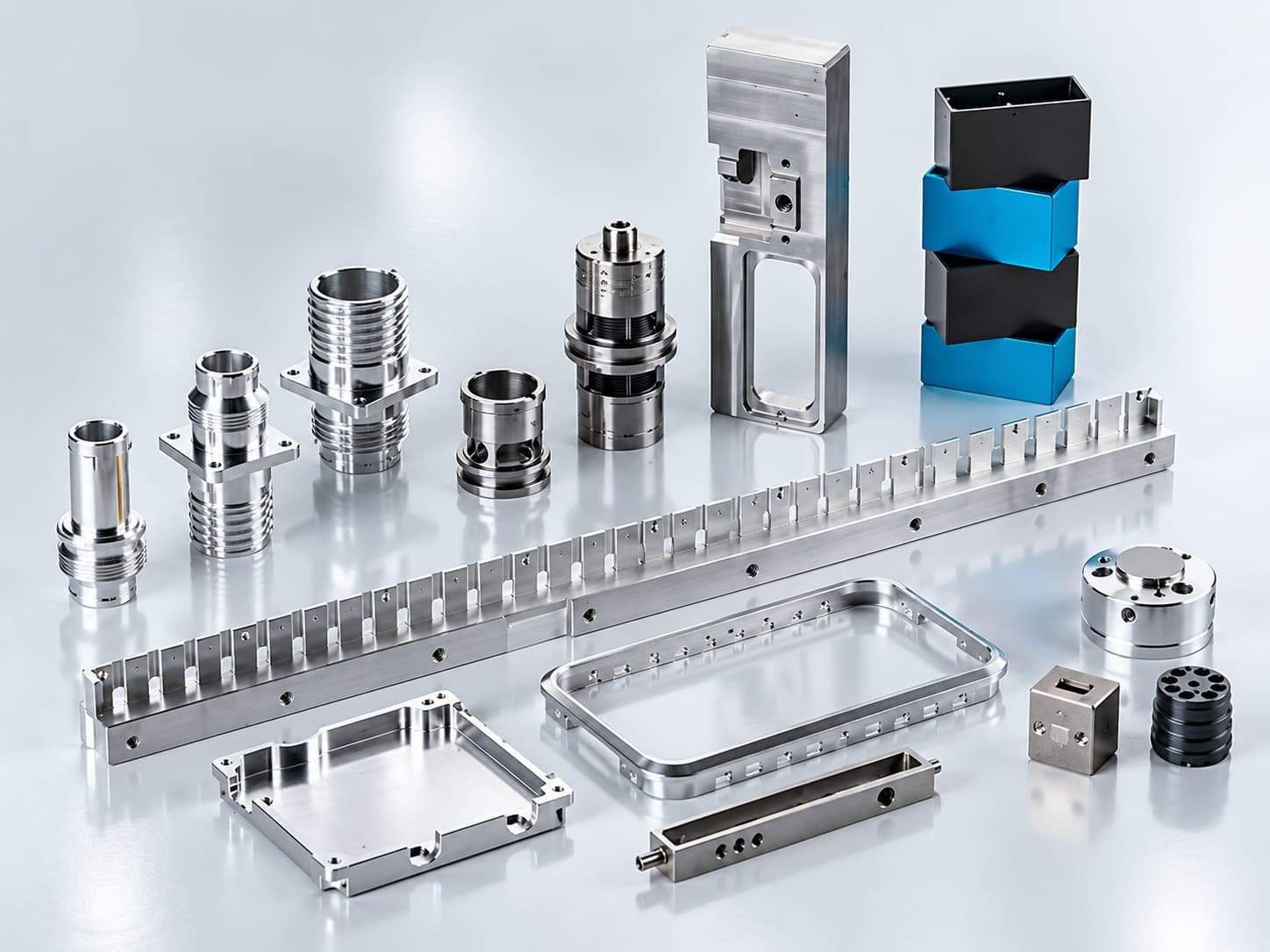
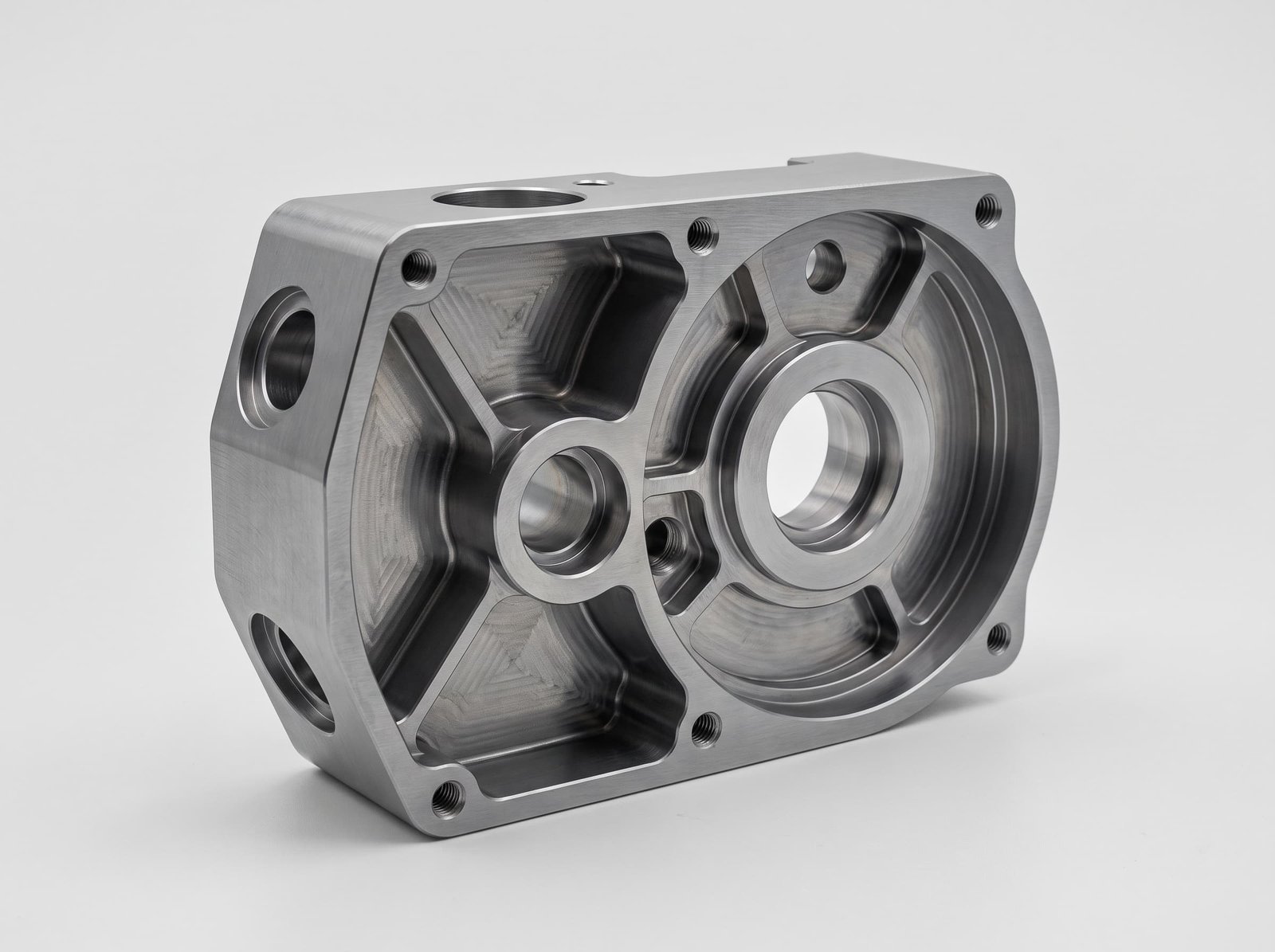
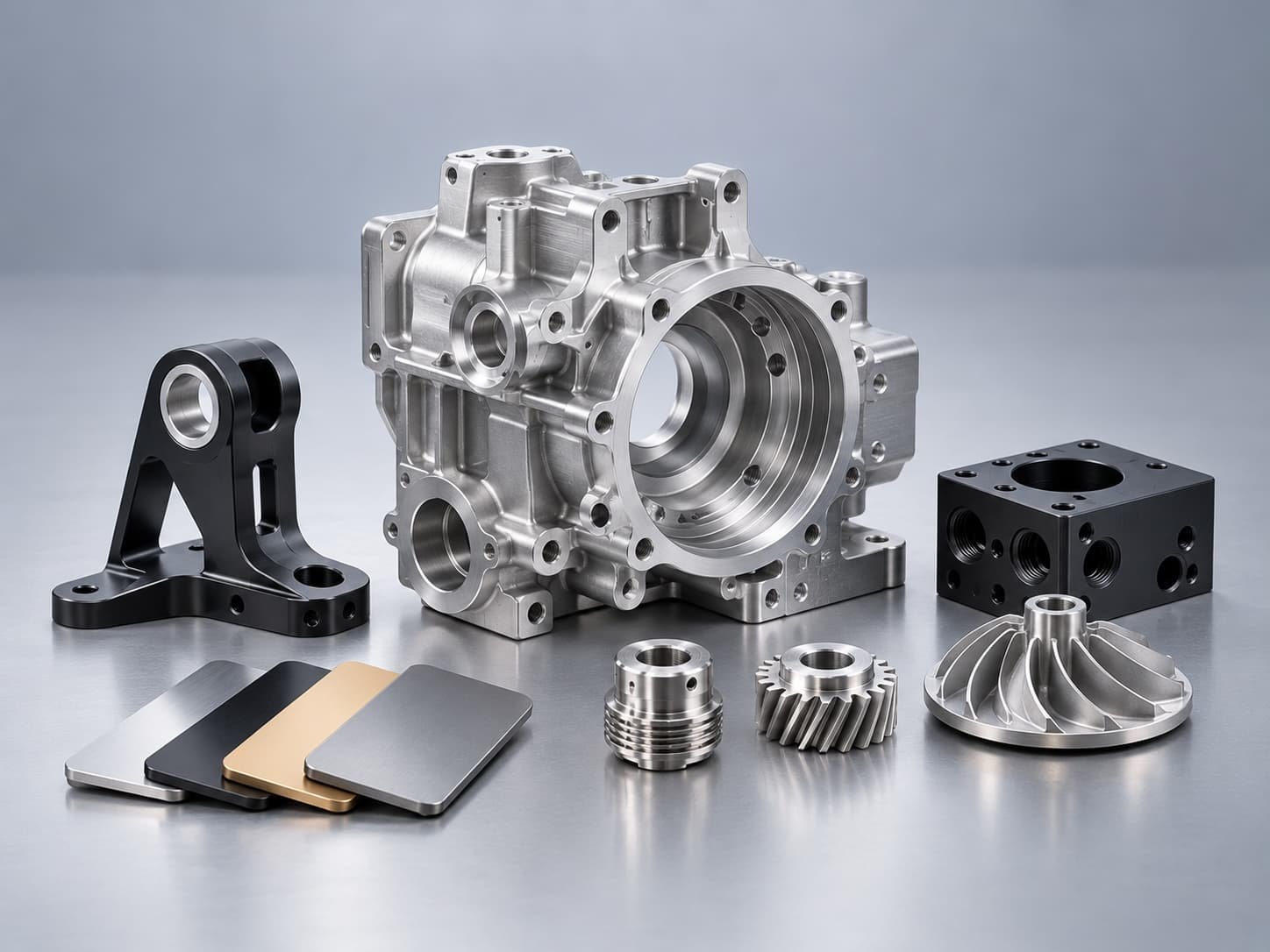
For precision components that require machining after material selection, manufacturers can also combine aluminum alloy selection with CNC 가공 서비스 to achieve the required dimensional accuracy.
Silicon in Aluminum Alloys
Silicon is particularly important in aluminum casting alloys. It improves fluidity, allowing molten aluminum to fill complex mold cavities more effectively.
This property makes aluminum-silicon alloys highly useful for die casting and other casting processes. Silicon can also improve wear behavior and reduce the tendency of some alloys to crack during solidification.
Aluminum-silicon alloys generally offer good casting characteristics and corrosion resistance. This is one reason aluminum casting alloys are widely used for housings, brackets, automotive components, industrial parts, and other geometrically complex components.
Elite Mold Tech identifies aluminum-silicon alloys as having strong casting characteristics and lists A360.0, A380.0, A383.0/ADC12, and A413.0 among its aluminum die casting materials.
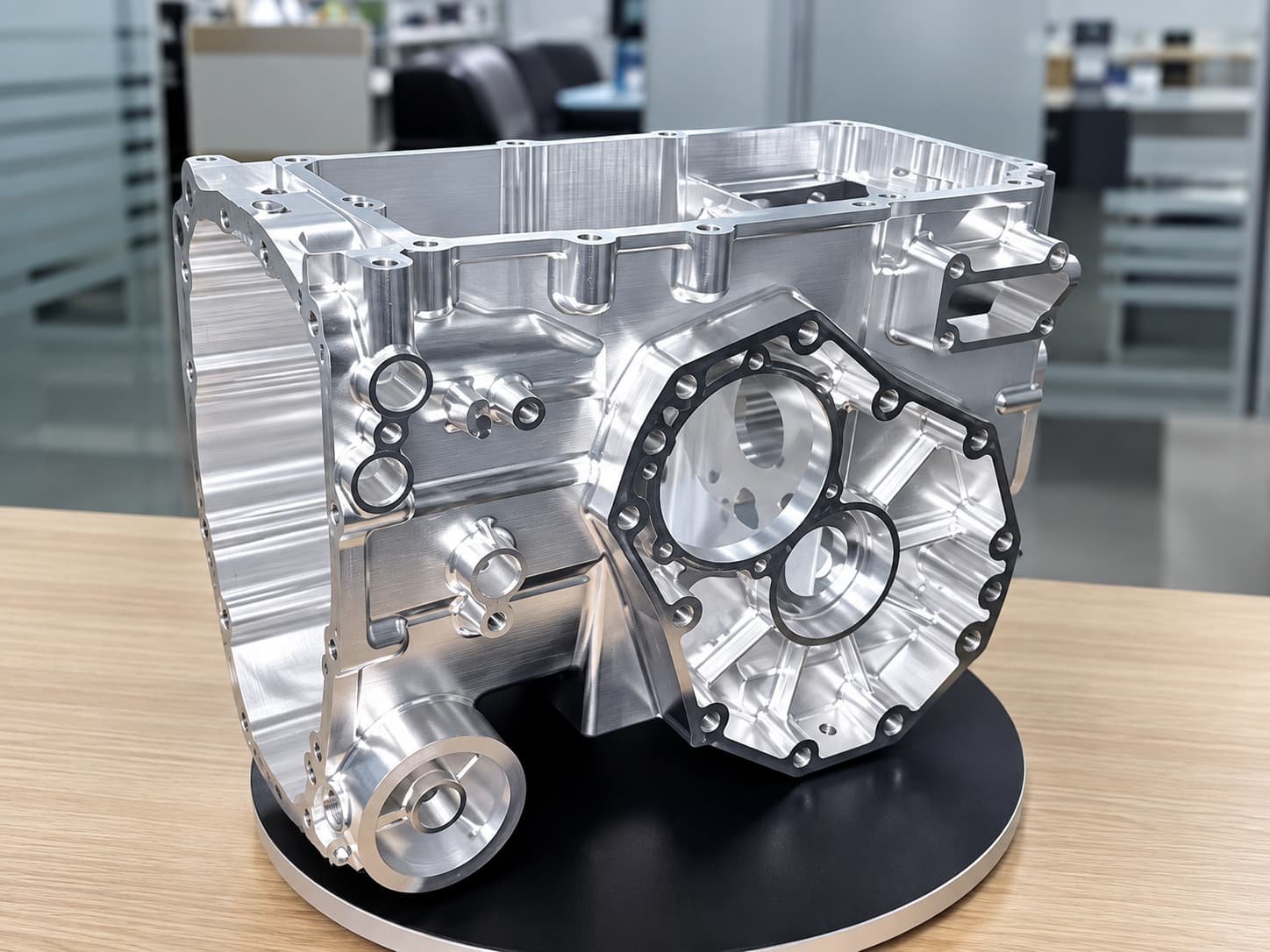
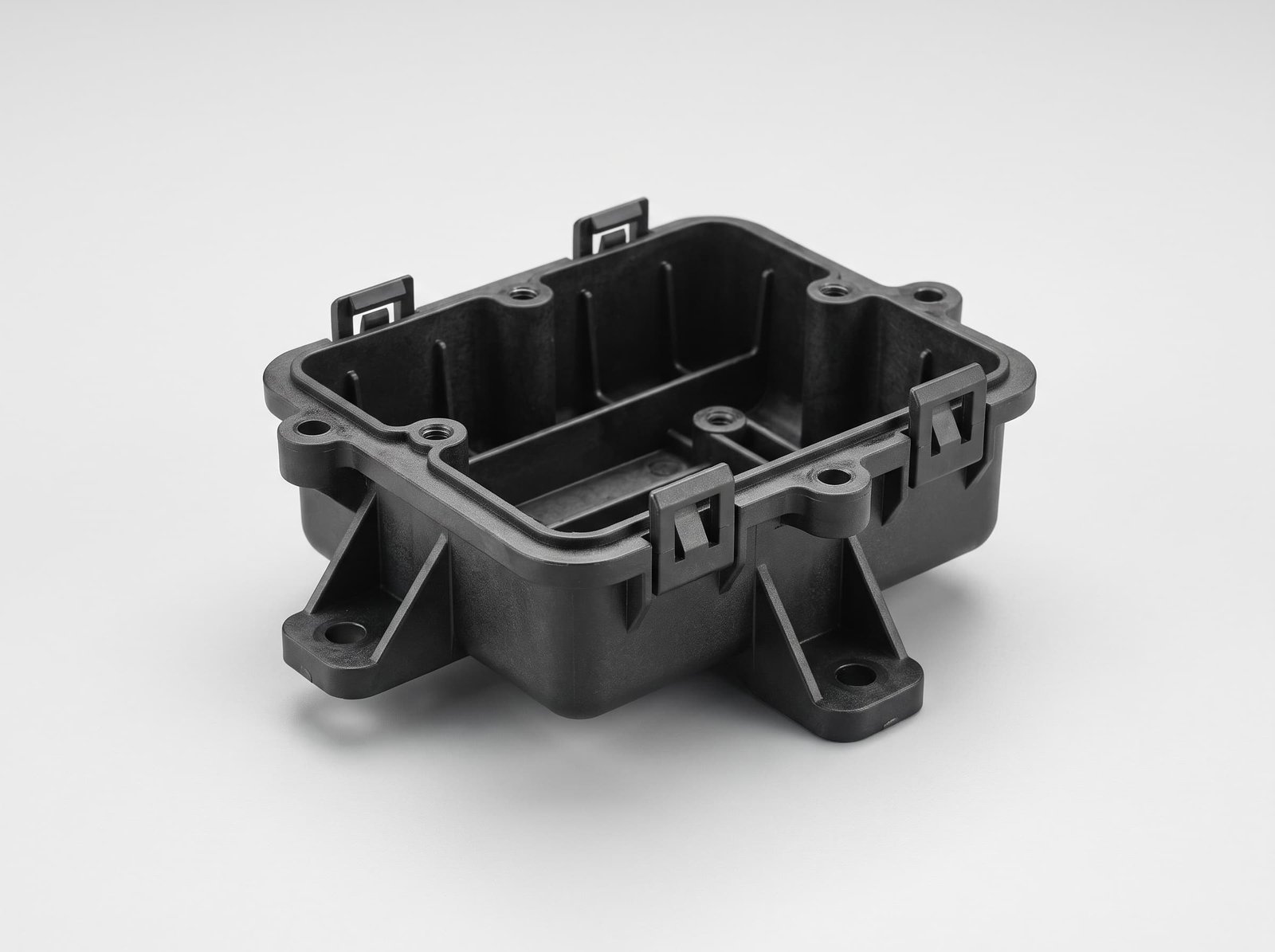
For projects requiring complex aluminum components in production quantities, 다이캐스팅 서비스 can take advantage of the casting properties provided by appropriate aluminum-silicon alloys.
Magnesium in Aluminum Alloys
Magnesium is another major aluminum alloy element because it can provide a useful combination of strength, corrosion resistance, and low weight.
In aluminum-magnesium alloys, magnesium strengthens the aluminum matrix. The amount of magnesium must be controlled because alloy composition affects strength, weldability, corrosion resistance, and manufacturing behavior.
Magnesium is particularly valuable in applications where a strong but relatively lightweight component is required. Marine equipment, transportation components, structural parts, and fabricated assemblies can benefit from aluminum-magnesium alloys.
Elite Mold Tech’s published technical material notes that magnesium can significantly increase tensile strength and that manganese may be used alongside magnesium to support corrosion resistance and weldability.
Manganese in Aluminum Alloys
Manganese is commonly used in aluminum alloys to improve strength and control the material’s microstructure.
One important function of manganese is its influence on recrystallization. Manganese-containing compounds can restrict grain growth and help refine the structure formed during processing.
Manganese can also help reduce some harmful effects associated with iron-containing phases. This makes it useful in several commercial aluminum alloy systems.
Unlike some aluminum alloys that rely heavily on heat treatment for strengthening, many aluminum-manganese alloys are strengthened primarily through their composition and processing rather than conventional precipitation hardening.
Zinc in Aluminum Alloys
Zinc becomes especially important when combined with magnesium. Aluminum-zinc-magnesium alloys can achieve high strength because of the formation of strengthening phases.
Adding copper to an aluminum-zinc-magnesium system can provide additional strengthening, which is why some Al-Zn-Mg-Cu alloys are used where very high mechanical performance is required.
However, high-strength aluminum alloys need careful control of composition and processing because strength, corrosion resistance, stress corrosion cracking, and manufacturability can interact.
Elite Mold Tech notes that aluminum-zinc-magnesium-copper systems can provide some of the strongest aluminum alloy combinations and are used in demanding industries such as aerospace and power applications.
Iron and Silicon as Trace or Secondary Elements
Iron is common in aluminum alloys, particularly casting alloys. Its influence depends on the alloy system and concentration.
In cast aluminum, excessive iron can contribute to brittle intermetallic phases. The relationship between iron and silicon is therefore important because their proportions can influence the microstructure and mechanical behavior of the finished casting.
Controlling these elements is particularly important when designing cast components where ductility, strength, and resistance to cracking are required.
For manufacturers, this means material specifications should not focus only on the primary alloying elements. Trace elements and impurities can also influence production results.
Titanium and Boron for Grain Refinement
Titanium and boron are frequently used as grain-refining additions in aluminum alloys.
During solidification, titanium-containing compounds can provide nucleation sites that encourage the formation of smaller and more uniform grains. Boron can enhance this grain-refining effect when used with titanium.
Grain refinement can improve the consistency of cast and welded structures and may contribute to better mechanical performance and reduced susceptibility to certain defects.
Elite Mold Tech explains that titanium is commonly introduced through Al-Ti or Al-Ti-B master alloys and that titanium-related compounds can act as nucleation sites during crystallization.
Chromium in Aluminum Alloys
Chromium is used in selected aluminum alloy systems to influence microstructure and improve certain performance characteristics.
It can form intermetallic compounds that affect recrystallization and grain growth. Chromium can also help reduce susceptibility to stress corrosion cracking in some aluminum-magnesium-based alloys.
However, chromium content must be carefully controlled. Too much can affect processing behavior and other properties, so it is normally used as part of a carefully designed alloy composition.
Strontium in Aluminum-Silicon Casting Alloys
Strontium has a specialized role in aluminum-silicon casting alloys. It modifies the silicon-rich phases formed during solidification.
This modification can improve the microstructure and ductility of the finished casting. Strontium has become widely used as a modifier because of its effectiveness and relatively long-lasting influence during processing.
Elite Mold Tech notes that small additions of strontium can modify silicon-containing phases and improve the quality and plasticity of aluminum alloy products.
This is especially relevant for manufacturers producing aluminum castings where mechanical performance and casting quality must be balanced.
Aluminum Alloy Elements: Wrought vs. Cast Applications
Not every alloying element has the same importance in every aluminum manufacturing process. The ideal composition depends partly on whether the material will be cast, rolled, extruded, forged, or machined.
Wrought aluminum alloys are generally identified using a four-digit system, while cast aluminum alloys use a three-digit system followed by a decimal designation. The alloy family provides information about the primary alloying element and helps engineers understand the material’s general characteristics.
Common Aluminum Alloy Families
| Alloy Series | Main Alloying Element | General Characteristics | 공통 애플리케이션 |
| 1000 Series | 알루미늄 | High purity, excellent conductivity and corrosion resistance | Electrical and thermal applications |
| 2000 Series | 구리 | High strength and good machinability | Aerospace and structural components |
| 3000 Series | Manganese | Moderate strength and good corrosion resistance | General fabrication and equipment |
| 4000 Series | 실리콘 | Lower melting point and good wear characteristics | Welding and specialized applications |
| 5000 Series | 마그네슘 | Good corrosion resistance and weldability | Marine and structural components |
| 6000 Series | Magnesium + Silicon | Balanced strength, formability, and corrosion resistance | Structural and machined components |
| 7000 Series | 아연 | Very high strength | Aerospace and high-performance applications |
The alloy family is only the starting point. Exact composition, temper, processing history, and manufacturing method can significantly change final performance.
For example, two aluminum alloys may contain similar primary elements but behave differently because of differences in heat treatment or temper condition. Engineers should therefore specify the complete material designation rather than simply requesting “aluminum.”
How Alloying Elements Affect Aluminum Manufacturing
Alloying elements influence more than the final mechanical properties of aluminum. They can also change how easily the material can be cast, machined, welded, formed, heat treated, and finished.
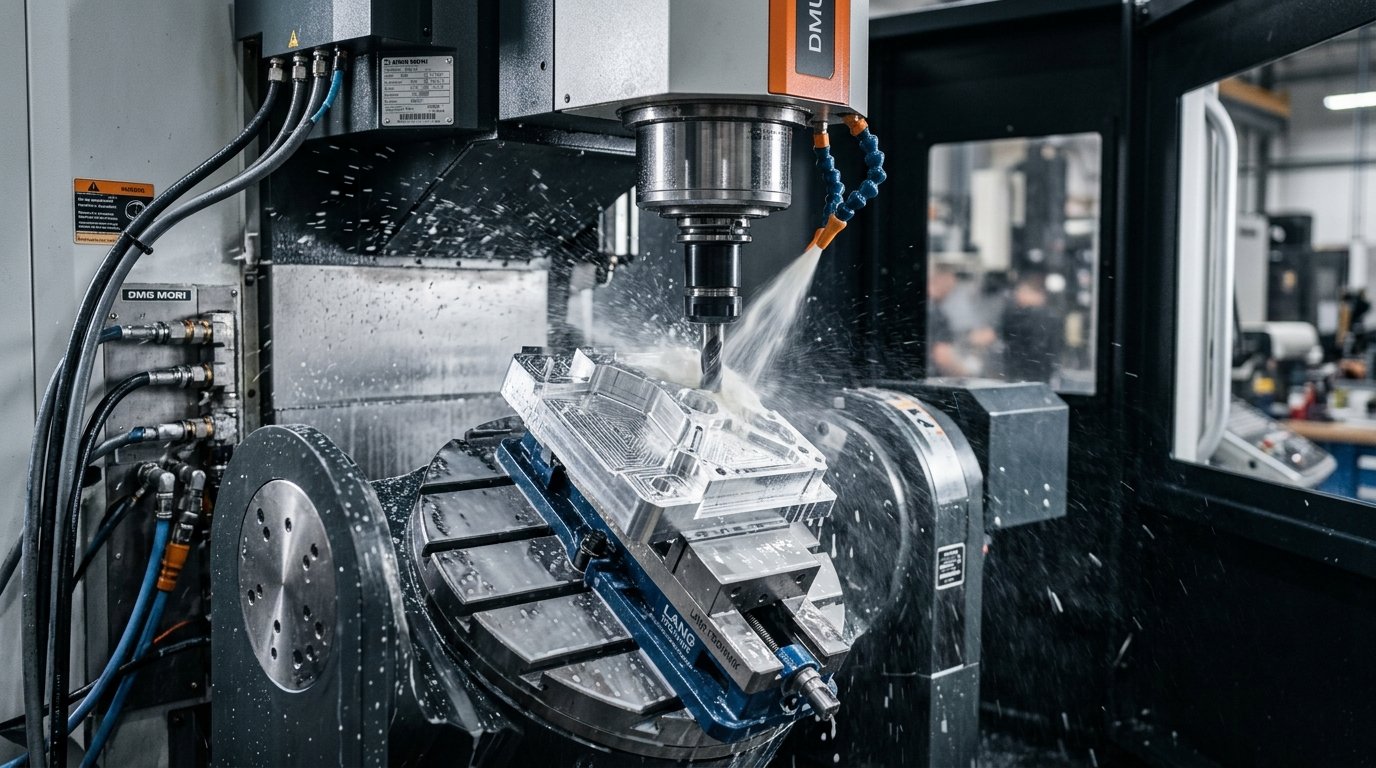
In die casting, silicon content is particularly important because it influences molten metal flow and solidification. In CNC machining, alloy hardness and chip behavior affect cutting performance and tool wear.
In welding, magnesium, silicon, copper, and other elements can influence weldability and the behavior of the heat-affected zone.
Surface finishing can also depend on alloy composition. Anodizing, polishing, plating, and coating may produce different results depending on the alloy and its microstructure.
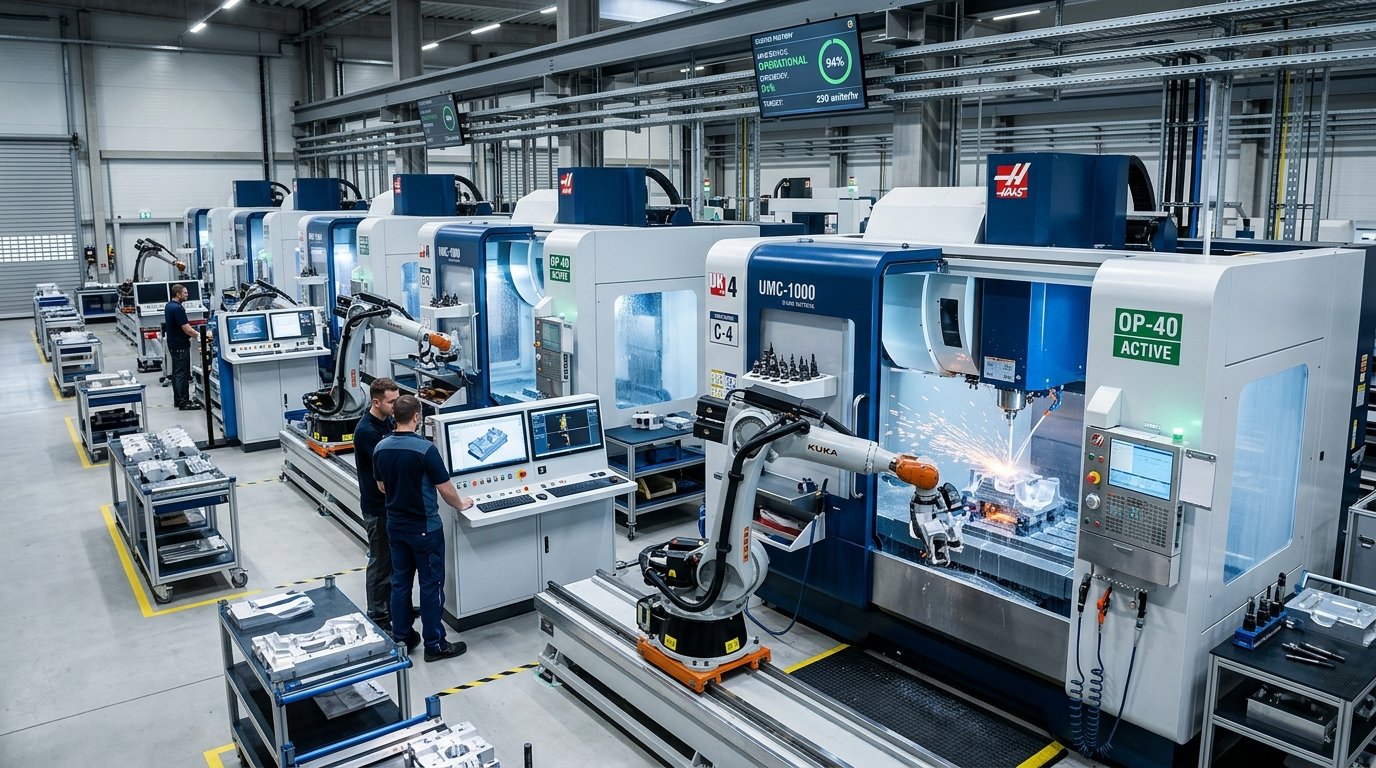
This is why material selection should happen early in the design process. Changing an alloy after tooling or production has started can affect process parameters, tooling, finishing, inspection, and product performance.
How to Select the Right Aluminum Alloy
Selecting an aluminum alloy should begin with the application’s actual requirements. Engineers should identify the required strength, weight, corrosion resistance, operating temperature, conductivity, weldability, machinability, surface finish, and production process.
Production volume also matters. A material that works well for CNC machining may not necessarily be the best choice for high-volume die casting.
The component’s environment should also be considered. Marine and outdoor applications may prioritize corrosion resistance, while aerospace or structural components may prioritize strength-to-weight performance.
For cast components, fluidity and solidification behavior become especially important. For machined components, machinability and dimensional stability may have greater importance.
A proper material selection process balances performance, manufacturability, availability, and cost rather than optimizing only one property.
Aluminum Alloy Elements and Die Casting
Aluminum alloy elements are particularly important in die casting because the material must flow into the mold cavity, solidify correctly, and produce a component with the required mechanical and dimensional characteristics.
Silicon is commonly used because of its strong casting characteristics. Aluminum-silicon alloys can fill complex cavities effectively and are widely used for production components.
Copper and magnesium can be added when greater strength is required, while other elements can help control microstructure and casting quality.
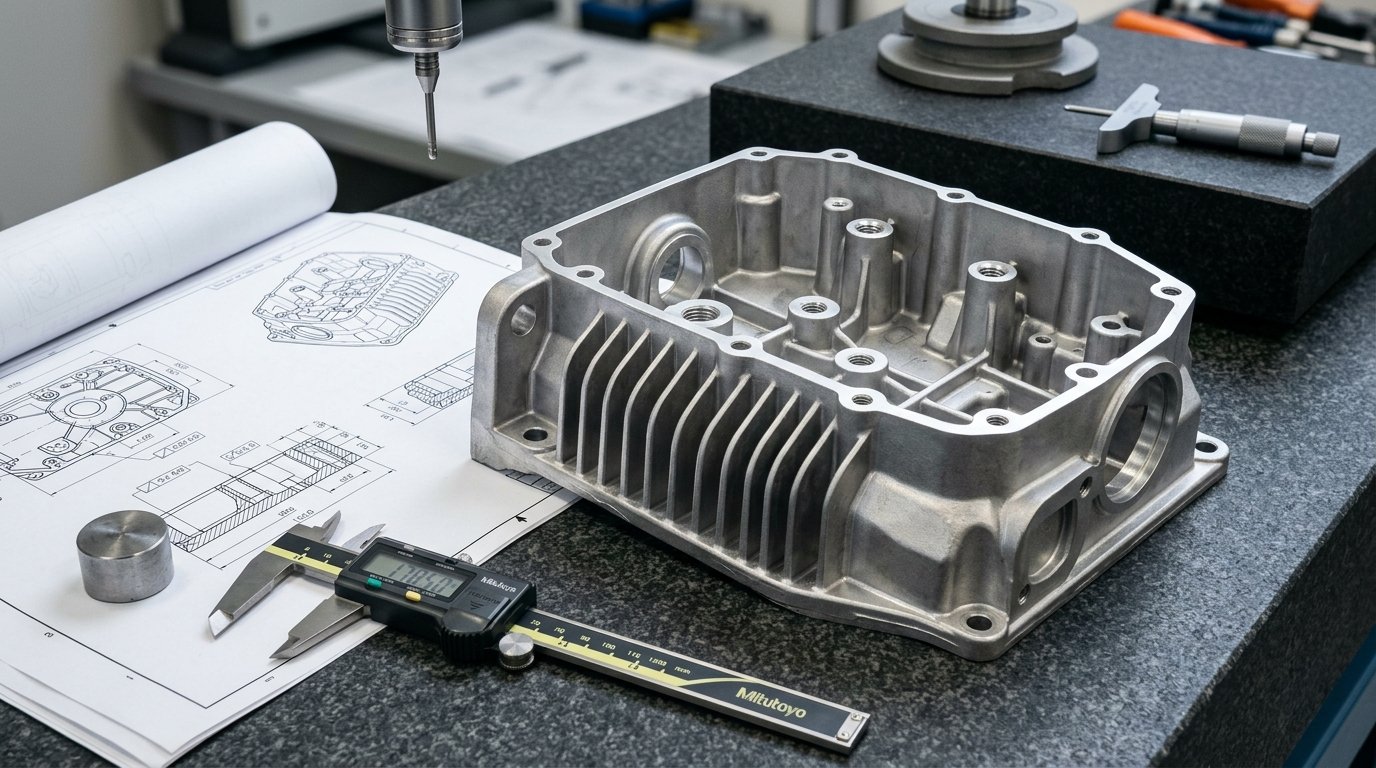
Elite Mold Tech lists A360.0, A380.0, A383.0/ADC12, and A413.0 as aluminum die casting materials. Its die casting information also indicates that tolerances depend on part size and material, with general and precision tolerance options available according to design requirements.
This makes alloy selection an important part of die casting design rather than a decision that should be made after the mold has already been designed.
결론
Aluminum alloy elements have a direct impact on how aluminum behaves during manufacturing and how the finished component performs in service. Copper can provide significant strengthening, silicon supports castability, magnesium improves strength and corrosion resistance, manganese influences microstructure, zinc supports high-strength alloy systems, and titanium, boron, chromium, and strontium provide more specialized benefits.
The best aluminum alloy is not simply the strongest option. It is the alloy whose composition and processing characteristics match the component’s application, manufacturing method, production volume, and performance requirements.
For engineers and manufacturers, understanding the role of individual alloying elements makes material selection more informed and reduces the risk of choosing a material that performs well in one area but creates problems elsewhere. When aluminum components require precision production, material selection can then be combined with professional 다이캐스팅 서비스 또는 CNC 가공 서비스 to achieve the required geometry, tolerance, finish, and production consistency.
For further reading, Elite Mold Tech’s guide on 알루미늄 합금 및 성질을 읽는 방법 provides additional information about aluminum alloy designation systems and material classification. Its Die Casting category also includes related resources on aluminum and zinc die casting.
자주 묻는 질문
What are the main aluminum alloy elements?
The main alloying elements include silicon, magnesium, copper, zinc, manganese, iron, chromium, nickel, and titanium. Each affects aluminum’s properties differently.
Which element increases the strength of aluminum the most?
Copper, magnesium, and zinc can substantially increase aluminum strength, depending on the alloy system and heat treatment. Zinc combined with magnesium is particularly important in high-strength 7xxx alloys.
Why is silicon added to aluminum?
Silicon improves fluidity and castability and can reduce the melting temperature. It is especially important in many aluminum casting alloys.
Does magnesium make aluminum stronger?
Yes. Magnesium can increase aluminum’s strength while also contributing to corrosion resistance. It is an important element in several structural aluminum alloy families.
Which aluminum alloy is best for CNC machining?
There is no single best alloy for every part. 6061 is a common general-purpose choice, while 7075 may be selected when higher strength is required. The application and manufacturing requirements should determine the final grade.
Are aluminum alloy elements important for die casting?
Yes. Alloy composition strongly affects fluidity, solidification, shrinkage, strength, corrosion behavior, and overall casting quality. Silicon is particularly important in many aluminum die-casting alloys.
Can the same aluminum alloy be used for every application?
No. Different applications require different combinations of strength, corrosion resistance, machinability, formability, thermal performance, and cost. Alloy selection should always be based on the part’s requirements.
Does aluminum alloy composition affect machining cost?
Yes. Alloy hardness, chip formation, tool wear, cutting parameters, and achievable surface finish can influence machining time and tooling requirements. Material selection can therefore affect the total production cost.