Most buyers evaluating Chinese manufacturing compare the wrong number. They put a Chinese unit price next to a domestic unit price, see a large gap, and make a decision. Some then discover the gap narrowed considerably by the time parts reached their warehouse. Others conclude offshore sourcing does not work, having never calculated it properly in either direction.
The figure that matters is landed cost, meaning everything you pay from the moment you release a drawing to the moment a usable part sits on your shelf. This guide sets out every component of that figure, what drives each one, and where costs commonly appear that were not in the quote.
No specific prices appear here, because quoting a rate for a part nobody has seen would be worthless. What follows is the structure you need to build your own number.
The Components of Landed Cost
A complete landed cost calculation includes:
- Unit manufacturing price
- Tooling and fixturing, amortised
- Secondary operations and finishing
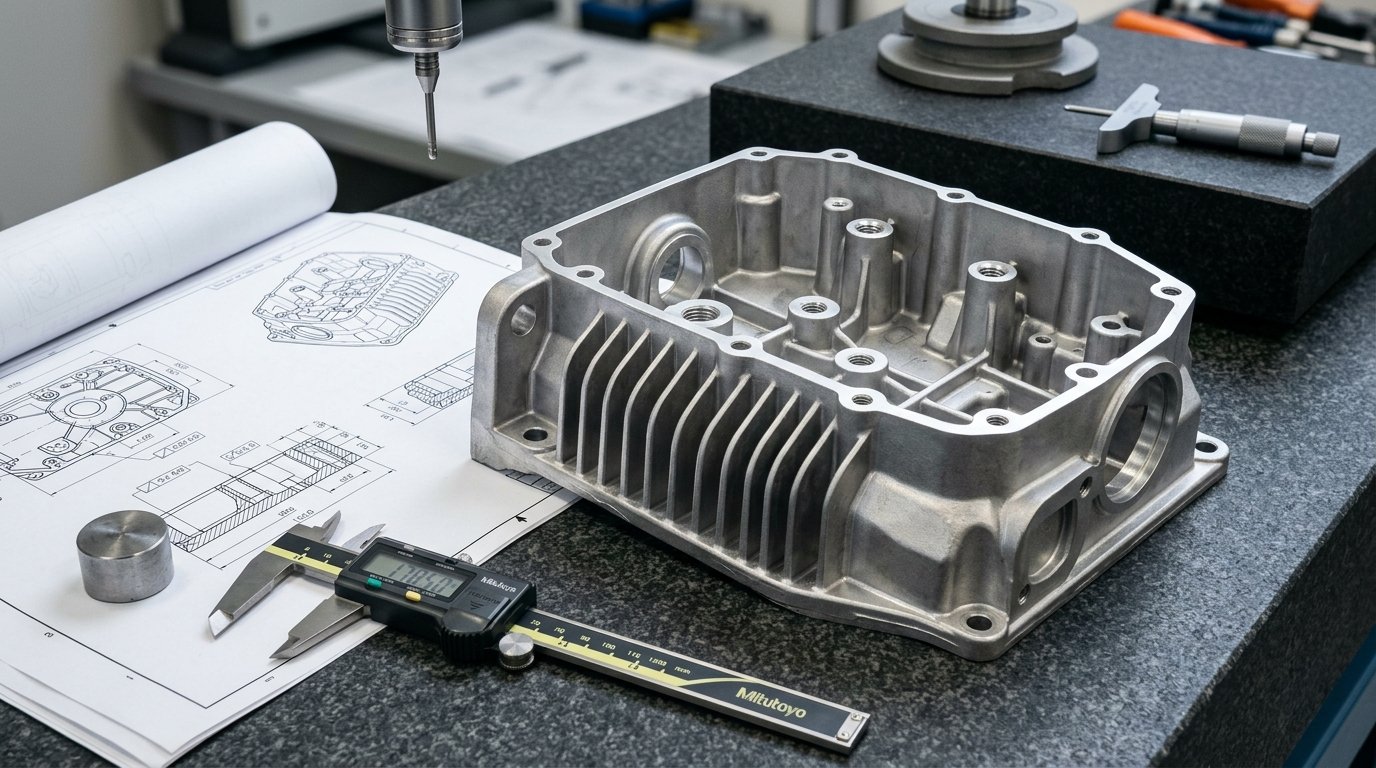
- Inspection and quality documentation
- 패키징
- Freight
- Insurance
- Duties and tariffs
- Customs brokerage and port charges
- Inland transport at destination
- 재고 유지 비용
- Quality failure and rework provision
- Coordination and management time
Most quote comparisons cover the first item. The rest is where decisions go wrong.
Unit Manufacturing Price and What Drives It
The quoted piece price reflects material, machine time, setup, labour and the supplier’s margin. Several design decisions move it more than most engineers expect.
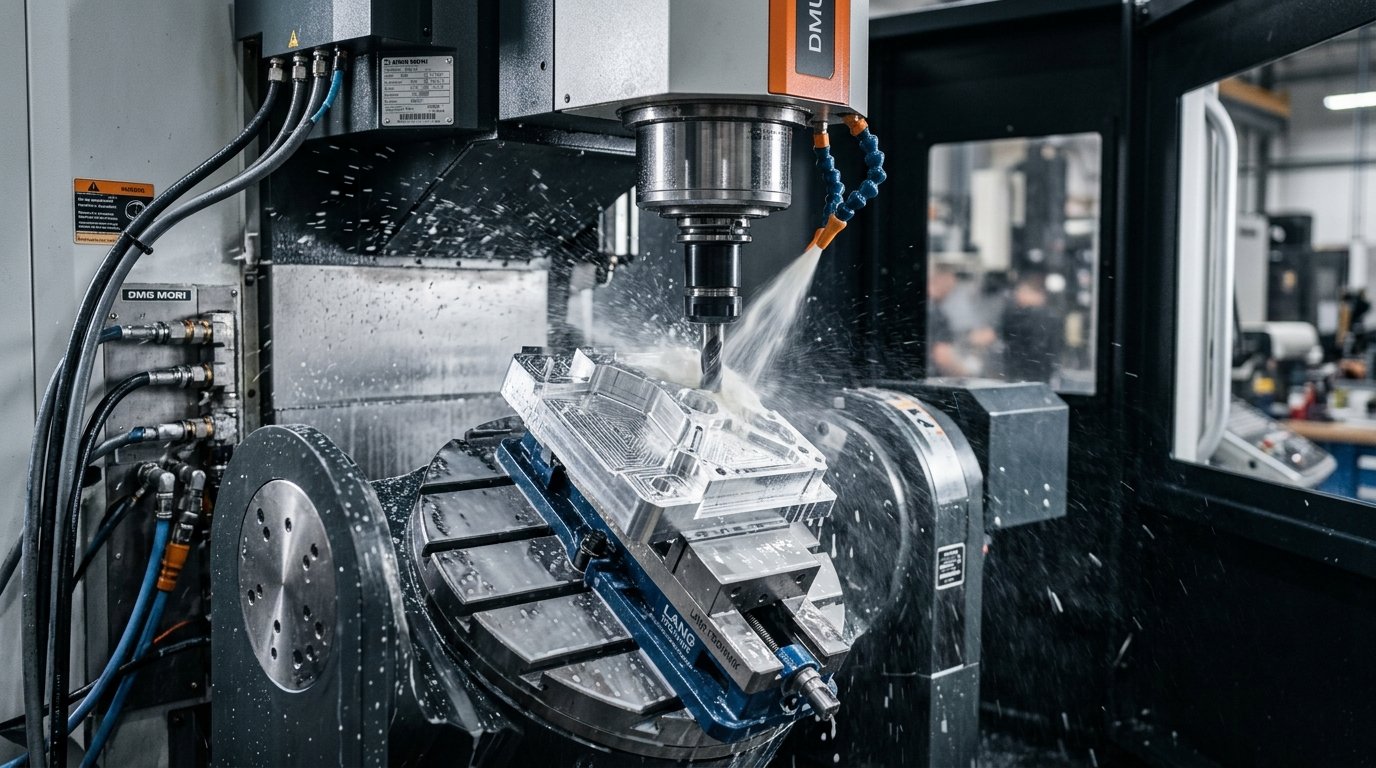
Tolerances. Specifying tight tolerances across every dimension rather than only where function requires them is the single most common source of avoidable cost. Tighter tolerances mean slower feeds, more careful setups, more inspection and higher scrap. Reserving tight callouts for functional features often reduces a CNC 가공 quote noticeably without affecting the part’s performance.
Number of setups. Every time a part is unclamped and refixtured, cost is added. Designs machinable from fewer directions cost less. This is worth discussing with the supplier’s engineering team, since a small geometry change sometimes eliminates an entire operation.
Material selection. Grade and form both matter. An unusual alloy or specific temper may require import, adding both cost and lead time, and some grades machine far more slowly than others.
Surface finish specification. A finish requirement that exceeds what the application needs adds cost silently. Specify what the part actually requires.
Quantity. Setup cost amortises across the batch, so unit price falls with volume, often steeply at the low end. Prices quoted at one quantity rarely scale linearly to another.
Tooling: The Cost That Confuses Comparisons
For molded and cast parts, tooling is a large one-time cost that must be spread across the production life. Its treatment determines whether comparisons make sense.
A tool amortised across 1,000 parts adds far more per unit than the same tool across 100,000. Comparing a domestic quote that includes tooling amortisation against an offshore quote that separates it produces a meaningless result.
Decide your amortisation basis honestly. Using an optimistic lifetime volume flatters the offshore case. Using a conservative one flatters the domestic case. Use your actual forecast.
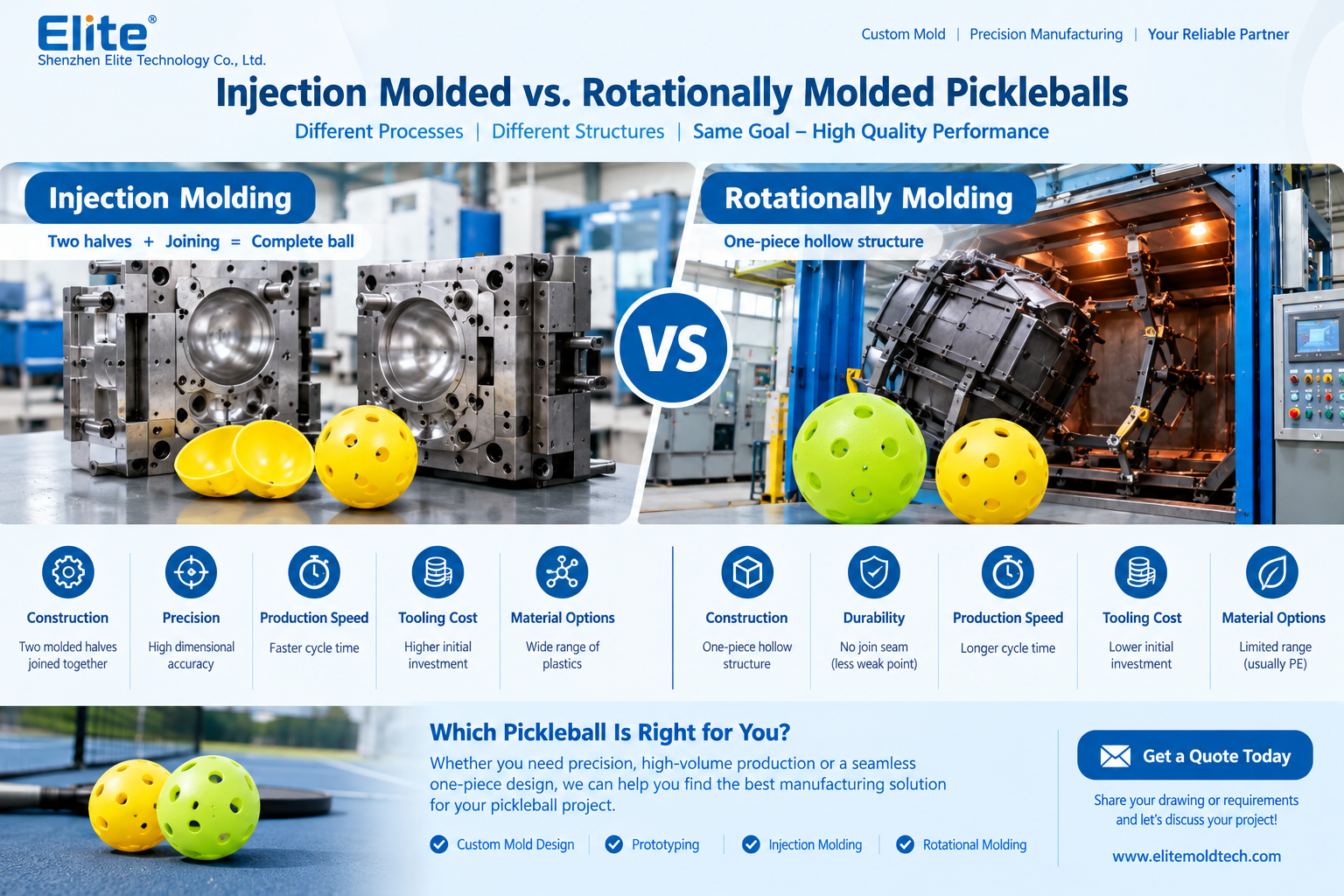
For 사출 성형 in particular, the tooling cost differential is often the largest single factor in the overall comparison, and it is a one-time cost. Tooling also carries ownership questions that affect long-term cost. Establish in writing who owns the tool, where it is stored, who maintains it and what transfer costs, before payment.
보조 작업
Machining or molding rarely finishes a part. Anodizing, painting, plating, silk screening, heat treatment and assembly all add cost.
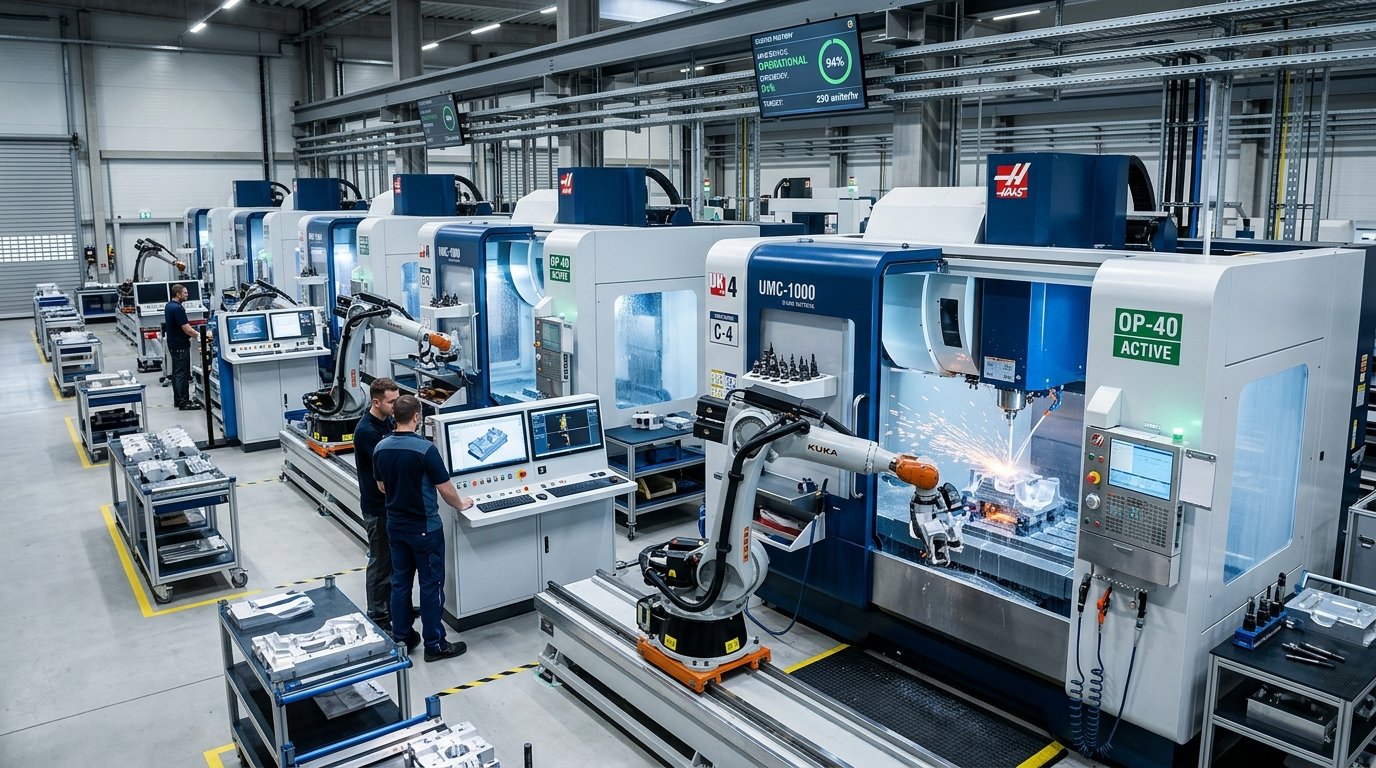
This is where Chinese manufacturing clusters hold a structural advantage that has nothing to do with wages. In the Pearl River Delta, these operations sit close together, so parts move between them in hours rather than days, with negligible transport cost. A supplier running several of these in house removes the coordination entirely.
When comparing quotes, confirm which secondary operations are included. A quote covering machining only, against one covering machining plus anodizing plus assembly, is not a comparison.
Inspection and Documentation
Establish at quotation stage what inspection is included and what costs extra. Common items:
- First article inspection report
- Dimensional report against your drawing
- Material certificates
- In-process inspection records
- Pre-shipment photographs
Established suppliers include a reasonable baseline. Full documentation packages for regulated industries cost more and should be priced explicitly rather than discovered later. If your customer requires certain documentation, specify it before quoting.
Freight, and Why the Choice Matters
Freight is the cost line buyers most often estimate badly.
Sea freight is by far the cheapest per kilogram and takes several weeks depending on destination and routing. It suits established production with predictable demand.
Air freight costs considerably more and takes days. It suits prototypes, urgent replacements and high-value low-weight parts.
Express courier costs the most and is fastest, appropriate for samples and small urgent shipments.
Two points cause most of the trouble. First, a supplier quoting “four weeks lead time” is almost always quoting factory production, not delivery to your door. Add freight separately. Second, an urgent air shipment can erase the entire cost advantage of a shipment on a single order, which is why lead time discipline matters commercially and not just operationally.
Shipping terms determine who pays what. EXW means you handle everything from the factory gate. FOB means the supplier covers costs to the origin port. DDP means the supplier delivers to your door with duties paid. A DDP quote and an EXW quote for the same part are not comparable, and confirming the term is essential before comparing anything.
Duties and Tariffs
Duty is charged on the customs value of imported goods at a rate determined by product classification and country of origin. It is not a fixed percentage and it changes with policy.
Getting your HS classification right matters, because rates vary substantially between adjacent classifications. Misclassification creates either overpayment or a compliance problem, and both are avoidable with a customs broker’s input at the start.
Rates on Chinese-origin goods have been subject to significant policy change in recent years and vary by destination market and product category. Check the current rate for your specific classification and destination rather than relying on figures from an article, including this one. This is exactly the sort of number that goes stale.
Also budget for customs brokerage fees, port handling and any inspection charges. Individually small, collectively meaningful on smaller shipments.
Inventory Carrying Cost
Longer lead times mean holding more stock. That stock ties up working capital, occupies warehouse space and carries obsolescence risk if the design changes.
The effect is real but rarely calculated. A part with a two-month replenishment cycle requires substantially more inventory than one with a two-week cycle, and the capital cost of that inventory belongs in the comparison.
For fast-moving or design-volatile products, this can meaningfully offset the unit price advantage. For stable, slower-moving products it is minor.
Quality Failure Provision
Every supply chain produces defects. The question is what it costs to resolve them and how long it takes.
A domestic defect can often be resolved within days. An offshore defect involves discussion, replacement production and another freight leg, or local rework at your own cost. Neither is free, and the offshore case takes longer.
The practical mitigations are pre-shipment inspection with photographic evidence, clear acceptance criteria agreed in writing, and a defined process for what happens when parts fall short. Suppliers who handle this well are worth paying slightly more for, since the cost of a poorly handled quality event exceeds the price difference quickly.
Build a realistic provision into your calculation rather than assuming zero.
Coordination Cost
Managing an overseas supplier takes time. Drawing clarification, sample review, production updates, shipping coordination and problem resolution all consume hours from people whose time has a cost.
This is genuine and almost never measured. It is also highly variable. A capable supplier with strong engineering communication consumes far less of your time than a cheaper one that needs constant clarification. When suppliers quote close to each other, the one that manages itself is usually cheaper in reality.
Consolidating a mechanical BOM with fewer suppliers reduces this cost directly, which is part of why full-BOM arrangements appeal to buyers managing assemblies rather than single parts.
Reducing Cost Without Changing Supplier
Before switching anything, several levers usually exist within your current arrangement.
Review tolerances against actual function. Consolidate orders to improve batch economics. Move from air to sea where lead time permits. Simplify features that require additional setups. Standardise materials across parts to improve purchasing leverage. Ask your supplier’s engineering team where they see cost, since they usually know and rarely volunteer it unprompted.
A proper design for manufacture review often finds savings that exceed anything a supplier change would deliver, without the requalification cost.
Getting a Real Number for Your Part
General cost guidance only goes so far. The figure that determines your decision comes from your part, your volume, your material and your destination.
Elite Mold Tech provides engineering review and a full quotation before any commitment, covering machining, molding, finishing and assembly from a single Dongguan facility. Sending a drawing produces DFM comments alongside a quote you can put into the landed cost table above and compare properly against your alternatives.
자주 묻는 질문
Q: What percentage cheaper is manufacturing in China?
A: No reliable single figure exists, because the gap depends on part complexity, volume, material and secondary operations. Simple high-volume parts show the largest difference, while low-volume engineering-heavy work sometimes shows none.
Q: Do I pay tariffs on goods manufactured in China?
A: Usually yes, at a rate set by product classification and destination market. Rates change with policy, so confirm the current figure for your HS code with a customs broker rather than assuming.
Q: What is landed cost?
A: The total cost of getting a usable part into your possession, including unit price, tooling amortisation, freight, duties, brokerage, inspection and inventory cost. It is the only figure that makes sourcing comparisons meaningful.
Q: Should tooling cost be included when comparing suppliers?
A: Yes, amortised across your realistic forecast volume rather than an optimistic one. Comparing a quote including tooling against one excluding it produces a misleading result in whichever direction the omission falls.
Q: How can I reduce manufacturing costs without changing supplier?
A: Review tolerances against function, reduce the number of setups, consolidate orders, switch from air to sea freight where possible, and request a design for manufacture review. These often deliver more than a supplier change.