
ABS CNC Machining Service
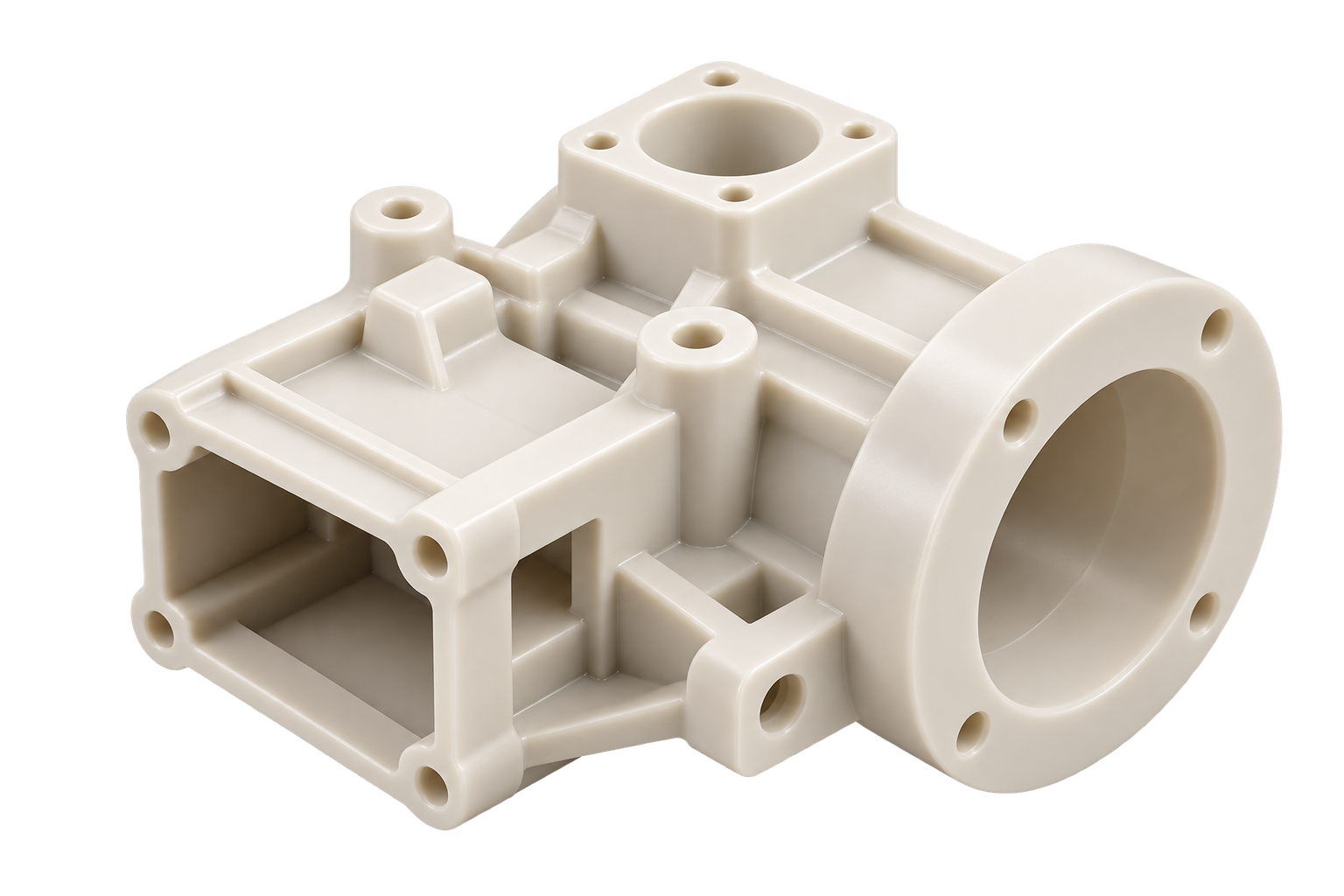
ABS in CNC Machining
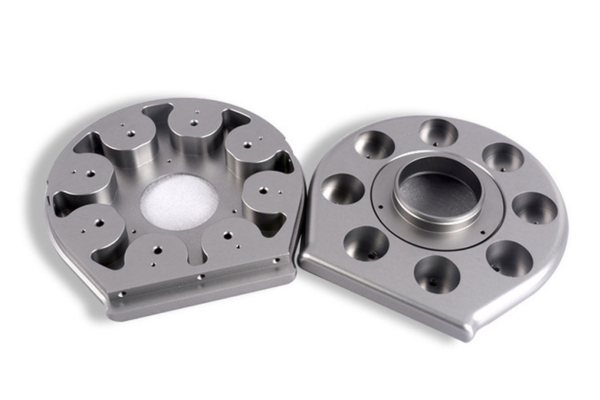
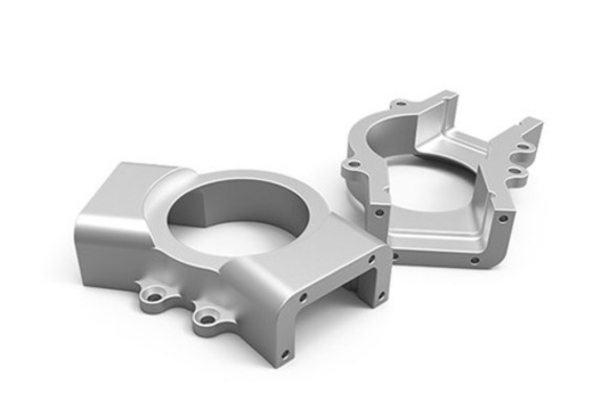
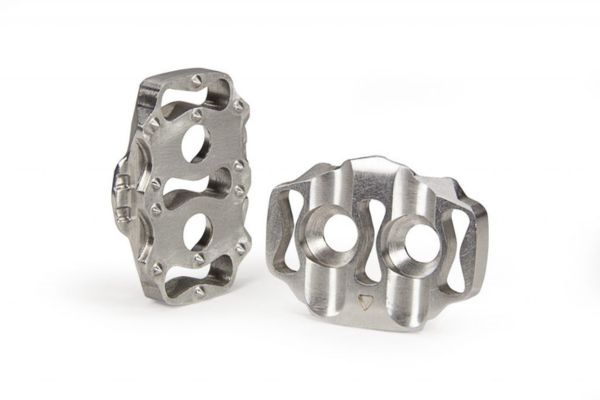
ABS (Acrylonitrile Butadiene Styrene) is a versatile engineering thermoplastic widely used for CNC machining due to its good machinability, impact resistance, strength, and dimensional stability. It can be machined into detailed and complex geometries while maintaining consistent accuracy and a smooth surface finish. ABS is a practical and cost-effective material for functional prototypes, housings, fixtures, enclosures, and low-volume production components across a wide range of industries.
| Available ABS | Natural Beige, Black, White; Custom Colors on Request |
| 가격 | $ |
| 리드 타임 | 10일 미만 |
| 벽 두께 | 0.8mm |
| 허용 오차 | ±0.005″ (±0.125mm) |
| 최대 부품 크기 | 200 cm x 80 cm x 100 cm |
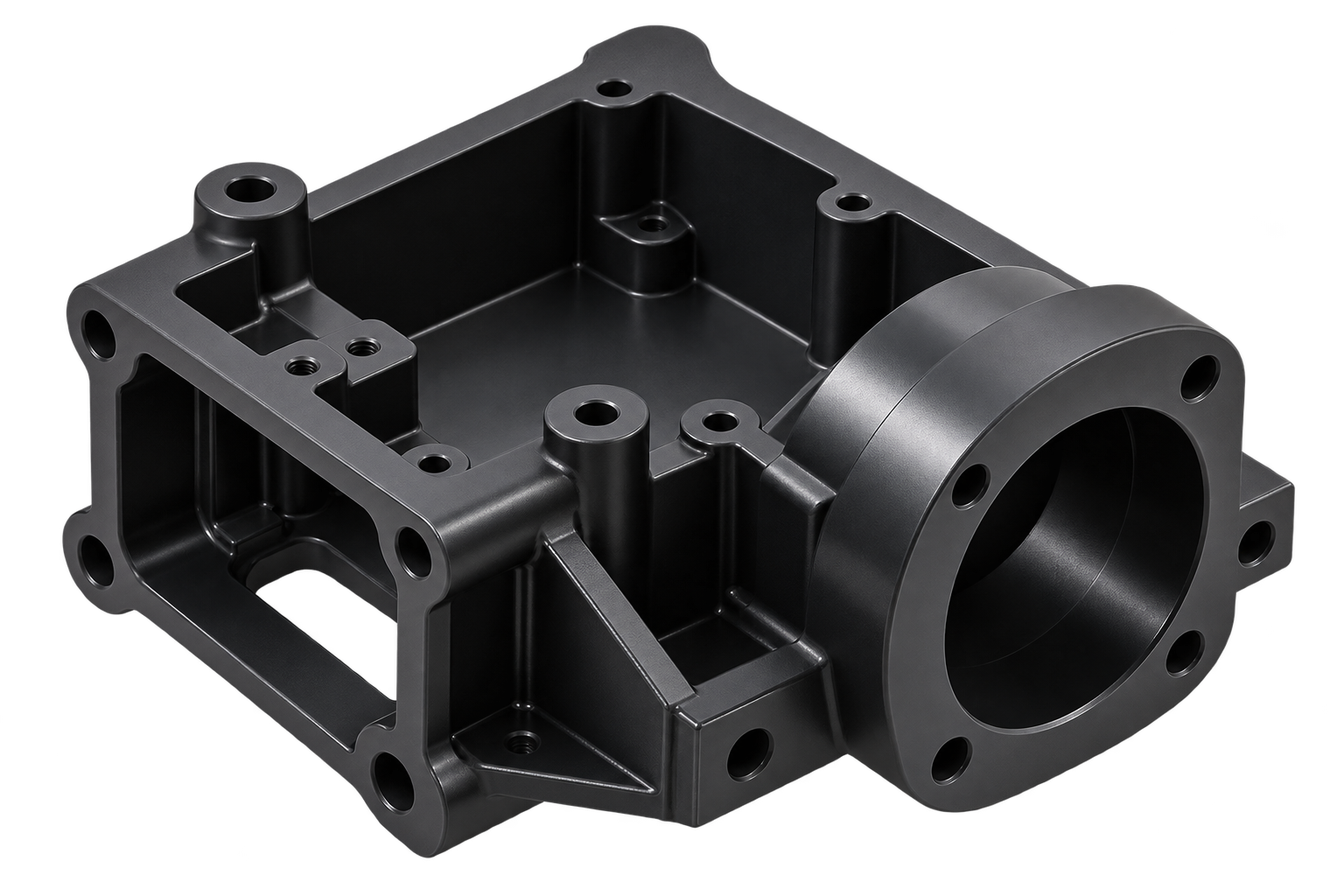
ABS CNC Machining Materials
Machined ABS Properties
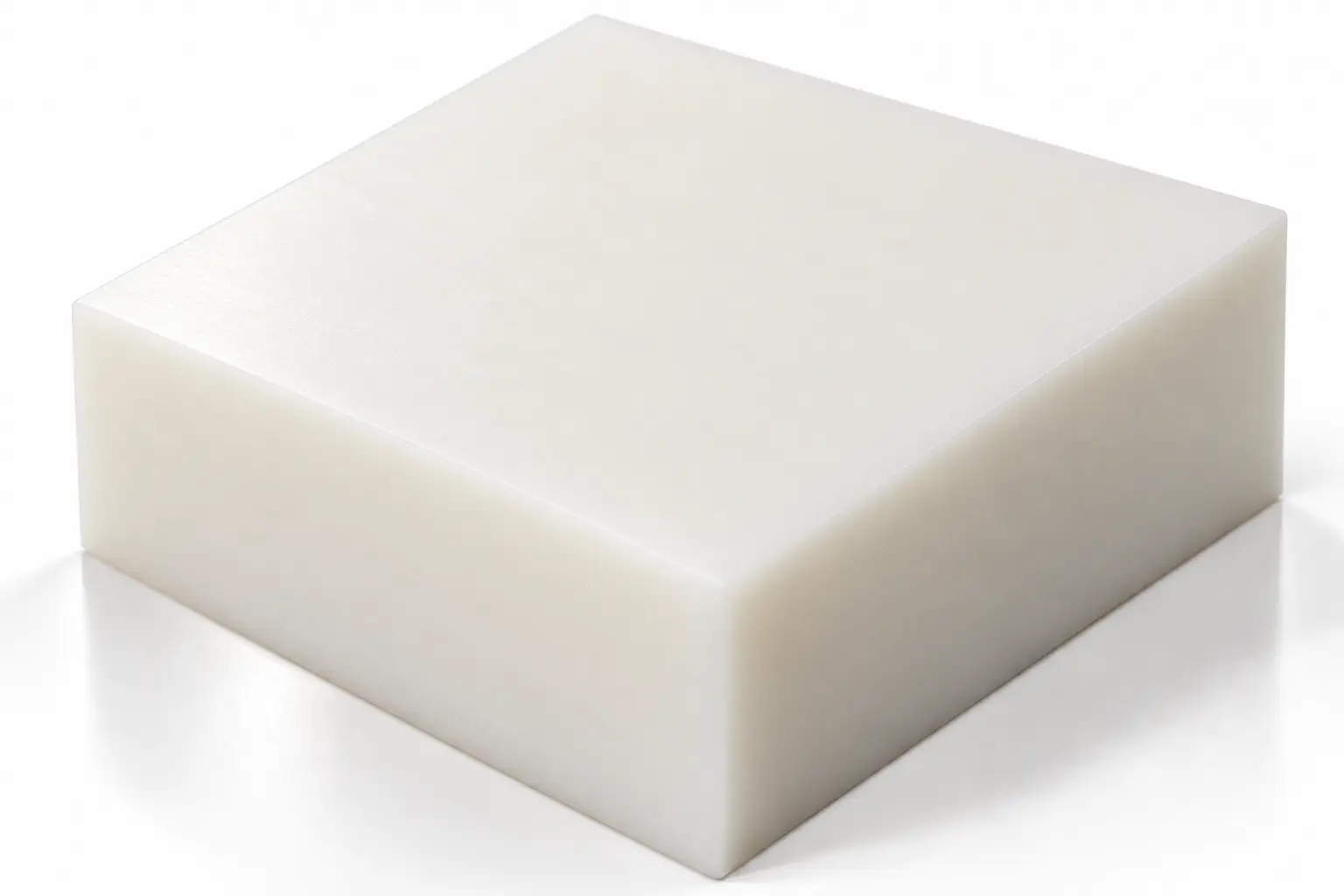
ABS is widely used in CNC machining due to its excellent impact resistance, durability, lightweight properties, and ease of fabrication. Its balanced mechanical performance makes it suitable for prototypes, functional components, enclosures, and custom machined parts.
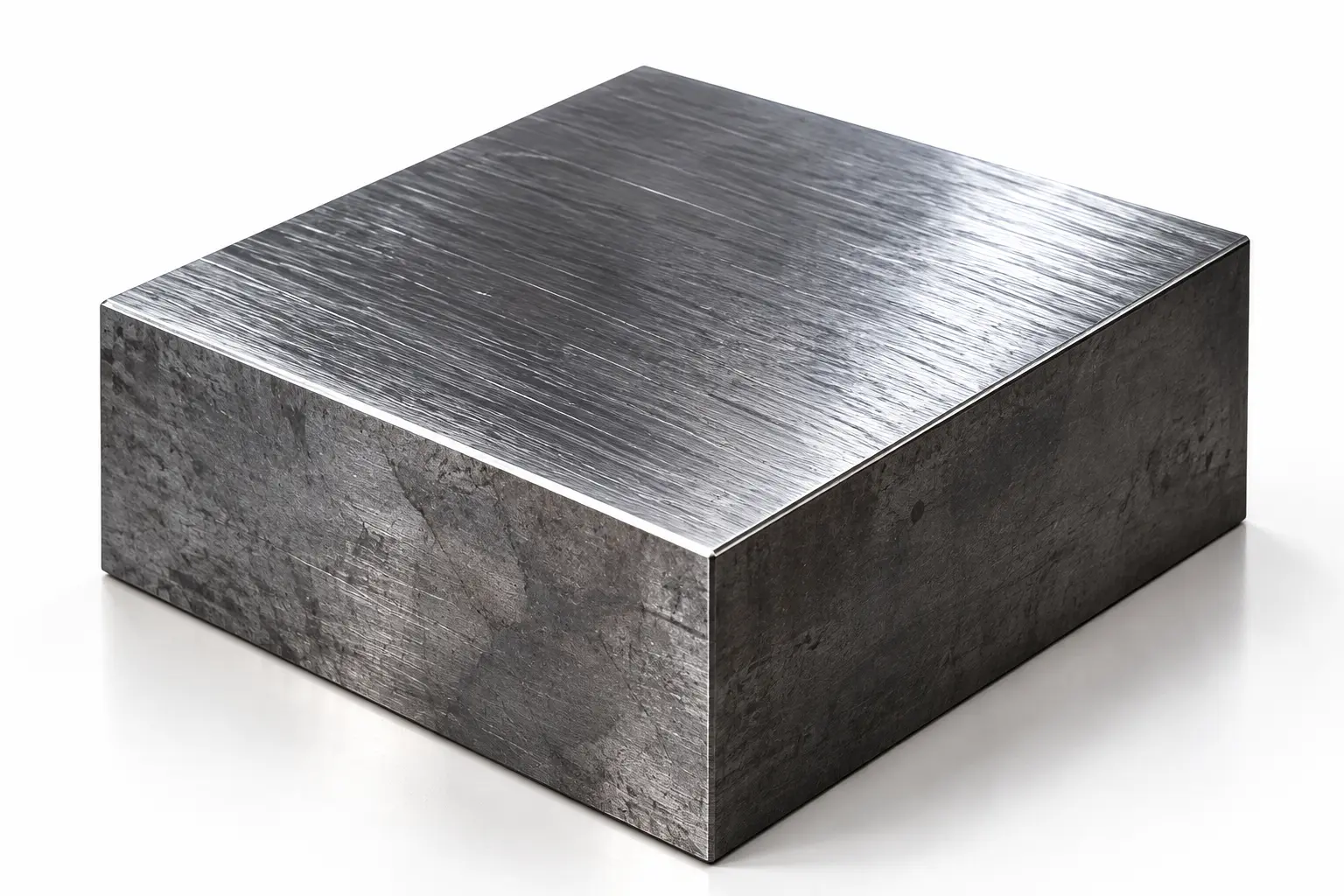
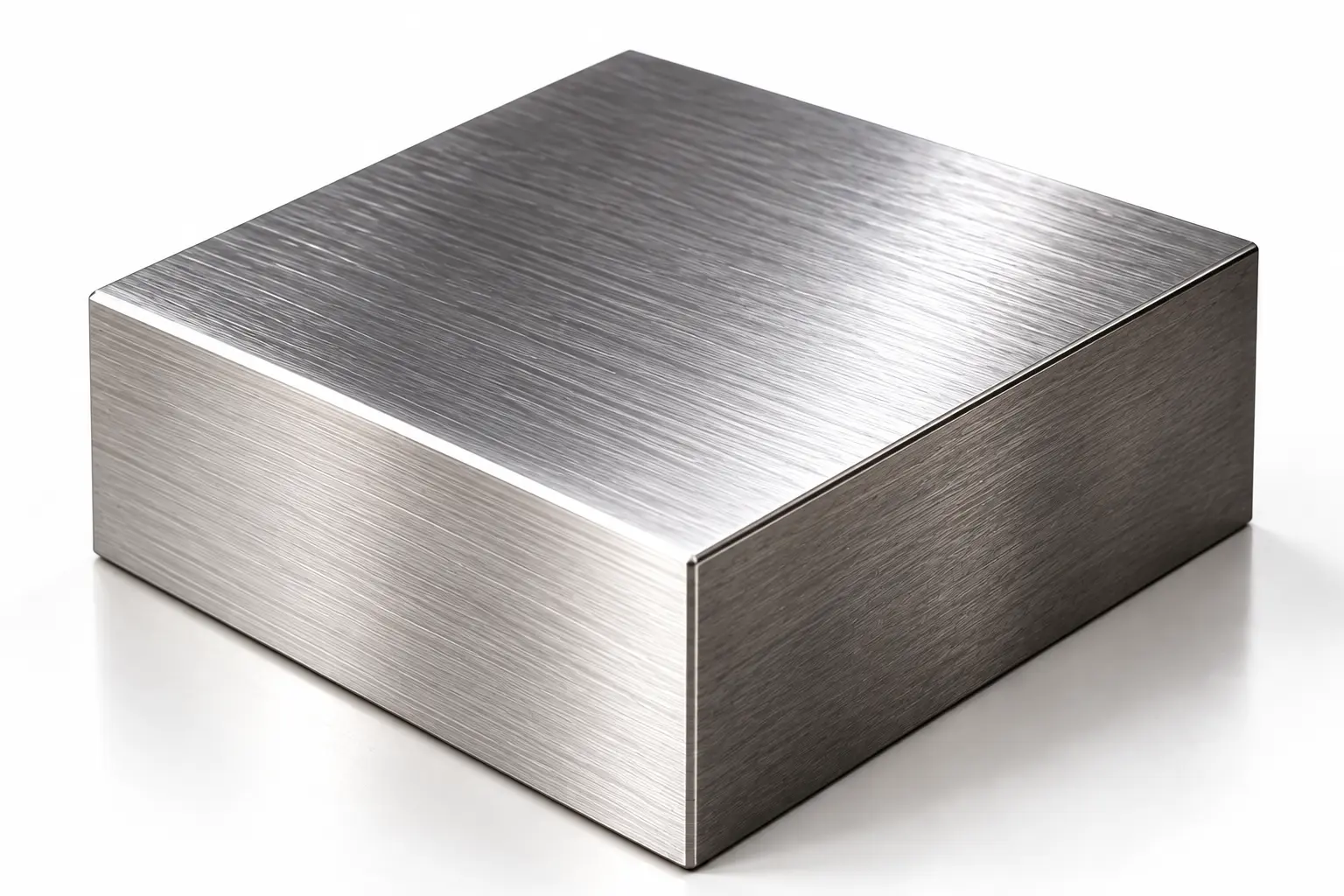
일반 CNC 가공 공차
| 설명 | 일반 허용 오차 또는 표준 |
|---|---|
| 일반 치수 공차 | ±0.005″ (±0.127 mm) for metals; ±0.010″ (±0.254 mm) for plastics in line with ISO 2768-mK unless otherwise specified |
| 엄격한 허용 오차 | Down to ±0.001″ (±0.025 mm) available upon request, with detailed 2D drawings and GD&T specifications |
| 최소 피처 크기 | ~0.020″ (0.50 mm), depends on part geometry, tool diameter, and material |
| 구멍 직경 공차 | ±0.002″ (±0.05 mm) typical; tighter tolerances with boring or reaming |
| 평탄도/평행도 | ≤0.002″ per 6″ (≤0.05 mm per 150 mm), varies by material and fixture setup |
| 스레드 공차 | ISO/ASME에 따른 표준 미터법 및 영국식 나사산, 요청 시 맞춤형 또는 미세 나사산 제공 |
| 각도 허용 오차 | 통상 ±0.5° |
| 에지 조건 | 별도의 언급이 없는 한 날카로운 모서리는 기본적으로 파손되고 디버링됩니다. |
| 표면 마감(표준) | Ra 3.2μm(125μin) 가공, 폴리싱, 비드 블라스팅, 아노다이징 등을 통해 향상된 마감 처리 가능. |
| 최대 부품 크기 | Milling: Up to 80″ × 48″ × 24″ (2,032 × 1,219 × 610 mm) Turning: Up to 62″ length × 32″ diameter (1,575 × 813 mm) |

Advantages and Limitations of ABS CNC Machining
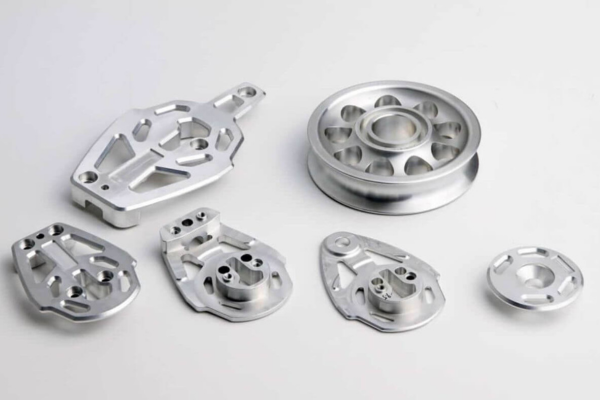
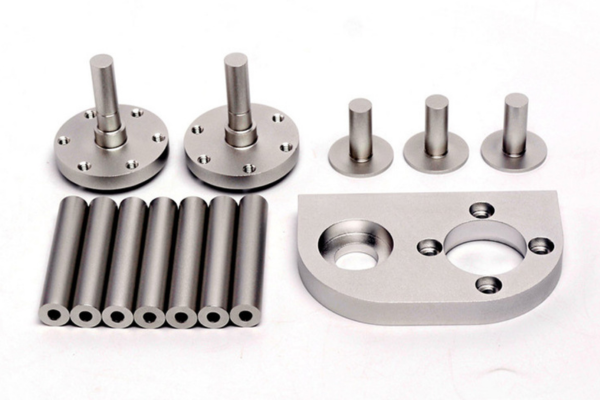
ABS is a popular engineering thermoplastic for CNC machining because of its good machinability, impact strength, dimensional stability, and affordability. It is well suited for prototypes and functional components, although its temperature, UV, and chemical resistance should be considered for demanding applications.
- Excellent Machinability:
ABS machines efficiently and can be used to produce precise features, detailed geometries, pockets, holes, and complex components. - Good Impact Strength:
Its strong impact resistance makes ABS suitable for parts exposed to everyday mechanical loads, vibration, and handling. - Cost-Effective Material:
ABS is relatively economical compared with many engineering plastics, making it an attractive option for prototypes and low-volume production. - Dimensional Stability:
ABS provides good dimensional consistency under normal operating conditions, helping achieve accurate and repeatable CNC machined parts. - Wide Range of Applications:
CNC machined ABS components are commonly used for housings, enclosures, fixtures, prototypes, consumer products, electronics, and industrial components.
- Limited Heat Resistance:
ABS can soften or lose dimensional stability at elevated temperatures, making it unsuitable for certain high-temperature applications. - Poor UV Resistance:
Long-term exposure to sunlight and UV radiation can cause fading, discoloration, and gradual degradation unless suitable protection is applied. - Limited Chemical Resistance:
Certain solvents and aggressive chemicals can damage ABS, so chemical compatibility should be evaluated before using it in harsh environments.
엘리트 몰드 기술로 디자인에 생명력 불어넣기
엘리트 몰드 테크의 정밀 CNC 가공을 경험해 보세요. 복잡한 프로토타입부터 대규모 생산까지, 당사는 고객의 아이디어를 현실화할 준비가 되어 있습니다. 지금 바로 문의하여 프로젝트에 필요한 사항을 논의하세요!
- 광범위하게 공유되는 전문성
- 시장 도달 범위 확대
- 고급 기술 통합
- 협업 혁신 기회
- 신뢰할 수 있는 온디맨드 솔루션
- 모든 업로드는 안전하고 기밀이 유지됩니다.
ABS CNC Machining FAQs
Can ABS Plastic Be CNC Machined?
Yes. ABS is highly suitable for CNC machining because it cuts cleanly and can hold accurate dimensions. It allows manufacturers to produce complex geometries, detailed features, and smooth finishes for both prototypes and functional production parts.
What Is the Best Way to Cut ABS Plastic?
ABS can be effectively machined using CNC milling, turning, drilling, and routing. Sharp cutting tools, appropriate feeds and speeds, and proper heat control are important to prevent melting or deformation and achieve a clean surface finish.
What Are Common Applications of CNC-Machined ABS?
CNC-machined ABS is commonly used for electronic enclosures, equipment housings, automotive components, fixtures, functional prototypes, consumer products, and custom mechanical parts.
Is ABS Easy to Machine?
Yes. ABS offers excellent machinability compared with many engineering plastics. It can be cut, drilled, milled, and turned efficiently while maintaining good dimensional accuracy. Proper machining parameters help minimize heat buildup and improve surface quality.
Why Choose ABS CNC Machining Instead of Injection Molding?
CNC machining is particularly suitable for prototypes, custom components, and low-volume ABS production because it does not require expensive molds or tooling. It also allows faster design changes and shorter setup times. Injection molding, on the other hand, can become more economical when producing parts in large quantities.