
Copper CNC Machining Service
Get high-quality copper CNC machining services with advanced machinery and an experienced team that ensures precision and efficiency. Exceptional results that meet your specifications, whether you need prototypes or large-scale production runs.
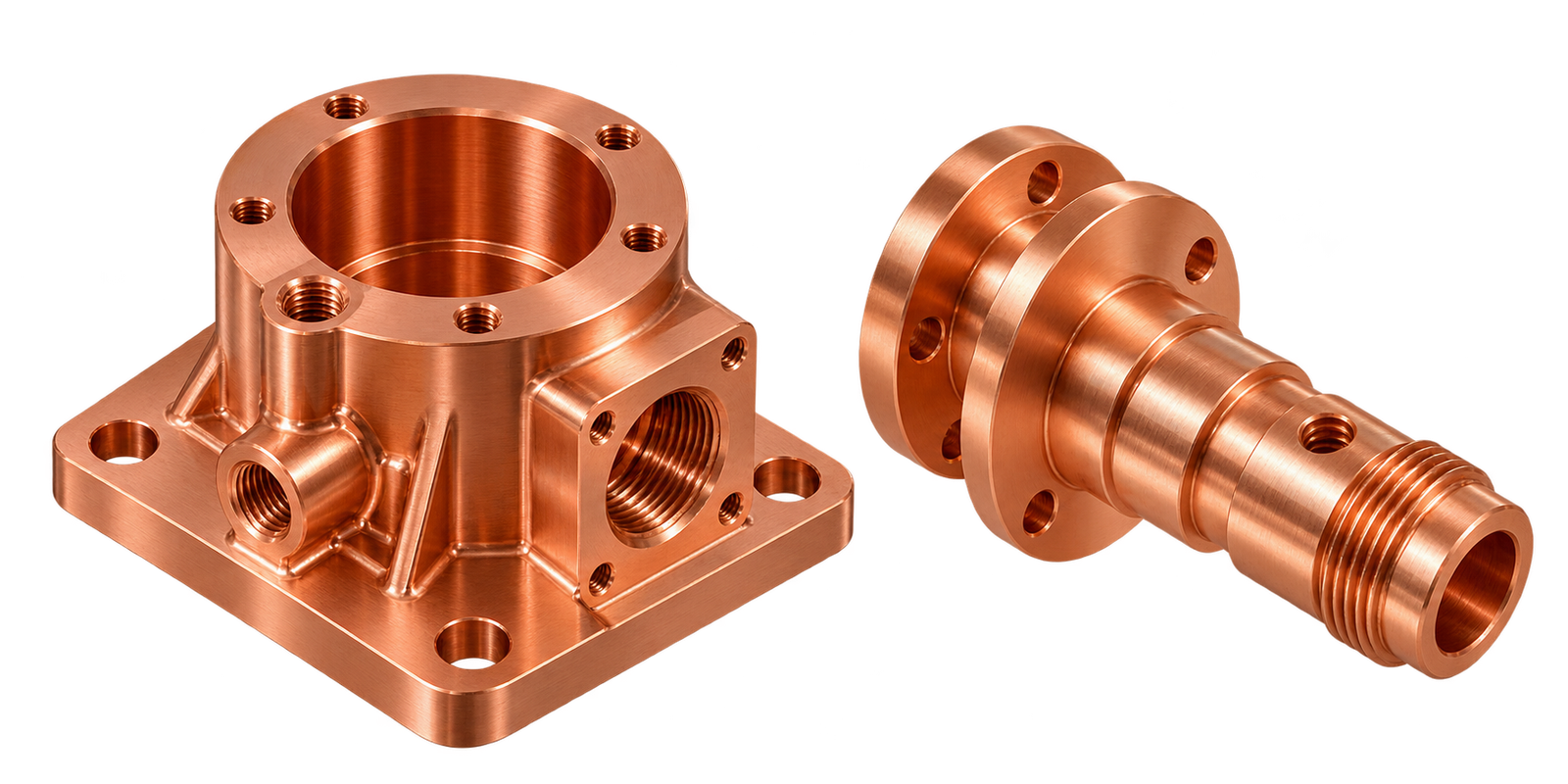
Copper in CNC Machining
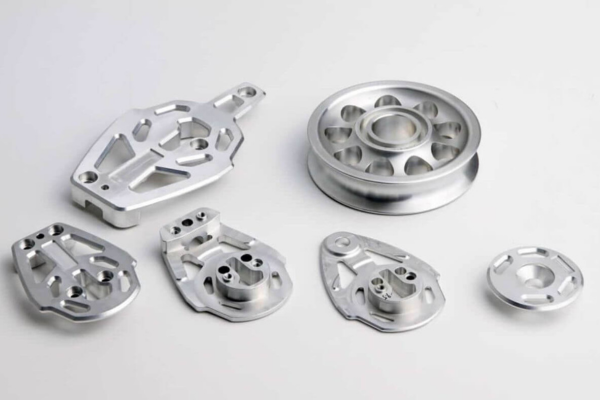
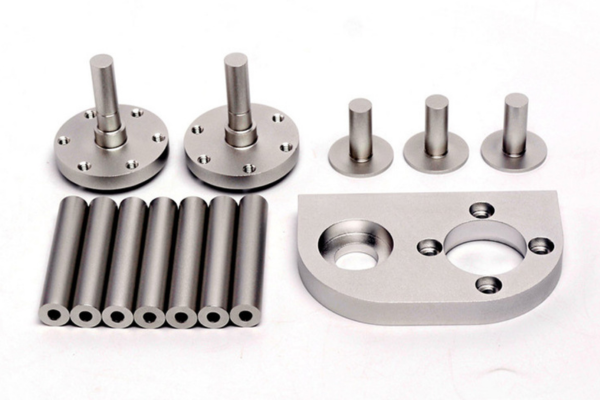
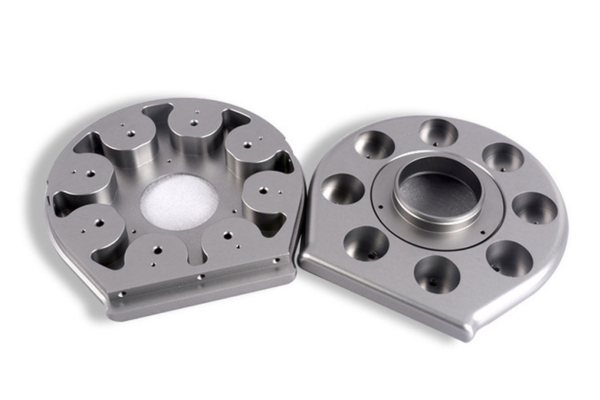
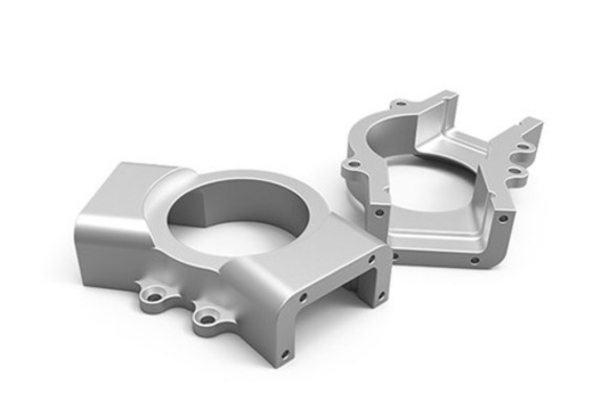
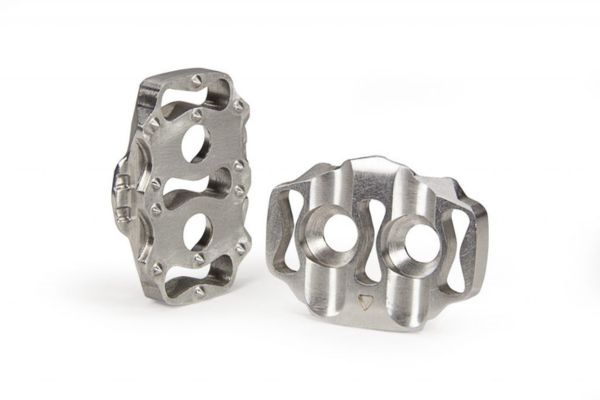
Copper is a versatile material used in various industries due to its excellent electrical and thermal conductivity, corrosion resistance, and malleability. It is widely used in various electrical applications due to its exceptional thermal and electrical conductivity. Companies in various industries, including electrical, construction, transport, and consumer goods, find the alloy’s versatility and useful properties beneficial for various applications. Raw pieces of metal are meticulously carved down to create the desired shape or object in CNC machined copper parts.
| 구입 가능한 합금 | 6061, 6061-T6, 6063, 6082, 5052, 5083, 2024, 7075, 7075-T6, ADC12 |
| 가격 | $ |
| 리드 타임 | 10일 미만 |
| 벽 두께 | 0.75 mm |
| 허용 오차 | ±0.125 mm (±0.005 in) |
| 최대 부품 크기 | 200 x 80 x 100 cm |
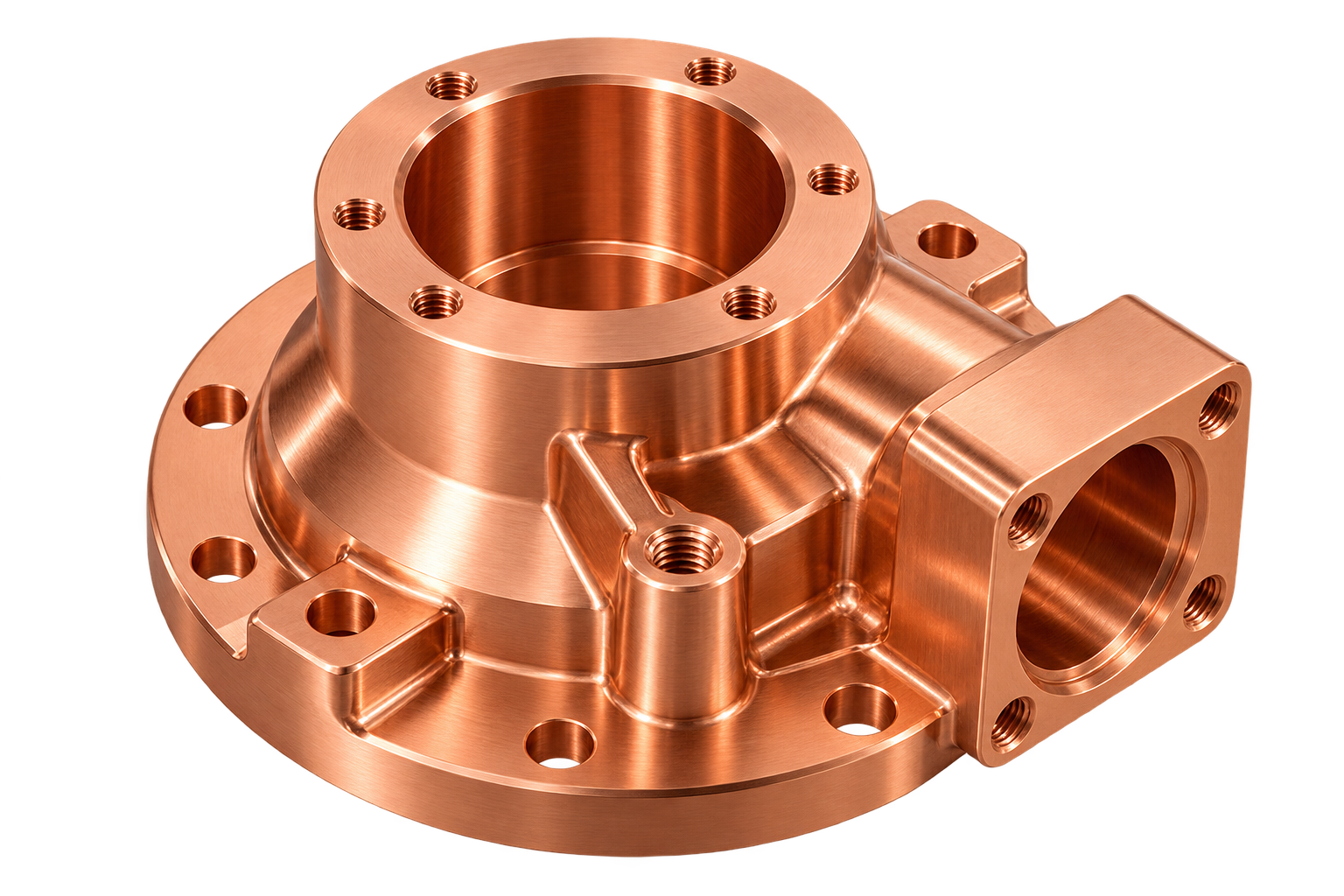
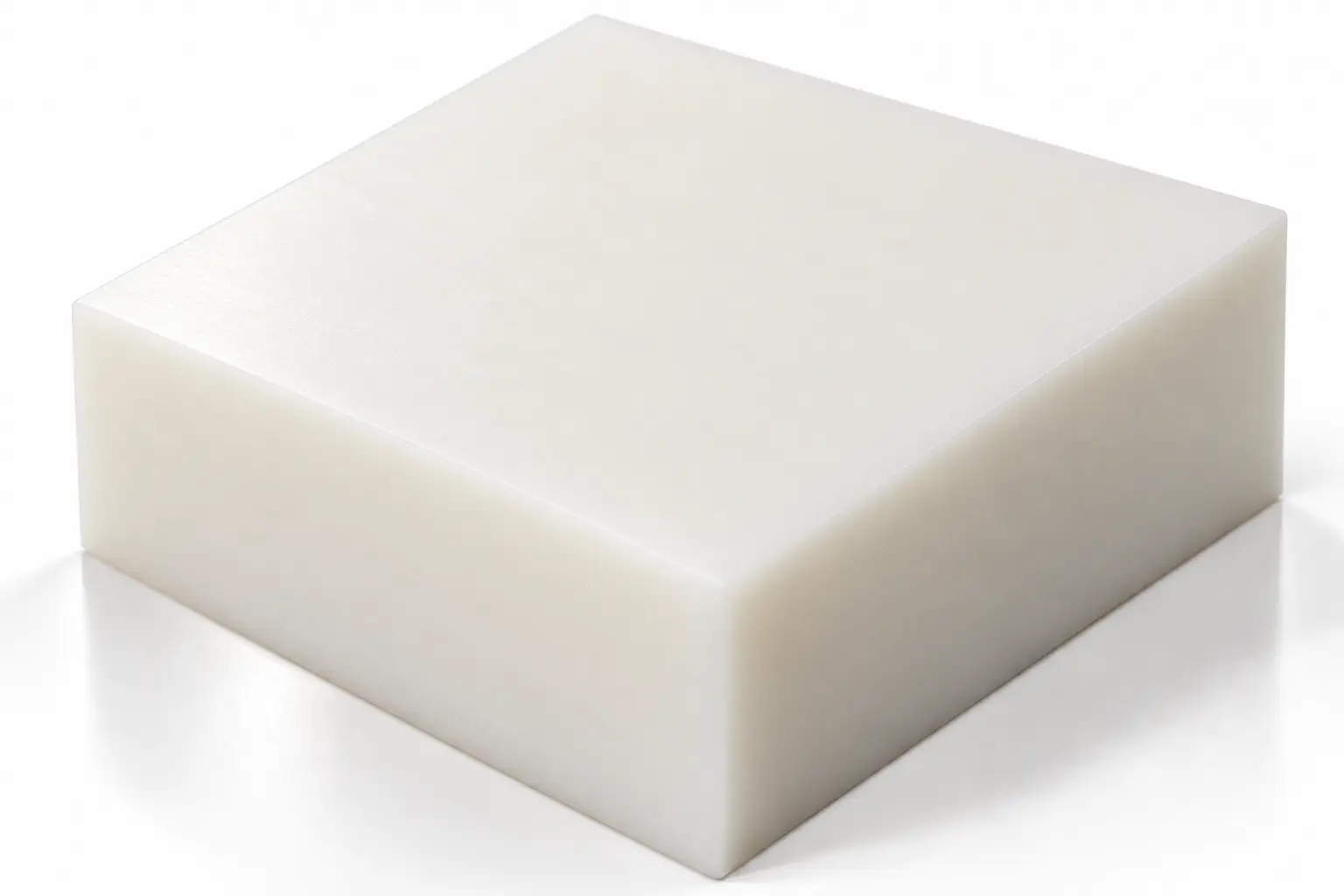
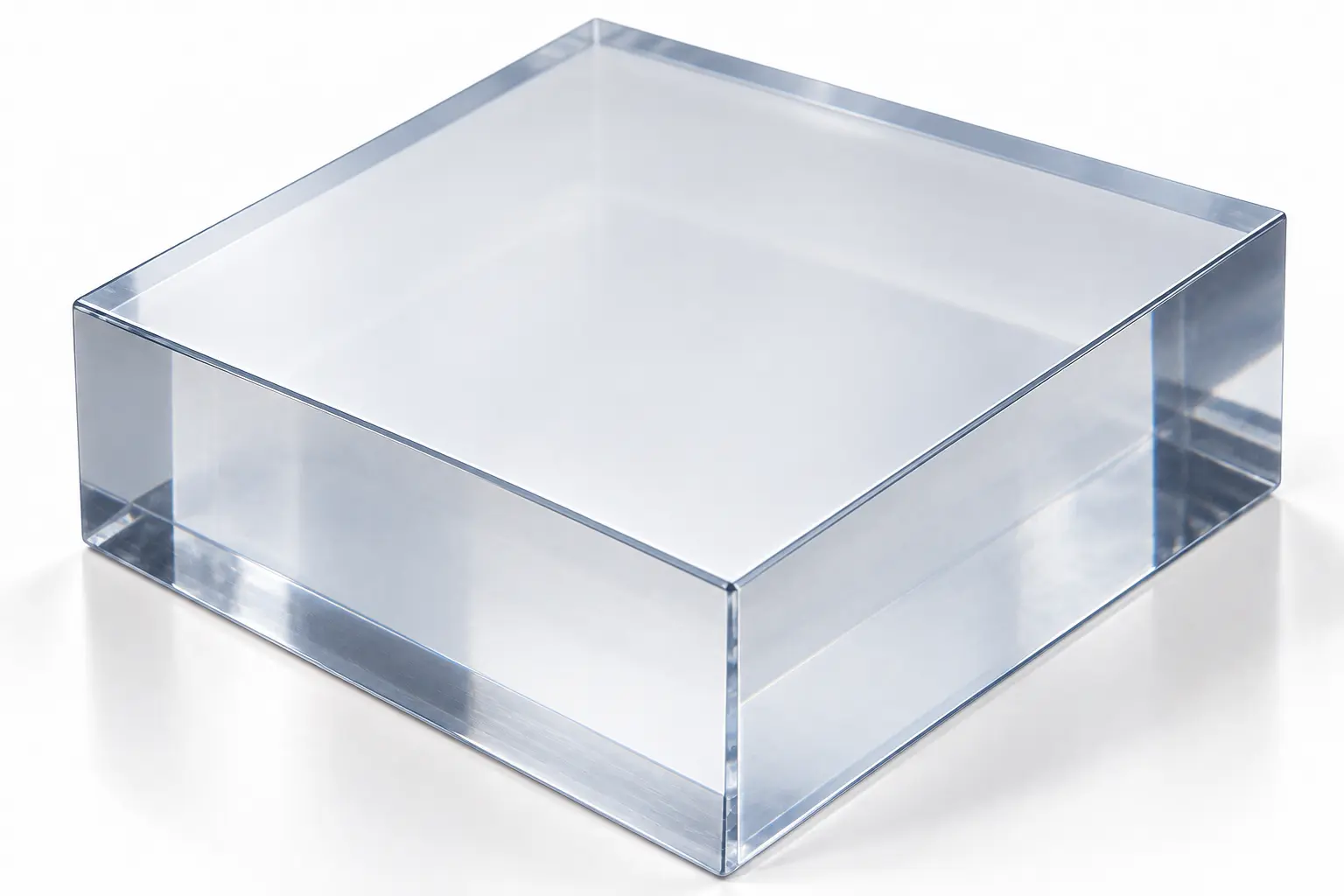
Copper C101(T2)
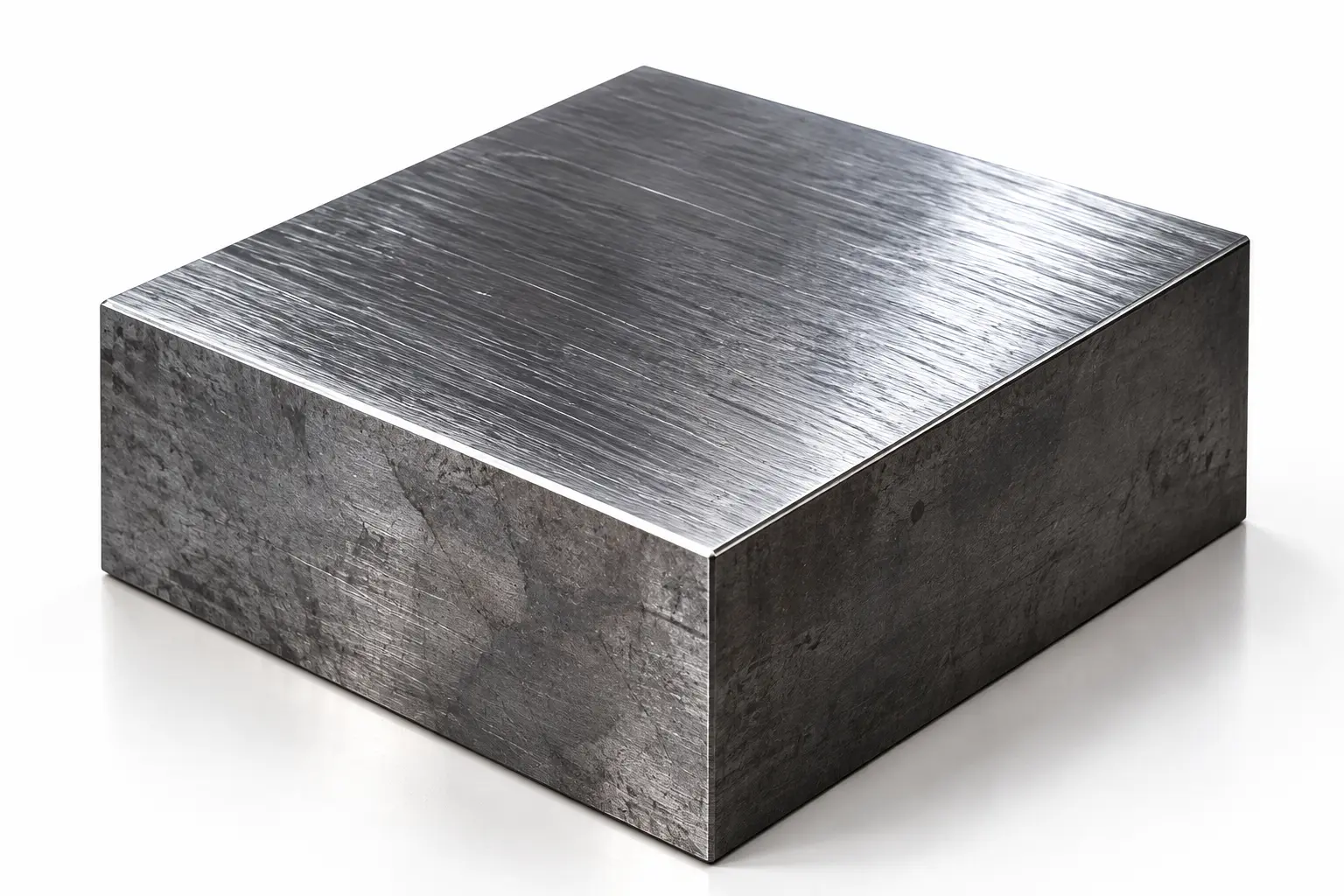
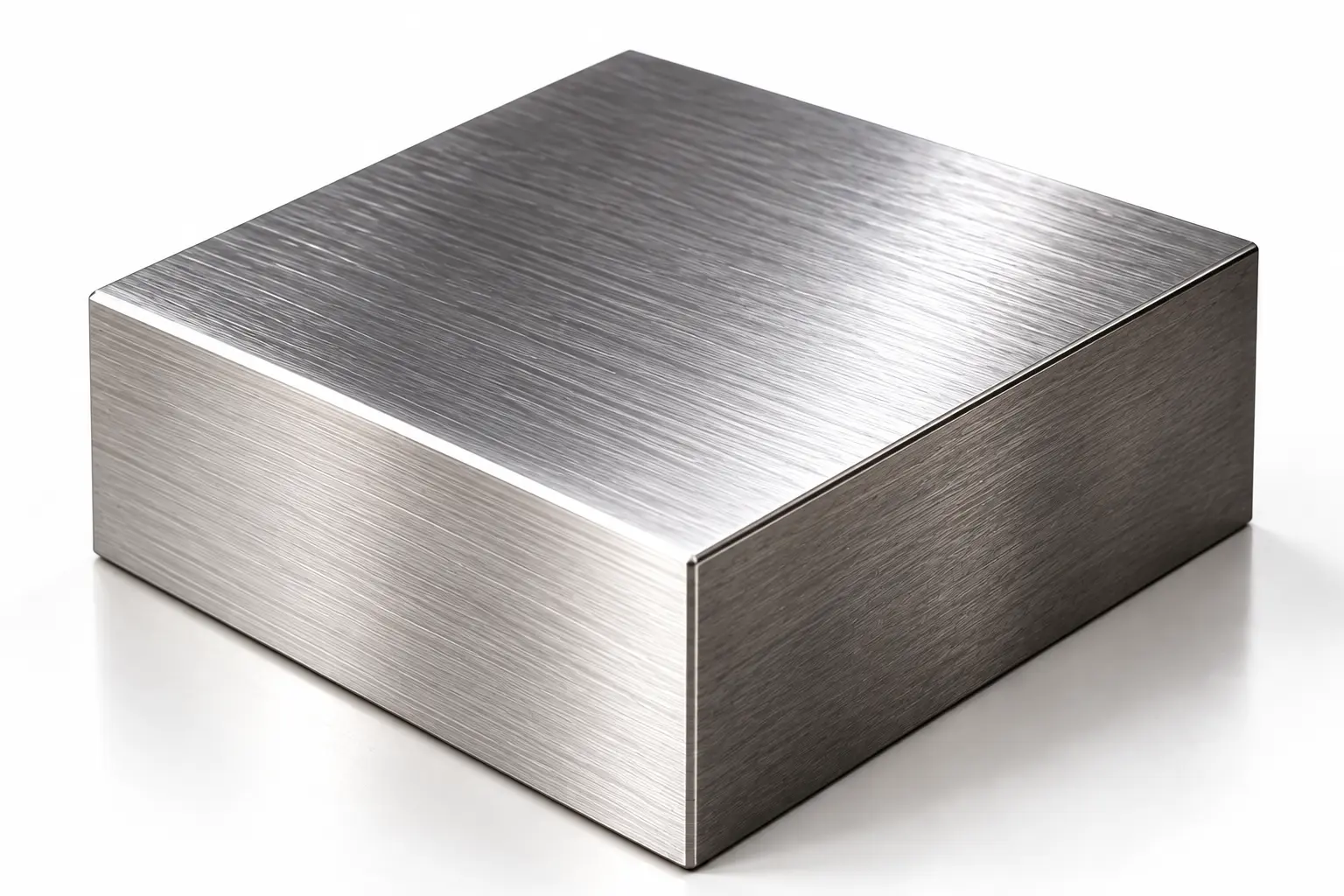
Copper C103(T1)
Copper C103(TU2)
Copper C110(TU0)
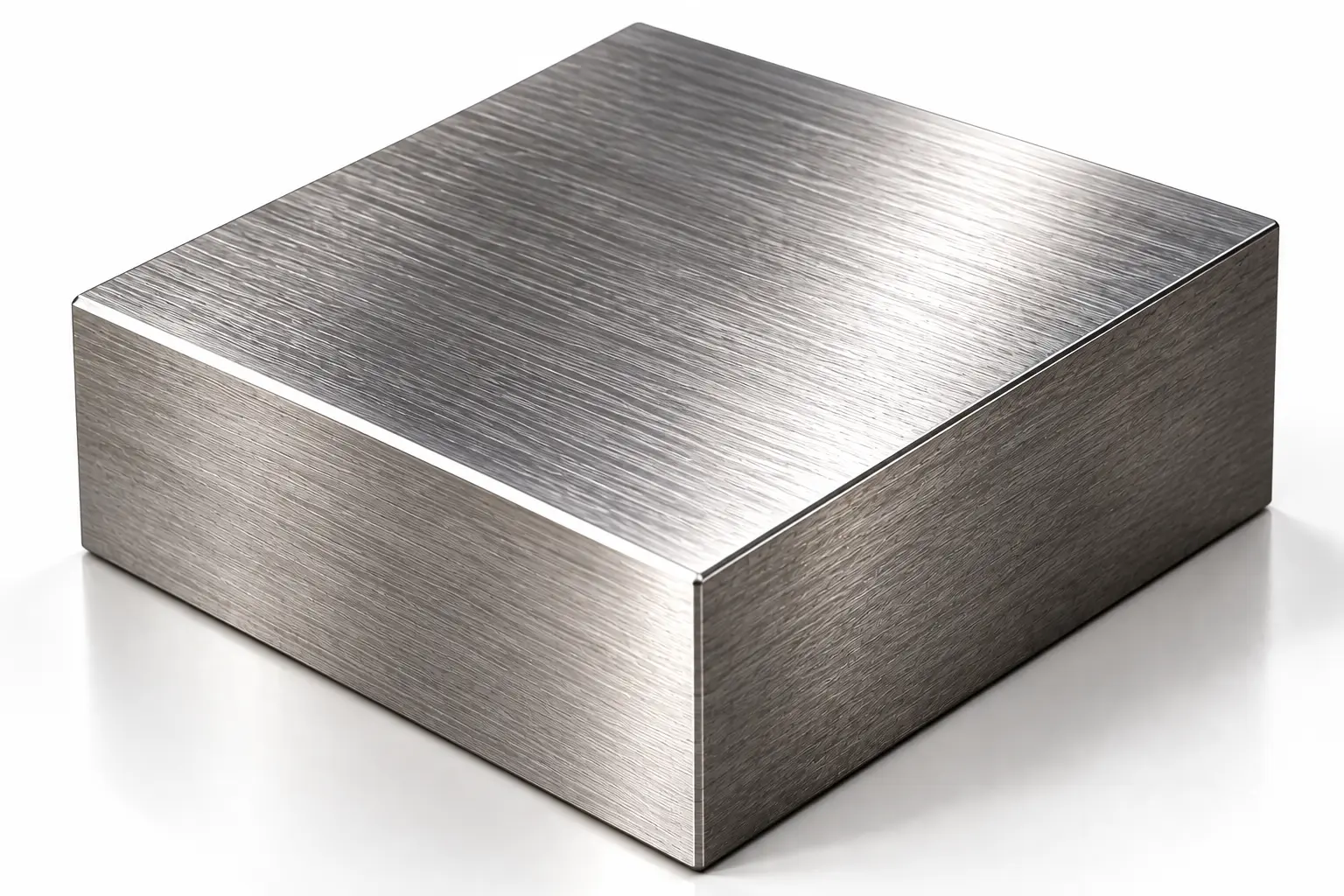
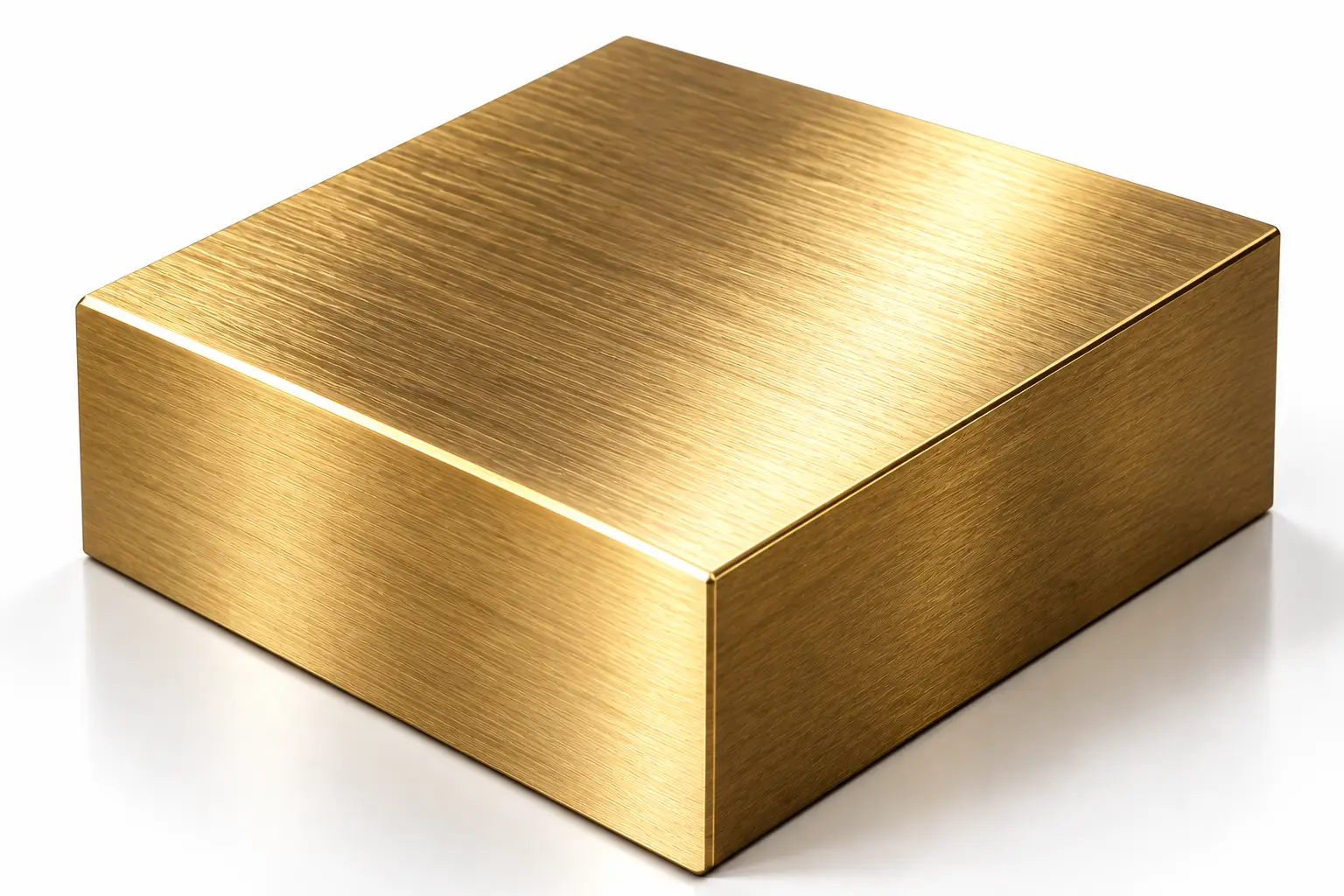
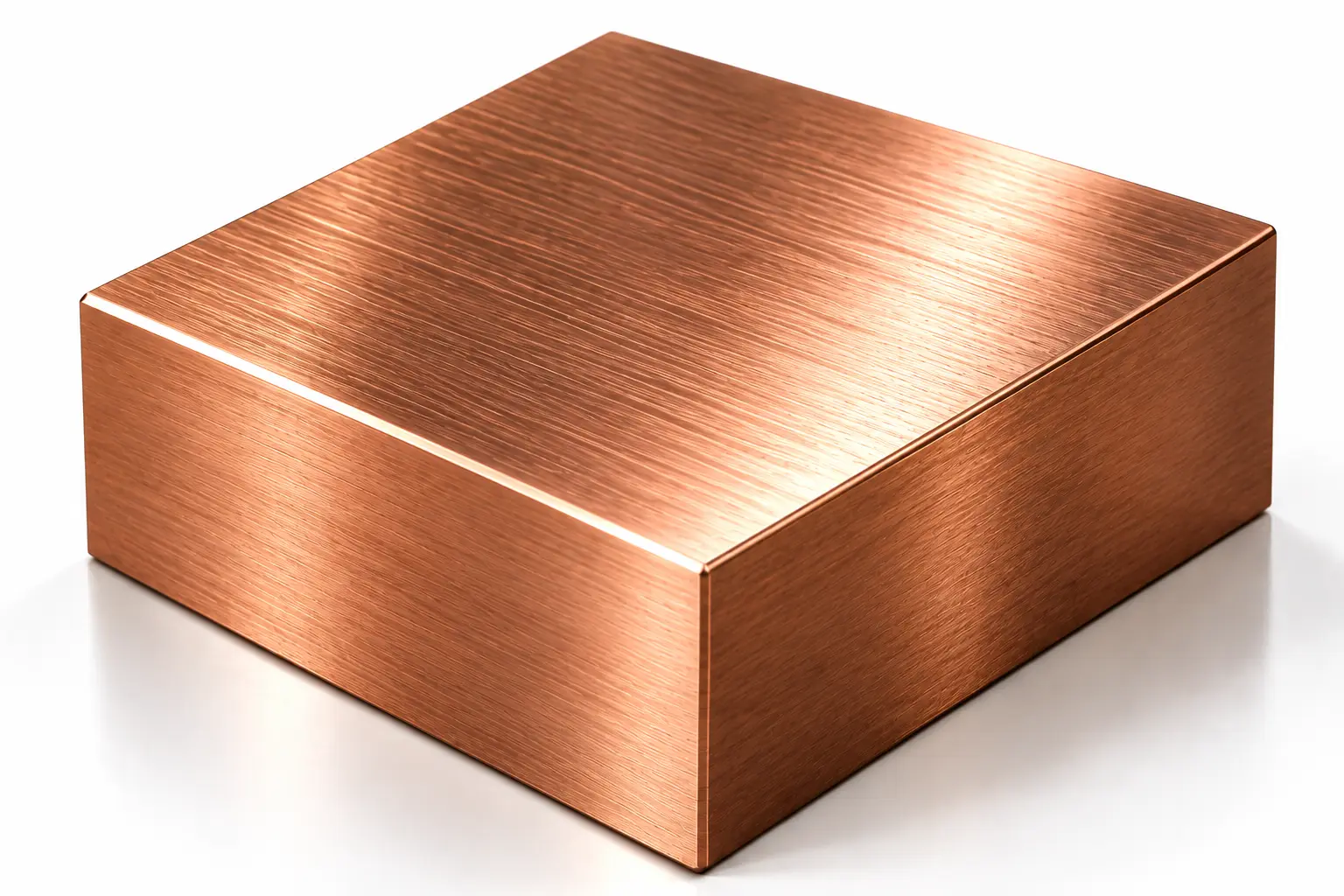
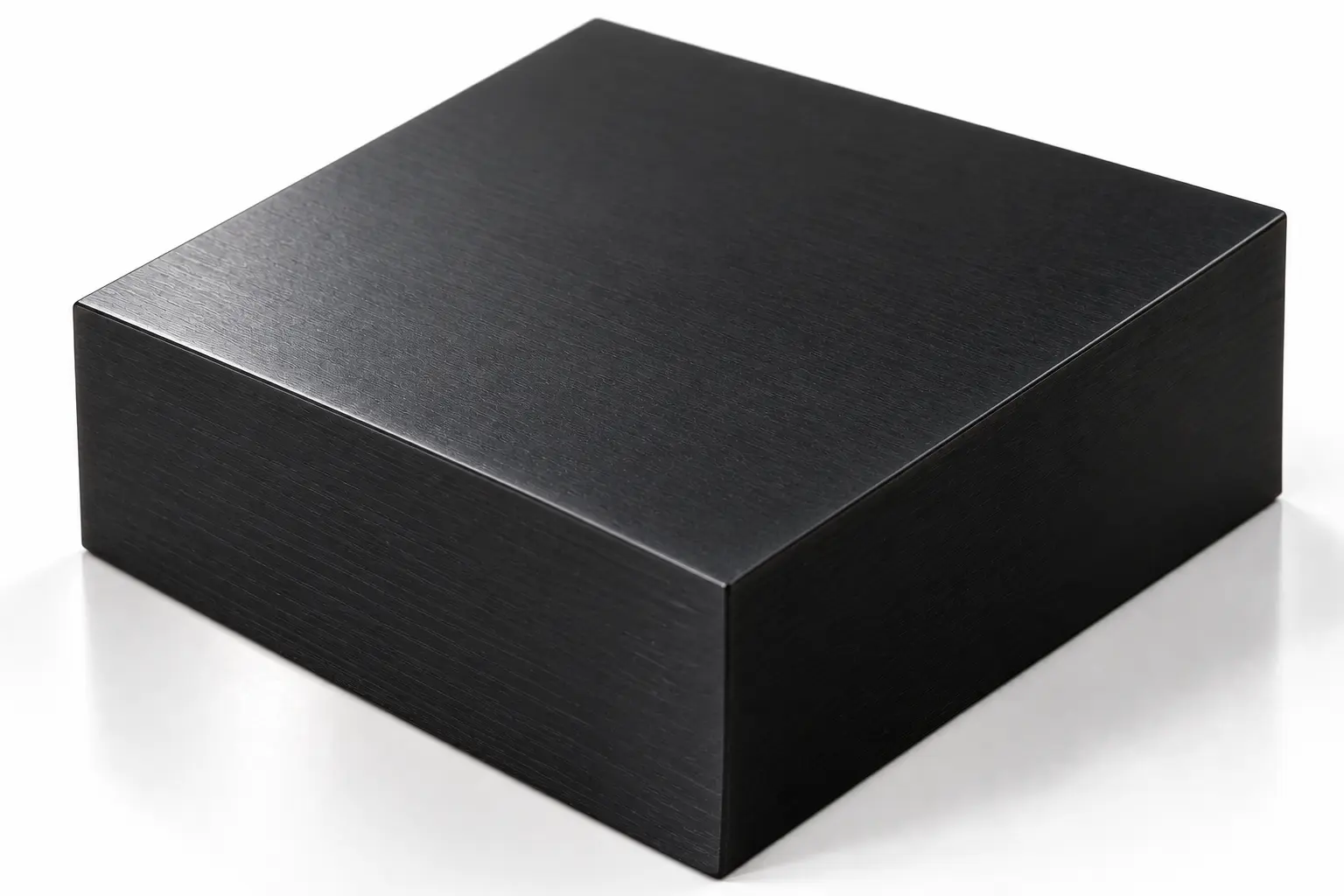
일반 CNC 가공 공차
| 설명 | 일반 허용 오차 또는 표준 |
|---|---|
| 일반 치수 공차 | ±0.005″ (±0.127 mm) for metals; ±0.010″ (±0.254 mm) for plastics in line with ISO 2768-mK unless otherwise specified |
| 엄격한 허용 오차 | Down to ±0.001″ (±0.025 mm) available upon request, with detailed 2D drawings and GD&T specifications |
| 최소 피처 크기 | ~0.020″ (0.50 mm), depends on part geometry, tool diameter, and material |
| 구멍 직경 공차 | ±0.002″ (±0.05 mm) typical; tighter tolerances with boring or reaming |
| 평탄도/평행도 | ≤0.002″ per 6″ (≤0.05 mm per 150 mm), varies by material and fixture setup |
| 스레드 공차 | ISO/ASME에 따른 표준 미터법 및 영국식 나사산, 요청 시 맞춤형 또는 미세 나사산 제공 |
| 각도 허용 오차 | 통상 ±0.5° |
| 에지 조건 | 별도의 언급이 없는 한 날카로운 모서리는 기본적으로 파손되고 디버링됩니다. |
| 표면 마감(표준) | Ra 3.2μm(125μin) 가공, 폴리싱, 비드 블라스팅, 아노다이징 등을 통해 향상된 마감 처리 가능. |
| 최대 부품 크기 | Milling: Up to 80″ × 48″ × 24″ (2,032 × 1,219 × 610 mm) Turning: Up to 62″ length × 32″ diameter (1,575 × 813 mm) |

Advantages and Limitations of Copper CNC Machining
- High Electrical Conductivity: Ensures minimal energy loss and efficient performance.
- High Thermal Conductivity: Ideal for heat exchangers, radiators, and other thermal management systems.
- 내식성: Long-lasting and able to withstand harsh environments.
- Malleability and Ductility: Easily shaped and formed into complex designs.
- Biostatic Properties: Resists bacterial growth and is useful in medical applications.
- 내구성: Long lifespan, reducing the need for frequent replacements.
- Softness: Prone to deformation under stress, challenging to maintain tight tolerances.
- Gummy Nature: Adheres to cutting tools, leading to poor surface finishes and increased tool wear.
- Cost: Higher material and machining costs compared to other metals.
- Thermal Expansion: This can affect dimensional stability during temperature fluctuations.
엘리트 몰드 기술로 디자인에 생명력 불어넣기
엘리트 몰드 테크의 정밀 CNC 가공을 경험해 보세요. 복잡한 프로토타입부터 대규모 생산까지, 당사는 고객의 아이디어를 현실화할 준비가 되어 있습니다. 지금 바로 문의하여 프로젝트에 필요한 사항을 논의하세요!
- 광범위하게 공유되는 전문성
- 시장 도달 범위 확대
- 고급 기술 통합
- 협업 혁신 기회
- 신뢰할 수 있는 온디맨드 솔루션
- 모든 업로드는 안전하고 기밀이 유지됩니다.
Copper CNC Machining FAQs
What is the process for CNC milling copper?
CNC milling copper involves using computer-controlled machinery to remove material from a solid block of copper to create precise parts and components. The process typically includes programming the CNC machine, setting up the copper material, and performing the milling operations with specialized cutting tools.
What are the typical costs associated with CNC machining copper?
The costs can vary depending on factors such as the complexity of the design, the type of copper used, the quantity of parts, and any additional finishing processes required. For a detailed quote, please upload your design file on our quotation platform.
Why is machining copper difficult?
Machining copper can be challenging due to its softness and high ductility. This can cause it to adhere to cutting tools, leading to poor surface finishes and increased tool wear. Specialized tools and techniques are necessary to achieve optimal results.
What tools are used in machining copper?
Tools used in copper machining include high-speed steel (HSS) and carbide tools designed to handle copper’s properties. Additionally, specialized coatings and geometries may enhance tool performance and longevity.