
Nylon (PA) CNC Machining Service
Get precision Nylon (PA) CNC machined parts with excellent mechanical strength, wear resistance, and durability. Our advanced CNC machining capabilities produce accurate components with complex geometries, consistent tolerances, and quality surface finishes. Ideal for prototypes and production parts used in demanding industrial and mechanical applications.
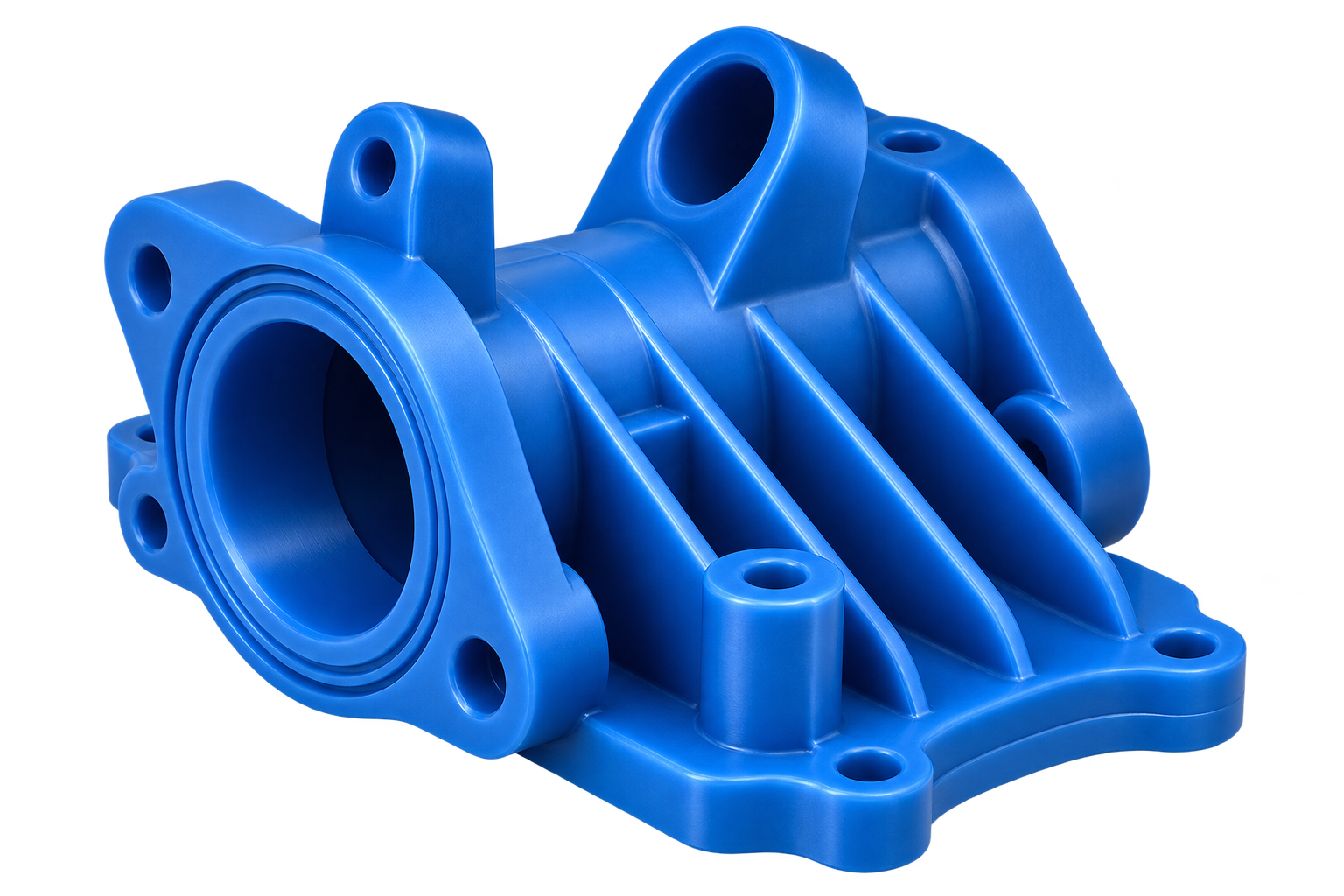
Nylon in CNC Machining
Nylon (PA) is a durable engineering thermoplastic valued for its high mechanical strength, excellent wear resistance, low friction, and good machinability. These characteristics make it an excellent material for CNC machined components that require reliable performance under repeated movement and mechanical loads.
Nylon can be precisely machined into complex geometries and functional parts while maintaining good dimensional accuracy. It is commonly used for gears, bearings, bushings, rollers, electrical components, automotive parts, fixtures, and industrial machinery components.
| Available Nylon Grades | PA6 Nylon, PA6 + GF15, PA6 + GF30, PA66 Natural, PA66 Black |
| 가격 | $ |
| 리드 타임 | 10일 미만 |
| 벽 두께 | 0.8mm |
| 허용 오차 | ±0.125 mm (±0.005 in) |
| 최대 부품 크기 | 1200 × 500 × 150 mm |
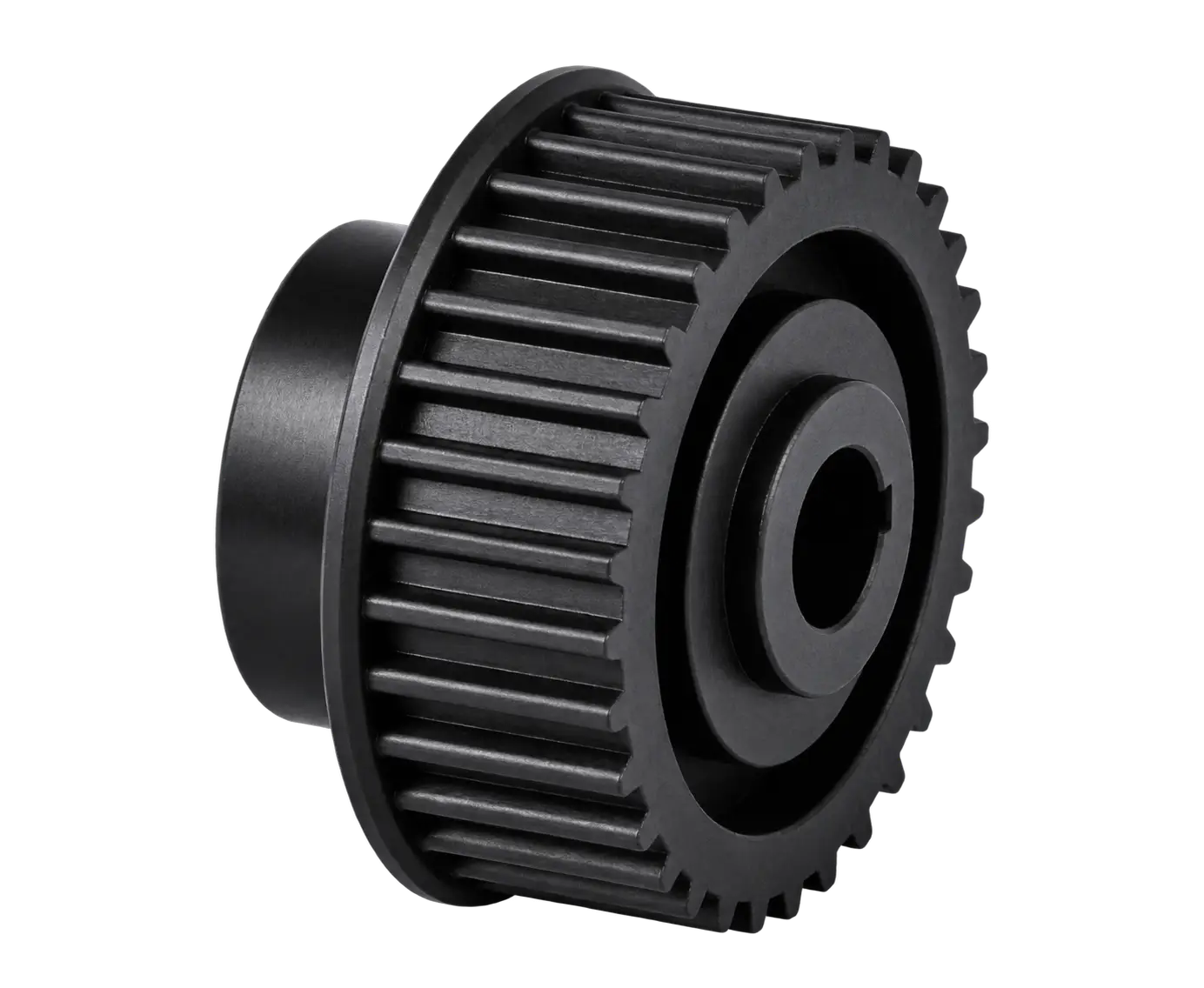
Nylon PA CNC Machining Materials
Machined Nylon Properties
Nylon (PA) is a high-performance engineering thermoplastic valued for its excellent mechanical strength, wear resistance, toughness, and low-friction characteristics. Its combination of durability and machinability makes it well suited for precision CNC components exposed to repeated movement, mechanical loads, and demanding operating conditions.
일반 CNC 가공 공차
| 설명 | 일반 허용 오차 또는 표준 |
|---|---|
| 일반 치수 공차 | ±0.005″ (±0.127 mm) for metals; ±0.010″ (±0.254 mm) for plastics in line with ISO 2768-mK unless otherwise specified |
| 엄격한 허용 오차 | Down to ±0.001″ (±0.025 mm) available upon request, with detailed 2D drawings and GD&T specifications |
| 최소 피처 크기 | ~0.020″ (0.50 mm), depends on part geometry, tool diameter, and material |
| 구멍 직경 공차 | ±0.002″ (±0.05 mm) typical; tighter tolerances with boring or reaming |
| 평탄도/평행도 | ≤0.002″ per 6″ (≤0.05 mm per 150 mm), varies by material and fixture setup |
| 스레드 공차 | ISO/ASME에 따른 표준 미터법 및 영국식 나사산, 요청 시 맞춤형 또는 미세 나사산 제공 |
| 각도 허용 오차 | 통상 ±0.5° |
| 에지 조건 | 별도의 언급이 없는 한 날카로운 모서리는 기본적으로 파손되고 디버링됩니다. |
| 표면 마감(표준) | Ra 3.2μm(125μin) 가공, 폴리싱, 비드 블라스팅, 아노다이징 등을 통해 향상된 마감 처리 가능. |
| 최대 부품 크기 | Milling: Up to 80″ × 48″ × 24″ (2,032 × 1,219 × 610 mm) Turning: Up to 62″ length × 32″ diameter (1,575 × 813 mm) |
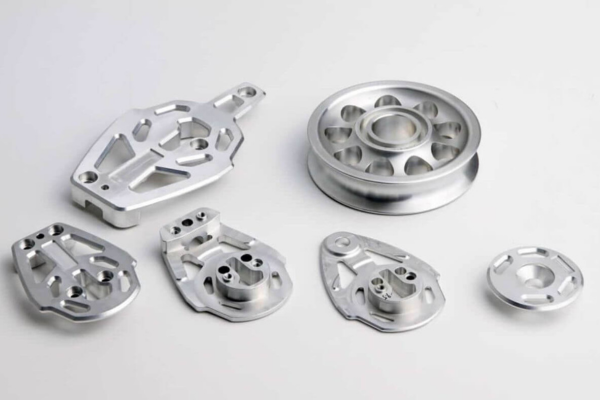
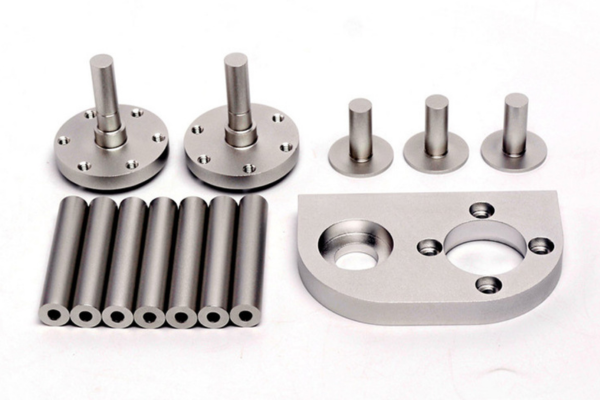
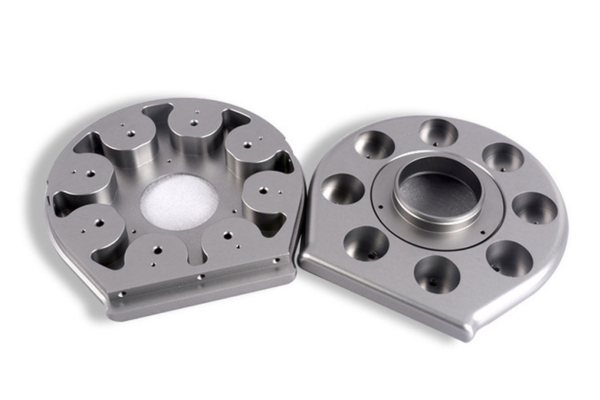
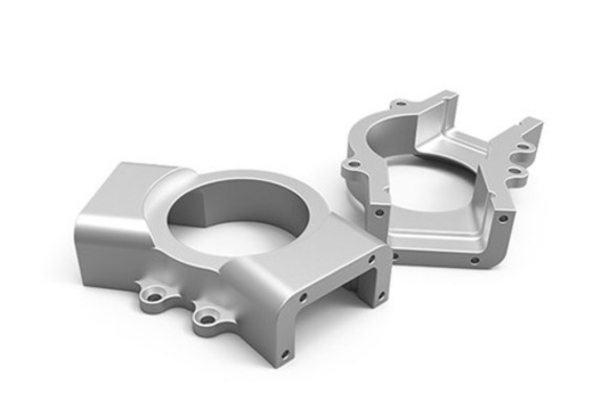
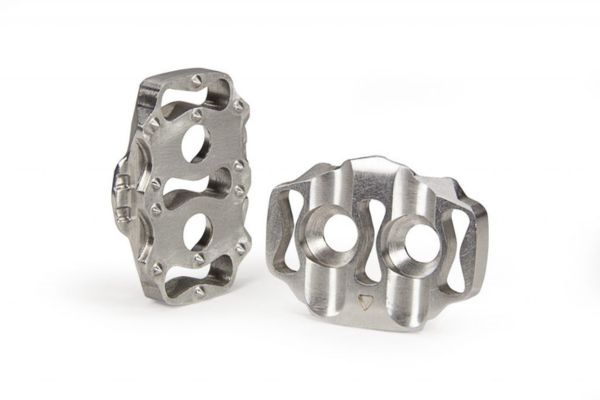

Advantages and Limitations of Nylon CNC Machining
Nylon is widely used for CNC machining because it combines strength, wear resistance, low friction, and lightweight performance. However, factors such as moisture absorption and temperature sensitivity should be considered when selecting Nylon for precision components.
- High Mechanical Strength:
Nylon provides excellent strength and toughness, making CNC-machined parts suitable for repeated loads and demanding mechanical applications. - Low Friction & Wear:
Its naturally low-friction characteristics make Nylon particularly suitable for gears, bushings, bearings, rollers, and other moving components. - Good Chemical Resistance:
Nylon performs well against many oils, greases, fuels, and common chemicals, making it useful in various industrial environments. - Lightweight Performance:
Nylon offers useful mechanical strength at a significantly lower weight than many metals, making it suitable for weight-sensitive components. - Cost-Effective Material:
Its combination of machinability, durability, and affordability makes Nylon a practical choice for prototypes, custom parts, and low-volume production.
- Moisture Absorption:
Nylon can absorb moisture from its surroundings, which may cause dimensional changes and affect mechanical properties in precision applications. - Temperature Limitations:
Although Nylon performs well under moderate temperatures, prolonged exposure to high heat can reduce its stiffness and dimensional stability. - Machining Considerations:
Nylon requires appropriate cutting tools, feeds, speeds, and heat management. Poor machining parameters may cause deformation, dimensional variation, or an inconsistent surface finish.
엘리트 몰드 기술로 디자인에 생명력 불어넣기
엘리트 몰드 테크의 정밀 CNC 가공을 경험해 보세요. 복잡한 프로토타입부터 대규모 생산까지, 당사는 고객의 아이디어를 현실화할 준비가 되어 있습니다. 지금 바로 문의하여 프로젝트에 필요한 사항을 논의하세요!
- 광범위하게 공유되는 전문성
- 시장 도달 범위 확대
- 고급 기술 통합
- 협업 혁신 기회
- 신뢰할 수 있는 온디맨드 솔루션
- 모든 업로드는 안전하고 기밀이 유지됩니다.
Nylon CNC Machining FAQs
Is Nylon difficult to machine?
Nylon is generally easy to CNC machine, but its moisture absorption and thermal sensitivity require proper machining control. Using suitable cutting tools, speeds, feeds, and cooling methods helps achieve accurate dimensions and smooth surface finishes.
Is Nylon flammable?
Recommended cutting speeds for brass vary depending on the specific alloy and machining process. Generally, cutting speeds for brass range between 100 to 300 meters per minute. The appropriate cutting speed helps maintain tool life and achieve a high-quality finish.
Which type of Nylon is best suited for machining?
PA66 (Nylon 66) is one of the most commonly used Nylon grades for CNC machining due to its high strength, stiffness, wear resistance, and thermal performance. It is suitable for producing durable precision components for demanding applications.
Which variety of Nylon is the strongest?
Brass generally offers easier machinability than aluminum. Compared to aluminum, brass has a lower tendency to stick to tools, allowing for faster machining at a lower power. Brass’s lower friction coefficient and superior chip formation result in less tool wear and higher precision during machining operations. Brass C360 is a highly machinable brass alloy, making it commonly referred to as free-machining brass.