
Brass CNC Machining Service
Receive instant quotations for superior-quality, high-precision custom CNC machined brass parts. Get rapid prototypes and production parts in just a few days with high-quality finishes.
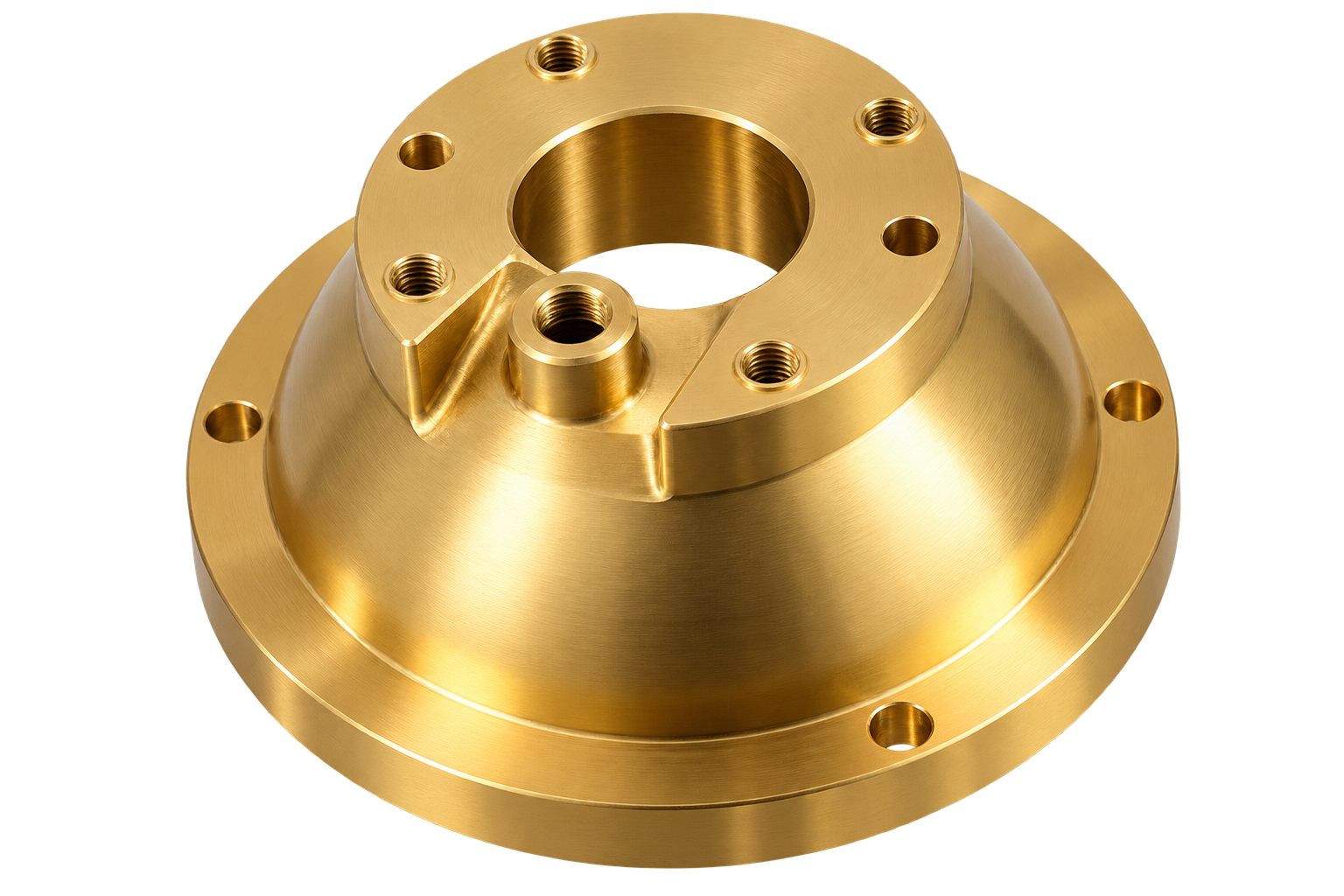
CNC 가공에서의 황동
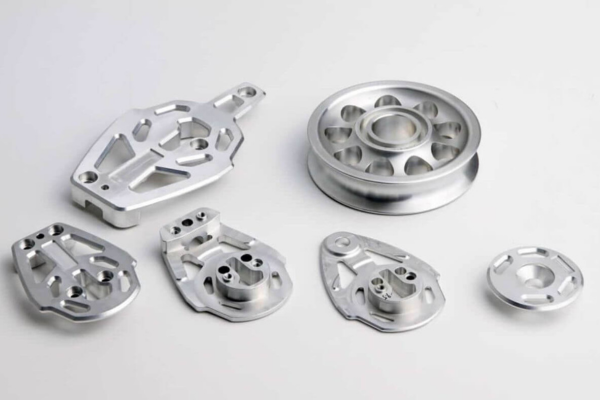
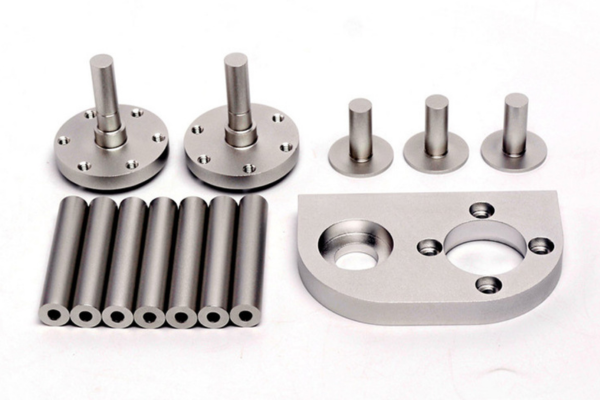
황동은 구리와 아연의 합금으로, CNC 가공에서 흔히 사용되는 합금입니다. 이 소재는 뛰어난 가공성, 내식성, 그리고 매력적인 외관으로 잘 알려져 있습니다. 가공성이 매우 뛰어나 높은 이송 속도를 적용할 수 있으며, 냉각수 사용량도 최소화할 수 있습니다. 납이 첨가되면 황동의 가공성이 놀라울 정도로 향상되어, 모든 구리 합금 중에서 가장 가공하기 쉬운 소재가 됩니다. 이러한 특성 덕분에 황동의 CNC 가공은 해양 산업과 같이 내식성이 요구되는 기계적 응용 분야에 탁월한 선택입니다.
| Available Brass | 황동 C27400, C28000, C36000 |
| 가격 | $ |
| 리드 타임 | 10일 미만 |
| 벽 두께 | 0.75 mm |
| 허용 오차 | ±0.005″ (±0.125mm) |
| 최대 부품 크기 | 200 cm x 80 cm x 100 cm |
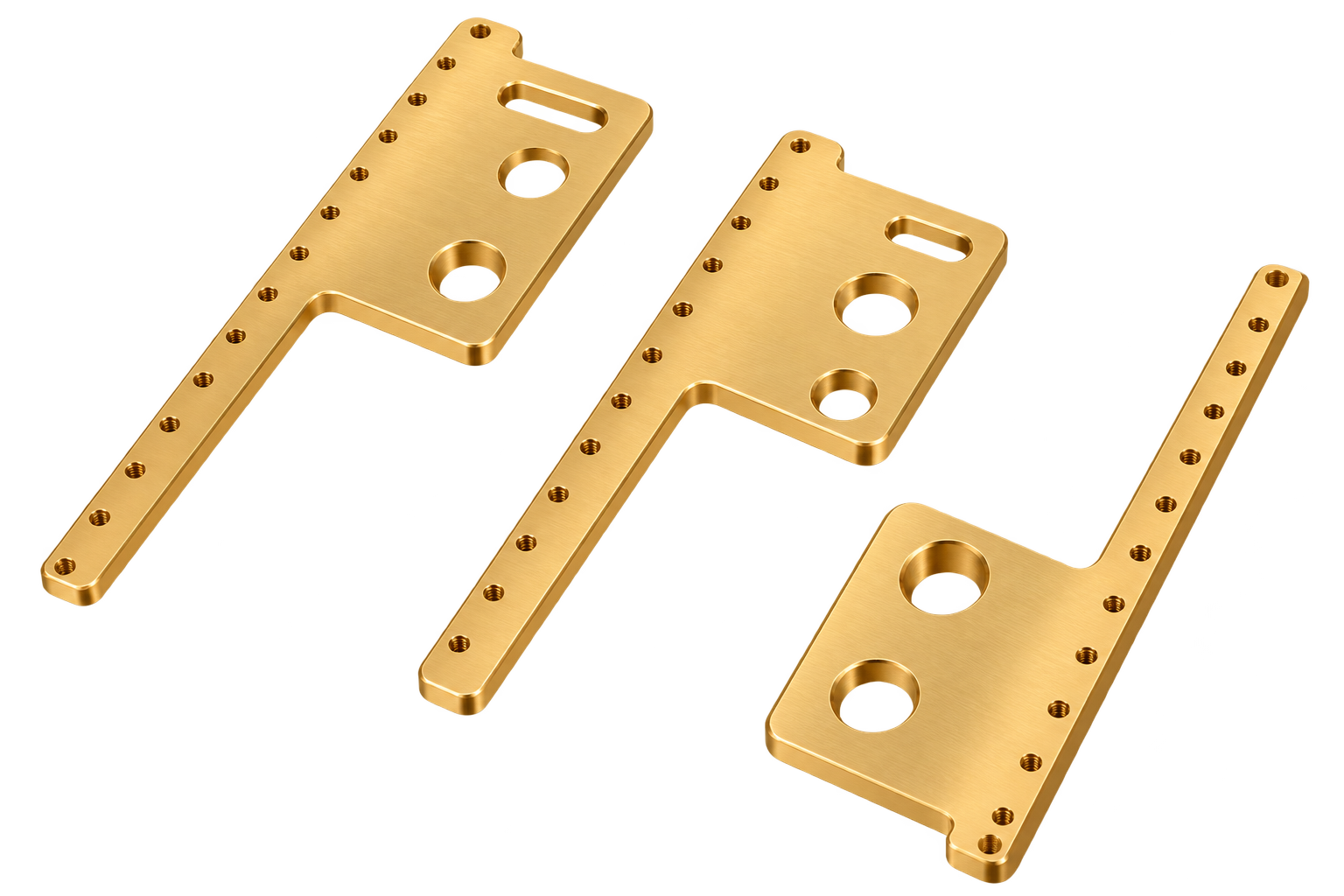
Brass CNC Machining Materials
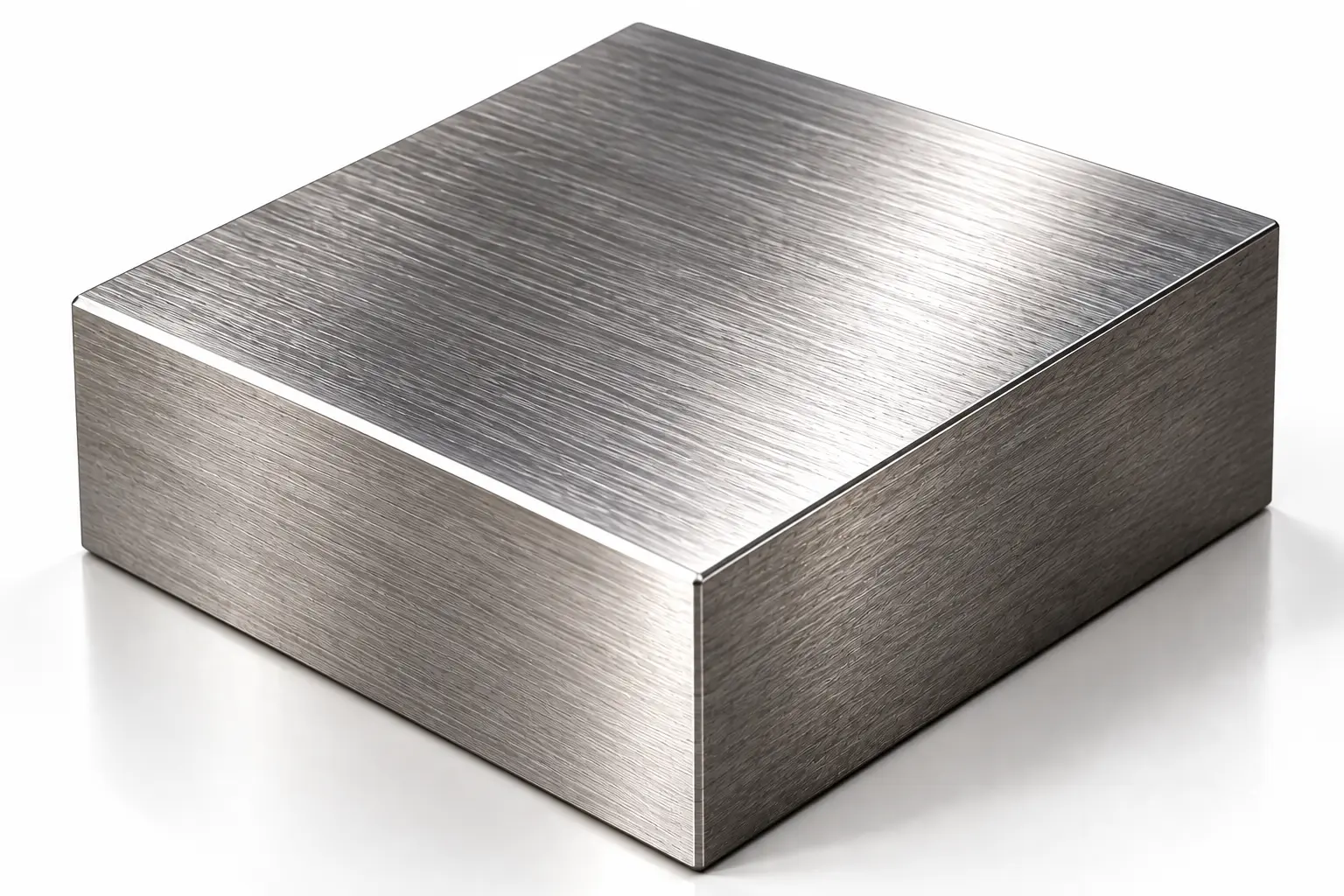
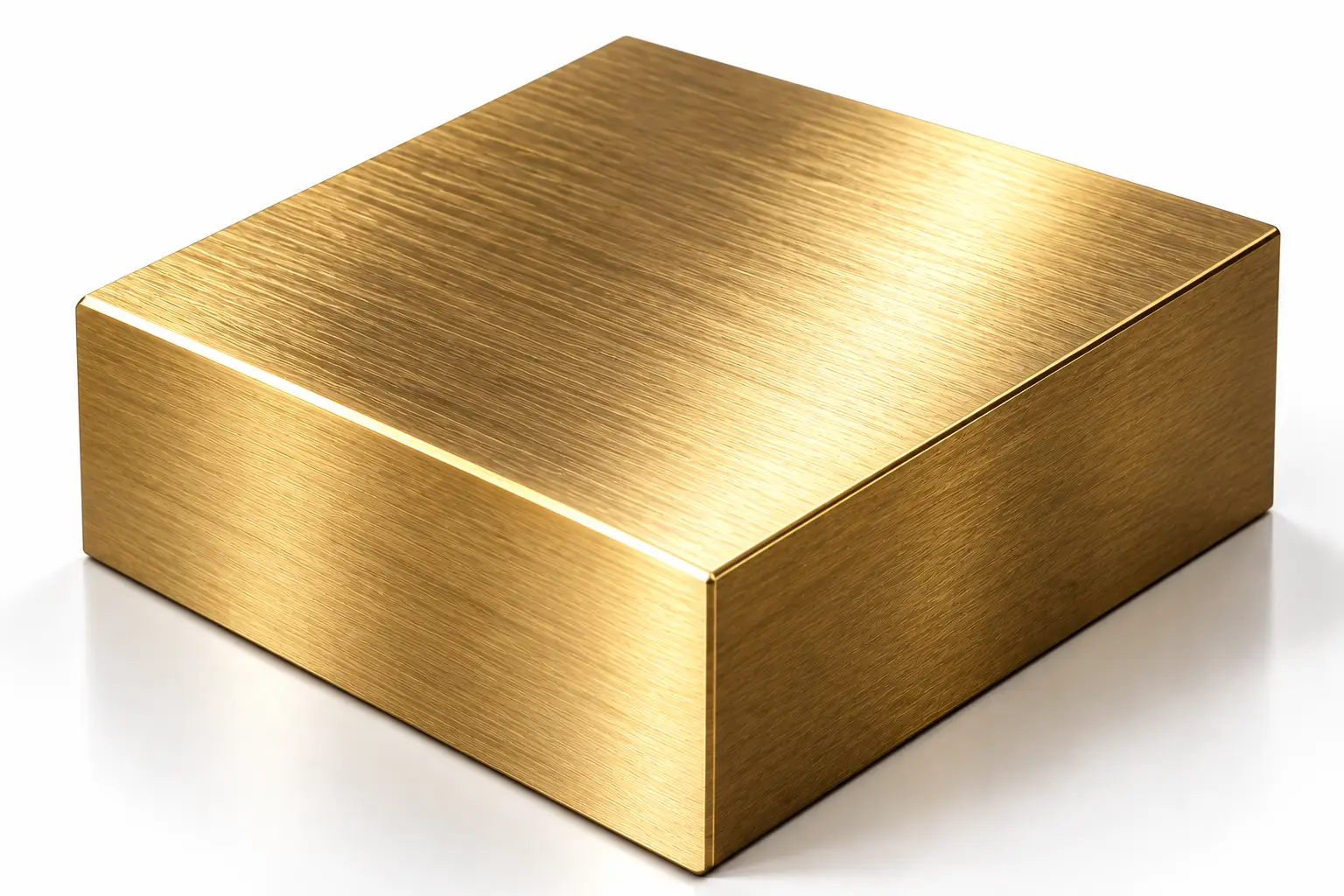
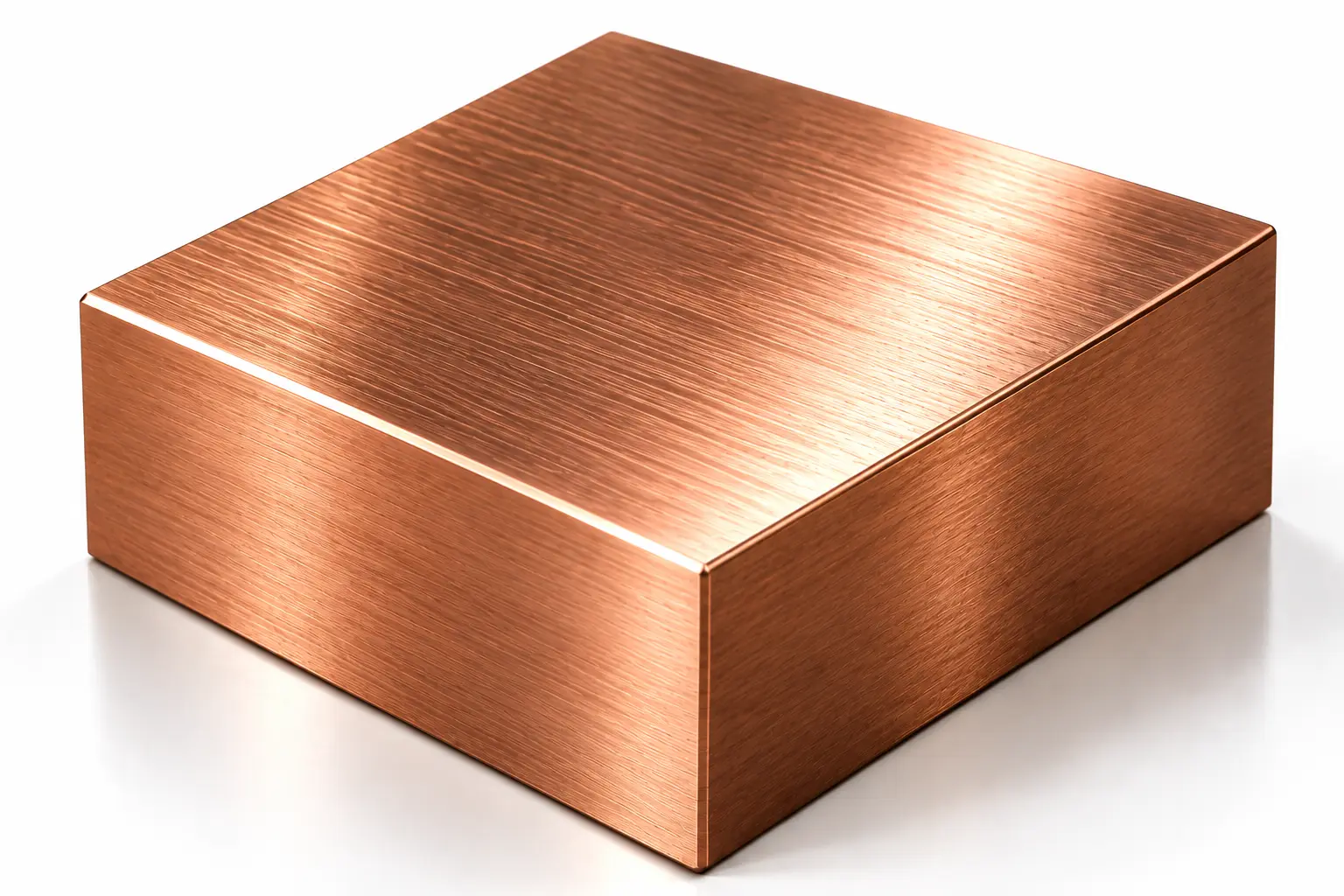
황동 C27400
황동 C28000
Brass C36000
일반 CNC 가공 공차
| 설명 | 일반 허용 오차 또는 표준 |
|---|---|
| 일반 치수 공차 | ±0.005″ (±0.127 mm) for metals; ±0.010″ (±0.254 mm) for plastics in line with ISO 2768-mK unless otherwise specified |
| 엄격한 허용 오차 | Down to ±0.001″ (±0.025 mm) available upon request, with detailed 2D drawings and GD&T specifications |
| 최소 피처 크기 | ~0.020″ (0.50 mm), depends on part geometry, tool diameter, and material |
| 구멍 직경 공차 | ±0.002″ (±0.05 mm) typical; tighter tolerances with boring or reaming |
| 평탄도/평행도 | ≤0.002″ per 6″ (≤0.05 mm per 150 mm), varies by material and fixture setup |
| 스레드 공차 | ISO/ASME에 따른 표준 미터법 및 영국식 나사산, 요청 시 맞춤형 또는 미세 나사산 제공 |
| 각도 허용 오차 | 통상 ±0.5° |
| 에지 조건 | 별도의 언급이 없는 한 날카로운 모서리는 기본적으로 파손되고 디버링됩니다. |
| 표면 마감(표준) | Ra 3.2μm(125μin) 가공, 폴리싱, 비드 블라스팅, 아노다이징 등을 통해 향상된 마감 처리 가능. |
| 최대 부품 크기 | Milling: Up to 80″ × 48″ × 24″ (2,032 × 1,219 × 610 mm) Turning: Up to 62″ length × 32″ diameter (1,575 × 813 mm) |

Advantages and Limitations of Brass CNC Machining
황동 가공은 여러 가지 장점을 지니고 있어 다양한 산업 분야에서 널리 활용되고 있습니다. 그러나 특정 용도에 적합한 소재인지 판단하기 위해서는 장점과 한계를 모두 고려하는 것이 중요합니다.
- Exceptional Machinability: Brass is highly machinable, allowing for precise and efficient machining.
- 내식성: It offers high resistance to corrosion, making it suitable for harsh environments.
- Aesthetic Appeal: Its appearance is attractive and ideal for decorative and aesthetic applications.
- Good Conductivity: Brass has excellent thermal and electrical conductivity.
- Versatility: Brass can also be used in various industries, from electronics to plumbing.
- Higher Material Cost: Brass can be more expensive compared to some other metals.
- Potential for Dezincification: In certain environments, brass can suffer from loss of zinc, leading to weakened material.
엘리트 몰드 기술로 디자인에 생명력 불어넣기
엘리트 몰드 테크의 정밀 CNC 가공을 경험해 보세요. 복잡한 프로토타입부터 대규모 생산까지, 당사는 고객의 아이디어를 현실화할 준비가 되어 있습니다. 지금 바로 문의하여 프로젝트에 필요한 사항을 논의하세요!
- 광범위하게 공유되는 전문성
- 시장 도달 범위 확대
- 고급 기술 통합
- 협업 혁신 기회
- 신뢰할 수 있는 온디맨드 솔루션
- 모든 업로드는 안전하고 기밀이 유지됩니다.
Brass CNC Machining FAQs
Is brass a suitable material for machining?
Yes, brass is an excellent material for machining due to its low friction coefficient and excellent machinability. It allows for precise cutting and shaping, making it ideal for detailed and intricate parts.
How is brass rated in terms of machinability?
Recommended cutting speeds for brass vary depending on the specific alloy and machining process. Generally, cutting speeds for brass range between 100 to 300 meters per minute. The appropriate cutting speed helps maintain tool life and achieve a high-quality finish.
What are the recommended cutting speeds for brass?
The appropriate cutting speed depends on the brass grade, tool material, machining operation, and machine setup. Start with the cutting tool manufacturer’s recommendations and adjust for surface finish, chip control, and tool life.
Does brass offer easier machinability than aluminum?
Brass generally offers easier machinability than aluminum. Compared to aluminum, brass has a lower tendency to stick to tools, allowing for faster machining at a lower power. Brass’s lower friction coefficient and superior chip formation result in less tool wear and higher precision during machining operations. Brass C360 is a highly machinable brass alloy, making it commonly referred to as free-machining brass.
Can you provide some tips for CNC machining brass?
To optimize CNC brass machining, consider the following tips:
- Use carbide cutting tools or cutters with carbide: This will help you significantly improve the material removal rate and extend the tool life. Additionally, it will allow you to increase the run speed of mills.
- Apply spindle liners: This protects the workpiece, machine, and operators while minimizing clearance to reduce vibration and bar whip. It also allows the machine to run at higher speeds, ensuring the quality of turned or milled brass parts.
- Maintain proper cutting speeds: Adjust cutting speeds according to the brass alloy and machining process to prevent tool wear and achieve a smooth finish.
- Ensure adequate lubrication: Proper lubrication minimizes friction, reduces heat buildup, and prolongs tool life.
- Optimize tool paths: Plan efficient tool paths to reduce machining time and improve surface quality.