
Brass CNC Machining Service
Receive instant quotations for superior-quality, high-precision custom CNC machined brass parts. Get rapid prototypes and production parts in just a few days with high-quality finishes.
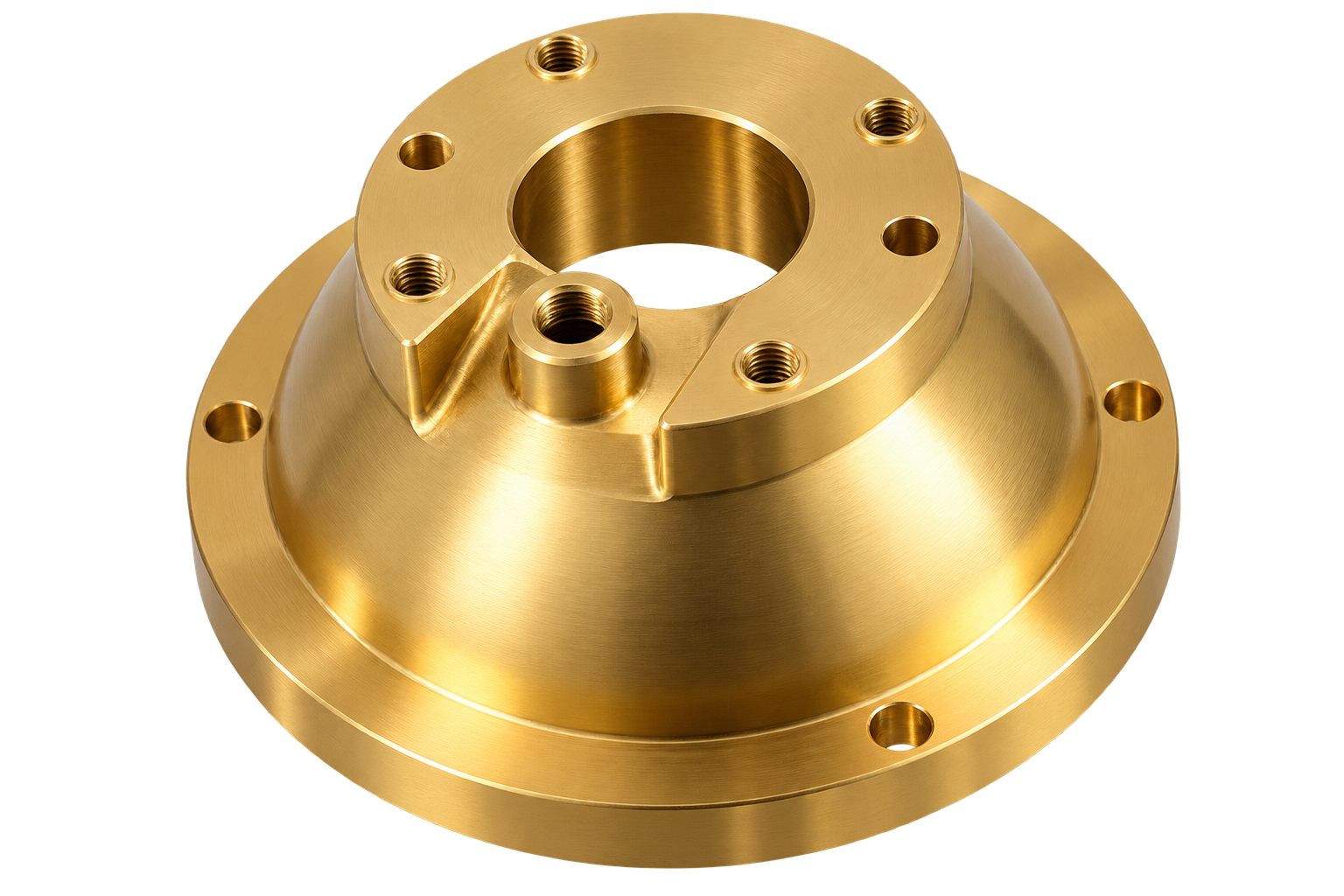
Brass in CNC Machining
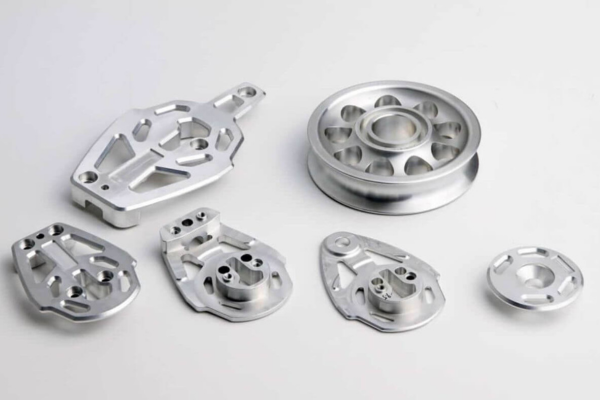
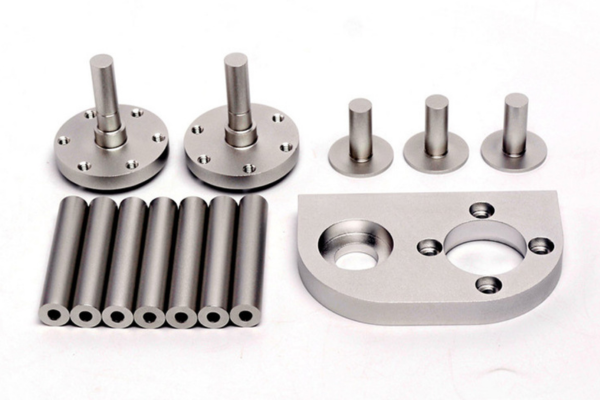
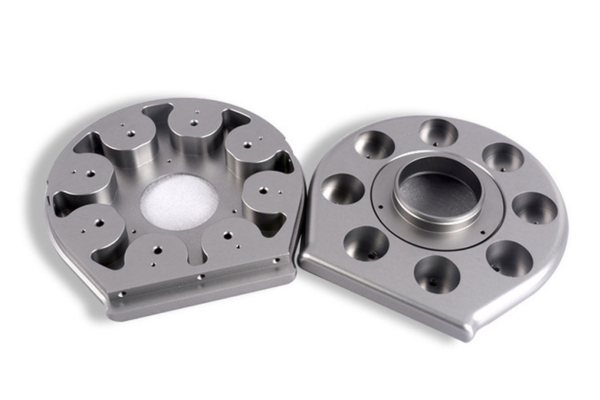
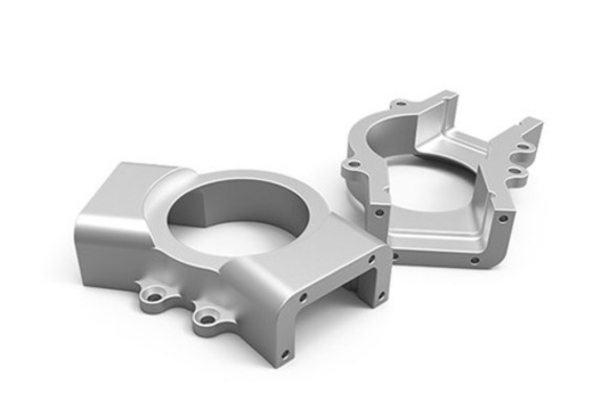
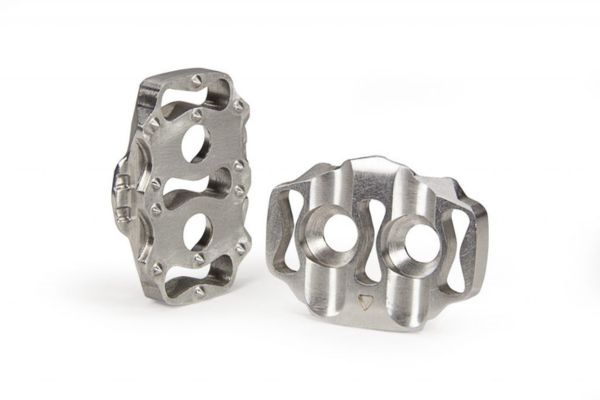
Brass is a combination of copper and zinc, commonly used as an alloy in CNC machining. This material is known for its exceptional machinability, corrosion resistance, and attractive appearance. This material is highly machinable, allowing for high feedrates and minimal coolant requirements. With the addition of lead, brass becomes incredibly easy to work with, making it the most machinable option among all copper alloys. These properties make CNC machining brass a great choice for mechanical applications that need corrosion resistance, like those found in the marine industry.
| Available Brass | Brass C27400, C28000, C36000 |
| Prix | $ |
| Délai de livraison | Moins de 10 jours |
| Épaisseur de la paroi | 0,75 mm |
| Tolérances | ±0.005″ (±0.125mm) |
| Taille maximale des pièces | 200 cm x 80 cm x 100 cm |
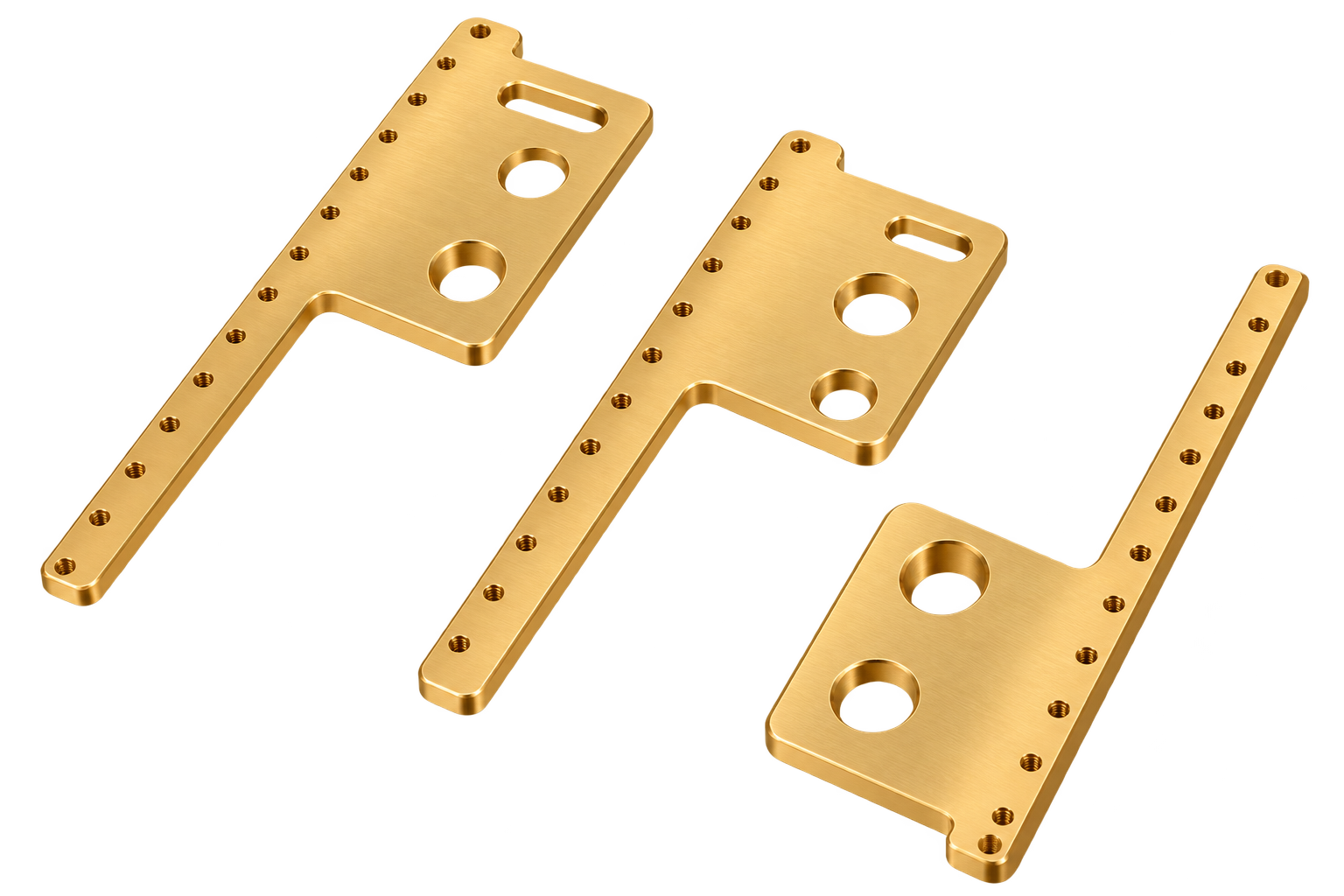
Brass CNC Machining Materials
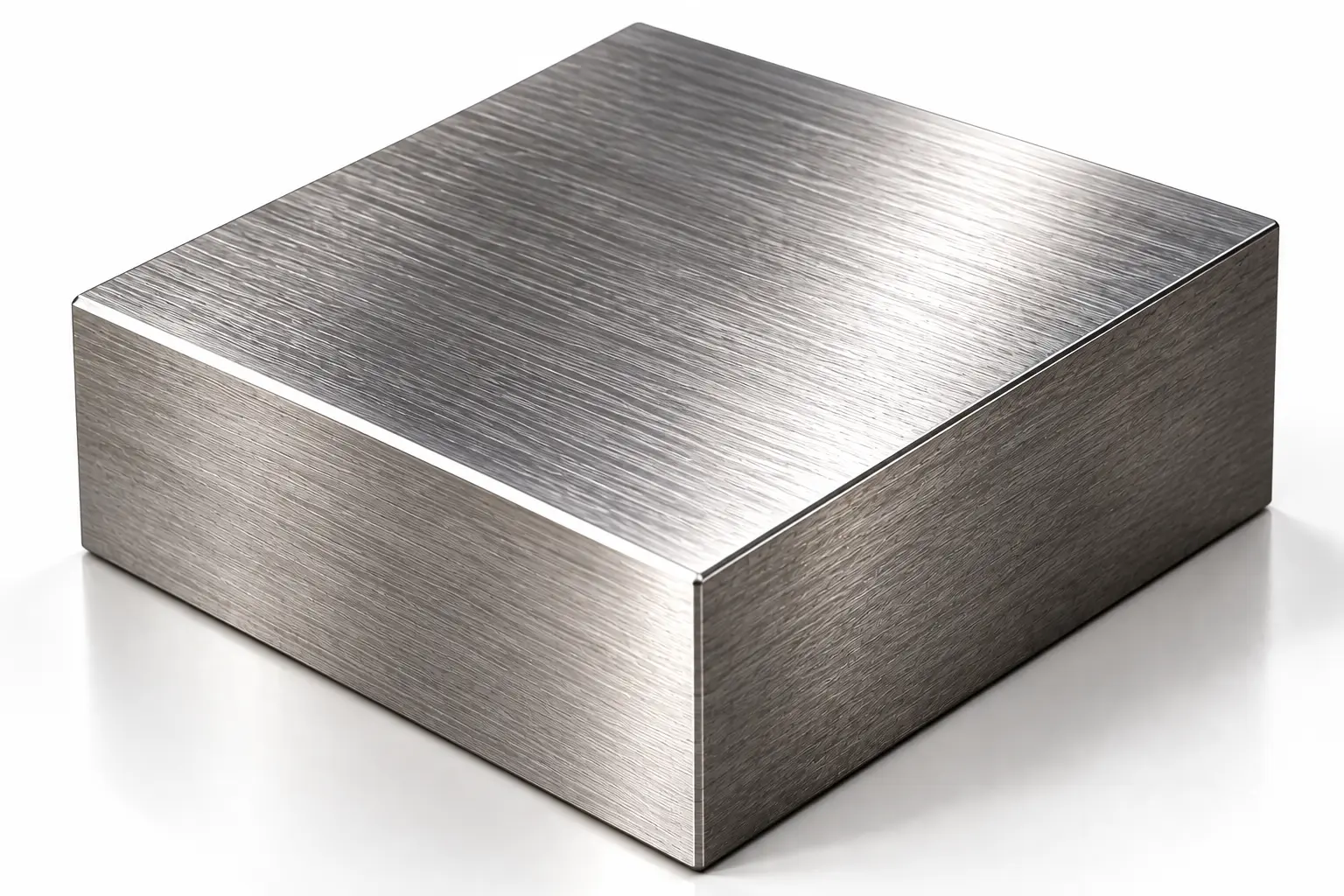
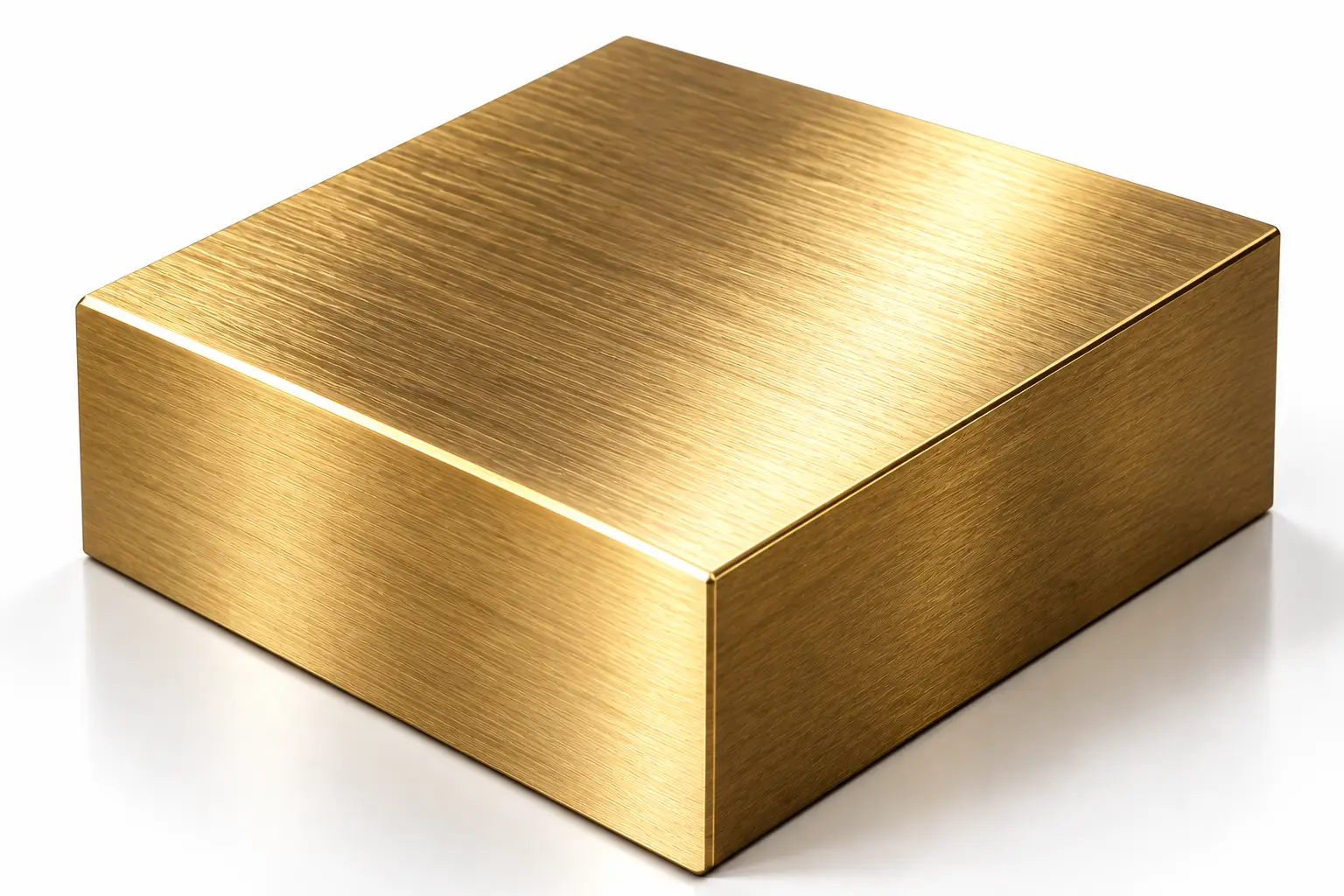
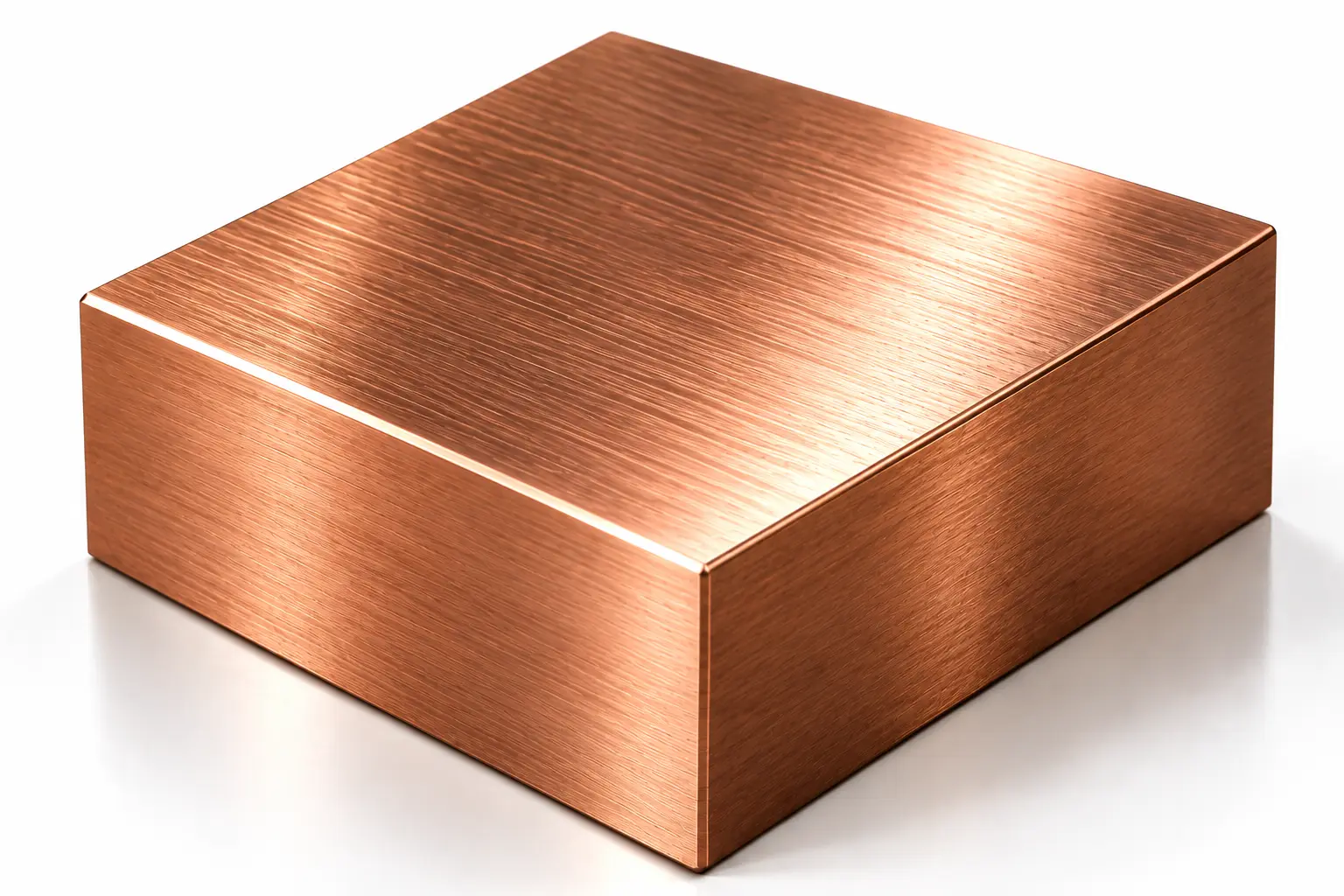
Brass C27400
Brass C28000
Brass C36000
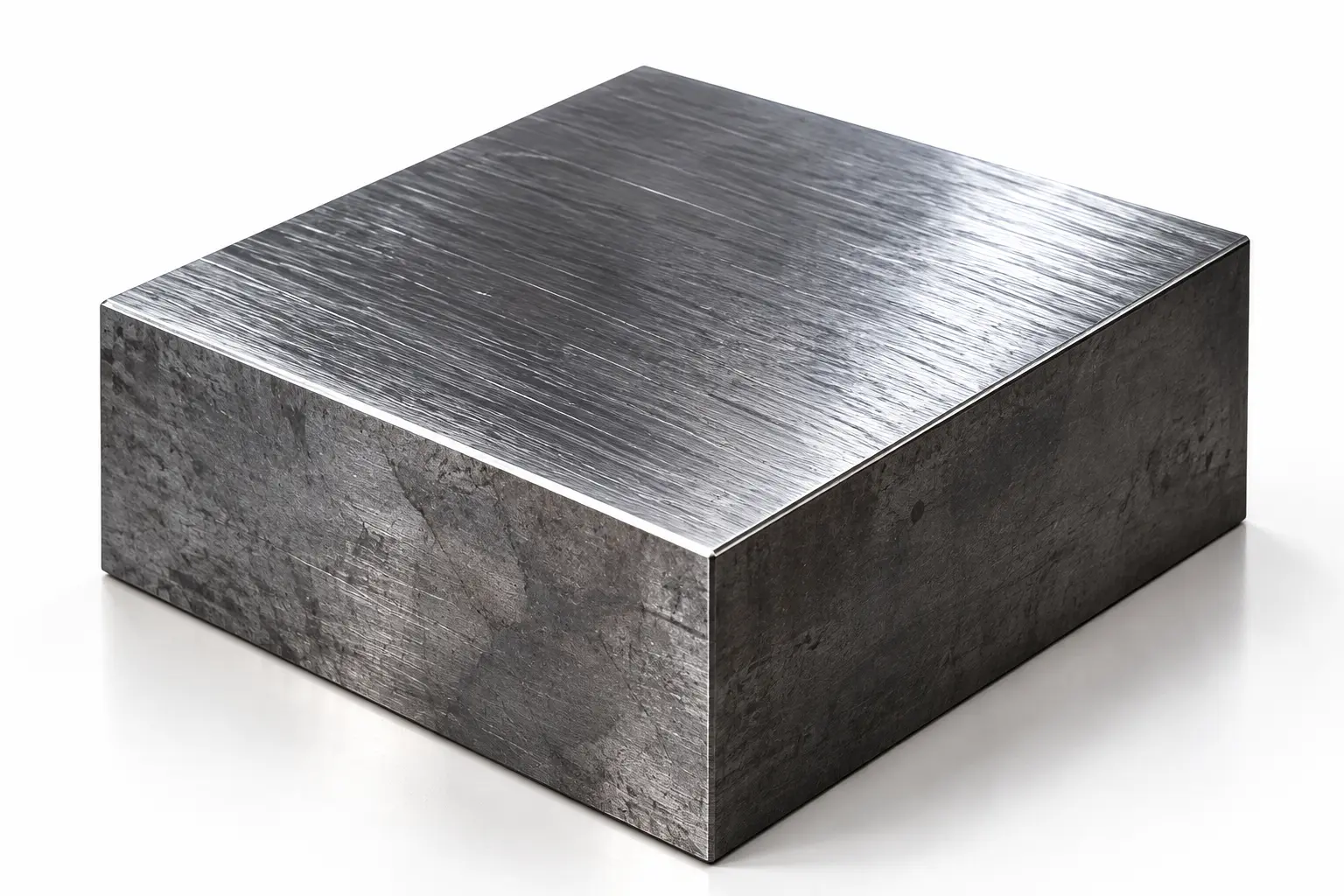
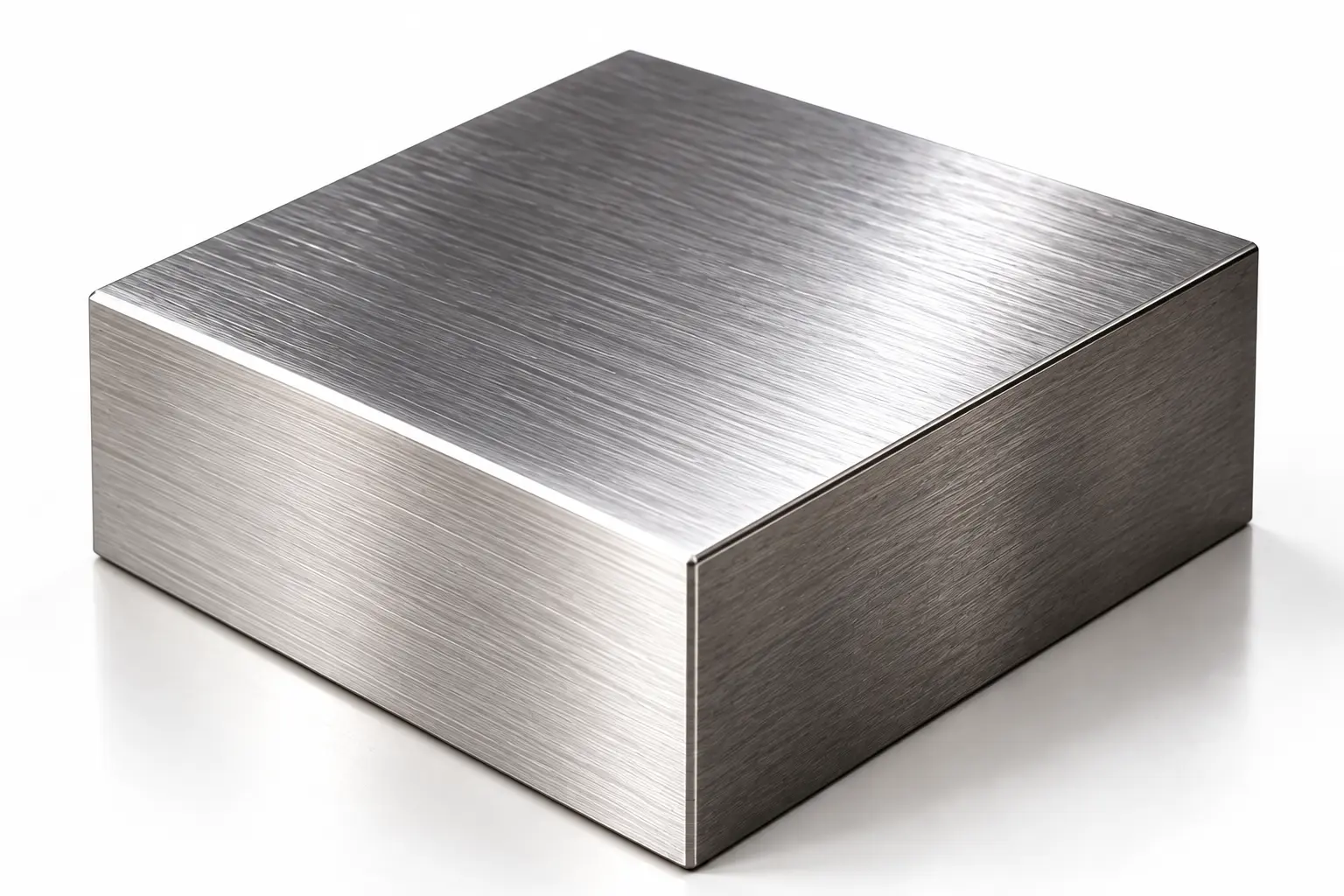
Tolérances générales d'usinage CNC
| Description | Tolérance générale ou norme |
|---|---|
| Tolérances dimensionnelles générales | ±0.005″ (±0.127 mm) for metals; ±0.010″ (±0.254 mm) for plastics in line with ISO 2768-mK unless otherwise specified |
| Tolérances serrées | Down to ±0.001″ (±0.025 mm) available upon request, with detailed 2D drawings and GD&T specifications |
| Taille minimale de l'objet | ~0.020″ (0.50 mm), depends on part geometry, tool diameter, and material |
| Tolérance sur le diamètre du trou | ±0.002″ (±0.05 mm) typical; tighter tolerances with boring or reaming |
| Planéité/parallélisme | ≤0.002″ per 6″ (≤0.05 mm per 150 mm), varies by material and fixture setup |
| Tolérances de filetage | Filets métriques et impériaux standard selon ISO/ASME ; filets personnalisés ou fins disponibles sur demande |
| Tolérance angulaire | ±0,5° typique |
| État des bords | Les arêtes vives sont cassées et ébarbées par défaut, sauf indication contraire. |
| Finition de la surface (standard) | Ra 3,2 μm (125 μin) tel qu'usiné ; des finitions améliorées sont disponibles par polissage, microbillage, anodisation, etc. |
| Taille maximale des pièces | Milling: Up to 80″ × 48″ × 24″ (2,032 × 1,219 × 610 mm) Turning: Up to 62″ length × 32″ diameter (1,575 × 813 mm) |

Advantages and Limitations of Brass CNC Machining
Brass machining offers numerous advantages, making it a popular choice for various industries. However, it is essential to consider both the benefits and limitations to determine if it is the right material for your specific application.
- Exceptional Machinability: Brass is highly machinable, allowing for precise and efficient machining.
- Résistance à la corrosion : It offers high resistance to corrosion, making it suitable for harsh environments.
- Aesthetic Appeal: Its appearance is attractive and ideal for decorative and aesthetic applications.
- Good Conductivity: Brass has excellent thermal and electrical conductivity.
- Versatility: Brass can also be used in various industries, from electronics to plumbing.
- Higher Material Cost: Brass can be more expensive compared to some other metals.
- Potential for Dezincification: In certain environments, brass can suffer from loss of zinc, leading to weakened material.
Donnez vie à vos créations avec Elite Mold Tech
Faites l'expérience de l'usinage CNC de précision avec Elite Mold Tech. Des prototypes complexes à la production à grande échelle, nous sommes prêts à concrétiser vos idées. Contactez-nous dès aujourd'hui pour discuter des besoins de votre projet !
- Une expertise largement partagée
- Extension de la portée du marché
- Technologie avancée intégrée
- Possibilités d'innovation en collaboration
- Des solutions fiables à la demande
- Tous les téléchargements sont sécurisés et confidentiels
Brass CNC Machining FAQs
Is brass a suitable material for machining?
Yes, brass is an excellent material for machining due to its low friction coefficient and excellent machinability. It allows for precise cutting and shaping, making it ideal for detailed and intricate parts.
How is brass rated in terms of machinability?
Recommended cutting speeds for brass vary depending on the specific alloy and machining process. Generally, cutting speeds for brass range between 100 to 300 meters per minute. The appropriate cutting speed helps maintain tool life and achieve a high-quality finish.
What are the recommended cutting speeds for brass?
The appropriate cutting speed depends on the brass grade, tool material, machining operation, and machine setup. Start with the cutting tool manufacturer’s recommendations and adjust for surface finish, chip control, and tool life.
Does brass offer easier machinability than aluminum?
Brass generally offers easier machinability than aluminum. Compared to aluminum, brass has a lower tendency to stick to tools, allowing for faster machining at a lower power. Brass’s lower friction coefficient and superior chip formation result in less tool wear and higher precision during machining operations. Brass C360 is a highly machinable brass alloy, making it commonly referred to as free-machining brass.
Can you provide some tips for CNC machining brass?
To optimize CNC brass machining, consider the following tips:
- Use carbide cutting tools or cutters with carbide: This will help you significantly improve the material removal rate and extend the tool life. Additionally, it will allow you to increase the run speed of mills.
- Apply spindle liners: This protects the workpiece, machine, and operators while minimizing clearance to reduce vibration and bar whip. It also allows the machine to run at higher speeds, ensuring the quality of turned or milled brass parts.
- Maintain proper cutting speeds: Adjust cutting speeds according to the brass alloy and machining process to prevent tool wear and achieve a smooth finish.
- Ensure adequate lubrication: Proper lubrication minimizes friction, reduces heat buildup, and prolongs tool life.
- Optimize tool paths: Plan efficient tool paths to reduce machining time and improve surface quality.