
Brass CNC Machining Service
Receive instant quotations for superior-quality, high-precision custom CNC machined brass parts. Get rapid prototypes and production parts in just a few days with high-quality finishes.
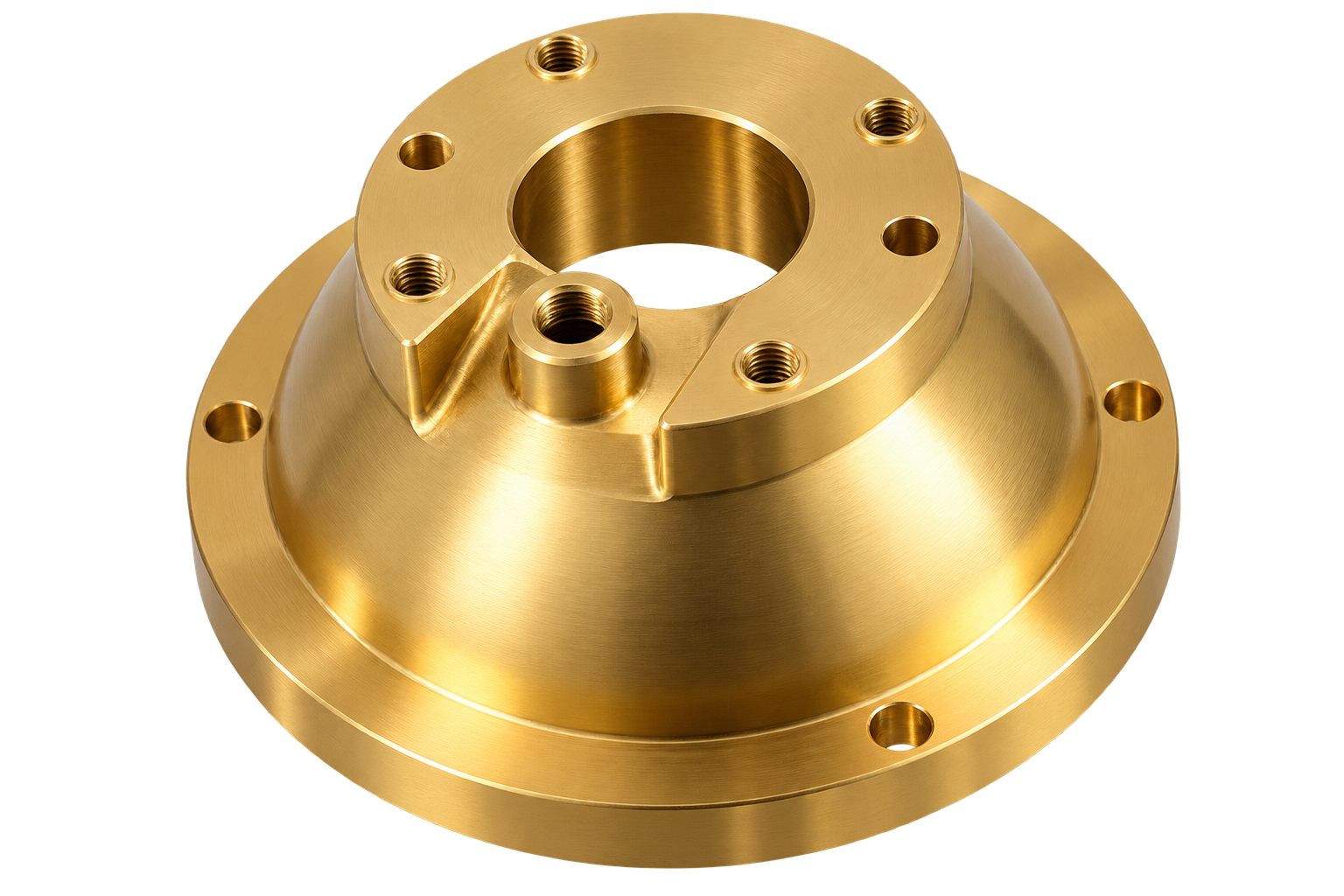
Brass in CNC Machining
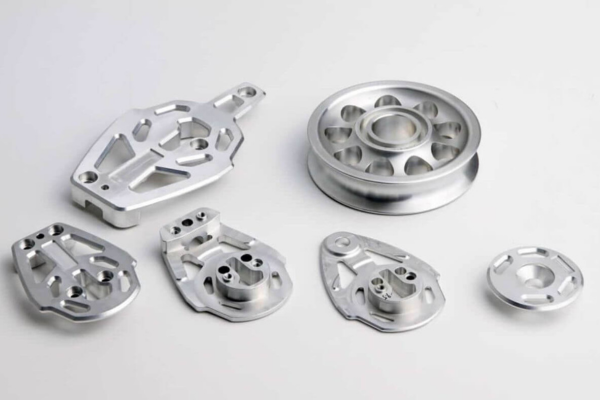
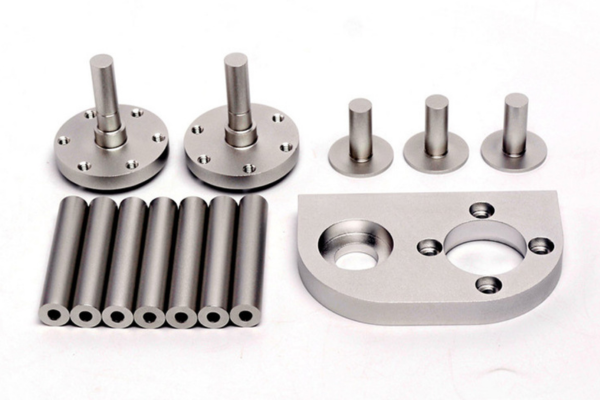
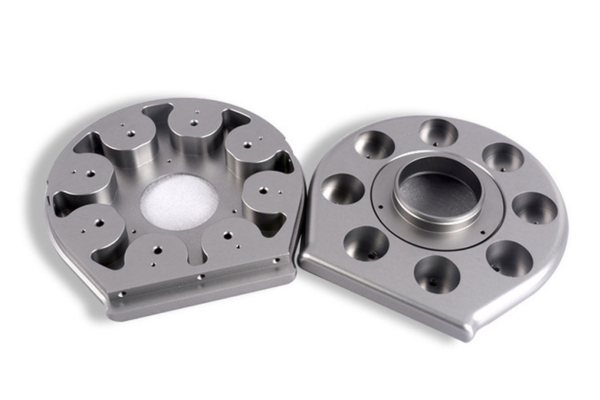
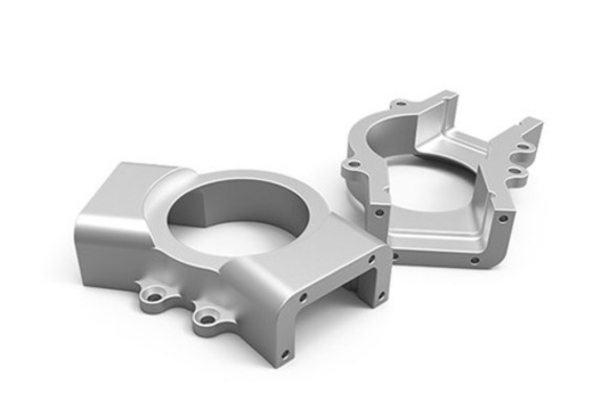
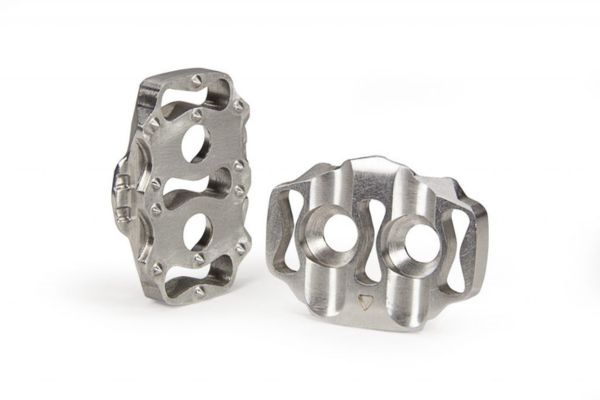
Brass is a combination of copper and zinc, commonly used as an alloy in CNC machining. This material is known for its exceptional machinability, corrosion resistance, and attractive appearance. This material is highly machinable, allowing for high feedrates and minimal coolant requirements. With the addition of lead, brass becomes incredibly easy to work with, making it the most machinable option among all copper alloys. These properties make CNC machining brass a great choice for mechanical applications that need corrosion resistance, like those found in the marine industry.
| Available Brass | Brass C27400, C28000, C36000 |
| Preço | $ |
| Prazo de entrega | Menos de 10 dias |
| Espessura da parede | 0,75 mm |
| Tolerâncias | ±0,005″ (±0,125 mm) |
| Tamanho máximo da peça | 200 cm x 80 cm x 100 cm |
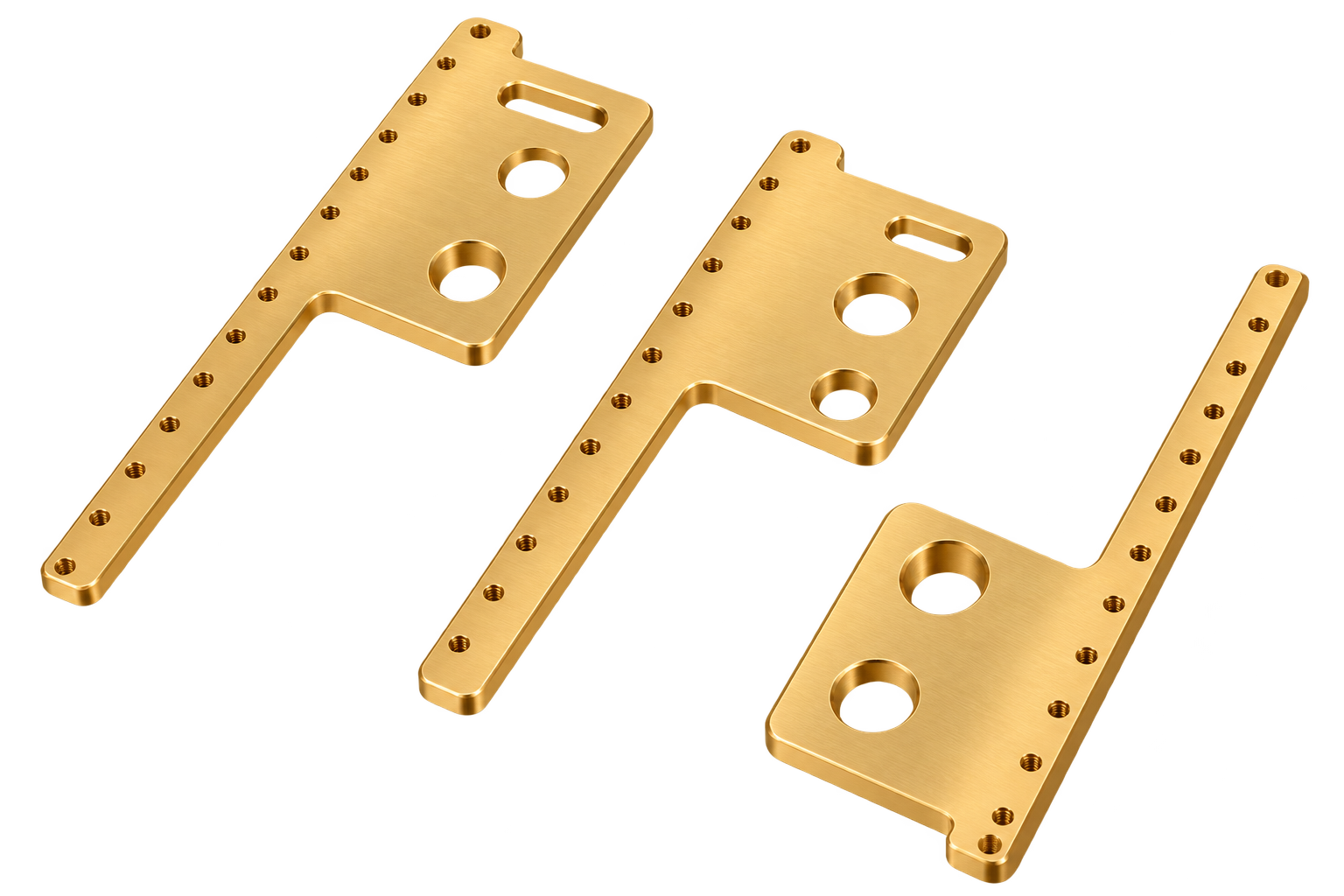
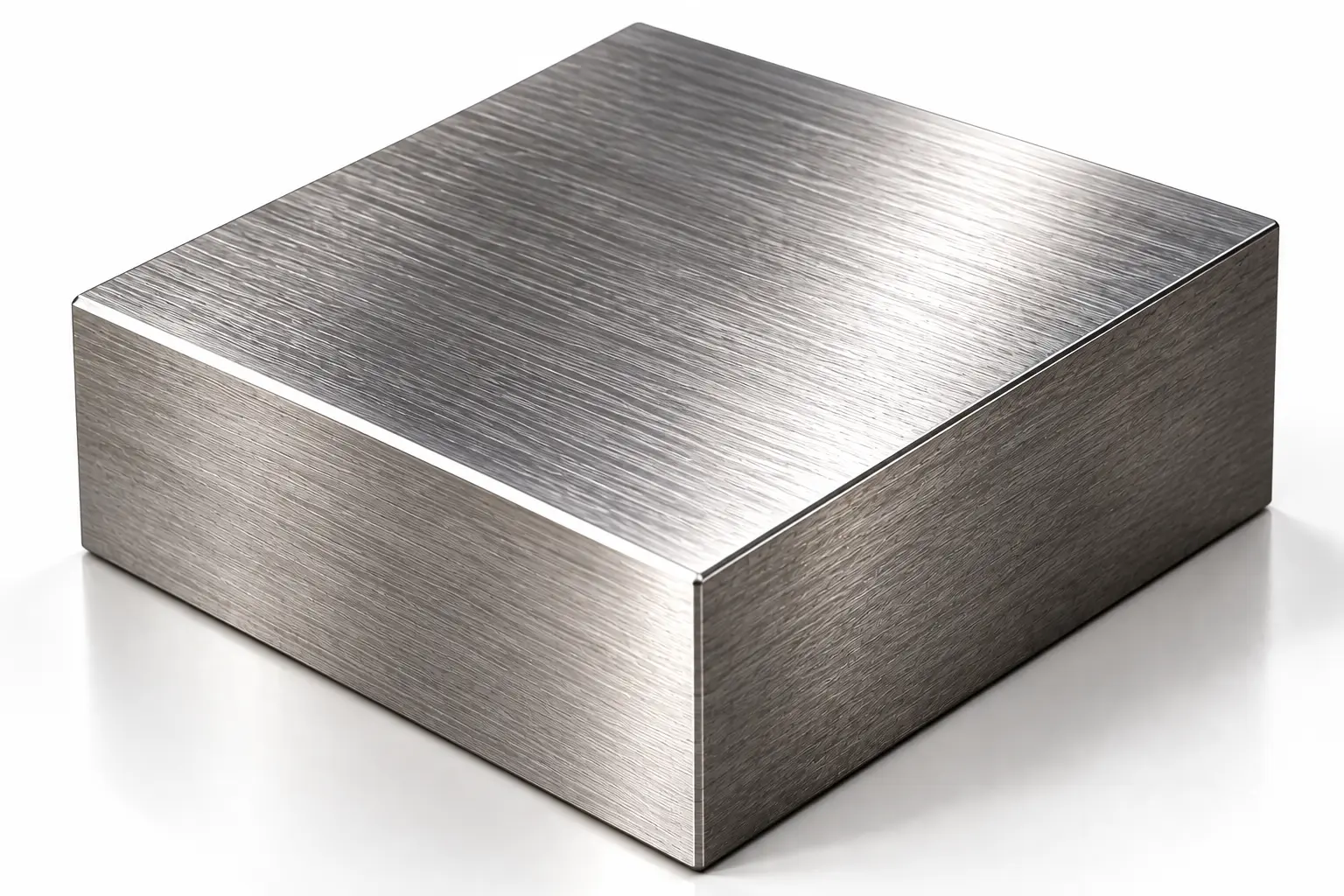
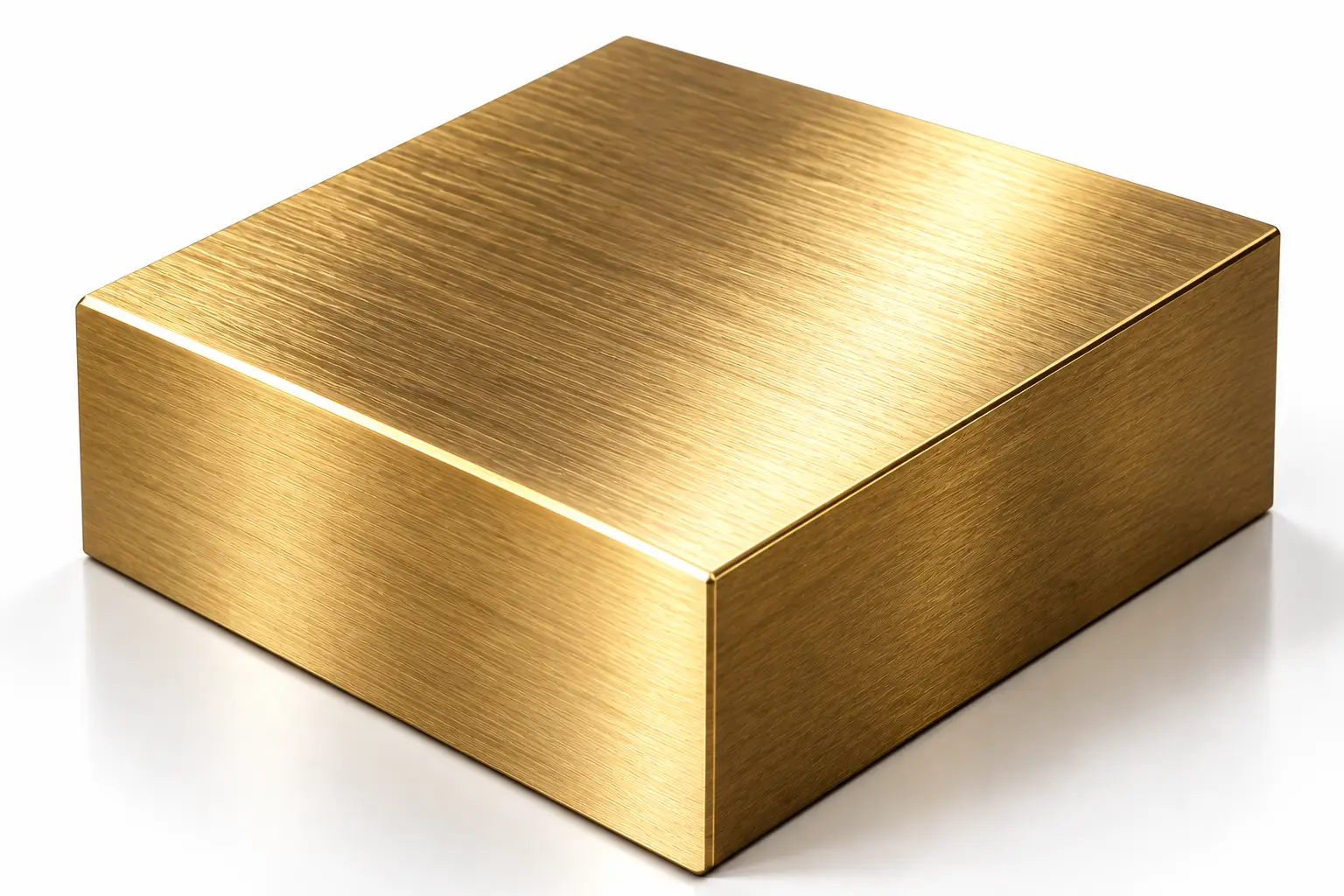
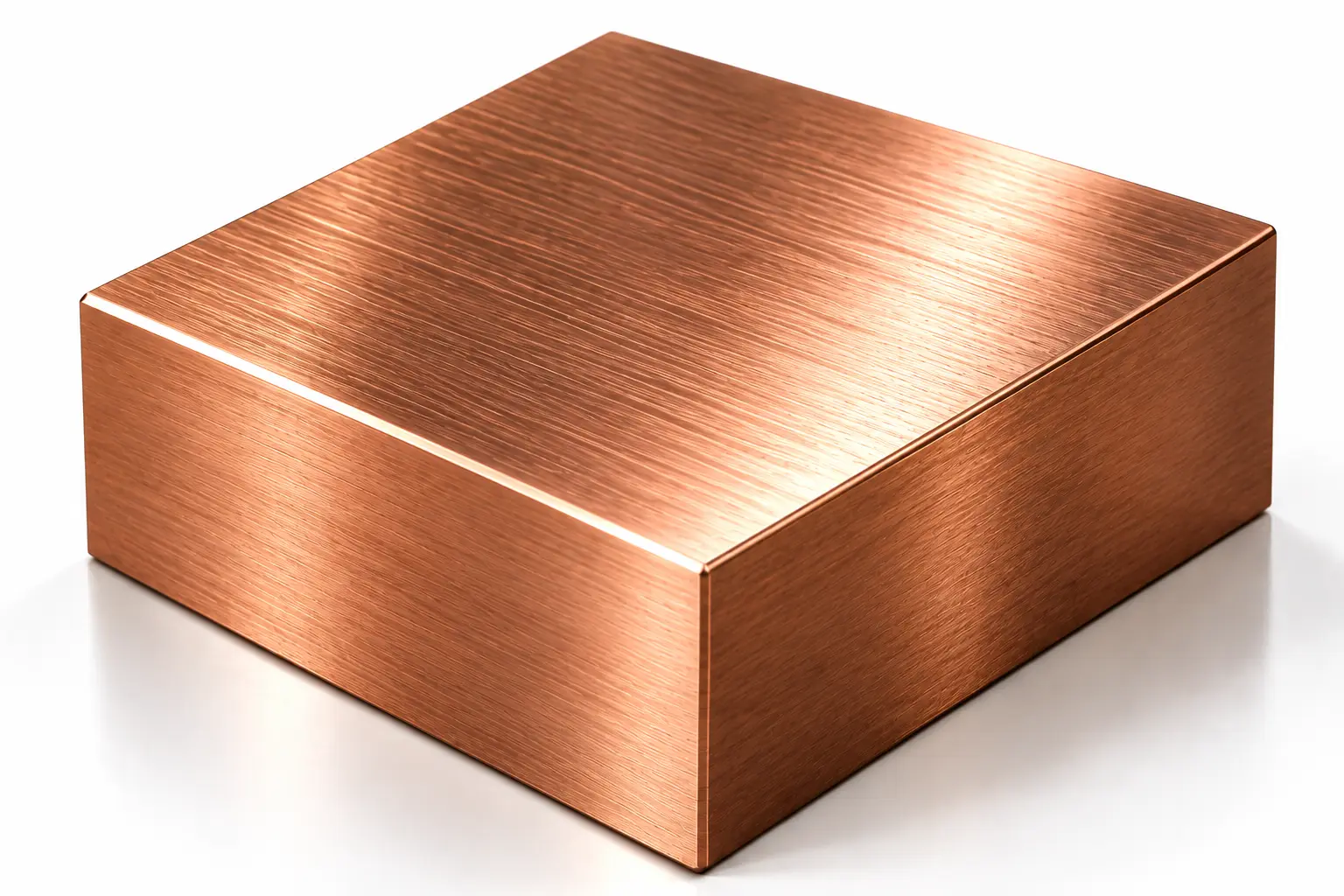
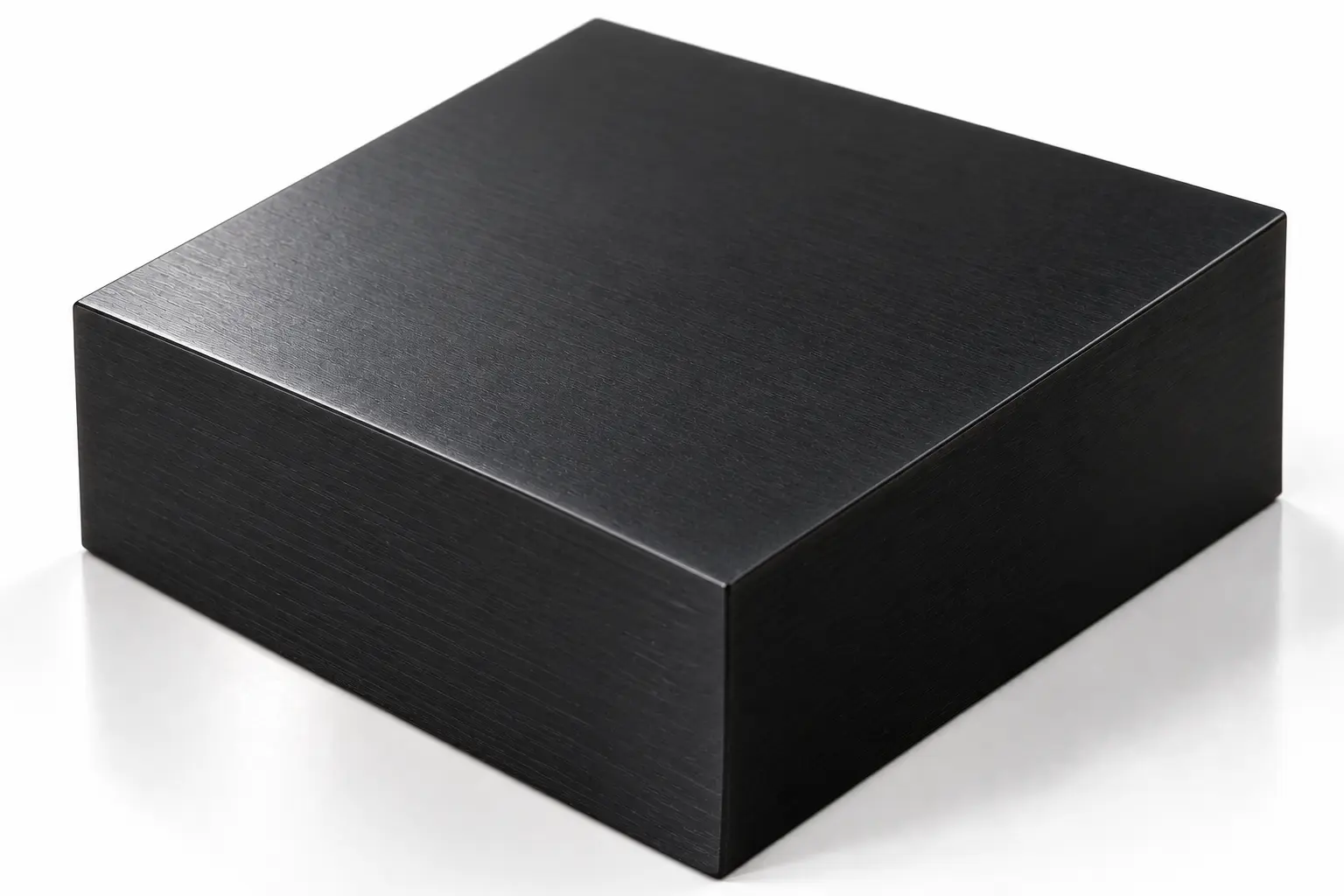
Brass CNC Machining Materials
Brass C27400
Brass C28000
Brass C36000
Tolerâncias gerais de usinagem CNC
| Descrição | Tolerância geral ou padrão |
|---|---|
| Tolerâncias dimensionais gerais | ±0,005″ (±0,127 mm) para metais; ±0,010″ (±0,254 mm) para plásticos, de acordo com a norma ISO 2768-mK, salvo indicação em contrário |
| Tolerâncias rígidas | Precisão de até ±0,001″ (±0,025 mm) disponível mediante solicitação, com desenhos 2D detalhados e especificações de GD&T |
| Tamanho mínimo do recurso | ~0,020″ (0,50 mm), dependendo da geometria da peça, do diâmetro da ferramenta e do material |
| Tolerância do diâmetro do furo | ±0,002″ (±0,05 mm) típico; tolerâncias mais estreitas com mandrilamento ou alargamento |
| Planicidade/Paralelismo | ≤0,002″ por 6″ (≤0,05 mm por 150 mm), varia de acordo com o material e a configuração do dispositivo de fixação |
| Tolerâncias de rosca | Roscas métricas e imperiais padrão conforme ISO/ASME; roscas personalizadas ou finas disponíveis mediante solicitação |
| Tolerância angular | ±0,5° típico |
| Condição da borda | As bordas afiadas são quebradas e rebarbadas por padrão, salvo indicação em contrário |
| Acabamento da superfície (padrão) | Ra 3,2 μm (125 μin) como usinado; acabamentos aprimorados disponíveis por meio de polimento, jateamento de esferas, anodização, etc. |
| Tamanho máximo da peça | Fresagem: Até 80″ × 48″ × 24″ (2.032 × 1.219 × 610 mm) Torneamento: Até 62″ de comprimento × 32″ de diâmetro (1.575 × 813 mm) |

Advantages and Limitations of Brass CNC Machining
Brass machining offers numerous advantages, making it a popular choice for various industries. However, it is essential to consider both the benefits and limitations to determine if it is the right material for your specific application.
- Exceptional Machinability: Brass is highly machinable, allowing for precise and efficient machining.
- Resistência à corrosão: It offers high resistance to corrosion, making it suitable for harsh environments.
- Aesthetic Appeal: Its appearance is attractive and ideal for decorative and aesthetic applications.
- Good Conductivity: Brass has excellent thermal and electrical conductivity.
- Versatility: Brass can also be used in various industries, from electronics to plumbing.
- Higher Material Cost: Brass can be more expensive compared to some other metals.
- Potential for Dezincification: In certain environments, brass can suffer from loss of zinc, leading to weakened material.
Dê vida aos seus projetos com a Elite Mold Tech
Experimente a usinagem CNC de precisão com a Elite Mold Tech. De protótipos complexos à produção em larga escala, estamos prontos para transformar suas ideias em realidade. Entre em contato conosco hoje mesmo para discutir as necessidades do seu projeto!
- Conhecimento especializado compartilhado amplamente
- Ampliação do alcance do mercado
- Tecnologia avançada integrada
- Oportunidades de inovação colaborativa
- Soluções confiáveis sob demanda
- Todos os uploads são seguros e confidenciais
Brass CNC Machining FAQs
Is brass a suitable material for machining?
Yes, brass is an excellent material for machining due to its low friction coefficient and excellent machinability. It allows for precise cutting and shaping, making it ideal for detailed and intricate parts.
How is brass rated in terms of machinability?
Recommended cutting speeds for brass vary depending on the specific alloy and machining process. Generally, cutting speeds for brass range between 100 to 300 meters per minute. The appropriate cutting speed helps maintain tool life and achieve a high-quality finish.
What are the recommended cutting speeds for brass?
The appropriate cutting speed depends on the brass grade, tool material, machining operation, and machine setup. Start with the cutting tool manufacturer’s recommendations and adjust for surface finish, chip control, and tool life.
Does brass offer easier machinability than aluminum?
Brass generally offers easier machinability than aluminum. Compared to aluminum, brass has a lower tendency to stick to tools, allowing for faster machining at a lower power. Brass’s lower friction coefficient and superior chip formation result in less tool wear and higher precision during machining operations. Brass C360 is a highly machinable brass alloy, making it commonly referred to as free-machining brass.
Can you provide some tips for CNC machining brass?
To optimize CNC brass machining, consider the following tips:
- Use carbide cutting tools or cutters with carbide: This will help you significantly improve the material removal rate and extend the tool life. Additionally, it will allow you to increase the run speed of mills.
- Apply spindle liners: This protects the workpiece, machine, and operators while minimizing clearance to reduce vibration and bar whip. It also allows the machine to run at higher speeds, ensuring the quality of turned or milled brass parts.
- Maintain proper cutting speeds: Adjust cutting speeds according to the brass alloy and machining process to prevent tool wear and achieve a smooth finish.
- Ensure adequate lubrication: Proper lubrication minimizes friction, reduces heat buildup, and prolongs tool life.
- Optimize tool paths: Plan efficient tool paths to reduce machining time and improve surface quality.