What Is 3D Printing?
3D printing, also known as additive manufacturing, uses computer-aided design (CAD) to create three-dimensional objects through a layer-by-layer method. The process begins with a digital 3D model — typically designed using CAD software — which is then sliced into thin cross-sectional layers. The 3D printer reads this file and deposits, sinters, or cures material layer by layer until the final object is formed.
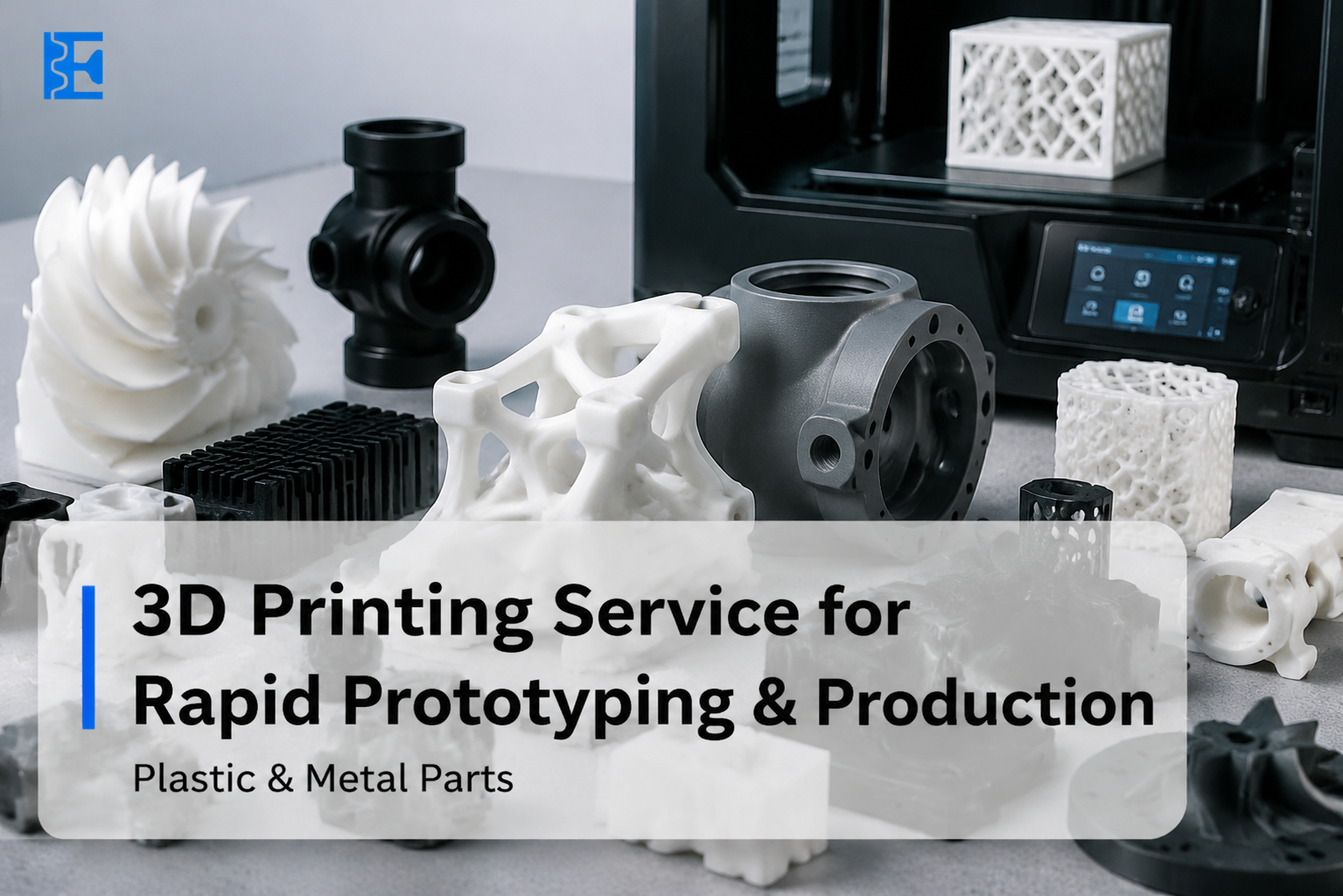
At Elite Mould, we provide professional 3D printing services for both plastic and metal parts, supporting your entire product development cycle — from concept validation and functional testing to low-volume production.
Our 3D Printing Technologies
Depending on your project requirements — material properties, surface finish, accuracy, and budget — we offer the following 3D printing processes:
1. FDM (Fused Deposition Modeling)
FDM is one of the most widely used and cost-effective 3D printing technologies. It works by heating and extruding thermoplastic filament through a nozzle, which deposits material layer by layer onto the build platform. As each layer cools and solidifies, the platform lowers and the next layer is applied.
Best for:
- Rapid concept models
- Functional prototypes
- Jigs, fixtures, and tooling
- Low-cost design iterations
Materials: ABS, PLA, PETG, Nylon, TPU, PC
2. SLA (Stereolithography Apparatus)
SLA uses an ultraviolet (UV) laser to cure liquid photosensitive resin into solid plastic, one layer at a time. The laser traces each cross-section on the surface of the resin tank; once a layer is complete, the build platform moves down and the next layer is cured on top.
SLA is known for producing parts with exceptionally smooth surfaces and fine detail.
Best for:
- High-detail visual prototypes
- Master patterns for silicone casting
- Dental and medical models
- Jewelry and intricate designs
Materials: Standard resin, Tough resin, High-temperature resin, Transparent resin
3. SLS (Selective Laser Sintering)
SLS uses a high-power infrared laser to sinter powdered material — typically nylon — into solid structures. A roller spreads a thin layer of powder across the build platform; the laser then selectively fuses the powder based on the cross-section of the part. After each layer, a fresh coat of powder is applied and the process repeats.
SLS parts are strong, durable, and do not require support structures, making this technology ideal for complex geometries.
Best for:
- Functional prototypes
- End-use parts
- Complex assemblies
- Snap-fits and living hinges
Materials: PA12 (Nylon), PA12-GF (Glass-filled), PA12-CF (Carbon-filled)
4. DMLS / SLM (Direct Metal Laser Sintering / Selective Laser Melting)
For metal parts, Elite Mould utilizes DMLS/SLM technology. A high-power laser selectively fuses metal powder particles together, layer by layer, to create fully dense metal parts with mechanical properties comparable to those produced by traditional manufacturing methods.
Best for:
- Functional metal prototypes
- Complex metal components with internal channels
- Lightweight aerospace and automotive parts
- Medical implants and surgical tools
Materials: Stainless Steel (316L, 17-4PH), Aluminum (AlSi10Mg), Titanium (Ti6Al4V), Nickel-based Superalloys (Inconel 718)
Why Choose Elite Mould for 3D Printing?
| Feature | Elite Mould Advantage |
|---|---|
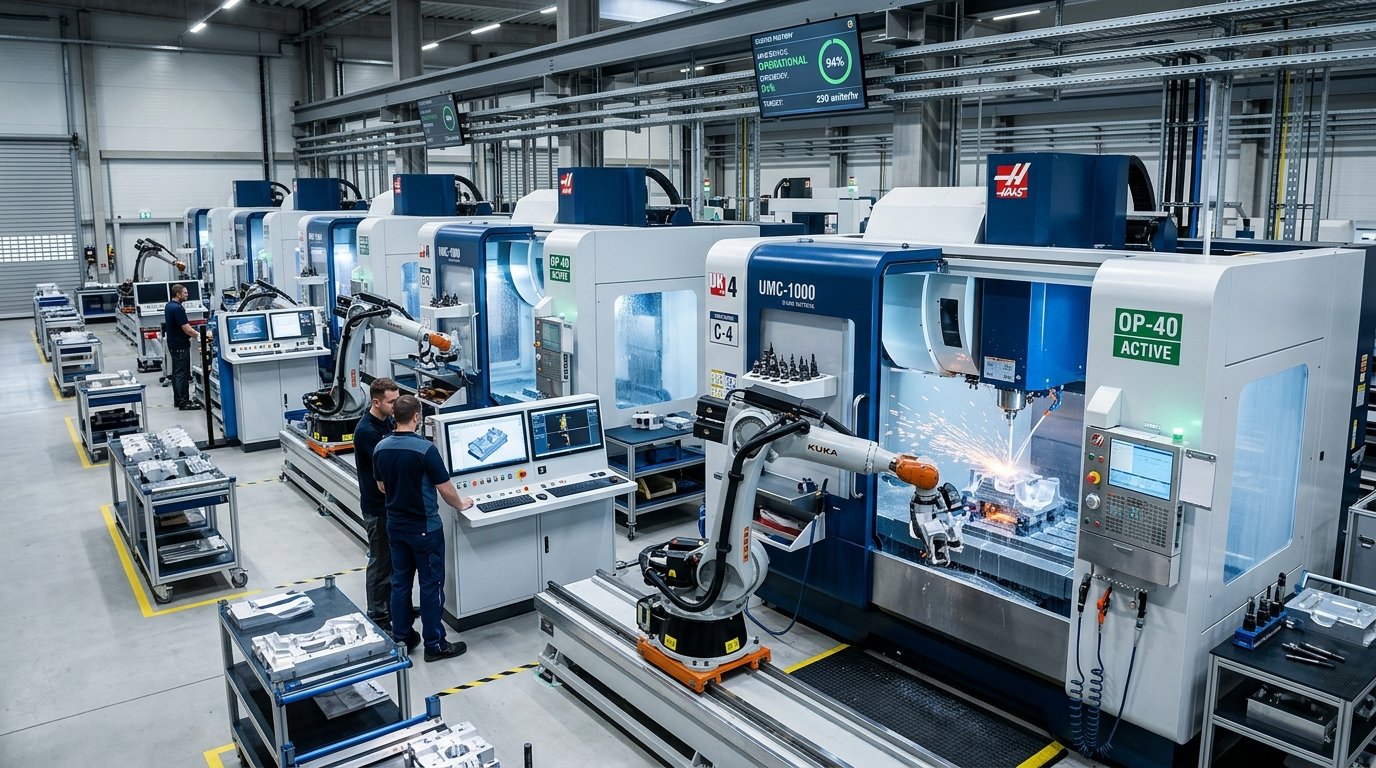
| One-Stop Manufacturing | 3D Printing → CNC Machining → Injection Molding — all under one roof |
| Material Breadth | Plastics (FDM, SLA, SLS) + Metals (DMLS/SLM) |
| Technical Expertise | Engineering team with 10+ years of mold and manufacturing experience |
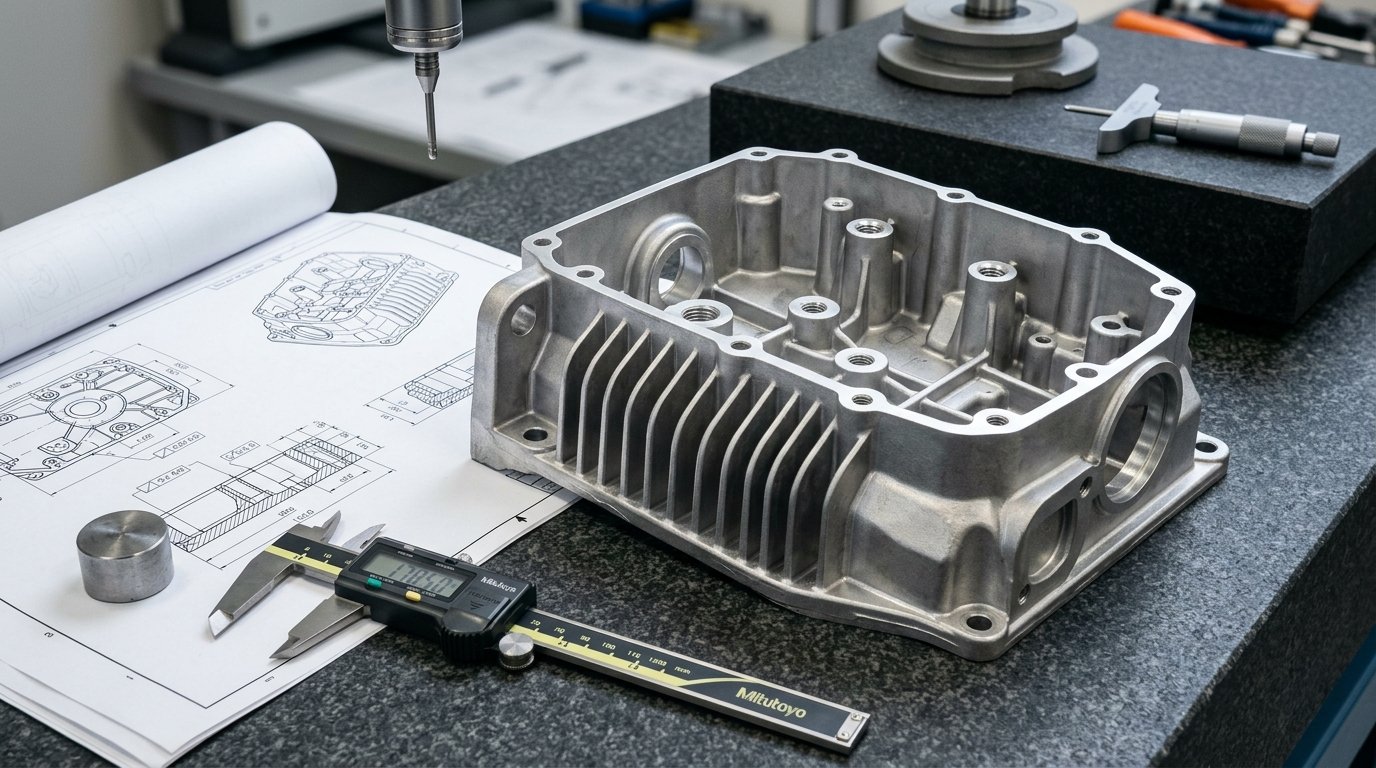
| Quality Assurance | ISO-certified processes with full dimensional inspection reports |
| Fast Turnaround | Prototypes delivered in as fast as 2-3 business days |
| Global Shipping | Serving clients across North America, Europe, and Asia-Pacific |
3D Printing vs. Traditional Manufacturing
| Criterion | 3D Printing | CNC Machining | Injection Molding |
|---|---|---|---|
| Setup Cost | Low (no tooling) | Medium | High (mold required) |
| Unit Cost (High Volume) | High | Medium | Low |
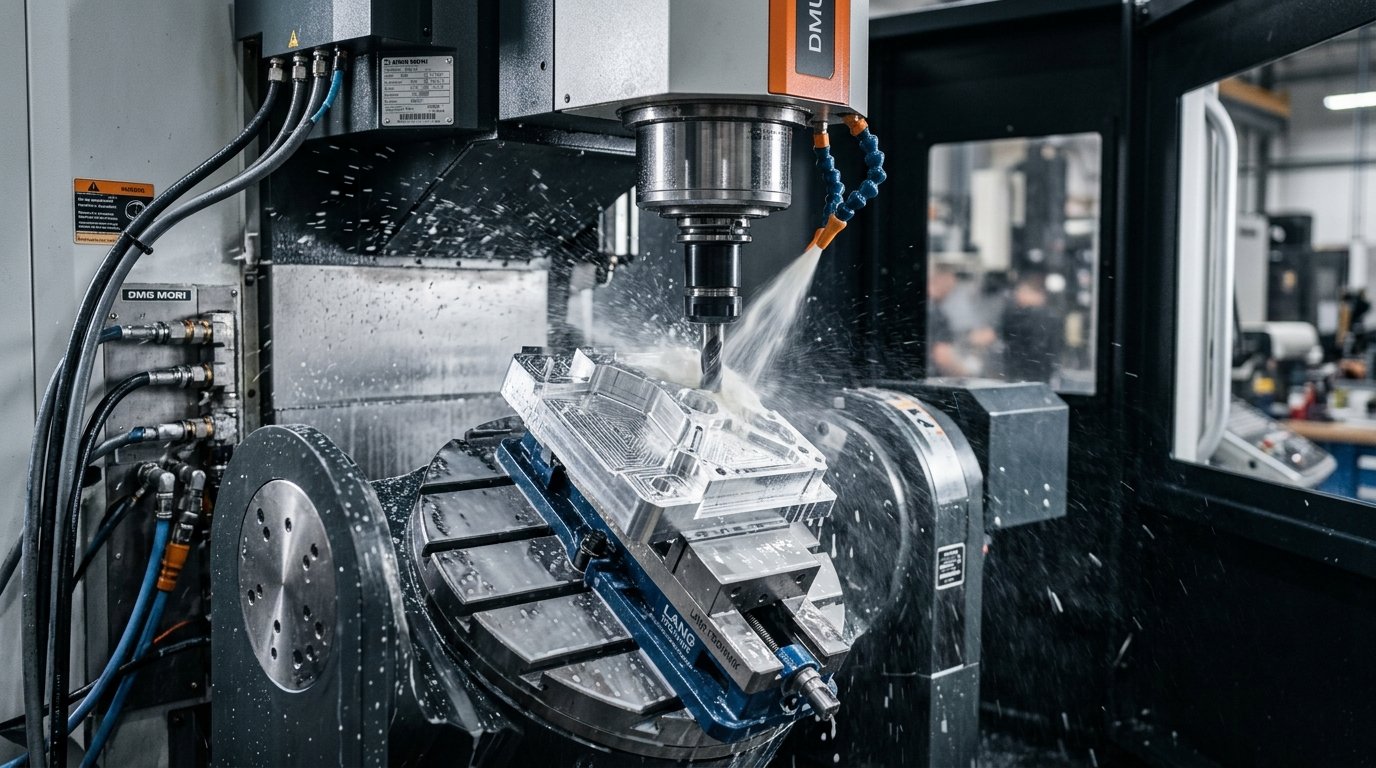
| Speed (Prototype) | 1-3 days | 3-7 days | 2-4 weeks |
| Material Range | Limited | Very Wide | Wide |
| Geometric Complexity | Very High | Medium | Medium |
| Surface Finish | Moderate | Excellent | Excellent |
Recommendation: Use 3D printing for prototypes and low-volume production (1-100 units). Transition to injection molding or CNC machining for mass production (1,000+ units). Elite Mould provides seamless support across all three processes.
How to Get Started
- Send Your 3D File — Upload your STP, STL, IGES, or STEP files
- Receive a Quote — We respond within 24 hours with pricing and lead time
- Production Begins — Our team reviews your design for manufacturability and starts printing
- Quality Check & Ship — Every part passes inspection before shipping
Frequently Asked Questions
Q: What file formats do you accept?A: STL, STP, STEP, IGES, OBJ, and 3MF are all supported.Q: What is the maximum build size?A: Varies by technology — up to 600 × 600 × 600 mm for FDM; smaller for DMLS. Contact us for your specific dimensions.Q: Do you offer post-processing?A: Yes. We provide sanding, painting, dyeing, vapor smoothing, bead blasting, anodizing, and more.Q: What is your typical lead time?A: Standard prototypes ship in 3-5 business days. Rush service available (2 days).
Ready to bring your design to life?
Contact Elite Mould today for a free consultation and quote.