
PMMA (Acrylic) CNC Machining Service
Get precision PMMA (Acrylic) CNC machined parts with outstanding optical clarity, dimensional accuracy, and surface quality. Our CNC machining capabilities produce detailed prototypes and production components with complex geometries, tight tolerances, and smooth finishes. PMMA is an excellent choice for transparent covers, display components, optical parts, enclosures, and other applications where appearance and precision are essential.
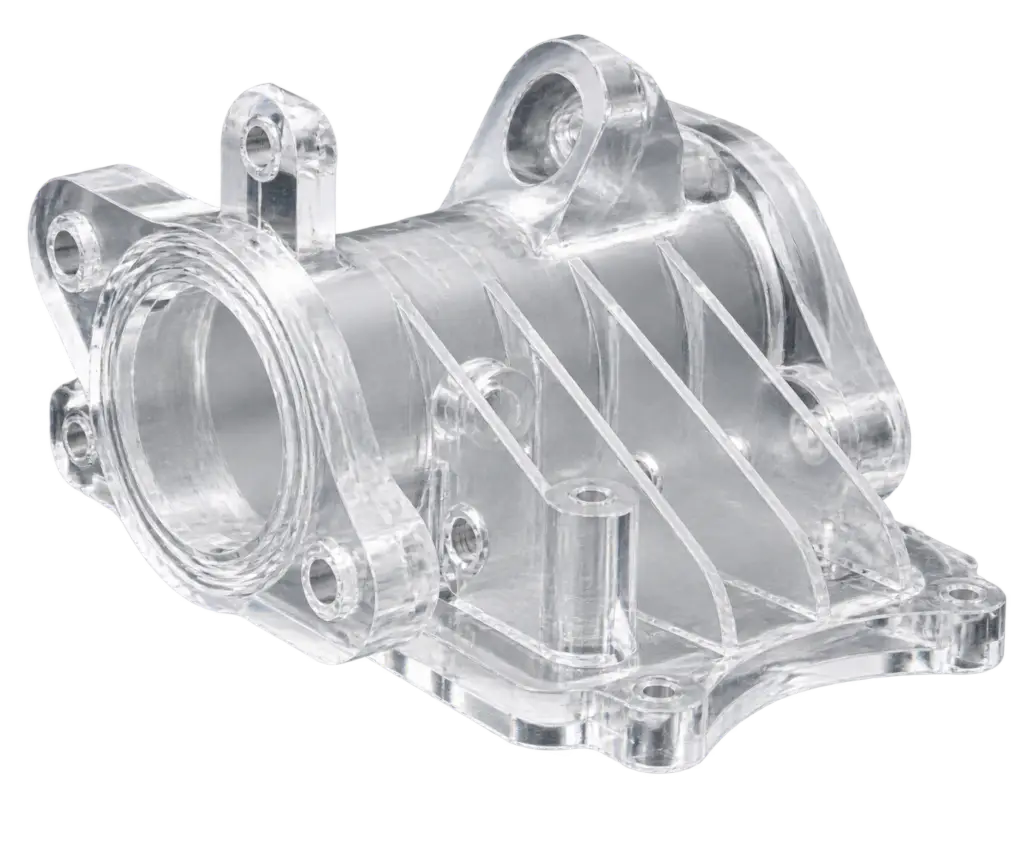
PMMA (Acrylic) in CNC Machining
PMMA (Polymethyl Methacrylate), commonly known as Acrílico, is a lightweight engineering thermoplastic valued for its exceptional optical clarity, dimensional stability, and attractive surface finish. It machines cleanly and can be shaped into detailed components with accurate features and polished surfaces. PMMA is an excellent choice for transparent housings, display components, protective covers, light guides, optical parts, and precision prototypes where both appearance and functionality are important.
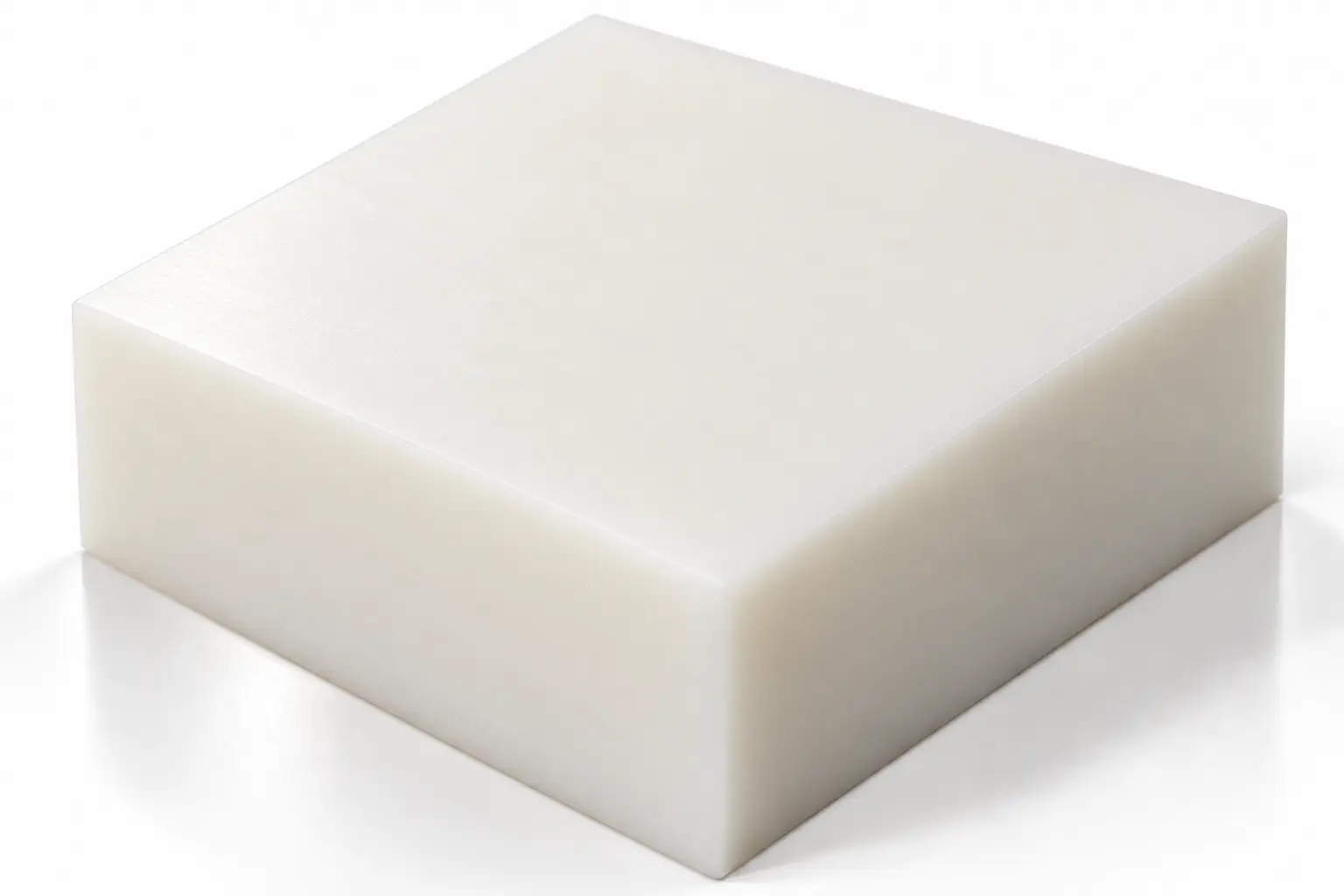
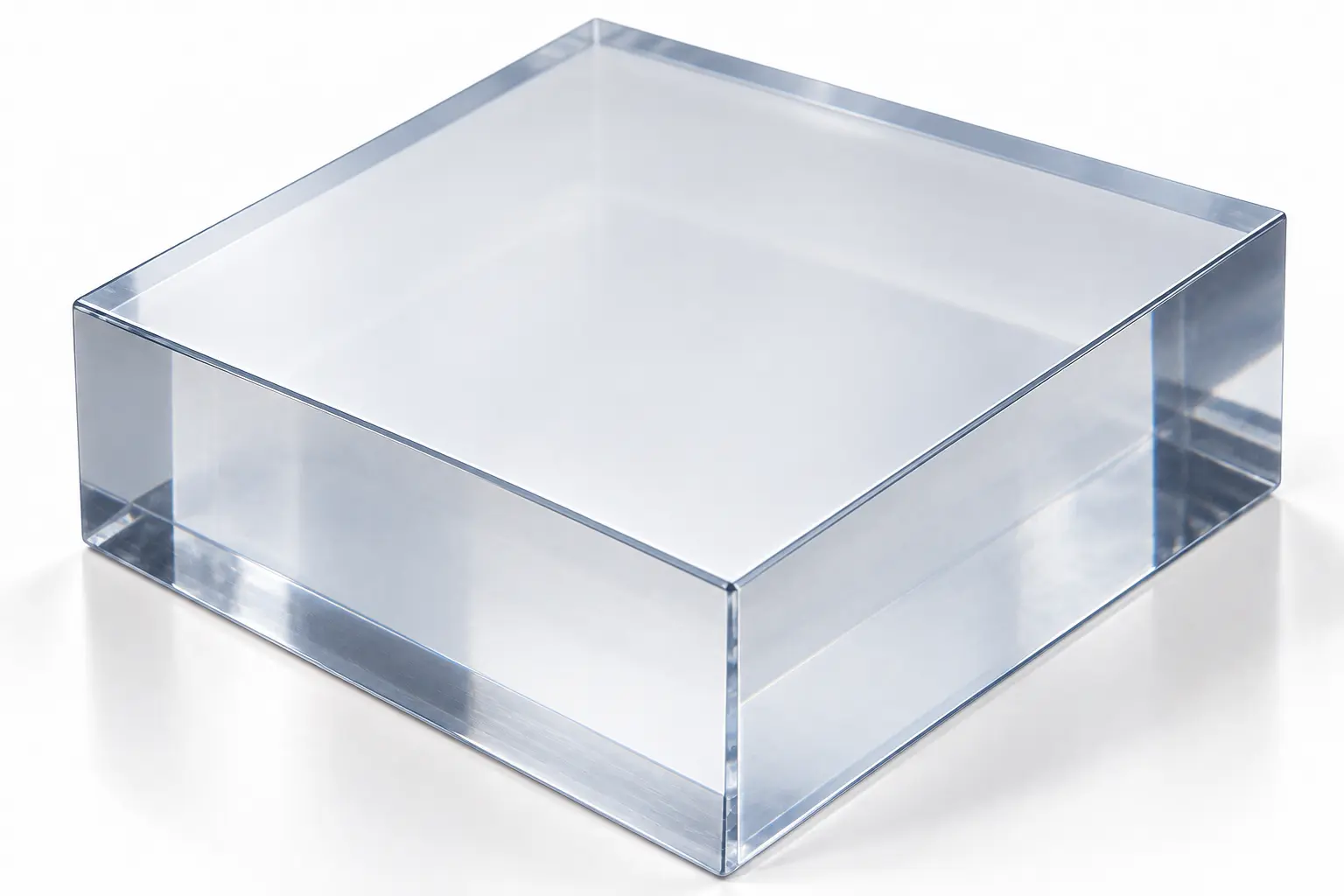
| Available PMMA Grades | PMMA Black, PMMA Transparent, PMMA White |
| Precio | $ |
| Plazo de entrega | Menos de 10 días |
| Grosor de la pared | 0,75 mm |
| Tolerancias | ±0,125 mm (±0,005 pulgadas) |
| Tamaño máximo de la pieza | 200 x 80 x 100 cm |
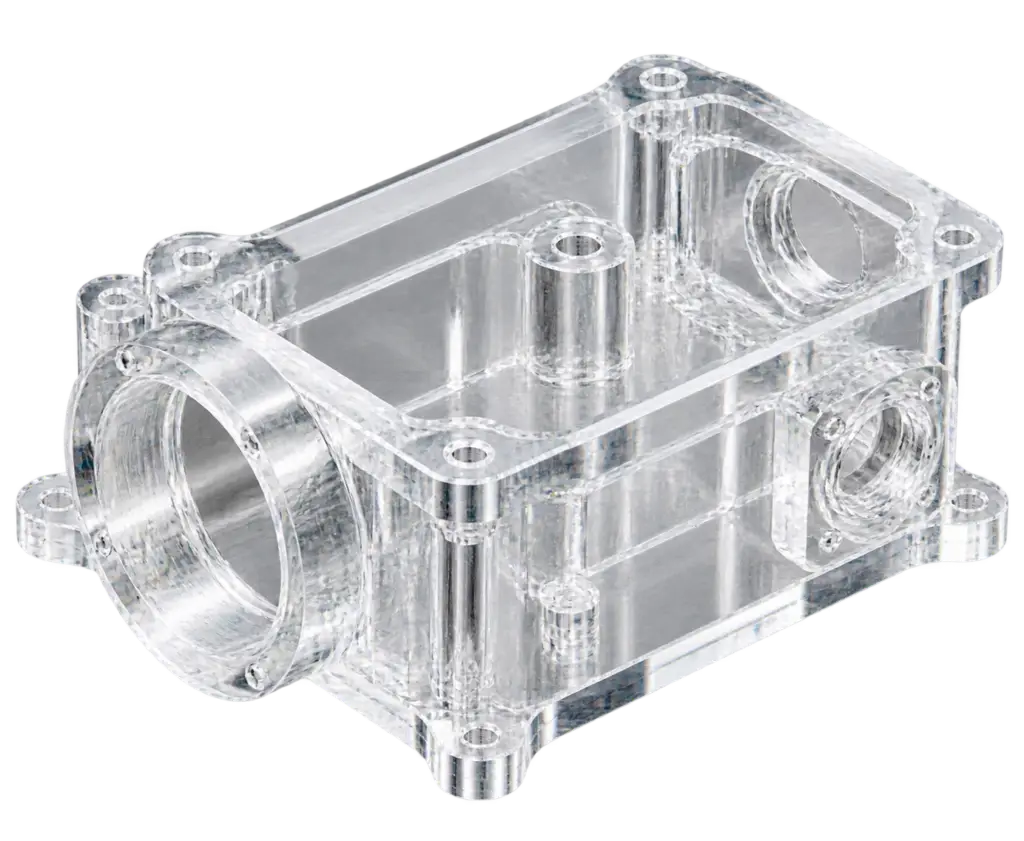
PMMA CNC Machining Materials
Machined Acrylic (PMMA) Properties
PMMA (Acrylic) is a transparent engineering thermoplastic known for its excellent optical clarity, weather resistance, and smooth surface finish. Its balanced properties make it suitable for CNC machined parts that require both visual appeal and reliable performance.
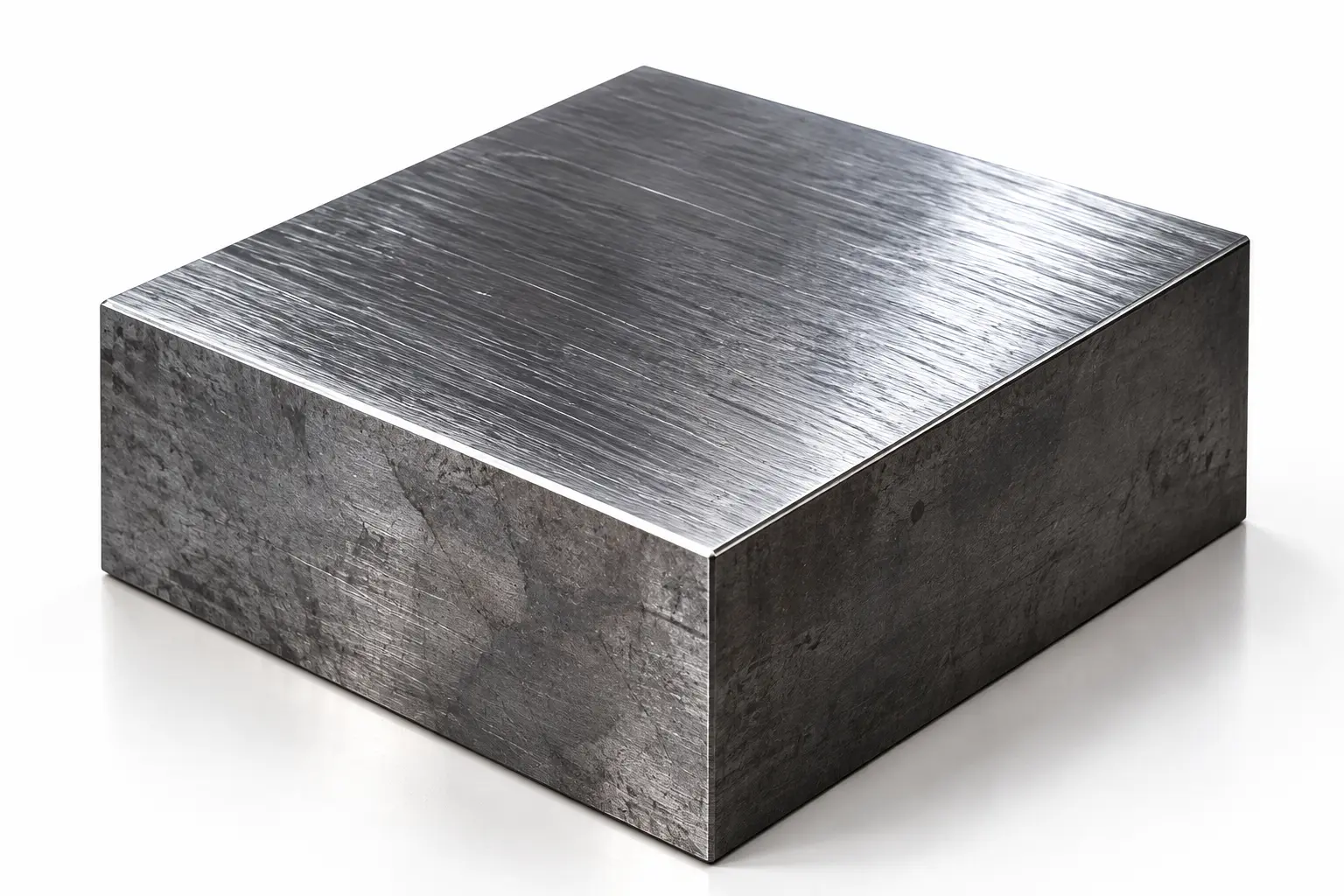
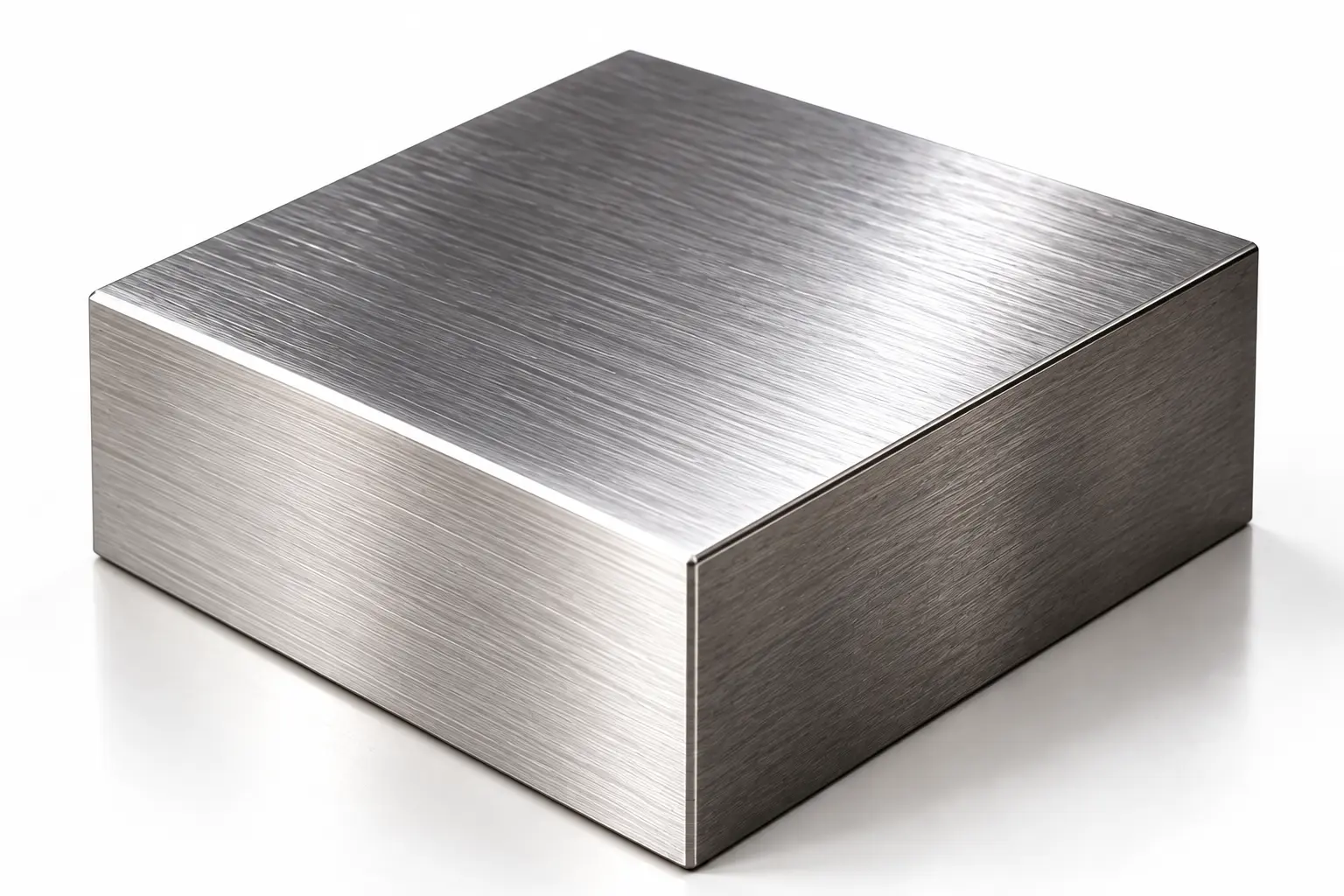
Tolerancias generales de mecanizado CNC
| Descripción | Tolerancia general o estándar |
|---|---|
| Tolerancias dimensionales generales | ±0.005″ (±0.127 mm) for metals; ±0.010″ (±0.254 mm) for plastics in line with ISO 2768-mK unless otherwise specified |
| Tolerancias estrictas | Down to ±0.001″ (±0.025 mm) available upon request, with detailed 2D drawings and GD&T specifications |
| Tamaño mínimo del elemento | ~0.020″ (0.50 mm), depends on part geometry, tool diameter, and material |
| Tolerancia del diámetro del orificio | ±0.002″ (±0.05 mm) typical; tighter tolerances with boring or reaming |
| Planitud/Paralelismo | ≤0.002″ per 6″ (≤0.05 mm per 150 mm), varies by material and fixture setup |
| Tolerancias de roscado | Roscas métricas e imperiales estándar según ISO/ASME; roscas personalizadas o finas disponibles bajo pedido. |
| Tolerancia angular | ±0,5° típico |
| Estado de los bordes | Los bordes afilados se rompen y desbarban por defecto a menos que se indique lo contrario. |
| Acabado superficial (estándar) | Ra 3,2 μm (125 μin) como mecanizado; acabados mejorados disponibles mediante pulido, granallado, anodizado, etc. |
| Tamaño máximo de la pieza | Milling: Up to 80″ × 48″ × 24″ (2,032 × 1,219 × 610 mm) Turning: Up to 62″ length × 32″ diameter (1,575 × 813 mm) |

Advantages and Limitations of PMMA (Acrylic) CNC Machining
El mecanizado del latón ofrece numerosas ventajas, lo que lo convierte en una opción muy popular en diversos sectores. Sin embargo, es fundamental tener en cuenta tanto sus ventajas como sus limitaciones para determinar si es el material adecuado para tu aplicación concreta.
- Exceptional Machinability: Brass is highly machinable, allowing for precise and efficient machining.
- Resistencia a la corrosión: It offers high resistance to corrosion, making it suitable for harsh environments.
- Aesthetic Appeal: Its appearance is attractive and ideal for decorative and aesthetic applications.
- Good Conductivity: Brass has excellent thermal and electrical conductivity.
- Versatility: Brass can also be used in various industries, from electronics to plumbing.
- Higher Material Cost: Brass can be more expensive compared to some other metals.
- Potential for Dezincification: In certain environments, brass can suffer from loss of zinc, leading to weakened material.
Dé vida a sus diseños con Elite Mold Tech
Experimente el mecanizado CNC de precisión con Elite Mold Tech. Desde intrincados prototipos hasta producción a gran escala, estamos preparados para hacer realidad sus ideas. Póngase en contacto con nosotros hoy mismo para hablar de las necesidades de su proyecto.
- Conocimientos ampliamente compartidos
- Ampliación del alcance del mercado
- Tecnología avanzada integrada
- Oportunidades de innovación en colaboración
- Soluciones fiables a la carta
- Todas las cargas son seguras y confidenciales
PMMA (Acrylic) CNC Machining FAQs
What speed is optimal for CNC machining acrylic?
The ideal CNC machining speed for acrylic depends on the part design, thickness, tooling, and required finish. Using higher spindle speeds with proper feed rates helps achieve smooth cuts while reducing the risk of cracking, melting, or chipping.
Which CNC tool is most effective for cutting acrylic?
Carbide and diamond-coated cutting tools are commonly used for acrylic CNC machining. These tools provide clean cuts, improve surface quality, and help reduce chipping during the machining process.
Is PMMA (Polymethyl Methacrylate) durable?
Yes, PMMA offers good durability along with excellent UV and weather resistance. It is suitable for indoor and outdoor applications where long-term clarity and stable performance are required.
Are CNC routers capable of cutting acrylic?
Yes, CNC routers can effectively machine acrylic when the correct tools and machining parameters are used. Proper cutting speed, feed rate, and tooling selection help achieve accurate parts with smooth finishes.