
Titanium CNC Machining Service
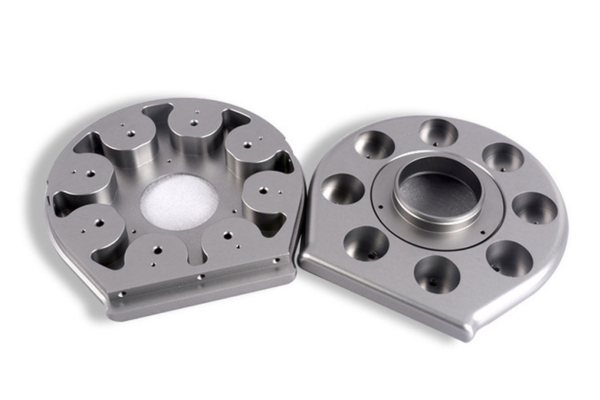
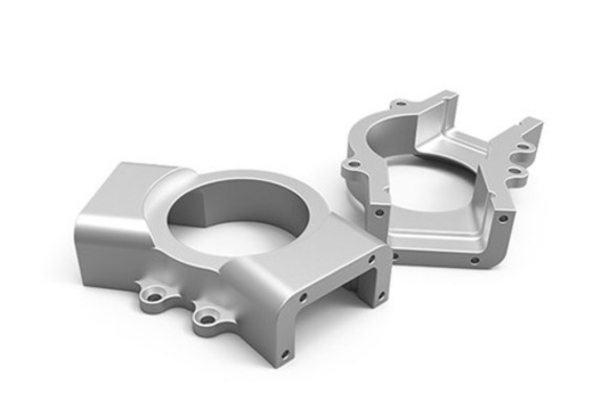
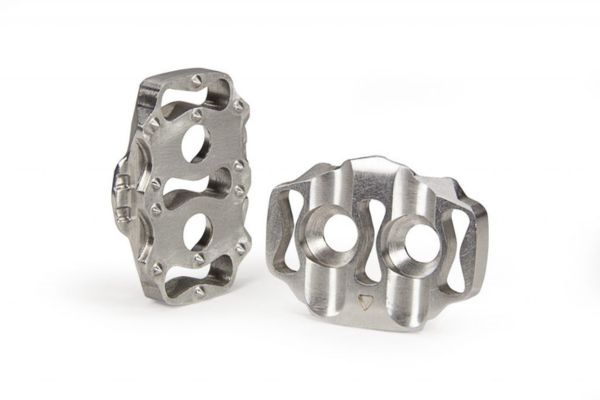
Get precision-machined titanium parts with excellent strength, corrosion resistance, and a high strength-to-weight ratio. Our CNC machining capabilities deliver accurate prototypes and production components for demanding applications across aerospace, medical, automotive, and industrial industries.
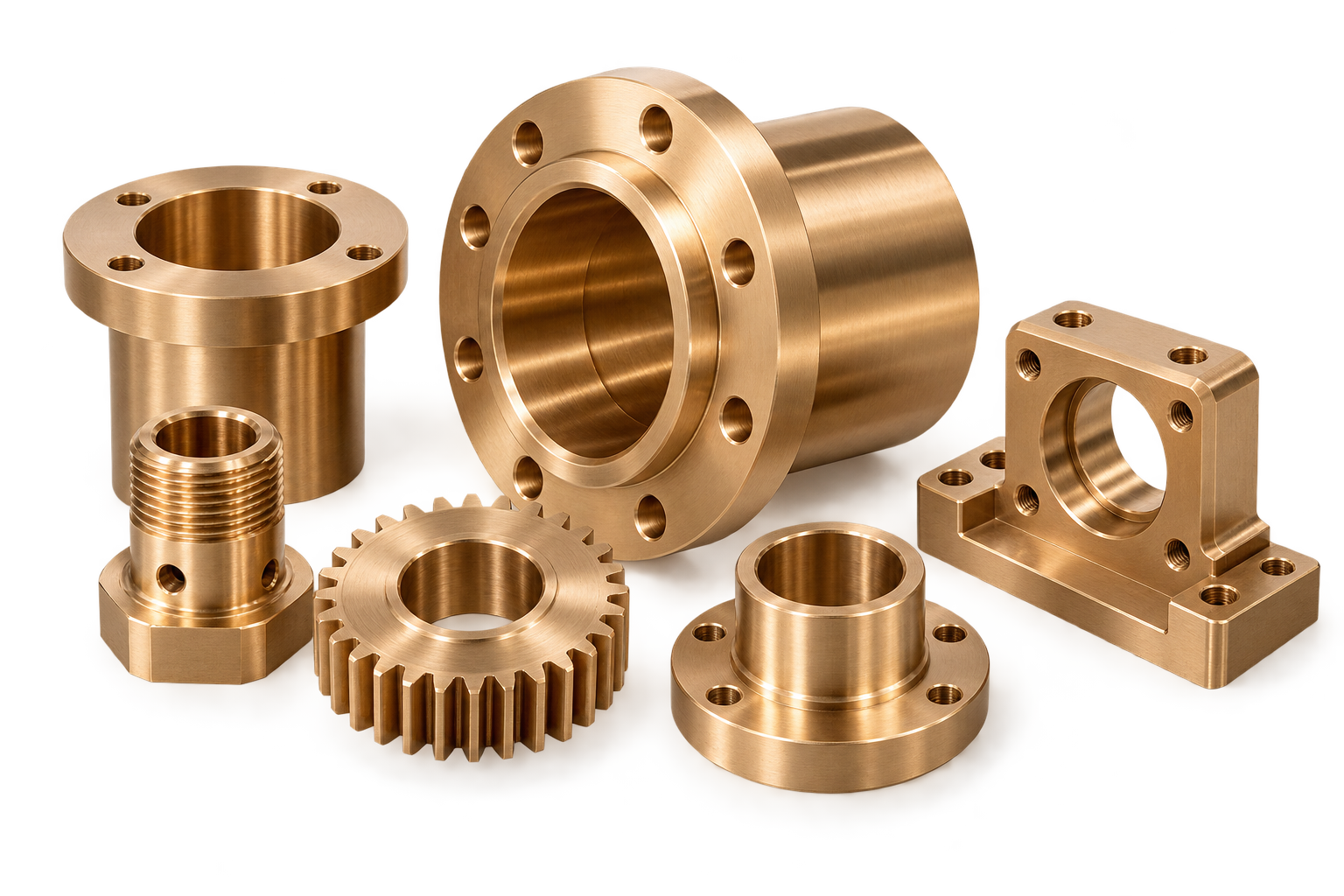
Bronze in CNC Machining
Bronze is a copper-based alloy known for its excellent strength, wear resistance, corrosion resistance, and machinability. It performs reliably in demanding environments and offers good dimensional stability for precision components. Its low-friction properties also make it suitable for moving parts that require smooth and consistent operation.NC machining allows bronze to be manufactured into precise components with complex geometries and smooth surface finishes.
| Available Bronze | Tin Bronze |
| Precio | $ |
| Plazo de entrega | Menos de 10 días |
| Grosor de la pared | 0,5 mm |
| Tolerancias | ±0.005″ (±0.125 mm) |
| Tamaño máximo de la pieza | 200 x 80 x 100 cm |
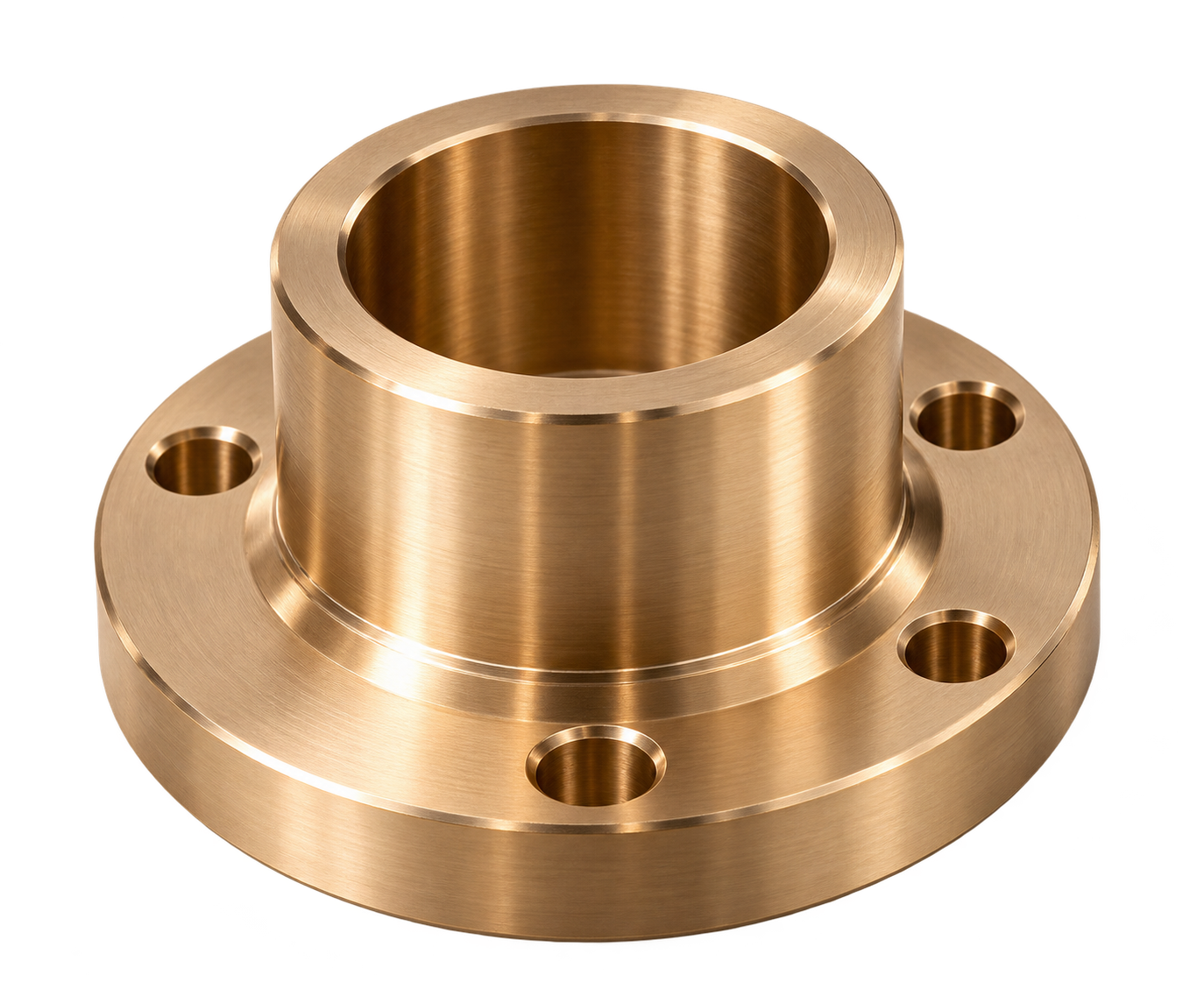
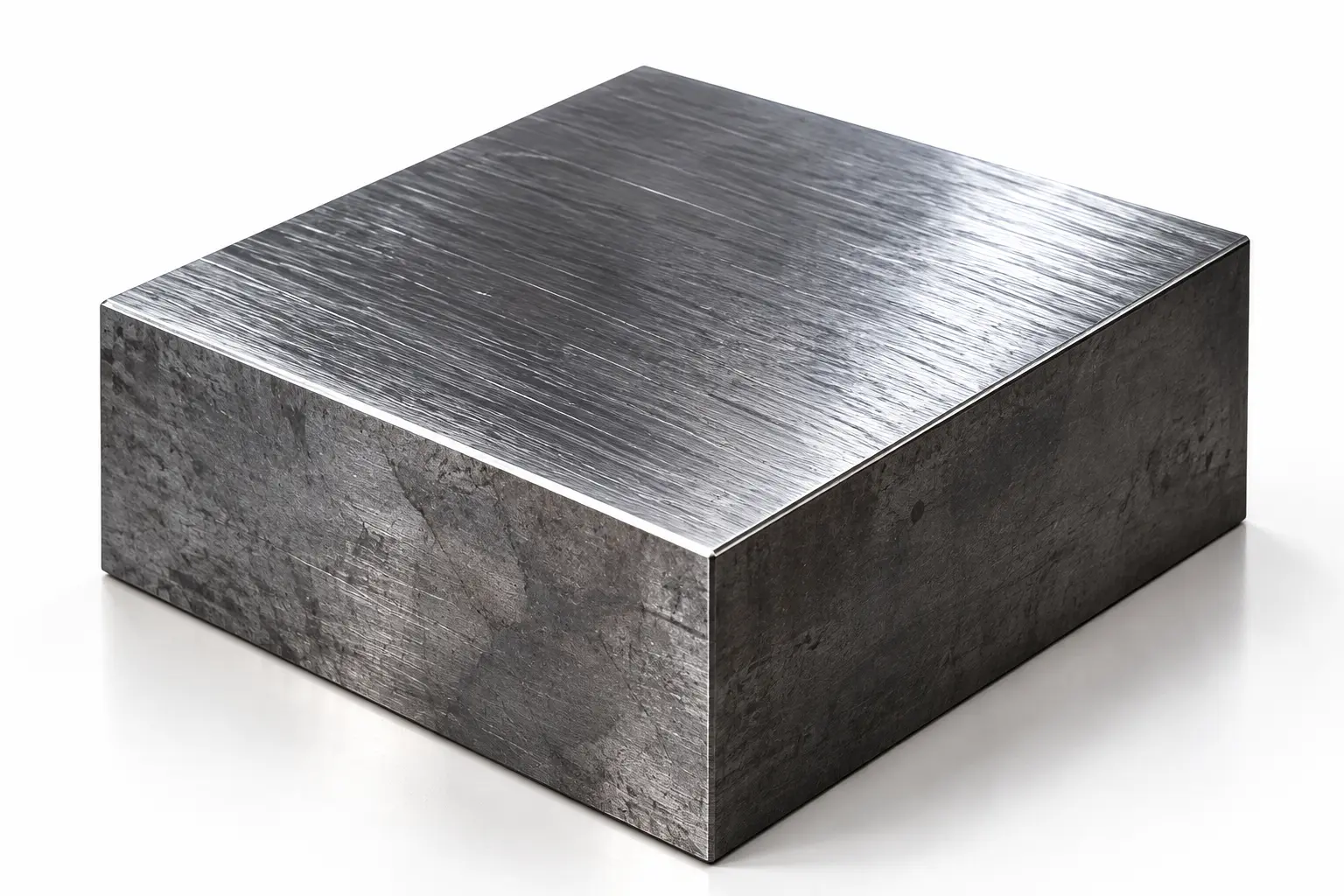
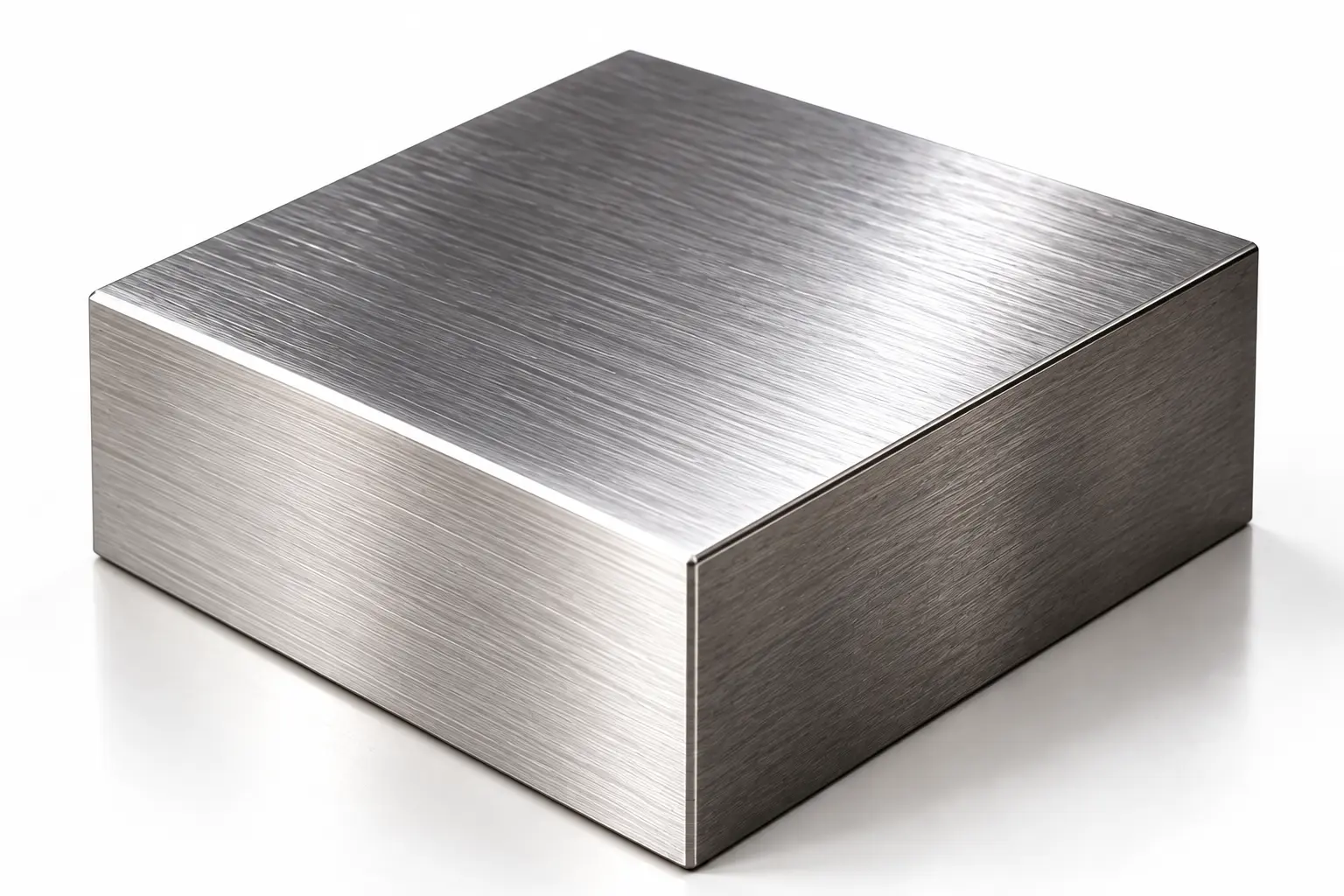
Titanium CNC Machining Materials
Titanium Alloy TA1
Titanium TA1 is a commercially pure titanium grade containing approximately 99% titanium with only small amounts of other elements. It provides excellent corrosion resistance, high ductility, and outstanding biocompatibility, making it particularly suitable for medical and dental applications. Its excellent formability and weldability also make TA1 a reliable choice for components requiring complex shapes and fabrication.
Titanium Alloy TA2
TA2 is a commercially pure titanium grade known for its excellent balance of corrosion resistance, strength, ductility, and machinability. Compared with higher-strength titanium alloys, it is easier to form and machine while maintaining dependable mechanical performance. TA2 is commonly used for pressure vessels, marine components, chemical processing equipment, and medical applications.
Titanium Alloy TC4 / Ti-6Al-4V
TC4, also known as Ti-6Al-4V or Grade 5 titanium, is one of the most widely used titanium alloys for high-performance components. Its combination of titanium, aluminum, and vanadium delivers excellent strength, corrosion resistance, and durability while maintaining a relatively low weight. These properties make Ti-6Al-4V particularly suitable for aerospace structures, engine components, precision mechanical parts, and other demanding applications.
Tolerancias generales de mecanizado CNC
| Descripción | Tolerancia general o estándar |
|---|---|
| Tolerancias dimensionales generales | ±0.005″ (±0.127 mm) for metals; ±0.010″ (±0.254 mm) for plastics in line with ISO 2768-mK unless otherwise specified |
| Tolerancias estrictas | Down to ±0.001″ (±0.025 mm) available upon request, with detailed 2D drawings and GD&T specifications |
| Tamaño mínimo del elemento | ~0.020″ (0.50 mm), depends on part geometry, tool diameter, and material |
| Tolerancia del diámetro del orificio | ±0.002″ (±0.05 mm) typical; tighter tolerances with boring or reaming |
| Planitud/Paralelismo | ≤0.002″ per 6″ (≤0.05 mm per 150 mm), varies by material and fixture setup |
| Tolerancias de roscado | Roscas métricas e imperiales estándar según ISO/ASME; roscas personalizadas o finas disponibles bajo pedido. |
| Tolerancia angular | ±0,5° típico |
| Estado de los bordes | Los bordes afilados se rompen y desbarban por defecto a menos que se indique lo contrario. |
| Acabado superficial (estándar) | Ra 3,2 μm (125 μin) como mecanizado; acabados mejorados disponibles mediante pulido, granallado, anodizado, etc. |
| Tamaño máximo de la pieza | Milling: Up to 80″ × 48″ × 24″ (2,032 × 1,219 × 610 mm) Turning: Up to 62″ length × 32″ diameter (1,575 × 813 mm) |

Advantages and Limitations of Titanium CNC Machining
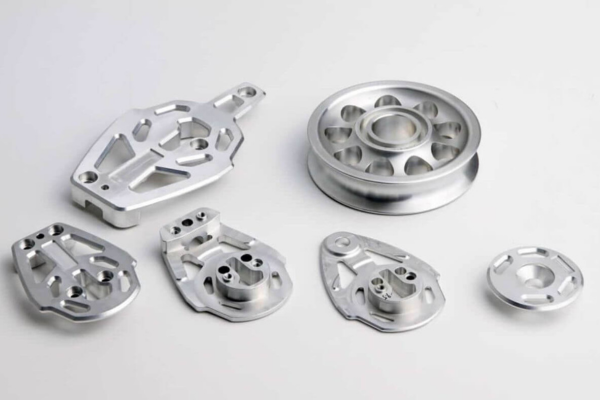
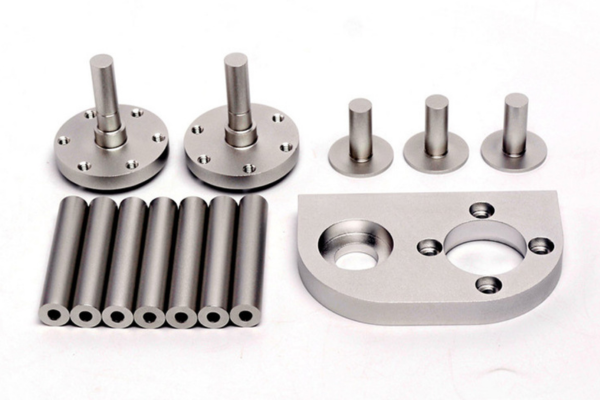
Titanium CNC machining delivers an excellent combination of strength, durability, and corrosion resistance, making it suitable for demanding precision applications. However, its unique material properties can also create machining challenges that require proper tooling, cutting parameters, and process control.
- High Strength-to-Weight Ratio: Titanium delivers impressive mechanical strength while remaining significantly lighter than many conventional metals.
- Excellent Corrosion Resistance: Naturally resists corrosion and performs reliably in marine, chemical, and other demanding environments.
- Biocompatibility: Its excellent biocompatibility makes titanium widely suitable for medical devices, implants, and other healthcare applications.
- High Durability: Titanium components offer excellent wear resistance and long-term performance under demanding operating conditions.
- Low Thermal Expansion: Its relatively low thermal expansion helps components maintain dimensional stability when temperatures change.
- Non-Magnetic Properties: Titanium is non-magnetic and provides strong resistance to oxidation, making it suitable for specialized engineering applications.
- Chemical Reactivity: At elevated temperatures, titanium can react with surrounding elements, potentially affecting surface integrity and material performance.
- Heat Concentration: Titanium’s low thermal conductivity causes heat to remain concentrated around the cutting zone, increasing tool wear and making temperature control important.
- Higher Cutting Forces: Machining titanium generally requires greater cutting forces and rigid setups, which can increase tool wear and affect machining efficiency.
- Machining Complexity: Titanium requires carefully selected cutting speeds, feeds, tooling, and cooling strategies to achieve consistent dimensional accuracy and surface quality.
- Work Hardening: Improper machining parameters can contribute to localized hardening, making subsequent cutting more difficult and potentially shortening tool life.
- Ye version Elite Mold Tech ke page ke liye zyada natural aur polished lagega aur original screenshot ki wording se bhi sufficiently different hai.
Dé vida a sus diseños con Elite Mold Tech
Experimente el mecanizado CNC de precisión con Elite Mold Tech. Desde intrincados prototipos hasta producción a gran escala, estamos preparados para hacer realidad sus ideas. Póngase en contacto con nosotros hoy mismo para hablar de las necesidades de su proyecto.
- Conocimientos ampliamente compartidos
- Ampliación del alcance del mercado
- Tecnología avanzada integrada
- Oportunidades de innovación en colaboración
- Soluciones fiables a la carta
- Todas las cargas son seguras y confidenciales
Stainless steel CNC Machining FAQs
What cutting speed is recommended for titanium CNC machining?
Titanium is typically machined at relatively low cutting speeds to control heat and reduce tool wear. A general range of 40–70 m/min (130–230 ft/min) may be used, depending on the titanium grade, cutting tool, operation, and cooling conditions. Optimized feeds, speeds, and effective coolant delivery are essential for achieving consistent results.
Can titanium be CNC machined?
Yes. Titanium can be CNC machined to produce highly accurate and complex components. However, its low thermal conductivity and high strength require suitable cutting tools, controlled machining parameters, and effective cooling. Sharp carbide tooling and proper coolant application can help improve surface finish and extend tool life.
What RPM is suitable for machining titanium?
There is no single RPM that works for every titanium machining operation. Spindle speed should be calculated according to the cutting speed, tool diameter, titanium grade, and machining process. Lower spindle speeds are generally preferred to minimize heat generation and excessive tool wear while maintaining dimensional accuracy and surface quality.