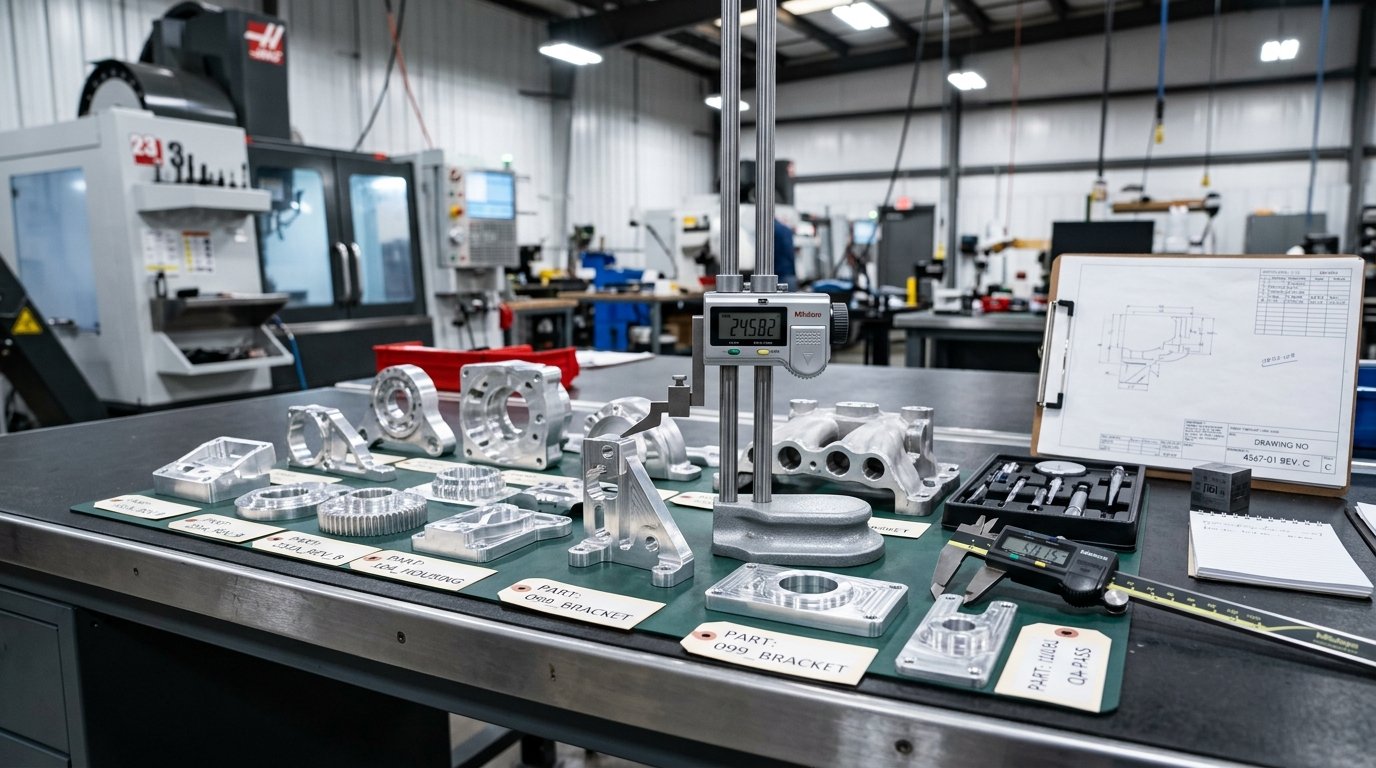
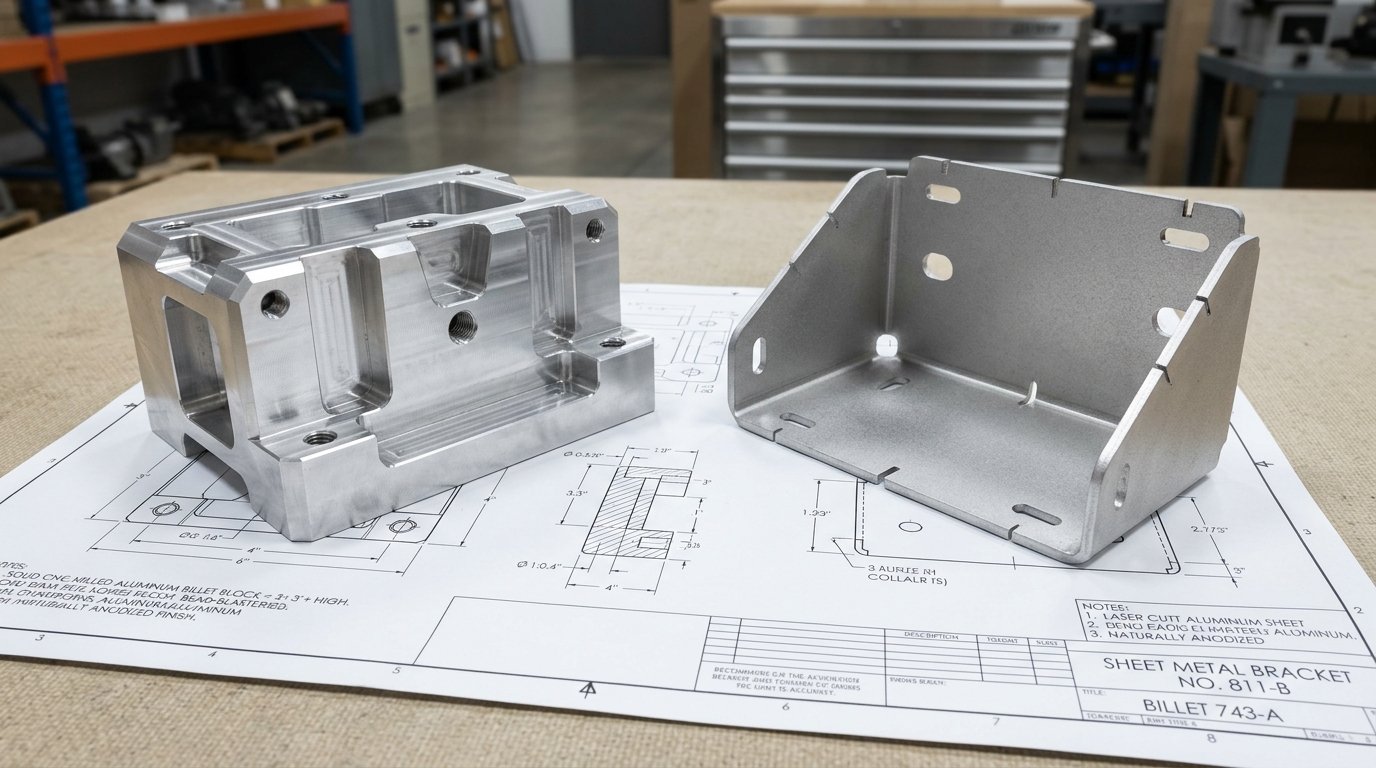
O acabamento de um produto moldado é tão importante quanto suas funções, pois influencia sua aparência, o toque e a durabilidade. Dependendo do material utilizado na criação dos moldes — plástico, metal ou compósitos —, a qualidade do acabamento superficial determina como o produto se comportará e se apresentará após a produção.
A decisão sobre Opções de acabamento superficial para peças moldadas pode ter um grande impacto na qualidade do produto, na velocidade de fabricação e na satisfação do cliente. Na fabricação, os componentes precisam funcionar corretamente, ter uma aparência atraente e operar de maneira consistente, independentemente das circunstâncias. Os fabricantes utilizam diferentes técnicas de acabamento, dependendo do projeto do produto e do material.
Este artigo aborda várias opções de acabamento de superfície, incluindo revestimentos, superfície do molde e acabamentos de pós-processamento, para orientar quem está projetando ou fabricando sobre como escolher a opção correta.
Por que o acabamento superficial é fundamental para peças moldadas
Não se trata apenas de aparência; o acabamento superficial também contribui para a funcionalidade dos produtos. Escolher o acabamento superficial adequado confere vantagens específicas ao seu produto.
- Aumente a vida útil de um artigo e sua resistência ao desgaste.
- Tente reviver as partes que entram em contato umas com as outras.
- Melhorar a aderência e a sensação de resposta.
- Proporcionar proteção contra a corrosão ao aço.
- Melhore a reputação da sua marca prestando atenção aos elementos visuais.
Os setores apresentam grandes diferenças em suas necessidades específicas. Um produto moldado para o setor médico precisa de um acabamento limpo e bem polido por questões de higiene, enquanto as peças automotivas costumam ter um acabamento mais áspero para melhorar a aderência e ter uma aparência atraente.
Opções comuns de acabamento de superfície para peças moldadas
1. Como deixar peças de plástico lisas
Muitas pessoas recorrem ao polimento para dar às peças de plástico um acabamento liso e brilhante. Trata-se de um material comum na fabricação de bens de consumo, produtos médicos, e embalagens para cosméticos. As carcaças de peru polidas com essa etapa adicional ficam com uma aparência de alta qualidade e sem nenhuma marca visível.
O polimento pode ser feito por meio de várias técnicas.
- Polimento mecânico
- Polimento a vapor
- Polimento com chama
Quando o produto final precisa ter um acabamento transparente ou altamente brilhante, o polimento é a melhor opção, pois é o método mais adequado para peças de acrílico e policarbonato.
2. Efeitos texturizados em produtos moldados
Os acabamentos texturizados obtidos por moldagem diferem do polimento, pois criam uma textura adicional no aço inoxidável. As pessoas consideram isso útil quando:
- Melhorando a aderência
- Ocultar o local onde ocorreu o mofo
- Criação de um acabamento específico, como couro, fosco ou granulado
O molde geralmente recebe textura por meio da aplicação de gravação a laser ou química na superfície externa. Muitas empresas dos setores automotivo e de eletrodomésticos utilizam SPI e o VDI como padrão para texturas.
Acabamentos de pós-processamento
Após a conclusão da moldagem, ocorre o pós-processamento, que consiste no tratamento das peças removidas. Após o processamento, você pode optar por dar o acabamento final ao seu trabalho com:
Pinte ou aplique tinta em spray no seu veículo
A pintura permite criar superfícies que são ao mesmo tempo atraentes e protetoras, oferecendo possibilidades que a moldagem não consegue proporcionar.
Cromagem
Confere um aspecto brilhante e aumenta a resistência do metal à ferrugem. Muitos produtos automotivos e domésticos o contêm.
Acabamentos de soldagem ultrassônica
Permite que as peças moldadas se unam com segurança e reforcem a estrutura geral do produto, como, por exemplo, equipamentos eletrônicos e médicos.
Frequentemente, o revestimento é utilizado em conjunto com esses processos para atender exatamente às expectativas tanto em termos de funcionalidade quanto de aparência.
Opções de revestimento para peças moldadas
Os revestimentos adicionais conferem às peças moldadas funções úteis adicionais. A função dos revestimentos varia de acordo com o tipo de item que está sendo revestido.
- Resistência a arranhões
- Proteção contra os raios UV
- Histórico de oposição ao uso de impressões digitais
- Condutividade elétrica
Os revestimentos mais comuns que você pode encontrar são:
- Revestimento em pó
- O Teflon é um dos principais componentes dos revestimentos de PTFE.
- Revestimentos curados por UV
- Pintura eletrostática
A aplicação de um revestimento ajuda a proteger objetos expostos ao ar livre e aqueles sujeitos a ambientes adversos e produtos químicos.
Como escolher a opção correta de acabamento de superfície
A escolha do acabamento superficial para peças moldadas varia de acordo com fatores específicos.
- Tipo de materiais utilizados (plástico, metal e assim por diante)
- Requisitos funcionais
- Necessidades estéticas
- Problemas com o orçamento e os prazos
Por exemplo:
- As superfícies dos aparelhos eletrônicos de consumo podem ficar bastante lisas.
- Normalmente, os carros têm superfícies internas levemente texturizadas para proporcionar controle e estilo aos motoristas.
- Os fabricantes de dispositivos médicos precisam de superfícies ultralimpas e muito lisas.
Trabalhar com especialistas renomados durante a criação do projeto original garante que seus objetivos sejam alcançados sem que a produção fique muito cara.
Conclusão
São necessários vários tipos de opções de acabamento de superfície para peças moldadas a fim de garantir sua confiabilidade, durabilidade e a experiência do usuário. Mesmo que você precise de superfícies plásticas perfeitas, experimente diferentes texturas nas alças ou explore diversos tipos de revestimentos; contar com o conjunto certo de técnicas elevará suas peças moldadas a um nível profissional.
Fazer as escolhas certas em termos de acabamento pode proporcionar às empresas uma vantagem em setores competitivos como o automotivo, o de saúde e o de eletrônicos de consumo. Com os avanços tecnológicos, cada vez mais Acabamento de superfície surgirão soluções que sejam ao mesmo tempo mais eficazes e sustentáveis.
Perguntas frequentes (FAQs)
Qual é o acabamento de superfície mais comum para peças moldadas de plástico?
Na maioria das vezes, os plásticos podem receber acabamentos com texturas SPI ou VDI, conhecidos como acabamentos SPI ou acabamentos VDI. Você os utiliza para determinar se o seu acabamento deve ser brilhante ou fosco.
Todas as peças moldadas podem ser polidas?
Não é possível dar brilho a todos os tipos de material. O policarbonato e o acrílico ficam bem brilhantes, mas alguns outros plásticos podem não atingir o mesmo nível de brilho.
O que são os padrões SPI e VDI?
A SPI e a VDI desenvolveram normas para classificar o acabamento de superfícies moldadas. O principal objetivo da SPI é tornar a superfície lisa, sem se concentrar nos detalhes; isso é de competência da VDI.
Como faço para escolher entre pintura e revestimento?
Normalmente, as características de uma pintura concentram-se na estética e na cor, mas os revestimentos oferecem características adicionais, como resistência a produtos químicos, à radiação UV ou ao atrito. A forma como os clientes pretendem utilizar seu produto deve ser o fator determinante na escolha do método de venda.
O acabamento superficial aumenta o custo das peças moldadas?
Sim, mas ainda assim exige um investimento em você mesmo. Realizar um bom acabamento pode ajudar a reduzir as devoluções, aumentar o conforto do produto para os usuários e apoiar seus esforços de construção da marca; é por isso que deve ser feito.