
Copper CNC Machining Service
Get high-quality copper CNC machining services with advanced machinery and an experienced team that ensures precision and efficiency. Exceptional results that meet your specifications, whether you need prototypes or large-scale production runs.
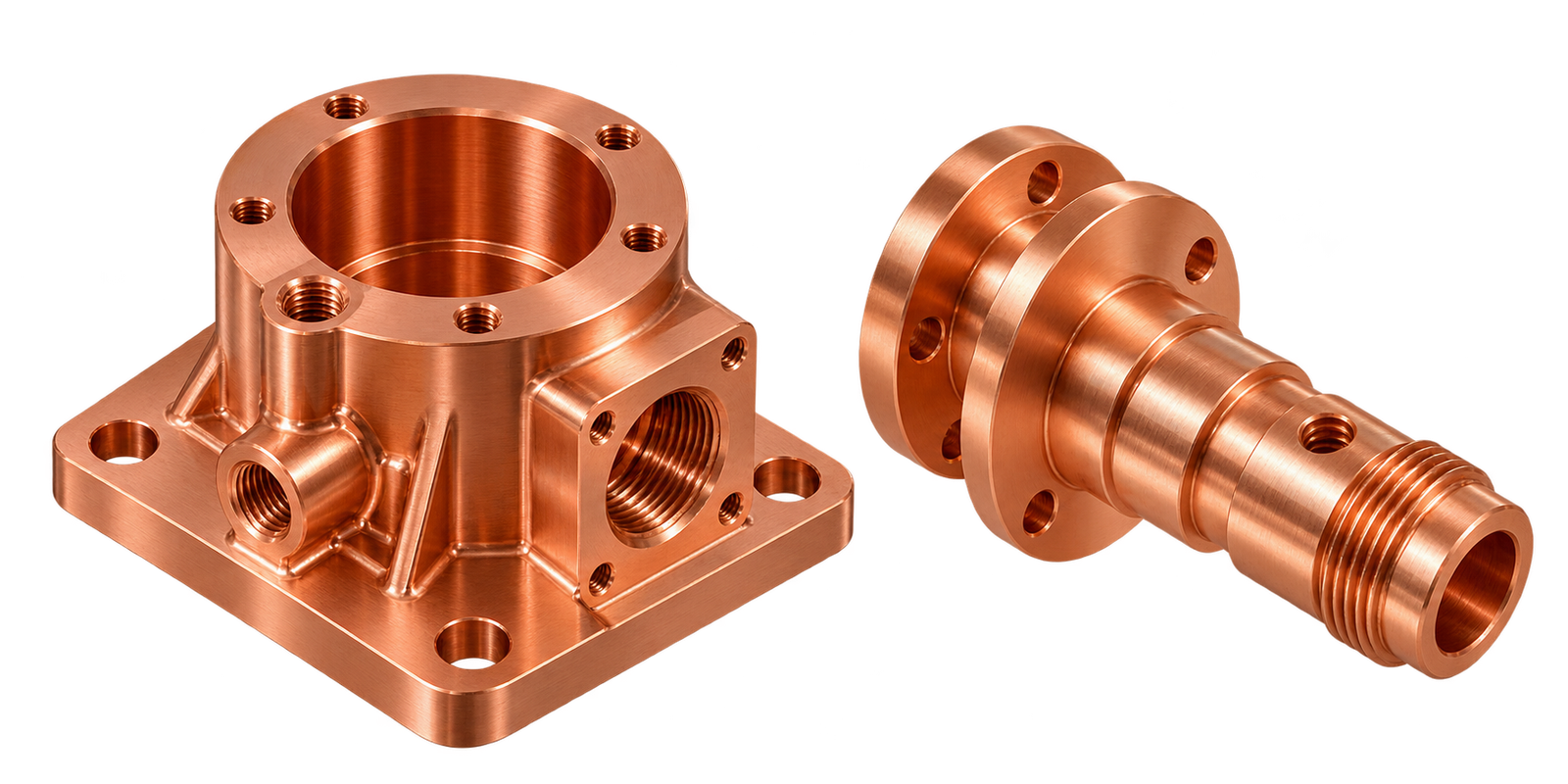
Copper in CNC Machining
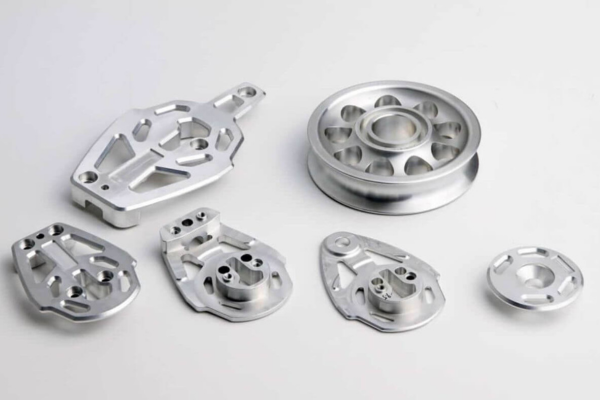
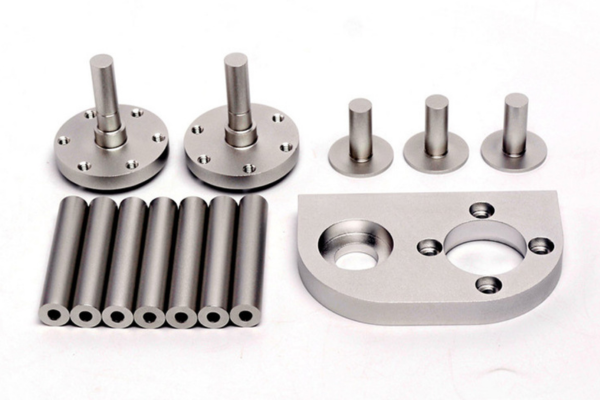
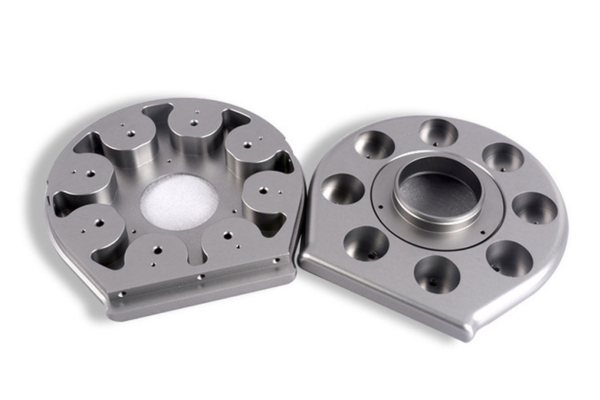
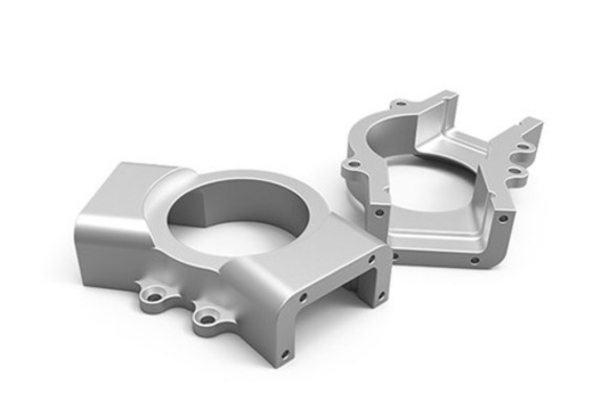
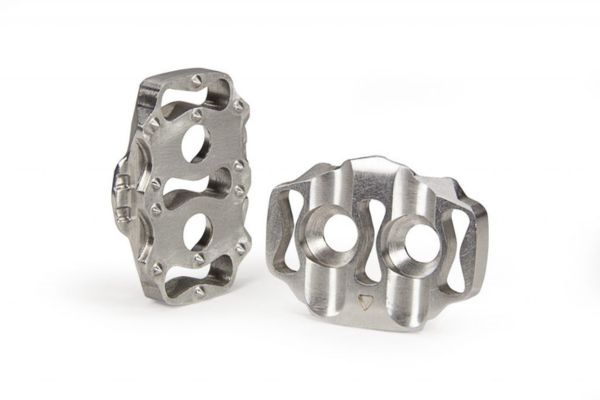
Copper is a versatile material used in various industries due to its excellent electrical and thermal conductivity, corrosion resistance, and malleability. It is widely used in various electrical applications due to its exceptional thermal and electrical conductivity. Companies in various industries, including electrical, construction, transport, and consumer goods, find the alloy’s versatility and useful properties beneficial for various applications. Raw pieces of metal are meticulously carved down to create the desired shape or object in CNC machined copper parts.
| Aleaciones disponibles | 6061, 6061-T6, 6063, 6082, 5052, 5083, 2024, 7075, 7075-T6, ADC12 |
| Precio | $ |
| Plazo de entrega | Menos de 10 días |
| Grosor de la pared | 0,75 mm |
| Tolerancias | ±0,125 mm (±0,005 pulgadas) |
| Tamaño máximo de la pieza | 200 x 80 x 100 cm |
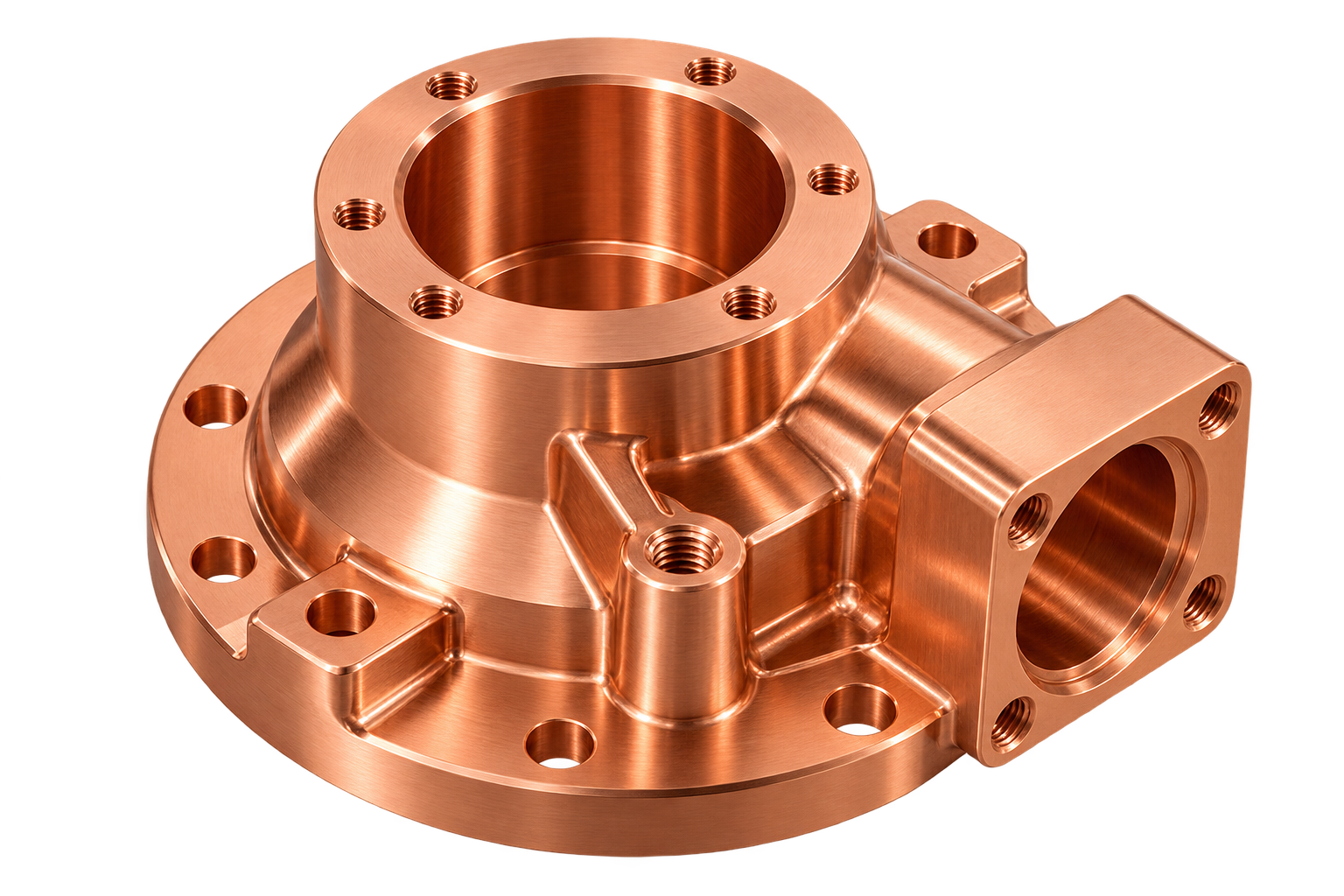
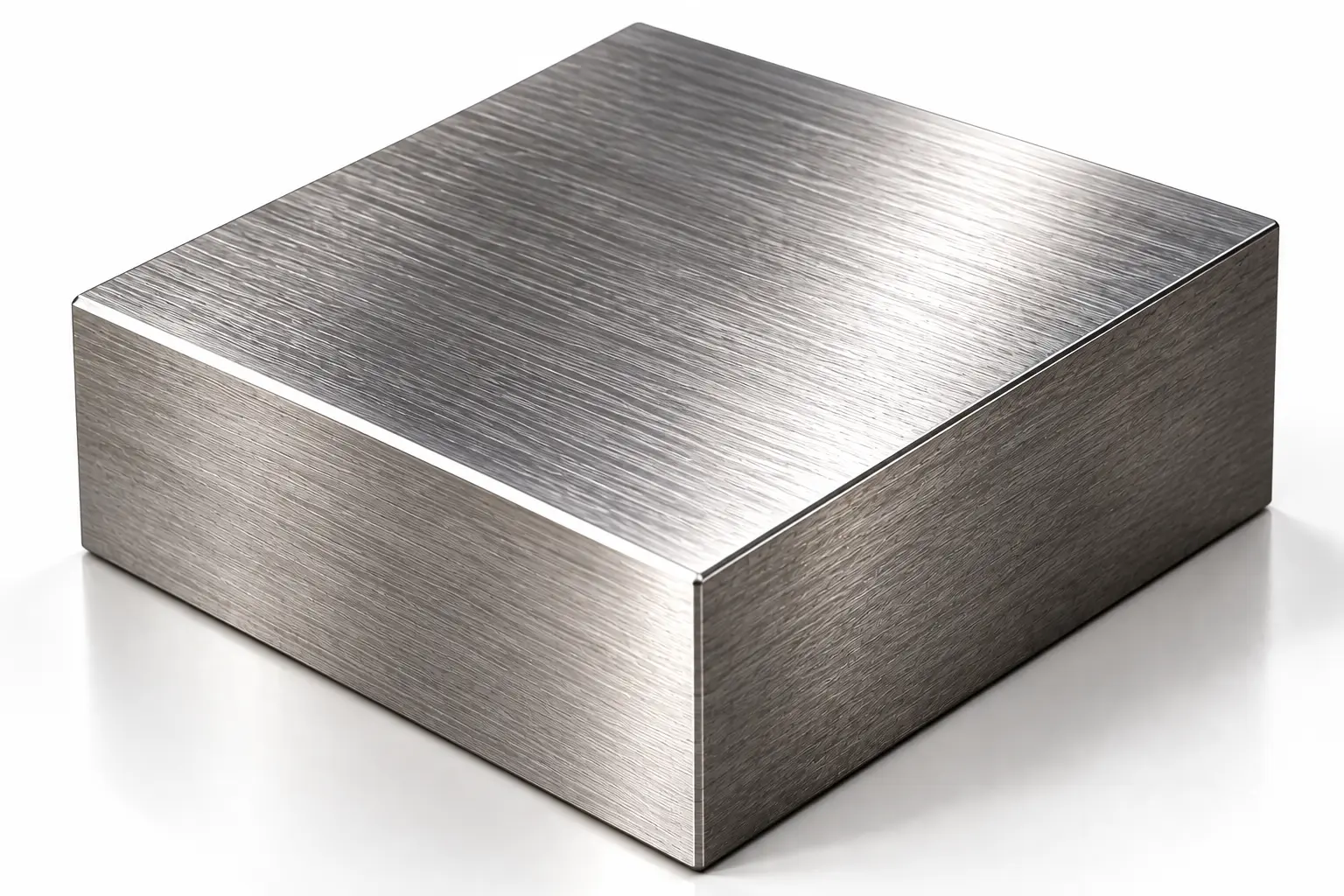
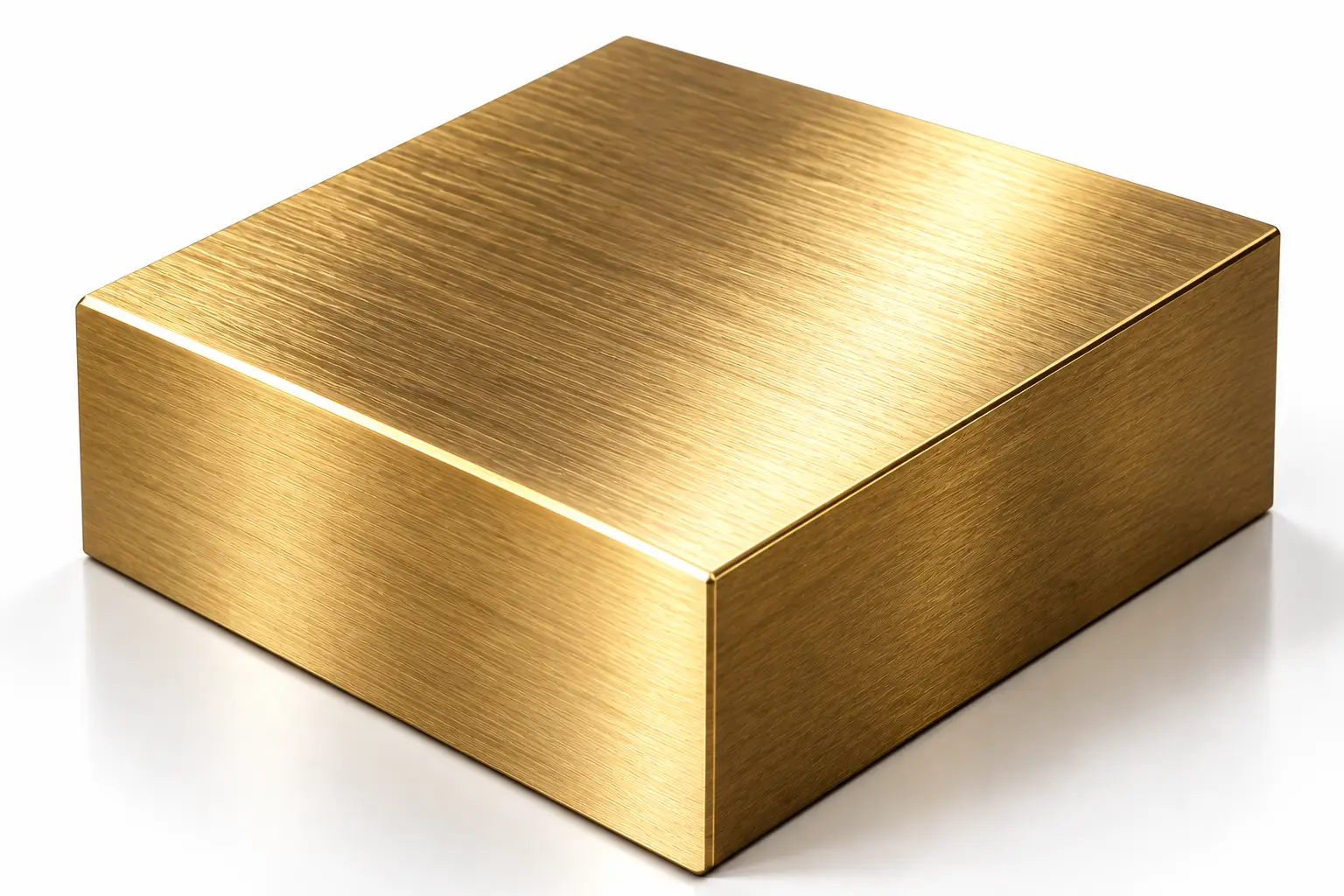
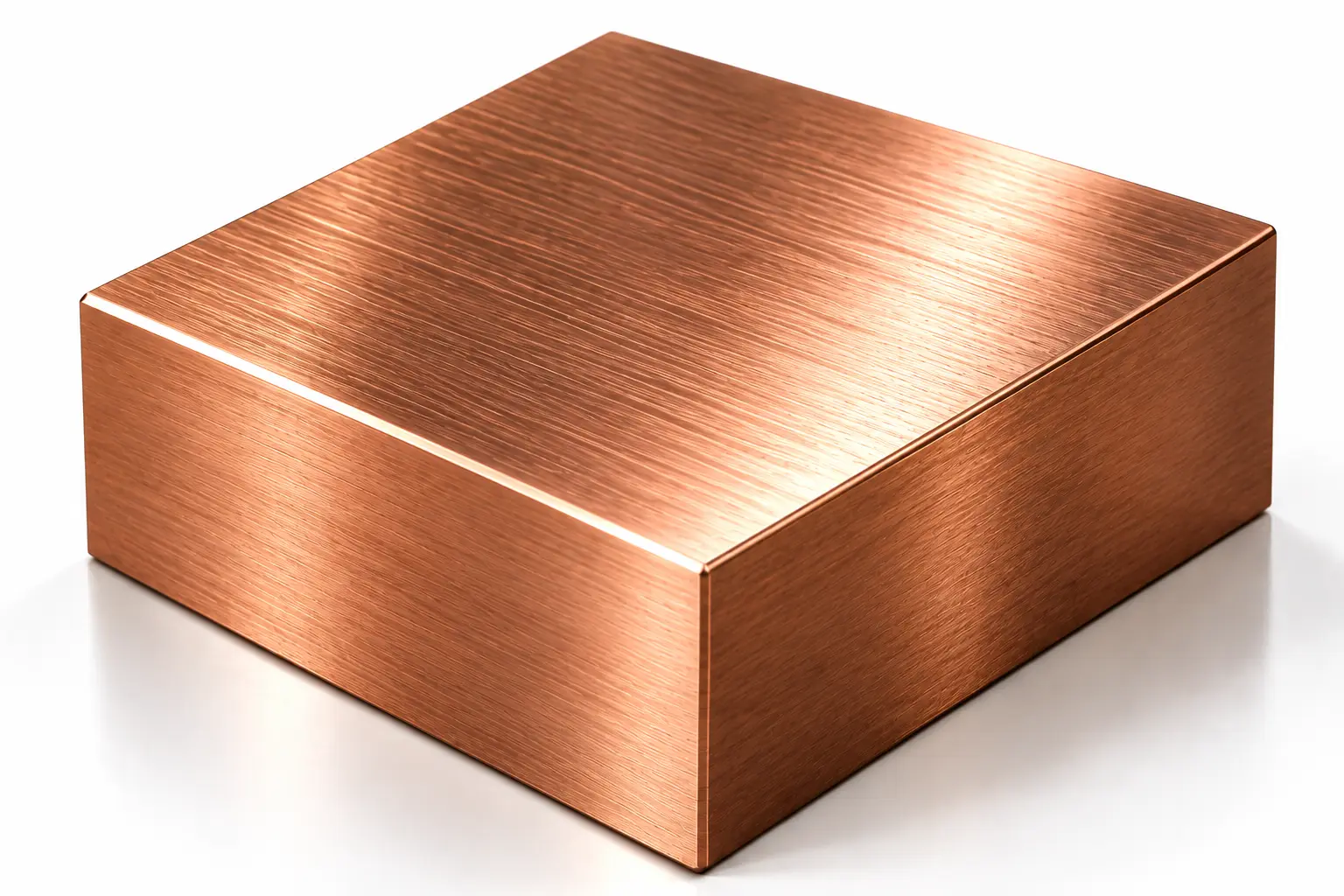
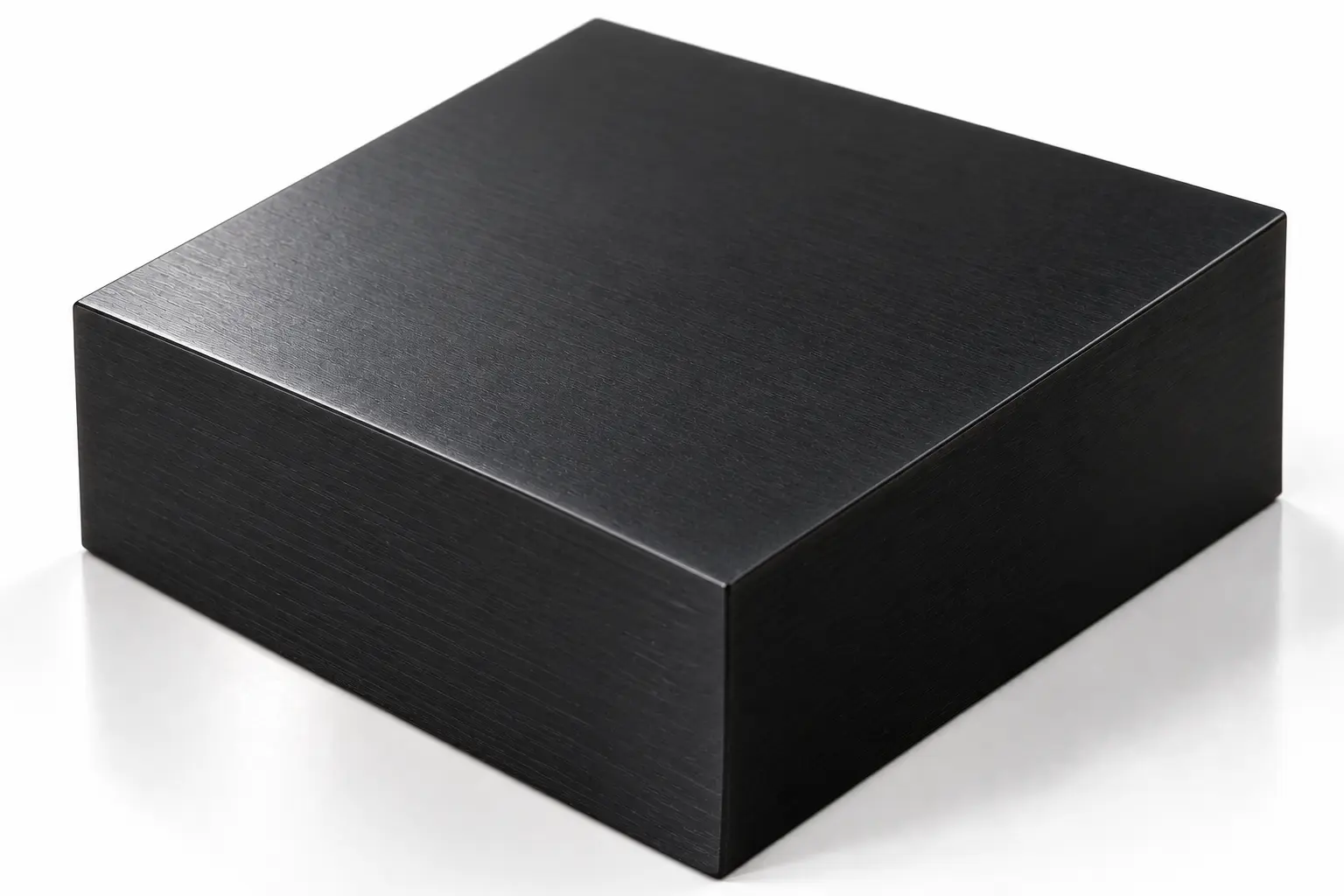
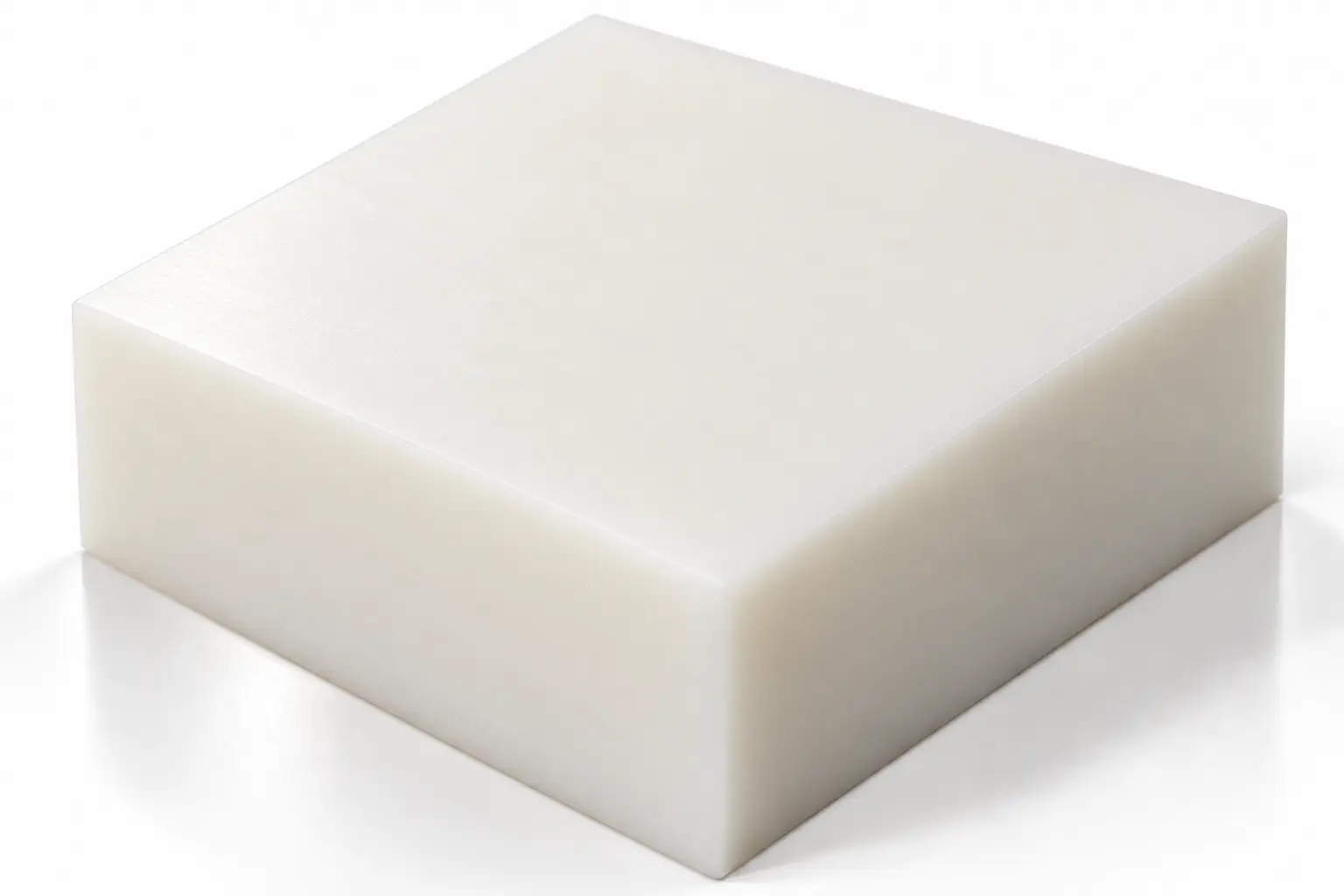
Copper C101(T2)
Copper C103(T1)
Copper C103(TU2)
Copper C110(TU0)
Tolerancias generales de mecanizado CNC
| Descripción | Tolerancia general o estándar |
|---|---|
| Tolerancias dimensionales generales | ±0.005″ (±0.127 mm) for metals; ±0.010″ (±0.254 mm) for plastics in line with ISO 2768-mK unless otherwise specified |
| Tolerancias estrictas | Down to ±0.001″ (±0.025 mm) available upon request, with detailed 2D drawings and GD&T specifications |
| Tamaño mínimo del elemento | ~0.020″ (0.50 mm), depends on part geometry, tool diameter, and material |
| Tolerancia del diámetro del orificio | ±0.002″ (±0.05 mm) typical; tighter tolerances with boring or reaming |
| Planitud/Paralelismo | ≤0.002″ per 6″ (≤0.05 mm per 150 mm), varies by material and fixture setup |
| Tolerancias de roscado | Roscas métricas e imperiales estándar según ISO/ASME; roscas personalizadas o finas disponibles bajo pedido. |
| Tolerancia angular | ±0,5° típico |
| Estado de los bordes | Los bordes afilados se rompen y desbarban por defecto a menos que se indique lo contrario. |
| Acabado superficial (estándar) | Ra 3,2 μm (125 μin) como mecanizado; acabados mejorados disponibles mediante pulido, granallado, anodizado, etc. |
| Tamaño máximo de la pieza | Milling: Up to 80″ × 48″ × 24″ (2,032 × 1,219 × 610 mm) Turning: Up to 62″ length × 32″ diameter (1,575 × 813 mm) |

Advantages and Limitations of Copper CNC Machining
- High Electrical Conductivity: Ensures minimal energy loss and efficient performance.
- High Thermal Conductivity: Ideal for heat exchangers, radiators, and other thermal management systems.
- Resistencia a la corrosión: Long-lasting and able to withstand harsh environments.
- Malleability and Ductility: Easily shaped and formed into complex designs.
- Biostatic Properties: Resists bacterial growth and is useful in medical applications.
- Durabilidad: Long lifespan, reducing the need for frequent replacements.
- Softness: Prone to deformation under stress, challenging to maintain tight tolerances.
- Gummy Nature: Adheres to cutting tools, leading to poor surface finishes and increased tool wear.
- Cost: Higher material and machining costs compared to other metals.
- Thermal Expansion: This can affect dimensional stability during temperature fluctuations.
Dé vida a sus diseños con Elite Mold Tech
Experimente el mecanizado CNC de precisión con Elite Mold Tech. Desde intrincados prototipos hasta producción a gran escala, estamos preparados para hacer realidad sus ideas. Póngase en contacto con nosotros hoy mismo para hablar de las necesidades de su proyecto.
- Conocimientos ampliamente compartidos
- Ampliación del alcance del mercado
- Tecnología avanzada integrada
- Oportunidades de innovación en colaboración
- Soluciones fiables a la carta
- Todas las cargas son seguras y confidenciales
Copper CNC Machining FAQs
What is the process for CNC milling copper?
CNC milling copper involves using computer-controlled machinery to remove material from a solid block of copper to create precise parts and components. The process typically includes programming the CNC machine, setting up the copper material, and performing the milling operations with specialized cutting tools.
What are the typical costs associated with CNC machining copper?
The costs can vary depending on factors such as the complexity of the design, the type of copper used, the quantity of parts, and any additional finishing processes required. For a detailed quote, please upload your design file on our quotation platform.
Why is machining copper difficult?
Machining copper can be challenging due to its softness and high ductility. This can cause it to adhere to cutting tools, leading to poor surface finishes and increased tool wear. Specialized tools and techniques are necessary to achieve optimal results.
What tools are used in machining copper?
Tools used in copper machining include high-speed steel (HSS) and carbide tools designed to handle copper’s properties. Additionally, specialized coatings and geometries may enhance tool performance and longevity.