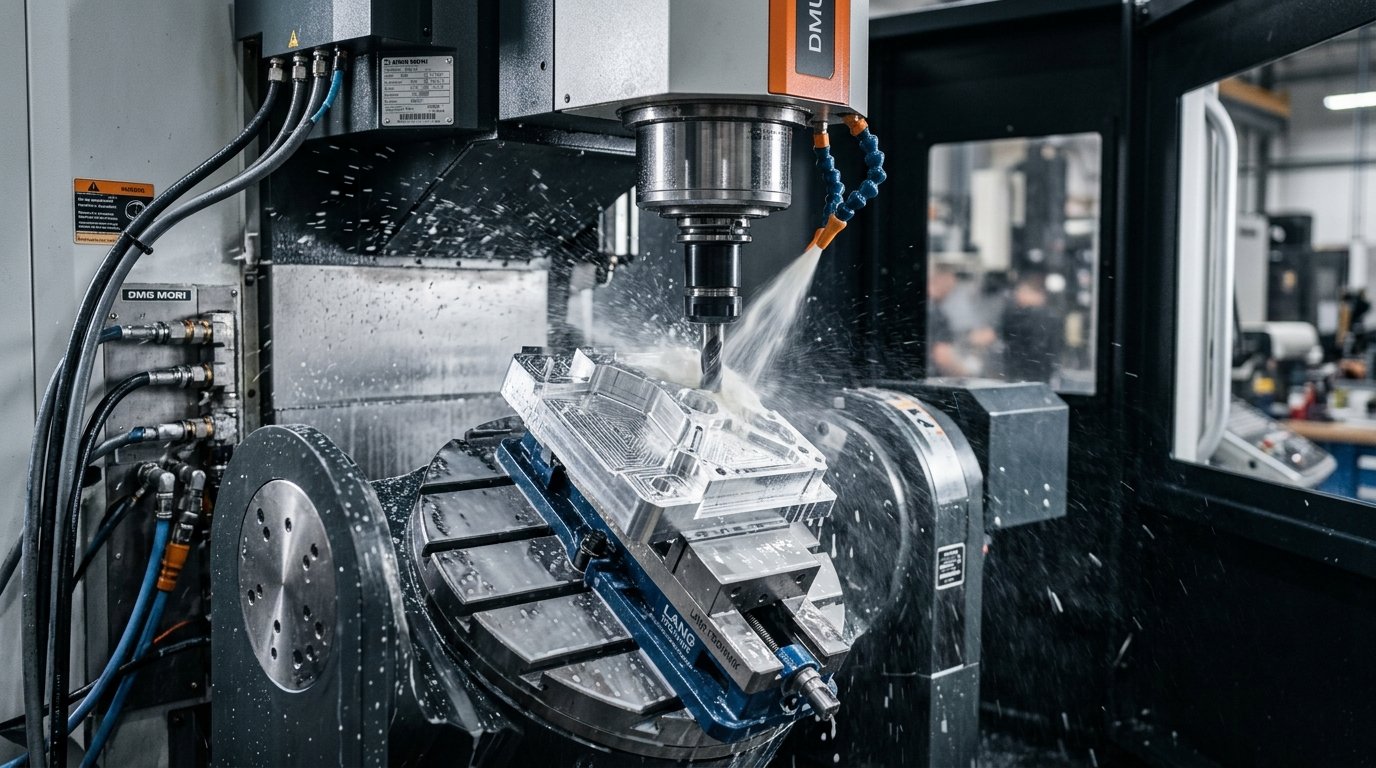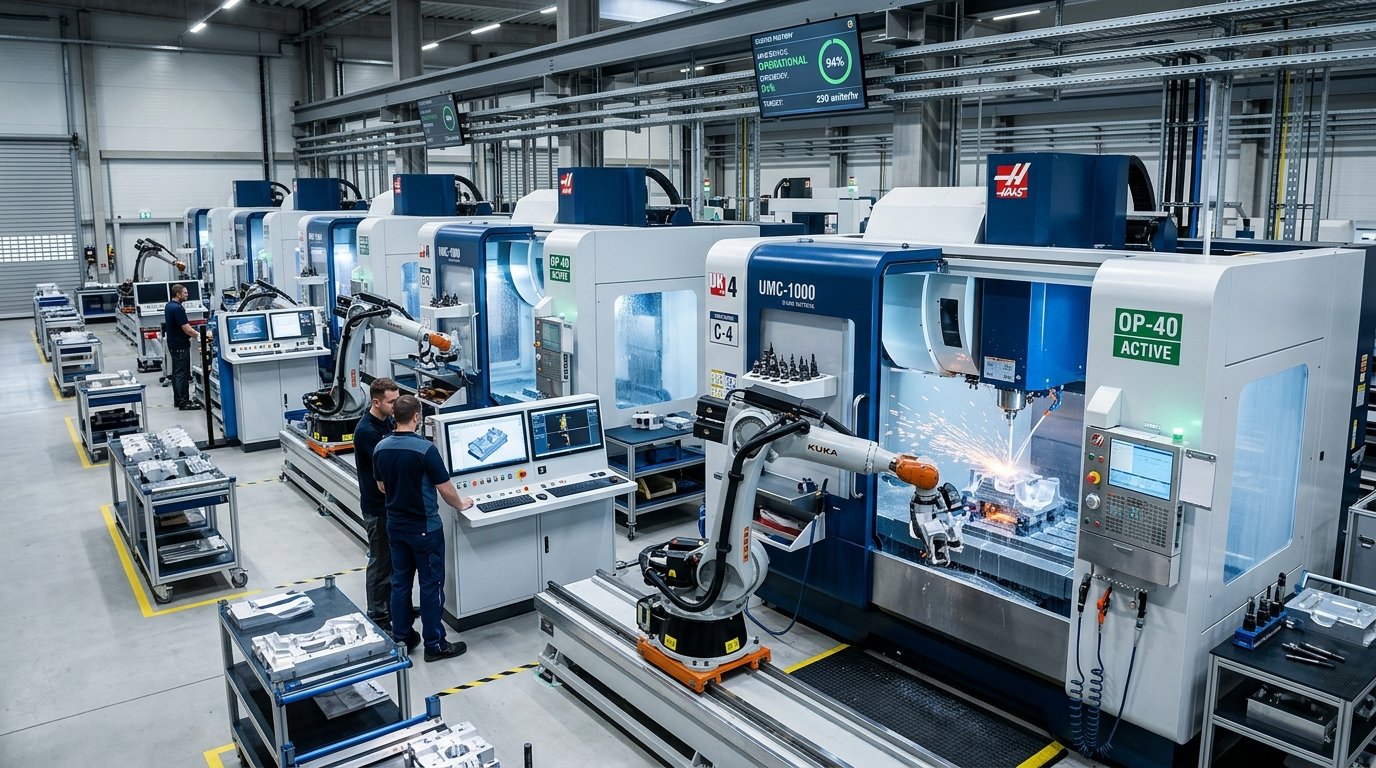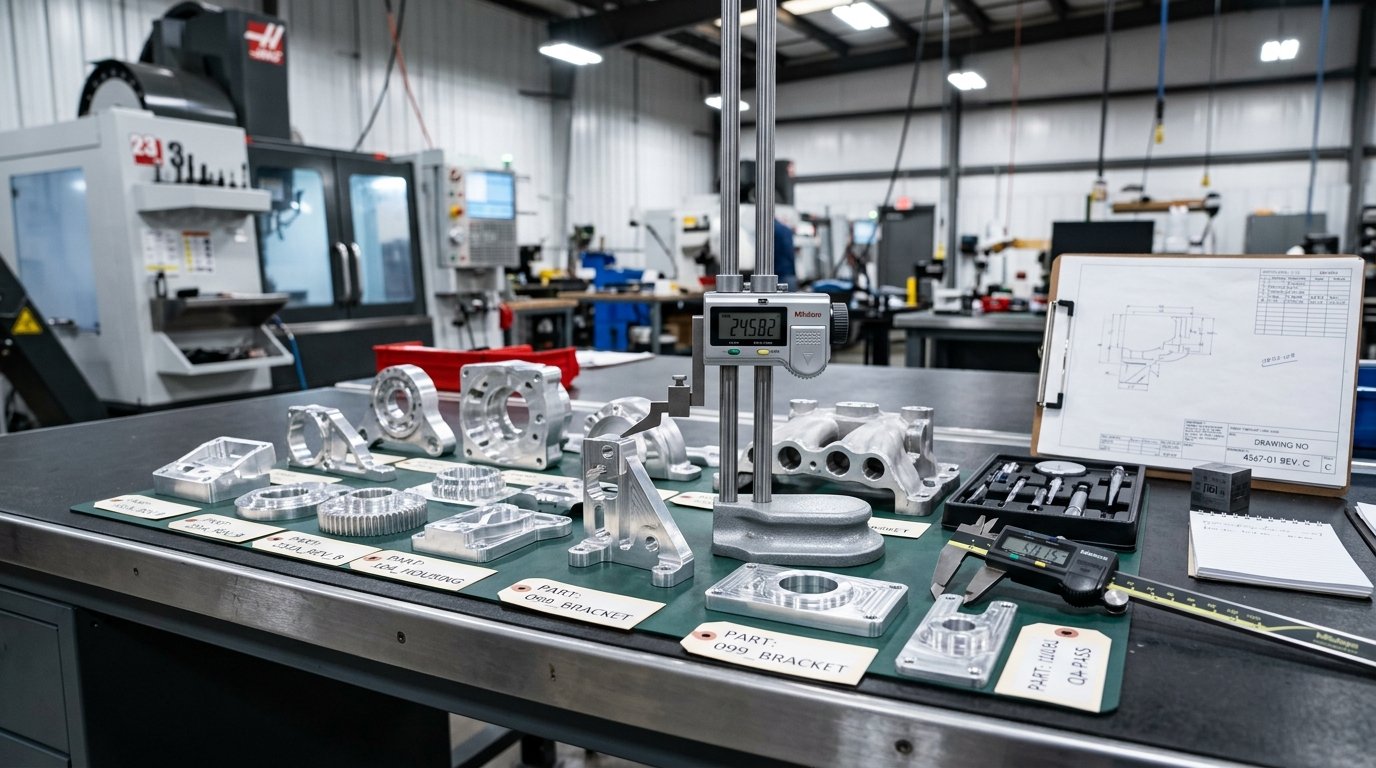
Un responsable des achats verse un acompte de 50 % à un fournisseur trouvé sur une place de marché B2B. Les photos montraient un atelier d'usinage CNC impeccable, avec des rangées de machines à 5 axes. Six semaines plus tard, les pièces arrivent avec des traces d'outils visibles, des tolérances hors spécifications et un retard de livraison de deux semaines. L’entreprise qui avait encaissé l’acompte était une société de négoce ne disposant d’aucun équipement d’usinage en propre. Les photos provenaient d’une usine située à trois provinces de là, qui n’avait jamais eu connaissance de cette commande.
Ce scénario précis, ou une variante de celui-ci, se produit chaque mois au sein des équipes d’approvisionnement. Il est tout à fait évitable. La Chine reste la source la plus importante et la plus compétitive en termes de coûts pour l'usinage CNC de précision dans le monde, et l'écrasante majorité des fabricants chinois sont légitimes, compétents et fiables. Les échecs qui surviennent sont presque toujours dus à un manque de diligence raisonnable, et non à un manque de fiabilité inhérent à l'industrie manufacturière chinoise. Usinage CNC, moulage par injection et impression 3D : comparaison
Ce guide vous propose une liste de contrôle en 10 points pour votre diligence raisonnable, qui vous permettra de distinguer les véritables fabricants des sociétés de négoce, de vérifier les capacités en matière de qualité avant de vous engager, et de protéger votre propriété intellectuelle ainsi que votre paiement avant même que la première livraison ne quitte l'usine. Passez en revue l'ensemble de ces dix points avant de signer un bon de commande avec un nouveau fournisseur.
| Réponse rapide Pour choisir un fabricant fiable spécialisé dans l'usinage CNC en Chine, il est nécessaire de vérifier dix éléments avant de passer commande : la licence d'exploitation et le champ d'activité, les certifications de qualité (ISO 9001, AS9100, IATF 16949, ISO 13485 selon le secteur d'activité), vérification physique de l’usine par audit vidéo ou inspection par un tiers, équipement et capacités de tolérance adaptés à votre pièce, assistance technique en matière de conception pour la fabrication (DFM), documentation relative au contrôle qualité et aux inspections, processus d’homologation des échantillons et des premiers articles, protection de la propriété intellectuelle par le biais d’accords de confidentialité (NDA) et de contrats de fabrication, conditions de paiement structurées de manière à protéger les deux parties, ainsi que capacités de communication et de gestion de projet. Le fait de négliger l’un de ces dix points est la cause principale des échecs d’approvisionnement, des retards de livraison et des litiges liés à la qualité avec les fournisseurs chinois spécialisés dans l’usinage CNC. |
Liste de contrôle en 10 points pour la diligence raisonnable
1. Vérifiez que la licence d'activité mentionne « fabrication » et non « commerce »
Toute entreprise chinoise légitime exerce ses activités en vertu d'une licence commerciale enregistrée qui précise son champ d'activité autorisé. Une véritable licence de fabricant inclut les caractères chinois signifiant « fabrication » (制造) dans son champ d’activité. Une société de négoce, qui achète auprès d’usines et revend avec une marge bénéficiaire sans exercer de contrôle qualité direct, mentionne généralement « ventes » ou « import-export » (销售 ou 进出口) dans son champ d’activité. Demandez la licence commerciale et vérifiez directement le champ d’activité, ou vérifiez-le de manière indépendante via le Système national chinois de publication des informations sur le crédit des entreprises, qui est accessible au public. Un fournisseur refusant de communiquer ce document d’enregistrement de base constitue immédiatement un signal d’alerte.
2. Vérifiez que les certifications de qualité correspondent aux exigences de votre secteur d'activité
La norme ISO 9001 est la certification de base en matière de gestion de la qualité que tout fabricant de machines CNC digne de ce nom se doit de détenir. Au-delà de cette norme de base, les certifications spécifiques à chaque secteur revêtent une importance considérable : l’AS9100 pour les composants aérospatiaux, l’IATF 16949 pour les pièces automobiles et l’ISO 13485 pour les dispositifs médicaux. Il ne s’agit pas là de simples formalités administratives facultatives. Elles attestent de l’existence de systèmes de gestion de la qualité documentés, assortis d’exigences spécifiques en matière de traçabilité, de maîtrise des processus et de mesures correctives que la norme ISO 9001 générale n’impose pas. Demandez le certificat lui-même, vérifiez que l’organisme de certification est accrédité et assurez-vous que le certificat n’est pas périmé. Un fournisseur affirmant être conforme à la norme AS9100 sans disposer d’un certificat valide délivré par un organisme d’enregistrement accrédité ne peut pas répondre aux exigences des programmes aérospatiaux, quelles que soient ses capacités réelles d’usinage.
3. Demander un audit vidéo ou une inspection d'usine par un organisme tiers
Les photos publiées sur le site web d’un fournisseur ou sur son profil d’une plateforme commerciale ne prouvent en rien l’existence réelle de l’usine qui se cache derrière. Un audit vidéo, c’est-à-dire un appel vidéo en direct au cours duquel le fournisseur fait visiter en temps réel son atelier de production, son laboratoire d’inspection par MMT et ses stocks de matériaux, est désormais une pratique courante, et tout fabricant sérieux accédera à cette demande sans hésitation. Pour les engagements plus importants, un service d’inspection tiers (SGS, TÜV, Bureau Veritas ou un agent d’approvisionnement spécialisé) peut réaliser un audit physique de l’usine et fournir un rapport indépendant sur les équipements, les capacités et les systèmes qualité. La réticence à proposer un audit vidéo ou à accepter une inspection par un organisme tiers est l’un des indicateurs les plus probants que le fournisseur ne correspond pas à l’image qu’il véhicule dans son marketing.
4. Adaptez l'équipement et les capacités de tolérance à votre pièce spécifique
Un fournisseur qui fabrique de simples supports sur des fraiseuses à 3 axes ne peut pas honorer une commande nécessitant l’usinage 5 axes de composants aérospatiaux complexes en titane, quelles que soient les affirmations figurant dans sa déclaration de capacités. Demandez des modèles de machines précis, la configuration des axes, les spécifications de la broche et les capacités de tolérance documentées, idéalement étayées par des rapports d’inspection CMM récents portant sur des pièces similaires aux vôtres. Si votre pièce nécessite des tolérances de 0,01 mm ou inférieures, demandez précisément comment le fournisseur vérifie et respecte cette tolérance en production, et pas seulement sur un simple échantillon. Une inadéquation des capacités découverte après la fabrication de l’outillage ou le lancement d’un cycle de production s’avère bien plus coûteuse que la vérification de ces capacités lors de la qualification du fournisseur.
5. Vérifiez que l'assistance technique en matière de conception pour la fabrication (DFM) fait partie intégrante de leur processus
Les fabricants qui mettent en œuvre une analyse numérique de la conception pour la fabricabilité (DFM) avant la production détectent les problèmes dimensionnels et de processus avant qu’ils n’entraînent des rebuts, des retouches ou des retards. Demandez-leur directement si l’analyse DFM fait partie intégrante de leur processus de devis, quelles vérifications spécifiques ils effectuent (épaisseur des parois, faisabilité des tolérances, stratégie de fixation, retrait des matériaux), et demandez-leur un exemple de rapport DFM issu d’un projet antérieur. Les fabricants qui ne disposent pas d’une DFM pour le moulage par injection Les processus de ce type sont nettement plus susceptibles de produire des pièces qui, d'un point de vue technique, correspondent au plan, mais qui ne tiennent pas compte des variables réelles de production, en particulier lors de séries complexes ou de premières séries.
6. Vérifier les pratiques en matière de documentation relative au contrôle qualité et aux inspections
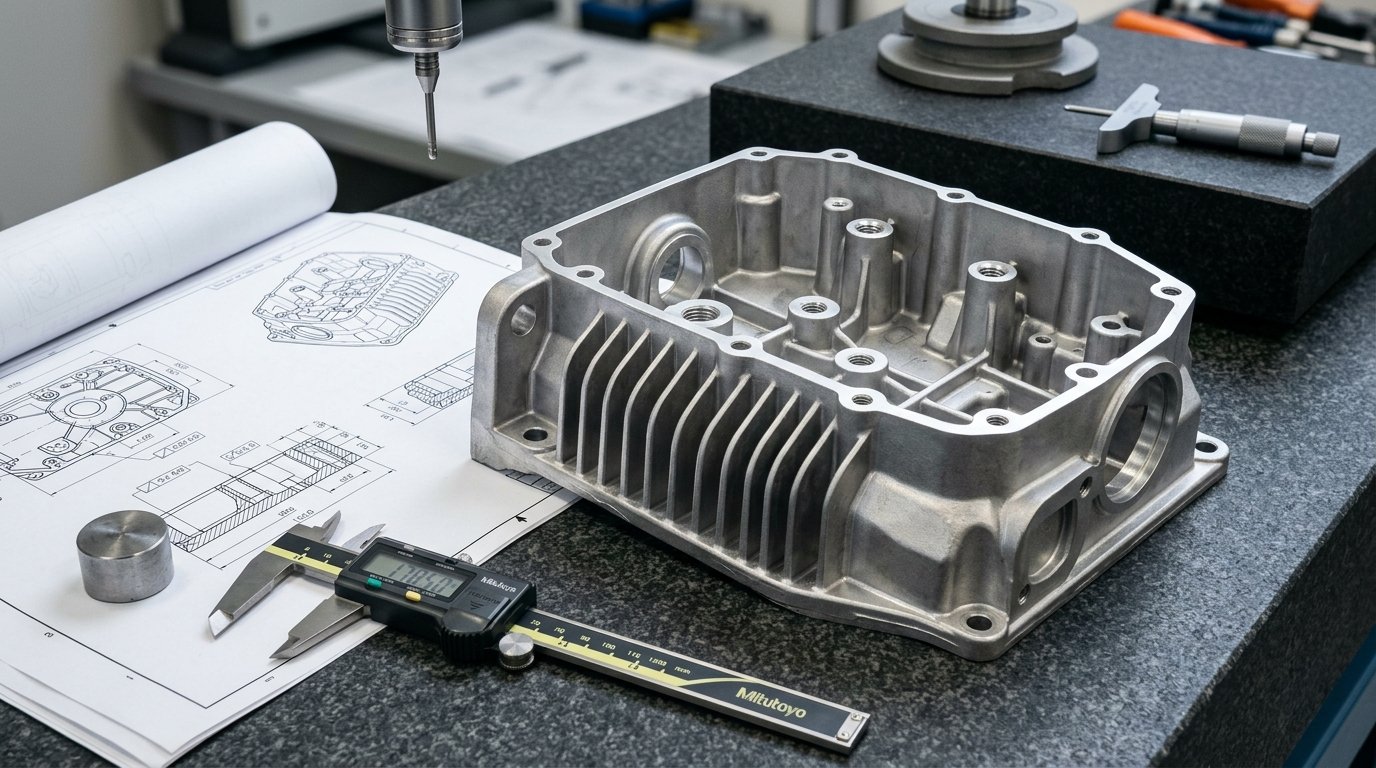
Demandez précisément quels sont les équipements d'inspection utilisés par l'usine (CMM, comparateur optique, rugosimètre, duromètre) et à quelle étape de la production les contrôles ont lieu : vérification des matières premières à leur arrivée, contrôles en cours de fabrication et contrôle final avant expédition. Demandez un exemple de rapport d’inspection issu d’un projet antérieur comparable, et vérifiez si les rapports d’inspection du premier article (FAI) sont fournis systématiquement ou uniquement sur demande. Pour les pièces destinées à des secteurs réglementés, demandez si les rapports d’inspection incluent une traçabilité dimensionnelle complète par rapport au plan, et non pas simplement une mention générale « conforme » ou « non conforme ». Les fournisseurs qui ne sont pas en mesure de produire un rapport d’inspection détaillé sur simple demande ne disposent généralement pas d’un système qualité documenté pour étayer leurs affirmations.
7. Mettre en place un processus clair d'approbation des échantillons et des premiers articles
Avant de valider la production en série, une étape officielle de validation d’échantillons ou de premier article doit permettre de confirmer que le fournisseur est effectivement en mesure de produire votre pièce conformément au cahier des charges. Cela implique de recevoir des échantillons physiques (et pas seulement des photos) des premières pièces produites, accompagnés d’un rapport d’inspection dimensionnelle référencé par rapport à votre plan, ainsi qu’une validation écrite explicite avant de lancer la production en série. Le fait de sauter cette étape pour gagner une à deux semaines de délai de livraison est la cause la plus fréquente de litiges de qualité à grande échelle, car les problèmes qui auraient été détectés lors d’un échantillonnage de 10 pièces apparaissent alors sur l’ensemble d’un lot de production.
8. Protégez votre propriété intellectuelle grâce à un accord de confidentialité et à un contrat de fabrication
La signature d'un accord de confidentialité (NDA) avant le partage de fichiers CAO et de plans détaillés est une pratique courante, et tout fabricant sérieux s'engagera sans hésitation à en signer un. Pour les conceptions à forte valeur ajoutée ou exclusives, un accord NDNR (non-divulgation, non-utilisation, non-contournement) plus complet, exécutoire en vertu du droit chinois et rédigé par un avocat spécialisé dans l'application des droits de propriété intellectuelle en Chine, offre une protection plus solide qu'un accord de confidentialité standard de type occidental, qui pourrait ne pas être exécutoire devant un tribunal chinois. Assurez-vous que l’accord traite spécifiquement de la propriété des outillages, moules et gabarits fabriqués pour votre projet, car toute ambiguïté à ce sujet a déjà donné lieu à des litiges lorsque des entreprises ont tenté de changer de fournisseur et se sont heurtées à la revendication, par le fournisseur en place, de la propriété d’outillages financés par l’acheteur.
9. Définir des conditions de paiement qui protègent les deux parties
Les structures de paiement courantes pour les nouvelles relations avec les fournisseurs comprennent un acompte de 30 % et le règlement des 70 % restants en fonction des résultats de l'inspection avant expédition, ou le recours à une garantie commerciale ou à un service d'entiercement proposé par les principales plateformes d'approvisionnement B2B, qui retient le paiement jusqu'à ce que l'acheteur confirme que les marchandises reçues correspondent au cahier des charges. Le virement d’un acompte important, voire du paiement intégral, à un nouveau fournisseur non vérifié, sans protection par une assurance commerciale ni contrôle d’inspection par un tiers, est le mode de paiement le plus souvent associé aux pertes liées à la fraude. À mesure que la relation mûrit et que la confiance s’instaure grâce à plusieurs commandes menées à bien, les conditions de paiement peuvent raisonnablement évoluer vers des conditions commerciales standard de paiement à 30 ou 60 jours nets.
10. Évaluer les compétences en communication, en gestion de projet et en langues
Le fait de disposer d’un ingénieur de projet ou d’un chargé de compte dédié, anglophone, capable de comprendre les plans techniques et la notation GD&T, et de discuter des conclusions de l’analyse DFM en termes techniques précis, plutôt que d’un simple interlocuteur commercial qui se contente de relayer les messages à une équipe d’ingénieurs, est un signe fort indiquant que le fournisseur est structuré pour servir ses clients internationaux de manière professionnelle. Testez cela dès la phase de devis : envoyez un plan comportant une cote de tolérance délibérément ambiguë ou une caractéristique inhabituelle, puis évaluez si le fournisseur pose une question de clarification pertinente ou s’il se contente de chiffrer la pièce telle qu’elle est dessinée sans aborder l’ambiguïté. Les fournisseurs qui posent les bonnes questions lors de l’établissement du devis communiquent efficacement pendant la production, moment où les questions revêtent une importance bien plus grande.
Quelles certifications sont réellement importantes dans votre secteur d'activité ?
Toutes les certifications ne s'appliquent pas à toutes les pièces. Demander une certification inadaptée fait perdre du temps lors de la qualification des fournisseurs, tandis que l'absence de la certification appropriée entraîne un risque réel de non-conformité une fois que les pièces sont intégrées à votre chaîne d'approvisionnement. Le tableau ci-dessous répertorie les certifications pertinentes pour chaque secteur d'activité et les applications auxquelles elles s'appliquent concrètement. Usinage CNC de dispositifs médicaux
| Certification | Secteur / Application | Ce que cela vérifie | Risque en cas de non-respect |
|---|---|---|---|
| ISO 9001 | Pièces industrielles et commerciales générales, référence pour tous les fournisseurs de machines à commande numérique (CNC) | Système de gestion de la qualité documenté, maîtrise des processus, mesures correctives | Qualité inégale, absence de processus formel visant à identifier les causes profondes des défauts |
| AS9100 | Composants aérospatiaux, pièces de structure d'aéronefs et pièces de moteurs | Gestion de la configuration, traçabilité complète, contrôles des risques spécifiques au secteur aérospatial | Certaines pièces peuvent être totalement rejetées par les chaînes d'approvisionnement certifiées du secteur aérospatial |
| IATF 16949 | Pièces automobiles, fournisseurs automobiles de niveau 1 et de niveau 2 | Systèmes de prévention des défauts, contrôle statistique des processus, conformité aux exigences PPAP | Les équipementiers et les acheteurs de premier rang ne valideront pas le fournisseur pour les programmes automobiles |
| ISO 13485 | Dispositifs médicaux, instruments chirurgicaux, composants implantables | Contrôle de la conception, gestion des risques, traçabilité en matière de biocompatibilité | Risque de non-conformité réglementaire vis-à-vis de la FDA, du marquage CE ou d'autres autorités sanitaires |
| ISO 14001 | Secteurs soumis à une réglementation environnementale, exigences en matière de développement durable des entreprises | Système de gestion environnementale et conformité réglementaire | Risque direct limité en matière de qualité des pièces, mais susceptible d'avoir une incidence sur les audits ESG de l'entreprise ou les audits des fournisseurs |
| NADCAP | Procédés spécifiques au secteur aérospatial (traitement thermique, contrôles non destructifs, soudage, revêtements) | Accréditation de procédés spéciaux spécifiques conformément aux exigences des maîtres d'œuvre du secteur aérospatial | Les opérations relevant de procédés spéciaux peuvent être rejetées par les maîtres d'œuvre du secteur aérospatial si elles ne relèvent pas du champ d'application de la certification NADCAP. |
Société de négoce ou véritable fabricant : comment faire la différence ?
De nombreux fournisseurs trouvés sur les places de marché B2B et dans les résultats de recherche sont des sociétés de négoce plutôt que des usines. Les sociétés de négoce ne sont pas malhonnêtes par nature, mais elles appliquent une marge bénéficiaire, vous privent d’une visibilité directe sur le contrôle qualité et introduisent un intermédiaire dans la communication entre vous et le processus de production proprement dit. Le tableau ci-dessous met en évidence les différences concrètes à prendre en compte.
| Point de vérification | Véritable fabricant | Société commerciale (signaux d'alerte) |
|---|---|---|
| Champ d'application de la licence d'exploitation | Contient 制造 (fabrication) | Contient les termes « 销售 » ou « 进出口 » (ventes / import-export) |
| Réponse à l'audit vidéo | En temps réel, affiche l'état actuel de l'atelier et des équipements | Retardé, réticent ou affiche des photos d'archives |
| Questions techniques | Réponse fournie par un ingénieur, avec des précisions spécifiques au procédé | Réponse vague ou renvoi vers “ à vérifier auprès de l'usine ” |
| Délai de réponse au devis | Comprend des informations détaillées sur le temps d'utilisation des machines, les matériaux et les processus | Prix générique avec une analyse technique succincte |
| Commentaires sur la conception pour la fabrication (DFM) | Signale de manière proactive les problèmes de tolérance ou de géométrie | Cite la pièce exactement telle qu'elle est dessinée, sans commentaire technique |
| Adresse de l'usine | Correspond à l'adresse figurant sur la licence d'exploitation et dans l'audit vidéo | L'adresse ne correspond pas, ou plusieurs “ usines partenaires ” sont mentionnées |
| Délai de fabrication des échantillons | Délais de livraison réalistes, adaptés aux capacités internes | Anormalement rapide ou anormalement lent, avec des explications vagues |
| Prêt à travailler avec un fabricant spécialisé dans l'usinage CNC certifié ?Elite Mold Tech est un fabricant direct doté de systèmes de qualité certifiés ISO, d'un service d'ingénierie DFM en interne et d'une documentation complète d'inspection par machine à mesurer tridimensionnelle (CMM) pour chaque commande. Téléchargez votre fichier STEP ou IGES pour recevoir, dans les 12 heures, un devis détaillé comprenant le détail des processus, des matériaux et des tolérances, ainsi que notre licence d'activité, nos certifications et, sur demande, une visite guidée en direct de nos installations par vidéo.Rendez-vous sur elitemoldtech.com pour entamer votre processus de vérification préalable et demander un devis. |
Guides et ressources connexes d'Elite Mold Tech
Guides connexes : Guide complet de sélection des processus de fabrication, Le processus de prototypage rapide expliqué, Services d'usinage CNC.
Références faisant autorité : Norme ISO 9001 relative au système de gestion de la qualité, Société des ingénieurs de la production (SME).
Demandez une analyse DFM à Elite Mold Tech
Prêt à passer du dessin à la pièce ? Envoyez votre fichier CAO à Elite Mold Tech et recevez une analyse DFM dans les 12 heures, accompagnée des commentaires de notre équipe d'ingénieurs concernant les tolérances, les matériaux et les coûts, avant de vous engager dans la fabrication des outils.
Questions fréquemment posées
Comment puis-je vérifier l'authenticité de la licence commerciale d'un fabricant chinois de machines à commande numérique ?
Le Système national chinois de publication des informations sur le crédit des entreprises (国家企业信用信息公示系统) est une base de données gouvernementale gratuite et accessible au public, qui permet de vérifier directement la licence d’exploitation, le capital social, le champ d’activité et le représentant légal de toute entreprise chinoise enregistrée. Effectuez votre recherche à l’aide de la dénomination sociale chinoise de l’entreprise, que le fournisseur doit vous communiquer en même temps que sa raison sociale en anglais. Vérifiez que l’objet social comprend des termes liés à la fabrication plutôt que des termes exclusivement liés à la vente ou au commerce, que le statut de l’entreprise est « actif » et non « révoqué » ou « faisant l’objet d’une enquête », et que l’adresse enregistrée correspond bien à l’emplacement que le fournisseur indique pour son usine. Cette vérification prend quinze minutes et permet d’éliminer une part importante de fournisseurs frauduleux ou ayant fourni de fausses informations avant tout transfert d’argent.
Quelles certifications dois-je exiger en fonction de mon secteur d'activité ?
Les exigences en matière de certification varient en fonction de la criticité réglementaire et de sécurité de votre application. Pour les pièces industrielles et commerciales générales, la certification ISO 9001 relative au système de gestion de la qualité constitue l’exigence de base appropriée. Pour les composants aérospatiaux, la norme AS9100 (qui s'appuie sur la norme ISO 9001 et ajoute des exigences spécifiques à l'aérospatiale en matière de traçabilité et de gestion de la configuration) doit être considérée comme incontournable, en particulier pour toute pièce intégrant une chaîne d'approvisionnement certifiée dans le secteur aéronautique. Pour les pièces automobiles, la norme IATF 16949 atteste de la mise en place des systèmes de maîtrise des processus et de prévention des défauts exigés par les équipementiers automobiles et les fournisseurs de premier rang. Pour les dispositifs médicaux, la norme ISO 13485 est indispensable et atteste que le fabricant dispose de processus documentés en matière de traçabilité, de gestion des risques et de maîtrise de la conception, adaptés à la fabrication de dispositifs médicaux. Il ne suffit pas de demander un certificat sans vérifier sa validité. Vérifiez que l’organisme de certification est accrédité (recherchez une accréditation reconnue par l’IAF) et que le champ d’application du certificat couvre spécifiquement l’usinage CNC, et pas seulement les activités générales de l’entreprise.
Quelle est la modalité de paiement la plus sûre pour une première commande auprès d'un nouveau fournisseur chinois ?
Pour une première commande auprès d’un fournisseur non vérifié, la solution la plus sûre consiste à combiner un acompte modeste (généralement de 30 %) et le versement du solde uniquement après qu’une inspection avant expédition a confirmé que les marchandises sont conformes au cahier des charges, que ce soit par l’intermédiaire de votre propre représentant, d’un service d’inspection tiers ou du mécanisme de garantie commerciale proposé par les principales plateformes d’approvisionnement B2B telles qu’Alibaba. Évitez de verser un acompte important ou le paiement intégral par virement bancaire à un fournisseur sans vérification indépendante, en particulier si celui-ci fait pression pour obtenir le paiement intégral à l’avance ou propose une remise exceptionnellement élevée en échange. À mesure que la confiance s’instaure grâce à des commandes successives menées à bien, avec une qualité et des délais de livraison constants, les conditions de paiement peuvent raisonnablement s’assouplir pour s’aligner sur les conditions commerciales standard «net 30» ou «net 60», courantes dans les relations acheteur-fournisseur bien établies. L’approche la plus sûre pour les deux ou trois premières commandes consiste toujours à conserver un certain pouvoir de négociation jusqu’à ce que le fournisseur ait démontré sa fiabilité.
Comment puis-je protéger la conception de mon produit lorsque je travaille avec un fabricant chinois spécialisé dans l'usinage CNC ?
La protection commence par un accord de confidentialité (NDA) correctement rédigé ou, pour les conceptions de grande valeur, par un accord NDNR (Non-Divulgation, non-utilisation et non-contournement) rédigé en chinois, régi par le droit chinois et exécutoire devant un tribunal chinois, car un accord de confidentialité standard de type occidental, rédigé selon le droit américain ou britannique, présente souvent une force exécutoire limitée dans la pratique à l’encontre d’une entité chinoise. Au-delà de l’accord juridique, les mesures pratiques consistent notamment à limiter les détails techniques communiqués à un fournisseur donné pendant la phase d’appel d’offres à ce qui est strictement nécessaire pour obtenir un devis précis, à répartir les sous-ensembles critiques et exclusifs entre plusieurs fournisseurs lorsque la conception le permet, et de déposer spécifiquement en Chine les brevets de conception clés, car la protection par brevet est liée à la juridiction et un brevet déposé uniquement dans votre pays d’origine n’offre aucun moyen de faire valoir vos droits à l’encontre d’un fabricant chinois opérant en Chine. En ce qui concerne l’outillage et les moules fabriqués spécifiquement pour votre programme, veillez à ce que le contrat de fabrication stipule explicitement que vous êtes propriétaire à part entière de l’outillage, car toute ambiguïté sur ce point a déjà donné lieu à des litiges lorsque des acheteurs ont tenté de transférer la production vers un nouveau fournisseur.
Comment puis-je savoir si un fournisseur trouvé sur Alibaba ou une plateforme similaire est une véritable usine ?
Les plateformes d’approvisionnement B2B regroupent à la fois de véritables usines et des sociétés commerciales, et les labels de vérification de la plateforme (tels que les mentions “ Fournisseur vérifié ” ou “ Fournisseur Gold ”) confirment que certains contrôles de base ont été effectués, mais ne garantissent pas que le fournisseur soit un fabricant direct disposant des équipements présentés sur les photos de son profil. Les méthodes de vérification les plus fiables consistent à demander un audit vidéo en direct de l’atelier, à recouper l’adresse de l’usine indiquée sur la plateforme avec celle figurant sur la licence d’exploitation vérifiée via le Système national de publication des informations de crédit des entreprises, et à poser des questions techniques précises sur les modèles de machines, les spécifications des broches, et des capacités de tolérance auxquelles un représentant d’une société commerciale ne peut généralement pas répondre avec la même précision qu’un véritable ingénieur de production. Les avis et l’historique des transactions sur la plateforme fournissent des indications, mais peuvent être exagérés ou non représentatifs de la qualité sur des pièces complexes, car de nombreux avis concernent des produits simples à faible tolérance qui ne mettent pas à l’épreuve les mêmes capacités que celles requises par votre pièce.
Quelle est la différence entre demander un échantillon et exiger un contrôle du premier article ?
Un échantillon est simplement une pièce physique produite par le fournisseur à des fins d'examen, qui peut ou non être accompagnée d'une documentation dimensionnelle officielle. L’inspection du premier article (FAI), en revanche, est un processus formel et documenté, souvent conforme à la norme AS9102 dans le secteur aérospatial, dans le cadre duquel chaque cote et chaque caractéristique figurant sur le plan technique sont mesurées et consignées dans un rapport structuré, fournissant ainsi la preuve objective que le processus du fournisseur est capable de produire la pièce conformément au cahier des charges avant que les quantités de production ne soient engagées. Pour les pièces à faible risque et de faible complexité, un examen visuel de l’échantillon peut suffire. Pour toute pièce présentant des tolérances serrées, des caractéristiques critiques ou destinée à un secteur réglementé, un rapport FAI formel, directement lié aux cotes de votre plan, doit constituer une étape obligatoire avant d’autoriser la production à grande échelle, car il fournit une référence documentée sur laquelle vous pouvez vous appuyer pour demander des comptes au fournisseur si des problèmes de qualité surviennent ultérieurement au cours du cycle de production.
À propos de l'auteur :
Alex Morgan est spécialisé dans la rédaction de contenus techniques liés à la fabrication de précision, notamment dans les domaines de l'usinage CNC, du moulage par injection, du moulage sous pression, de l'impression 3D, de la tôlerie et de la fabrication de moules sur mesure. Fort de plus d’une décennie d’expérience dans la rédaction de contenu B2B dédié à l’industrie manufacturière et au référencement naturel (SEO), il crée des contenus techniquement rigoureux destinés aux ingénieurs, aux développeurs de produits, aux équipes d’approvisionnement et aux décideurs du secteur manufacturier. Son travail aide les fabricants internationaux à communiquer clairement leurs capacités de production complexes, leurs options de matériaux, leurs tolérances, leurs processus d'outillage et leurs normes de qualité à leurs clients aux États-Unis, en Europe et dans la région Asie-Pacifique. Il rédige pour des entreprises manufacturières où l’expertise technique, la précision et la fiabilité sont primordiales.