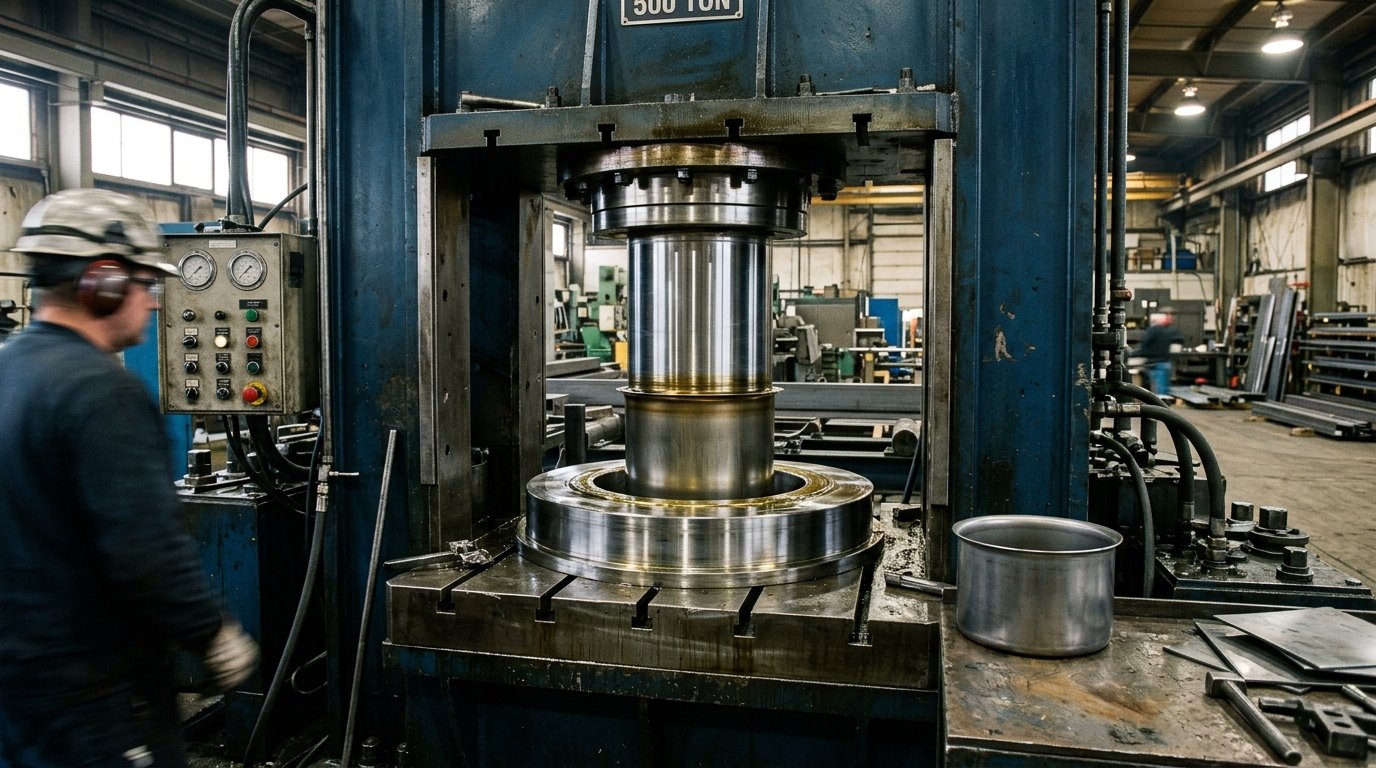
Injection mold quotes for the same part can differ by a factor of ten between suppliers, and buyers reasonably conclude that someone is either overcharging or cutting corners. Usually neither is true. The quotes describe different tools.
A mold is not a commodity. It is a piece of production equipment built to a specification, and if that specification is not written down, each supplier assumes their own. One quotes a hardened steel multi-cavity tool with a hot runner and a million-cycle life. Another quotes a single-cavity pre-hardened tool with a cold runner rated for fifty thousand shots. Both are honest. Neither is comparable to the other.
This guide sets out what sits inside a tooling quote, which variables move the price most, and how to write a specification that makes quotes comparable.
Why No Article Can Give You a Price
You will find plenty of sources quoting figures for injection mold cost. Treat them cautiously, because the variables are so wide that any single number is close to meaningless.
A small, simple, single-cavity prototype tool and a large multi-cavity hardened production tool with side actions and hot runner are separated by orders of magnitude. Part size, geometry complexity, cavity count, steel grade, cycle life requirement and surface finish each move the figure substantially, and they interact.
What is useful is understanding which variables you control and what each one does to the price. That lets you make deliberate choices rather than accepting whatever assumption a supplier made.
The Cost Components
Mold Base
The frame that holds everything. Standard mold bases from established suppliers cost less than custom bases and are widely available in common sizes. Larger parts require larger bases, and the cost scales with size.
Cavity and Core
The steel that forms your part. This is where most of the engineering and machining hours go, and where complexity translates directly into cost. Deep cavities, fine detail, thin steel sections and complex parting lines all extend machining and finishing time.
Steel Grade and Hardness
The single largest lever on tool life and a significant lever on cost.
Pre-hardened grades such as P20 machine relatively easily and suit moderate volumes. Hardened tool steels such as H13 last far longer, particularly with abrasive glass-filled resins, but cost more and take longer to machine because hardening happens partway through the build. Stainless grades resist corrosion where the resin or environment requires it.
Steel origin matters too. There is a genuine performance gap between certified imported steel and unspecified local stock, and this is one of the most common places quotes diverge silently. Ask which grade is quoted and where it comes from.
Cavitation
The number of parts produced per cycle. A four-cavity tool costs more than a single-cavity tool but produces four parts per shot, which transforms unit economics at volume.
This is a calculation rather than a preference. At low annual volumes, single cavity is usually correct because the tooling premium never pays back. At high volumes, multi-cavity is clearly correct. The break-even depends on your annual quantity, part cycle time and machine rate, and it is worth asking your supplier to price two options so you can model it properly rather than guessing.
Family tools, which produce different parts in one mold, save tooling cost but constrain you to producing those parts in fixed ratio. That suits matched assemblies and works badly when demand for the parts diverges.
Runner System
A cold runner is simpler and cheaper to build. It produces a solid runner with every shot, which becomes scrap or regrind, and adds a small amount of cycle time.
A hot runner keeps the melt molten in a heated manifold, eliminating runner scrap and typically shortening cycle time. It costs substantially more upfront, adds complexity that can require maintenance, and is generally justified at higher volumes or with expensive resins where material savings accumulate.
For most low to moderate volume programmes, cold runners are the sensible default.
Side Actions and Lifters
Undercuts, features that would prevent the part releasing along the mold opening direction, require mechanism. Slides, lifters and unscrewing devices all add cost, complexity, maintenance requirement and potential failure points.
This is where design decisions made without tooling awareness become expensive. A snap feature or side hole that could be relocated or redesigned may eliminate a slide entirely. This is one of the most valuable outcomes of a design for manufacture review before steel is committed.
Cooling System
Cooling determines cycle time, and cycle time determines your cost per part for the tool’s entire life. A tool with well-designed conformal or well-placed conventional cooling runs faster and produces more consistent parts.
Cooling is easy to underinvest in because its benefit appears later, in production, rather than at the tooling invoice. It is worth asking how cooling is designed rather than accepting whatever comes.
Surface Finish and Texture
Polished optical finishes require extensive hand work. Textures applied to standard specifications carry their own cost. A high-gloss cosmetic surface is significantly more expensive than a standard machined finish.
Specify to function and appearance requirement, not by default.
Engineering, Sampling and Trials
Mold design hours, DFM analysis and sometimes flow simulation appear in the quote. So does sampling.
The first shot from a new tool, commonly called T1, is rarely perfect. What matters commercially is how many sampling and correction rounds are included and who pays beyond that. Suppliers vary considerably here, and the difference only becomes visible when a third round arrives with an invoice.
Mold Classification
Tooling is often described using SPI classifications, which broadly correspond to expected cycle life:
| Classe | Broad life expectation | Typical use |
| 101 | Over one million cycles | High-volume production |
| 102 | Up to one million | Medium to high volume, abrasive materials |
| 103 | Up to 500,000 | Medium volume |
| 104 | Up to 100,000 | Low volume, non-abrasive materials |
| 105 | Up to 500 | Prototype and bridge tooling |
Each class implies different steel, hardening, guiding and wear components, and therefore different cost.
A quote that does not state a class or an expected cycle life is incomplete. Specify the life you need in cycles and require it in writing. A tool priced for 100,000 shots and run for a million will fail, and the argument about responsibility is unwinnable afterward.
Tooling Type by Programme Stage
Not every programme needs a production tool immediately.
Prototype tooling, typically aluminium, produces parts in real production resin within a short lead time at low cost, for validation quantities. Cycle life is limited but parts behave like production parts, which machined or printed equivalents do not.
Bridge tooling covers the gap between validation and full production, delivering meaningful volumes while a production tool is built or while demand remains uncertain.
Production tooling in hardened steel with proper cooling carries the part through its commercial life.
Jumping straight to production tooling saves a step but risks a design change after steel is hardened. Staying on outillage de prototypage too long means paying high unit costs at volume. The right sequence depends on how settled the design is and how confident the volume forecast looks.
Design Decisions That Move Tooling Cost
Undercuts. Each one may require a slide or lifter. Redesigning to eliminate an undercut often saves more than any other single change.
Wall thickness uniformity. Uneven walls cause differential cooling, which causes warpage and sink, which drives extra tooling work and longer cycles trying to compensate. Uniform walls are cheaper to tool and produce better parts.
Draft angles. Insufficient draft causes ejection problems and drag marks. Adding adequate draft costs nothing at design stage and prevents tooling complexity later.
Part size. Larger parts need larger tools, larger mold bases and larger molding machines, and all three scale cost.
Tolerances. As with machining, tight tolerances on a molded part require more precise tooling and more sampling iterations to dial in. Specify tightly only where function demands.
Cosmetic requirements. Gate location, weld line position and surface finish all become more constrained when appearance matters. Flagging cosmetic surfaces early lets the toolmaker plan gating around them.
Making Quotes Comparable
Send every supplier the same written specification covering:
- Expected annual and lifetime volume
- Required mold class or cycle life
- Cavitation, or a request to price two options
- Steel grade preference, or a requirement to state what is quoted
- Runner type
- Resin, including any filler content
- Surface finish or texture standard
- Cosmetic surfaces identified
- Number of sampling rounds required and who bears correction cost
- Inspection documentation required with T1 samples
- Spare parts to be included
- Warranty expectation
A quote missing several of these is not cheaper, it is less complete. The missing items reappear later as variation orders, which is how a low tooling quote becomes an expensive programme.
Ownership and What Happens Later
A mold you paid for is not automatically a mold you can collect. Ownership, physical possession and transfer rights are three separate matters.
Agree in writing who owns the tool, where it is stored, what maintenance is performed and at whose cost, what happens if the supplier ceases trading, and what transfer would cost and involve. Settle this before making any tooling payment. Suppliers confident in the relationship document it readily.
Getting a Specific Number
Tooling cost only becomes real when someone examines your part. Geometry, resin, volume and cosmetic requirement together determine the figure, and no general guidance substitutes for that review.
Elite Mold Tech procède à une analyse DFM avant d'établir un devis pour moulage de production and prototype tooling, with molding, machining, finishing and assembly available from one Dongguan facility. Sending a part file produces engineering comments on the geometry alongside a quote written against a stated specification.
Questions fréquemment posées
Q: Why do injection mold quotes vary so much between suppliers?
A: Because they usually describe different tools. Steel grade, cavitation, runner type, mold class and included sampling rounds all vary, and without a written specification each supplier assumes their own.
Q: How many cavities should my mold have?
A: That depends on annual volume, cycle time and machine rate rather than preference. Ask your supplier to price single and multi-cavity options so you can model total cost across the production life.
Q: Is a hot runner worth the extra cost?
A: Generally at higher volumes or with expensive resins, where eliminated runner scrap and shorter cycles accumulate real savings. At low to moderate volumes, a cold runner is usually the more economical choice.
Q: What is mold class and why does it matter?
A: Mold class indicates expected cycle life and implies the steel, hardening and components used. Specifying it in writing prevents receiving a tool built for far fewer cycles than your programme requires.
Q: Can I reduce tooling cost by changing my part design?
A: Often substantially. Eliminating undercuts, adding draft, making wall thickness uniform and relaxing non-functional tolerances all reduce tooling complexity, and these changes cost nothing before steel is cut.