
POM (Delrin) CNC Machining Service
Get precision Polypropylene (PP) CNC machined components designed for excellent chemical resistance, low weight, and dependable durability. Our advanced CNC machining processes deliver custom PP parts with consistent accuracy, clean surface finishes, and reliable performance for a wide range of industrial applications.
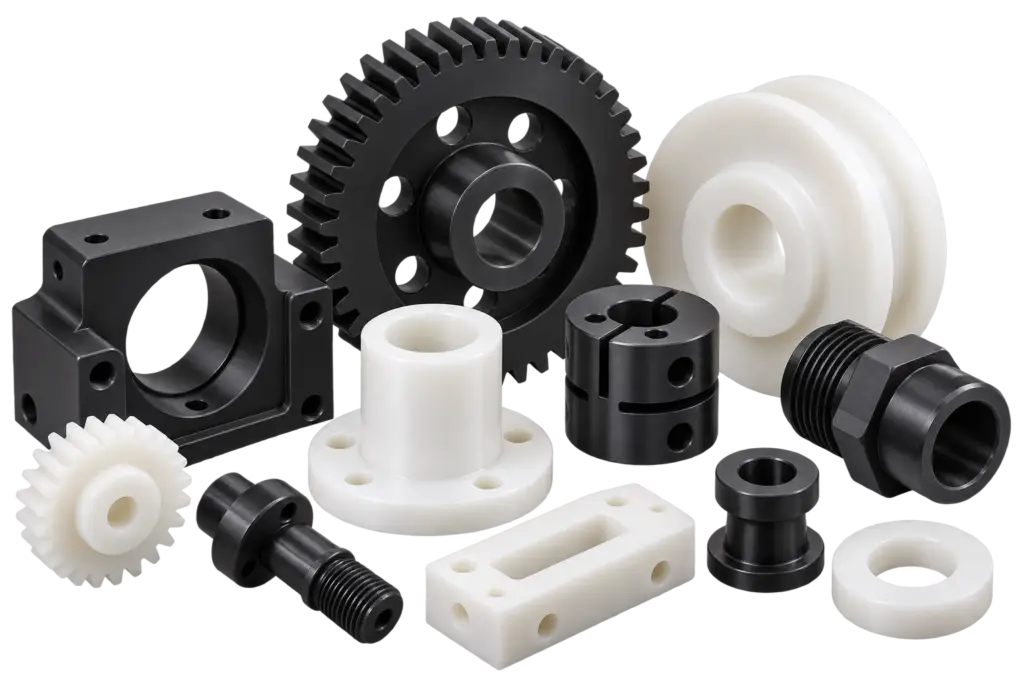
POM (Delrin) in CNC Machining
POM (Polyoxymethylene), commonly known as Delrin or Acetal, is a high-performance engineering thermoplastic valued for its high strength, stiffness, low friction, wear resistance, and excellent dimensional stability. These characteristics make it particularly suitable for precision CNC-machined components that require consistent accuracy and smooth operation.POM machines cleanly and is well suited for producing gears, bushings, bearings, rollers, electrical components, automotive parts, fixtures, and precision mechanical components. Its low moisture absorption and good mechanical properties also make it a reliable choice for demanding industrial applications.
| Available POM Grades | POM Natural, POM Black, Delrin/Acetal Grades |
| Price | $ |
| Lead time | Under 10 days |
| Wall thickness | 0.75 mm |
| Tolerances | ±0.125 mm (±0.005 in) |
| Max part size | 1200 × 500 × 150 mm |
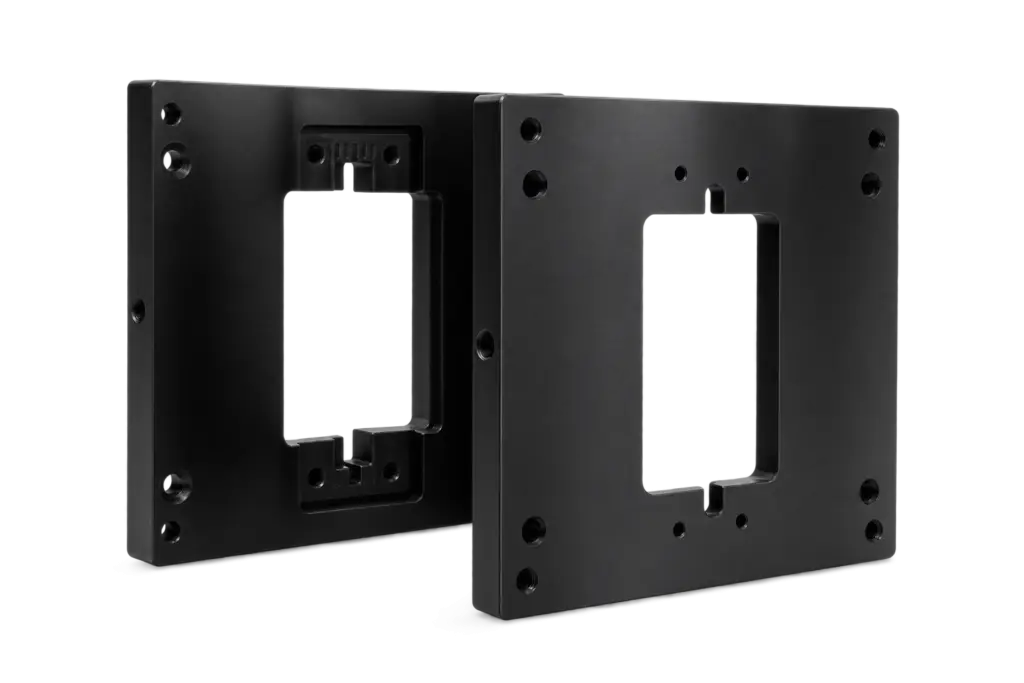
POM (Delrin) CNC Machining Materials
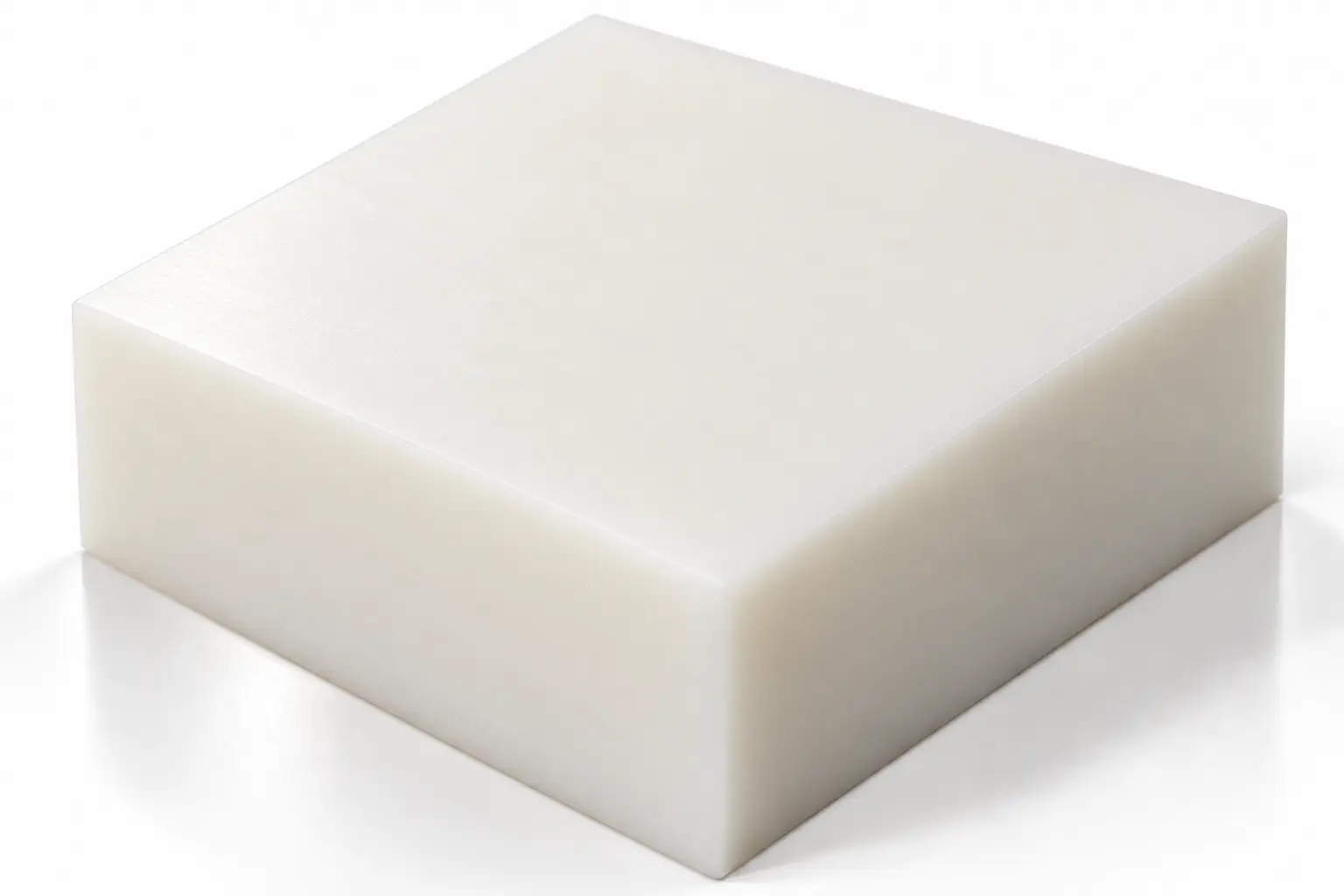
Machined POM Properties
POM (Delrin) is an engineering thermoplastic valued for its strength, stiffness, low friction, and excellent machinability. These properties make it suitable for precision CNC machined components that require dimensional stability and reliable wear performance.
General CNC Machining Tolerances
| Description | General Tolerance or Standard |
|---|---|
| General Dimensional Tolerances | ±0.005″ (±0.127 mm) for metals; ±0.010″ (±0.254 mm) for plastics in line with ISO 2768-mK unless otherwise specified |
| Tight Tolerances | Down to ±0.001″ (±0.025 mm) available upon request, with detailed 2D drawings and GD&T specifications |
| Minimum Feature Size | ~0.020″ (0.50 mm), depends on part geometry, tool diameter, and material |
| Hole Diameter Tolerance | ±0.002″ (±0.05 mm) typical; tighter tolerances with boring or reaming |
| Flatness/Parallelism | ≤0.002″ per 6″ (≤0.05 mm per 150 mm), varies by material and fixture setup |
| Thread Tolerances | Standard metric and imperial threads per ISO/ASME; custom or fine threads available on request |
| Angular Tolerance | ±0.5° typical |
| Edge Condition | Sharp edges are broken and deburred by default unless noted otherwise |
| Surface Finish (Standard) | Ra 3.2 μm (125 μin) as-machined; improved finishes available via polishing, bead blasting, anodizing, etc. |
| Maximum Part Size | Milling: Up to 80″ × 48″ × 24″ (2,032 × 1,219 × 610 mm) Turning: Up to 62″ length × 32″ diameter (1,575 × 813 mm) |
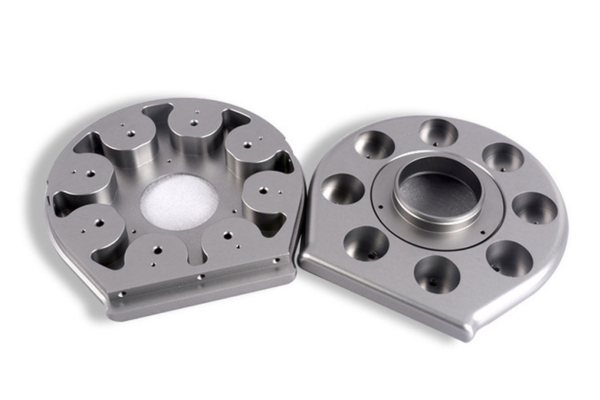
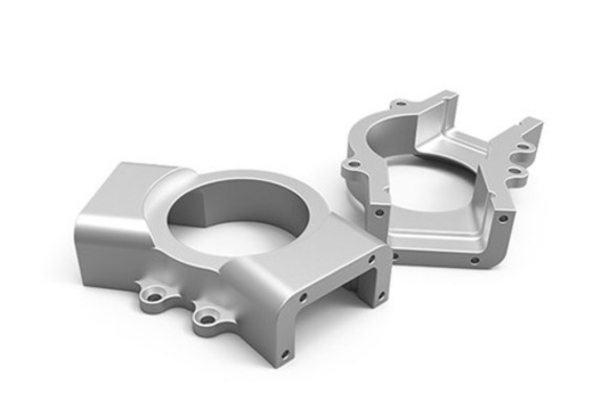
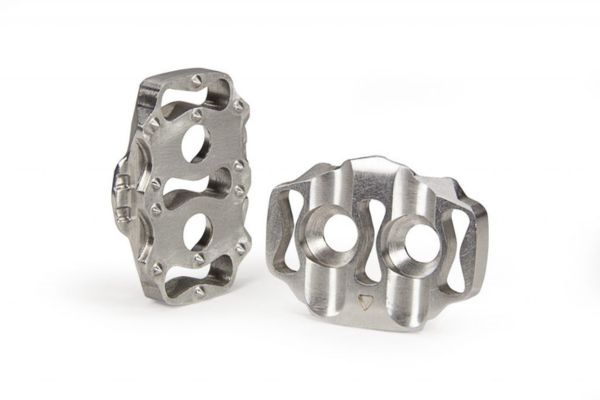

Advantages and Limitations POM (Delrin) CNC Machining
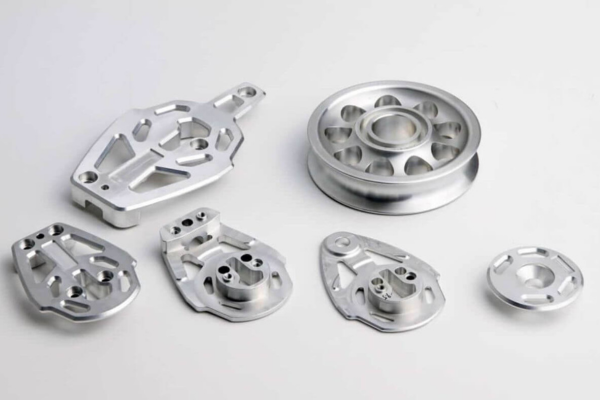
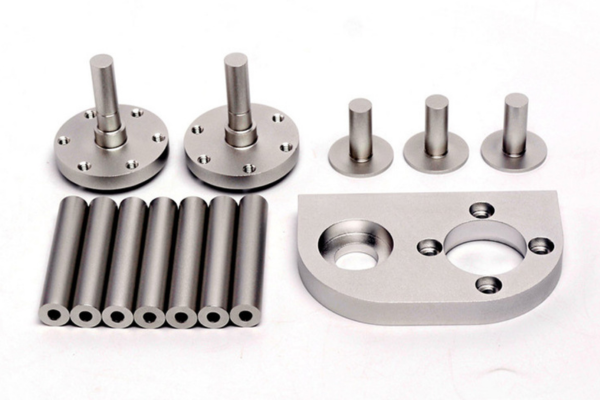
POM (Delrin) offers excellent dimensional stability, low friction, and wear resistance, making it suitable for precision CNC machined parts. However, it also has some limitations to consider during material selection.
- High Dimensional Stability:
POM maintains accurate dimensions and performs consistently under changing operating conditions, making it suitable for precision components. - Low Friction:
Its low friction coefficient makes POM ideal for gears, bearings, bushings, and other moving parts that require smooth operation. - Excellent Wear Resistance:
POM withstands repeated movement and friction, helping extend the service life of components used in demanding applications. - Good Chemical Resistance:
POM resists many solvents, oils, and fuels, making it suitable for automotive and industrial environments. - Excellent Machinability:
POM cuts cleanly and allows manufacturers to produce precise, complex components with smooth surface finishes.
- Susceptibility to Cracking:
POM can crack under excessive stress or impact, particularly when used in demanding mechanical applications. - Higher Material Cost:
POM can cost more than some other engineering plastics, which may affect material selection for budget-sensitive projects. - Tool Wear:
Some POM grades can contribute to tool wear during machining, requiring appropriate tooling and machining parameters.
Bring Your Designs to Life with Elite Mold Tech
Experience precision CNC machining with Elite Mold Tech. From intricate prototypes to large-scale production, we’re ready to bring your ideas to reality. Contact us today to discuss your project needs!
- Expertise Shared Widely
- Market Reach Expanded
- Advanced Technology Integrated
- Collaborative Innovation Opportunities
- Reliable On-Demand Solutions
- All uploads are secure and confidential
POM Delrin CNC Machining FAQs
Are POM and Acetal the same material?
POM is a type of acetal thermoplastic known for its strength, stiffness, low friction, and excellent machinability. Acetal is the broader material family, while POM is the chemical name commonly used for acetal plastics.
Is POM the same material as Delrin?
What are the recommended cutting speeds for brass?
The appropriate cutting speed depends on the brass grade, tool material, machining operation, and machine setup. Start with the cutting tool manufacturer’s recommendations and adjust for surface finish, chip control, and tool life.
Are Acetal and Delrin interchangeable terms?
They are related but not exactly interchangeable. Acetal refers to a broader category of engineering plastics, while Delrin is a specific branded acetal material. The exact properties can vary by grade and manufacturer.
Is POM susceptible to cracking?
POM can crack under excessive stress, impact, or unsuitable operating conditions. Proper part design, machining parameters, and material selection can help reduce the risk of cracking.