What allows manufacturers to cut hardened steel without heavy cutting pressure, create narrow slots and intricate profiles, and hold demanding dimensions on parts that conventional tools may struggle to reach? Why has Wire EDM become important in mold making, aerospace, medical manufacturing, electronics, and other precision-driven industries? And where does it fit beside CNC milling and other advanced machining methods?
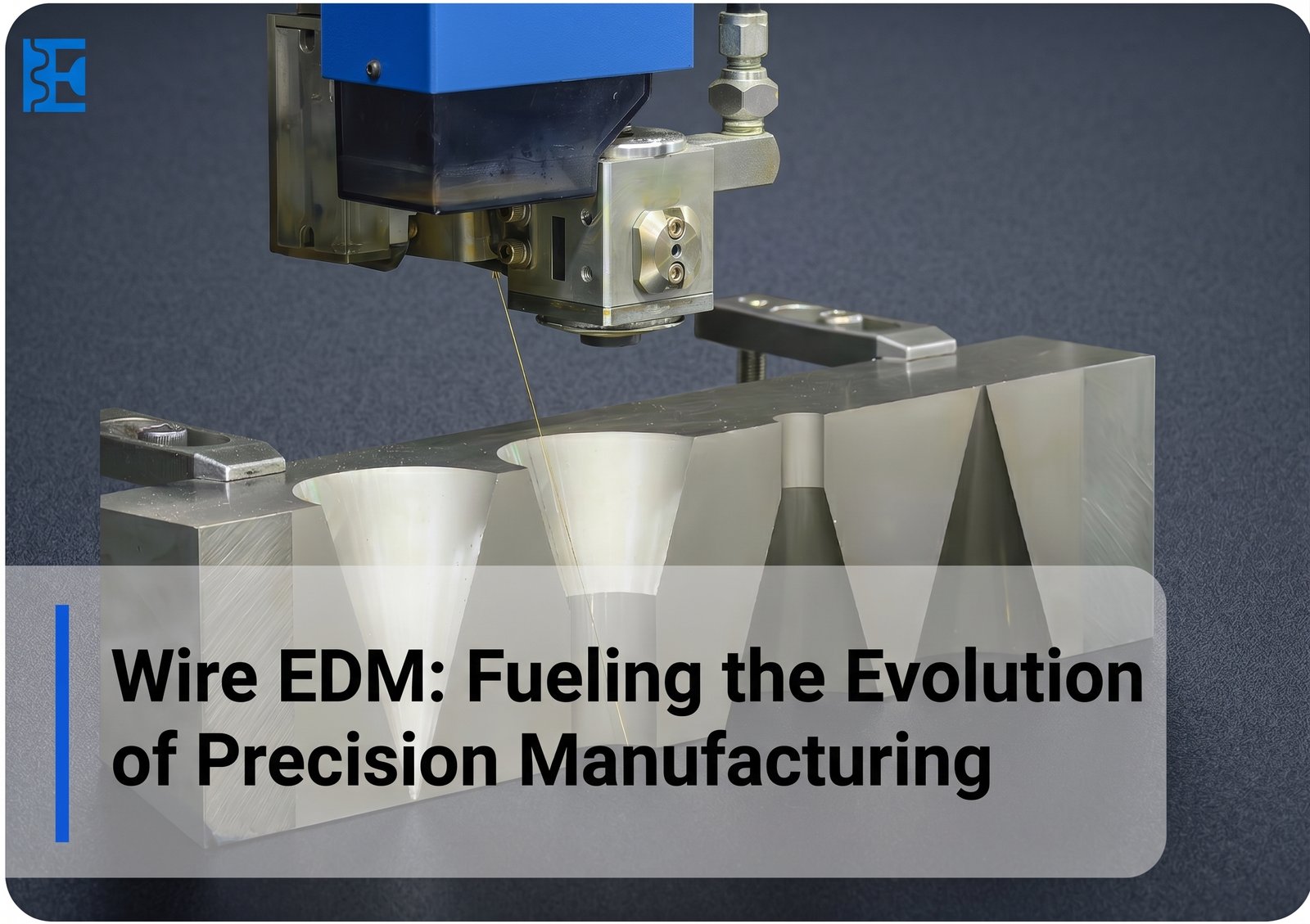
Wire EDM, or Wire Electrical Discharge Machining, solves these challenges by removing material with controlled electrical discharges instead of a conventional cutting edge. A continuously moving wire acts as the electrode and follows a programmed path through an electrically conductive workpiece. Because the process does not rely on direct cutting force, it is especially useful for hard materials, delicate sections, complex contours, and high-accuracy features.
What Is Wire EDM and Why Does It Matter?
Wire EDM is a non-contact machining process used on electrically conductive materials. Rapid electrical sparks form across a tiny controlled gap between the wire and workpiece, producing localized heat that removes microscopic amounts of material. A dielectric fluid controls the discharge, cools the cutting area, and flushes away eroded particles.
This principle gives Wire EDM a special role in precision manufacturing. Material hardness is less restrictive than it is with many traditional cutting operations, provided the workpiece conducts electricity. Makino describes EDM as a repeatable spark-erosion process for conductive materials of any hardness, while Mitsubishi Electric positions wire-cut EDM for work ranging from parts manufacturing to ultra-high-accuracy mold machining.
Manufacturers that need this capability can use Wire EDM machining services for precision profiles, dies, inserts, tooling components, and other conductive parts that demand controlled cutting. Elite Mold Tech specifically offers high-precision wire EDM cutting for complex shapes and demanding manufacturing applications.
How Does the Wire EDM Process Work?
The process starts with digital part geometry and a programmed cutting path. A thin conductive wire travels continuously between upper and lower guides while the machine maintains a precise gap between the wire and workpiece.
Electrical pulses jump across that gap and remove tiny areas of material. The dielectric fluid clears debris and stabilizes the cutting zone. A rough cut creates the main profile, while one or more skim passes can refine dimensional accuracy and surface quality.
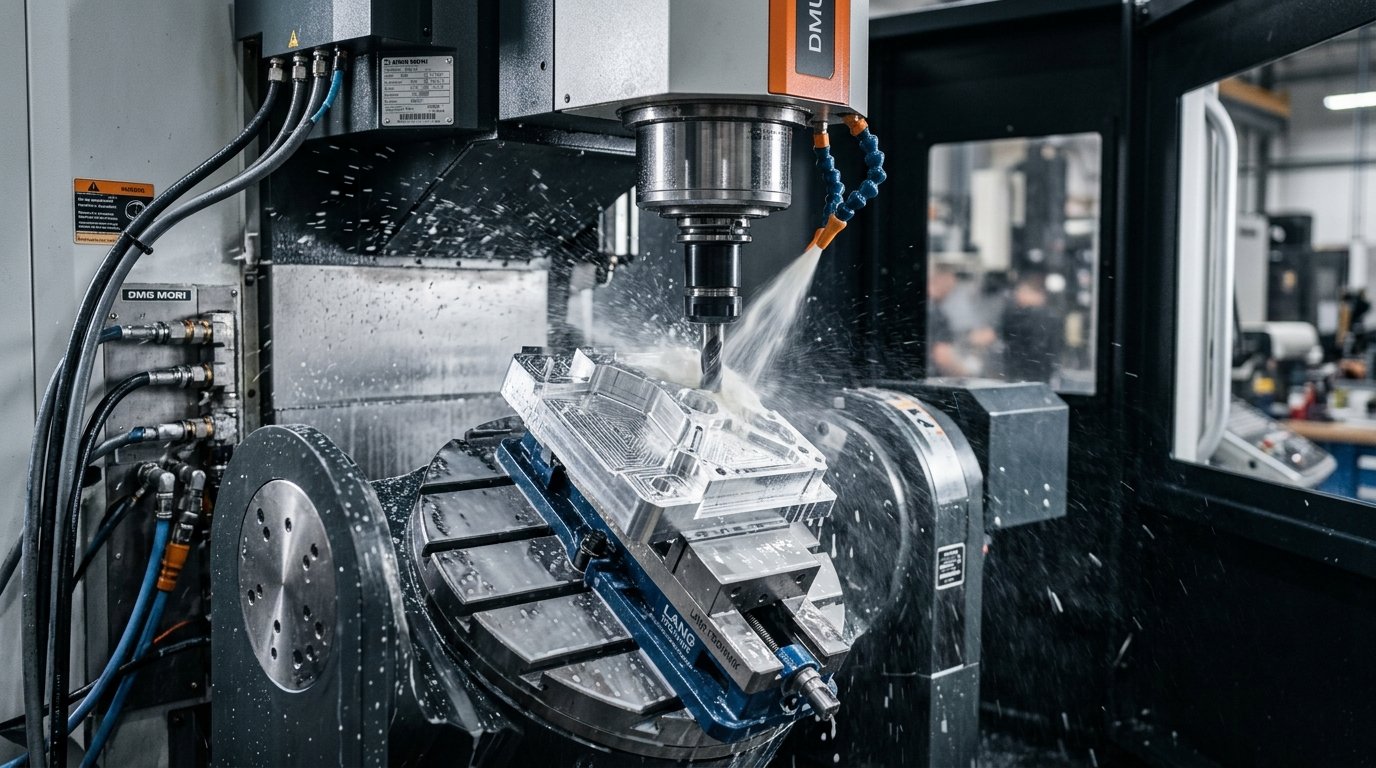
Unlike conventional milling, Wire EDM does not depend on a rotating cutter pushing against the part. This reduced cutting force helps when machining thin sections, small details, or hardened components that could deflect under mechanical pressure. Makino similarly notes that Wire EDM removes material without applying strong conventional cutting forces.
| Manufacturing Method | Material Removal Method | Best Suited For | Main Limitation |
| Wire EDM | Controlled electrical discharges | Intricate through-profiles, hardened conductive materials | Conductive materials only |
| CNC Milling | Rotating cutting tools | Pockets, surfaces, 3D forms, general precision parts | Tool access can limit some features |
| Sinker EDM | Shaped electrode and electrical discharges | Cavities, blind details, complex mold features | Requires a dedicated electrode |
Why Is Wire EDM Advancing Precision Manufacturing?
Modern products increasingly require smaller features, stronger materials, tighter fits, and more complex geometry. Wire EDM supports that shift because it handles jobs that can become expensive or impractical with conventional machining alone.
A manufacturer can heat-treat a tool steel component first and cut critical profiles afterward, helping reduce the risk of dimensional change after machining. Wire EDM can also create narrow slots, tapered profiles, complex contours, and internal details without requiring a physical cutter to fit every feature.
This capability matters in precision manufacturing because designers are no longer restricted only by the size, shape, or mechanical reach of conventional cutting tools. Wire EDM gives production teams another way to turn difficult CAD geometry into repeatable physical components.
Precision Without Heavy Cutting Forces
Traditional machining creates forces that pass through the cutter, fixture, and workpiece. Those forces can become a problem in slender or finely detailed components. Wire EDM removes material through sparks, so it does not impose the same mechanical cutting pressure.
That can help protect delicate geometry from deflection and allows manufacturers to machine hardened conductive materials without relying on a harder cutting tool. However, accuracy still depends on machine condition, thermal stability, wire diameter, flushing, material thickness, spark settings, and finishing passes. The best process is always the one matched to the drawing and application.
This distinction is important for engineers working on thin components, precision tooling, punches, dies, and other parts where even small dimensional changes may affect assembly, fit, or performance.
Material Selection Still Matters
Wire EDM can machine many conductive metals, but material properties still affect productivity and surface condition. Electrical conductivity, thermal behavior, thickness, and alloy composition influence spark erosion.
Engineers should review the material before production. Elite Mold Tech provides information on CNC machining materials, while its guide to machinability explains why different metals respond differently to manufacturing processes. Elite Mold Tech’s materials resources cover multiple metals and plastics used across its machining services.
For Wire EDM specifically, the most important starting requirement is electrical conductivity. Common options can include various steels, stainless steels, titanium alloys, copper, brass, aluminum, and conductive carbide materials, depending on the project.
Wire EDM and CNC Machining Work Better Together
Wire EDM should not be treated as a replacement for CNC machining. In many precision projects, the best process plan combines both.
A component may first be milled to establish faces, pockets, datums, and general geometry. Wire EDM can then produce a hardened profile, narrow slot, punch shape, die opening, or critical contour.
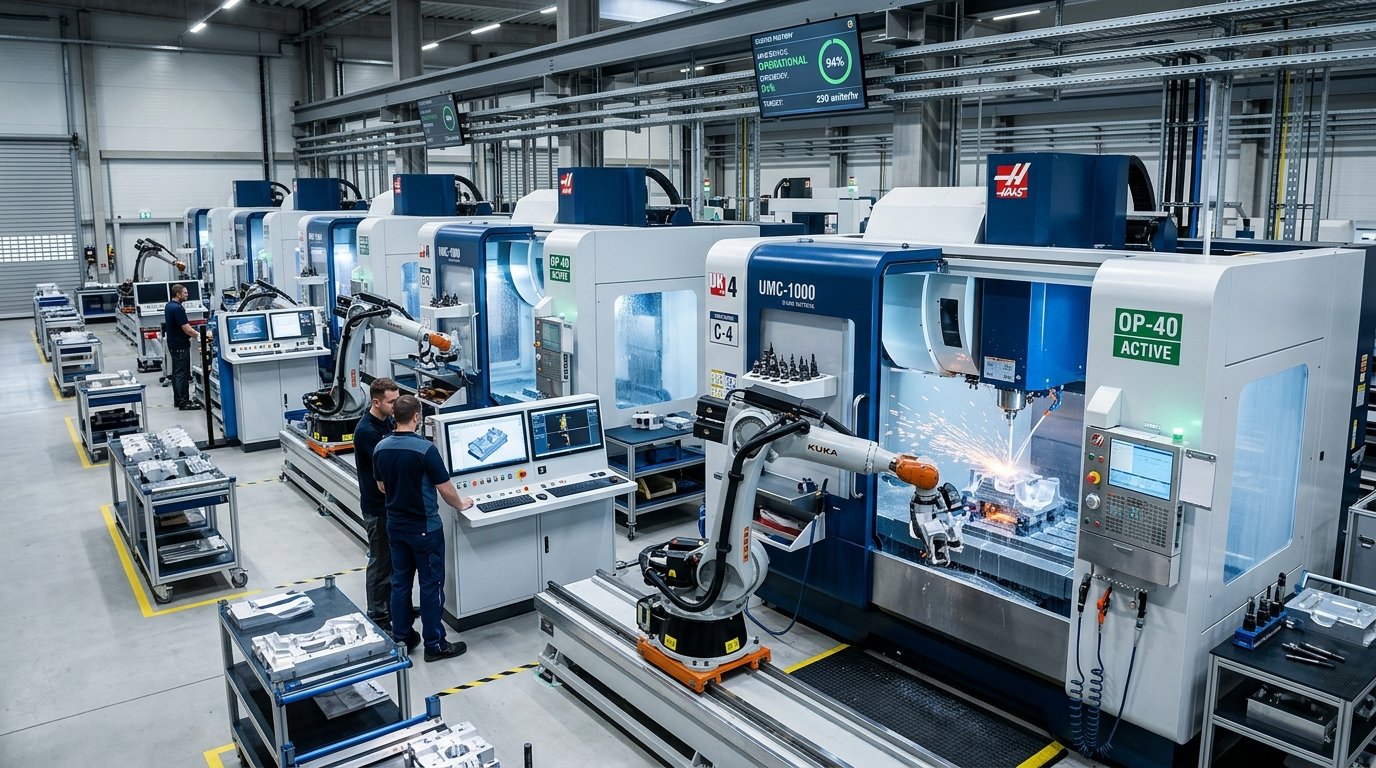
Elite Mold Tech’s CNC machining services cover conventional precision machining, while its article on the advantages of 5-axis CNC machining explains how multi-axis access can reduce setups on complex parts. Elite Mold Tech lists Wire EDM alongside milling, turning, multi-axis machining, and finishing within its broader CNC manufacturing capabilities.
Combining processes can also improve production economics. Milling can remove larger volumes of material efficiently, while Wire EDM can be reserved for the critical features where its accuracy, low cutting force, or access advantages deliver greater value.
Where Is Wire EDM Used?
Wire EDM is valuable where profile complexity, hardness, or repeatable dimensions matter more than maximum removal speed.
| Industry or Application | Typical Wire EDM Work | Why the Process Fits |
| Mold and die | Inserts, punches, die openings | Complex profiles and hardened tooling materials |
| Aerospace | Precision features in high-performance alloys | Difficult materials and demanding dimensions |
| Medical | Small conductive components and tooling | Fine features and controlled machining |
| Electronics | Contacts and miniature precision tooling | Narrow cuts and repeatable geometry |
| Automotive | Dies, gauges, production tooling | Repeatability and tooling accuracy |
| General engineering | Fixtures, prototypes, custom parts | Flexible cutting of conductive profiles |
Makino identifies aerospace, medical, die and mold, electronics, and general manufacturing among EDM application areas. Mitsubishi Electric also describes EDM as useful for molds and high-reliability parts used in industries such as aircraft and information technology.
What Are the Main Limitations of Wire EDM?
Wire EDM has clear boundaries. The material must be electrically conductive. A start hole may be needed for an enclosed internal profile unless the cut begins from an edge. Cutting can also be slower than conventional machining when large volumes of material must be removed. Makino notes that EDM can be slower than conventional milling even though it offers advantages in accuracy, repeatability, hard materials, and complex features.
Part geometry must also allow the wire to pass through the cutting path. Large pockets are usually better roughed by milling, nonconductive plastics cannot be cut by Wire EDM, and blind cavities generally point toward sinker EDM or another process.
These limitations do not weaken Wire EDM’s value. Instead, they show why manufacturing engineers often combine several processes rather than forcing every feature through one machining method.
How Wire EDM Supports Better Part Design
Wire EDM can expand what engineers consider manufacturable. Features that are difficult to reach with standard end mills may become practical when a traveling wire can pass through the geometry.
Designers should still review wire diameter, spark gap, taper, workpiece height, clamping, slug control, and inspection access early. Good design for manufacturability can reduce unnecessary passes, complicated setups, and avoidable production costs.
For parts that combine EDM features with drilled, reamed, tapped, or counterbored holes, the guide to types of holes in engineering design can help separate features suited to conventional CNC machining from those better handled by EDM.
This type of early process planning becomes particularly valuable for mold components, precision dies, aerospace tooling, and parts that combine standard machined surfaces with highly detailed profiles.
Choosing Wire EDM for a Precision Project
Wire EDM is a strong candidate when a conductive part includes a complex through-profile, hardened section, narrow feature, delicate geometry, or demanding dimensional requirement. It becomes especially useful when cutting forces, tool access, or cutter wear make conventional machining difficult.
For simpler parts with open tool access, CNC machining may be faster and more economical. For blind cavities, sinker EDM may be more suitable. For complex production tooling, combining CNC machining with Wire EDM often provides a practical balance of speed, accuracy, and cost.
The decision should therefore start with the engineering drawing. Material type, dimensional tolerances, surface requirements, geometry, production quantity, inspection needs, and budget should all influence process selection.
Elite Mold Tech states that it was founded in 2013 and supports manufacturing from prototyping through production. Its capabilities include CNC machining, Wire EDM, plastic part production, additive manufacturing, and other manufacturing processes, allowing customers to combine several technologies within a broader production workflow.
Conclusion
Wire EDM continues to shape precision manufacturing because it extends what can be machined accurately in conductive materials. Its controlled spark erosion process handles hardened metals, intricate through-profiles, delicate sections, and demanding features without heavy conventional cutting forces.
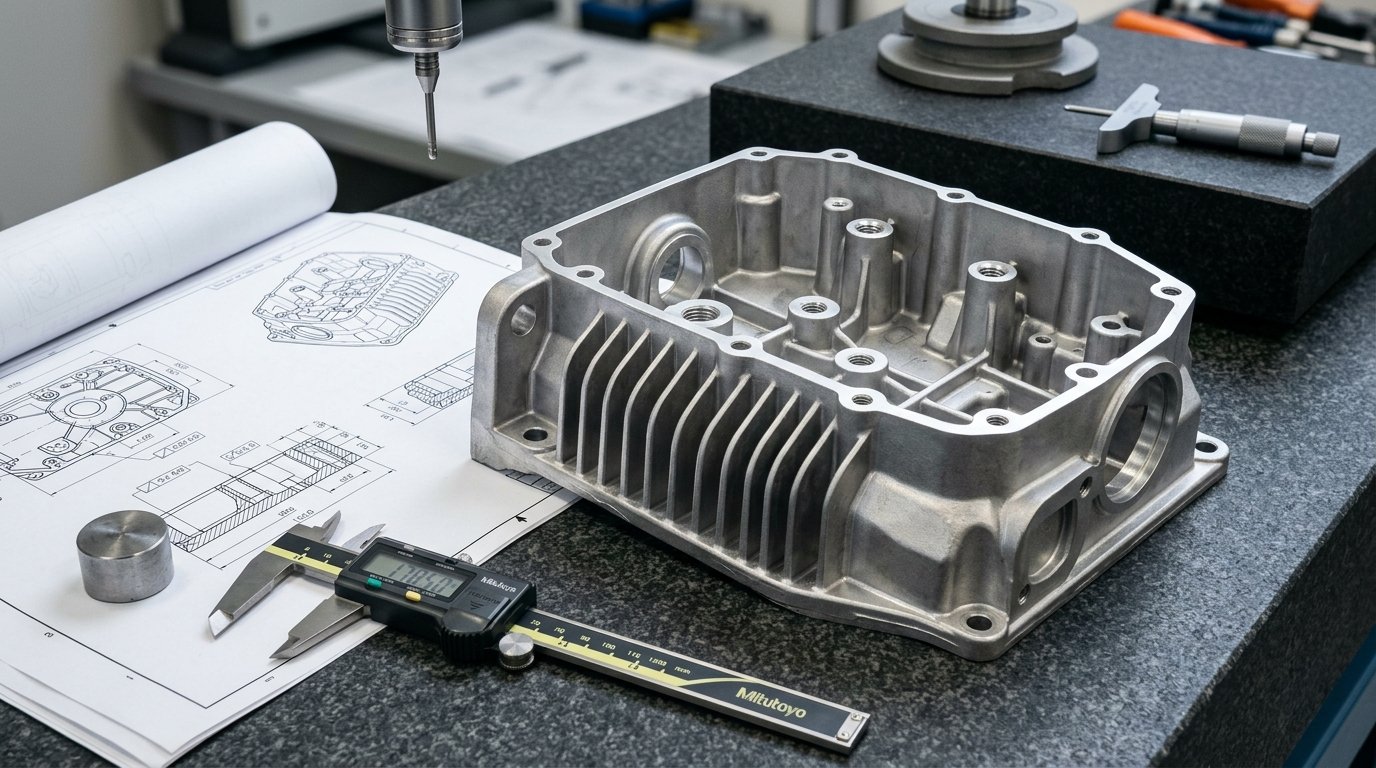
Its greatest value appears as part of a complete manufacturing strategy. CNC machining can remove bulk material, Wire EDM can finish difficult profiles, and inspection can verify the result. For manufacturers dealing with demanding geometry, harder materials, and increasingly precise components, Wire EDM remains an important technology for turning challenging designs into reliable manufactured parts.
Frequently Asked Questions About Wire EDM
Can Wire EDM cut hardened steel?
Yes. Wire EDM can machine hardened steel as long as it is electrically conductive. Sparks remove the material, so hardness does not create the same cutting-tool challenge found in conventional machining.
Does Wire EDM physically touch the workpiece?
No. A controlled spark gap remains between the wire and workpiece. Material is removed by electrical discharge, which keeps mechanical cutting force very low.
Is Wire EDM better than CNC milling?
Neither is universally better. CNC milling is usually more efficient for general material removal and pockets. Wire EDM is stronger for intricate through-cuts, hardened conductive materials, and features where cutting force or tool access becomes difficult.
What materials can Wire EDM cut?
It can cut electrically conductive materials such as many steels, stainless steels, titanium alloys, aluminum, copper, brass, and conductive carbides. Suitability depends on grade, thickness, geometry, and finish requirements.
Is Wire EDM suitable for prototypes and production?
Yes. The programmed process can support one-off tooling components, prototypes, low-volume work, and repeat production. Suitability depends on cycle time, part size, finishing passes, inspection requirements, and total quantity
About the Author:
Alex Morgan specializes in technical content for precision manufacturing, with a focus on CNC machining, injection molding, die casting, 3D printing, sheet metal fabrication, and custom mold manufacturing. With more than a decade of experience in B2B manufacturing content and SEO, he creates technically accurate content designed for engineers, product developers, procurement teams, and manufacturing decision-makers. His work helps global manufacturers clearly communicate complex production capabilities, material options, tolerances, tooling processes, and quality standards to customers across the US, Europe, and Asia-Pacific. He writes for manufacturing companies where technical expertise, precision, and reliability matter.