Metal injection molding is often described as combining the geometric freedom of plastic molding with the properties of metal. That is broadly accurate and not very useful for deciding whether to use it, because the real question is commercial rather than technical.
MIM requires tooling. Machining does not. Everything else follows from that single difference, and the decision comes down to whether your part and volume justify the tooling investment.
This guide sets out what MIM does well, where it fails, and how to work out where the break-even sits for your specific part rather than applying a general rule.
How the Two Processes Differ
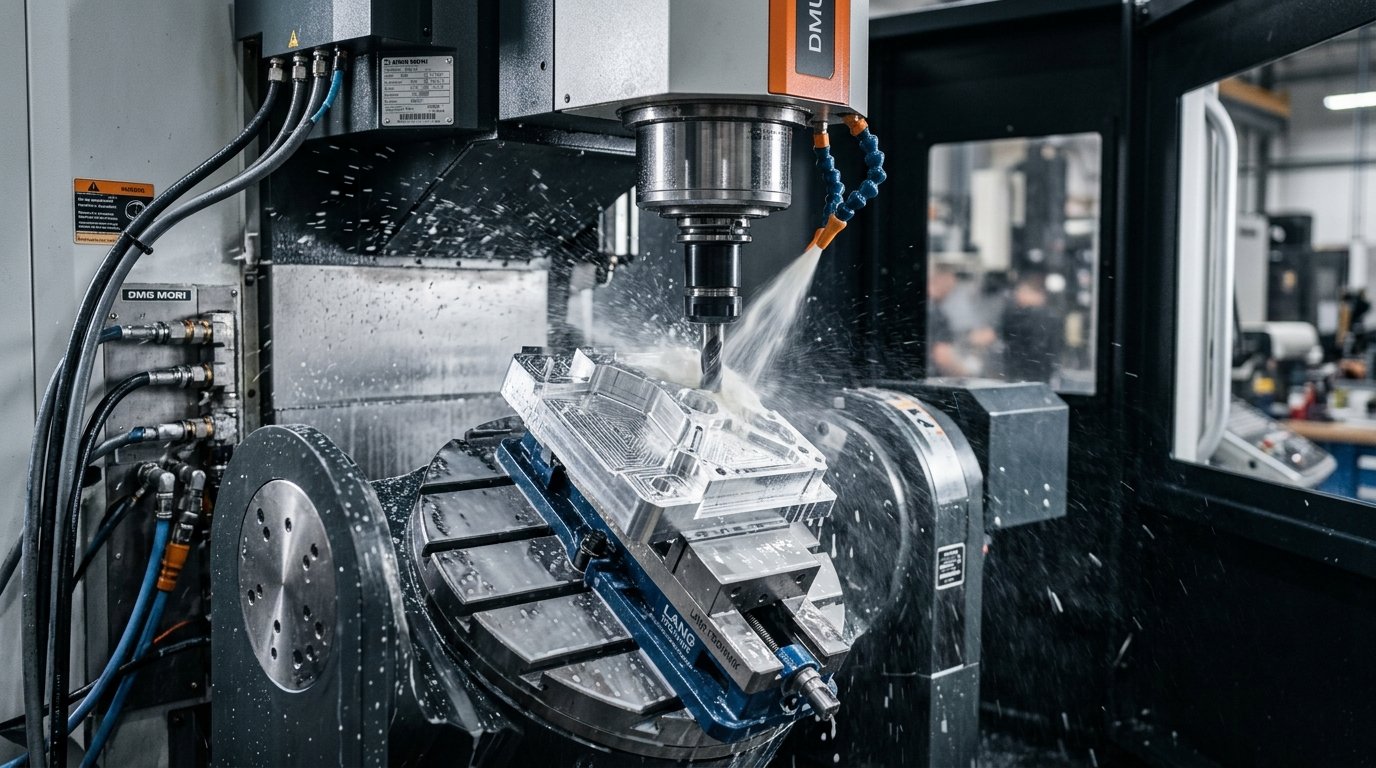
CNC machining removes material from solid stock. Cost is dominated by machine time and setup, both driven by geometry. It requires no tooling, so the first part costs roughly what the thousandth costs, less setup amortisation. Complexity costs money directly, because every feature adds machine time.
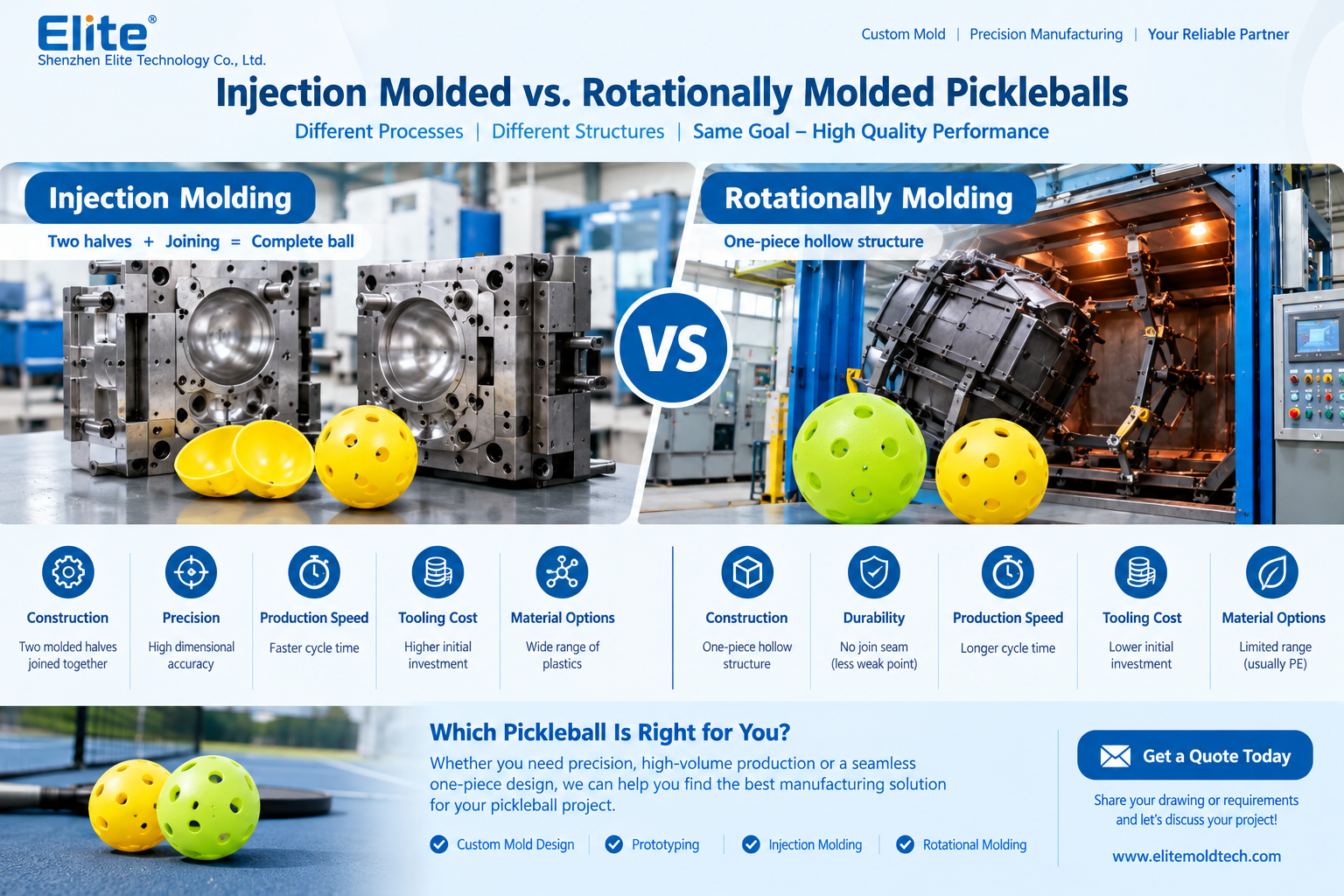
Metal injection molding mixes fine metal powder with a polymer binder, injects the mixture into a mold much like plastic, then removes the binder and sinters the part at high temperature to consolidate it to near full density. The part shrinks substantially during sintering, typically around 15 to 20 percent, which the tooling must be designed to compensate for.
The consequence is that MIM cost is dominated by tooling and material, with complexity costing very little once the tool exists. A complex MIM part costs almost the same per piece as a simple one of the same size, which is the opposite of machining.
Where MIM Is Genuinely Better
Complex Geometry at Volume
This is the core case. Because the feedstock flows like plastic, MIM reproduces undercuts, thin walls, internal features, fine detail and complex external shapes that would require many machining operations or be impossible to machine at all.
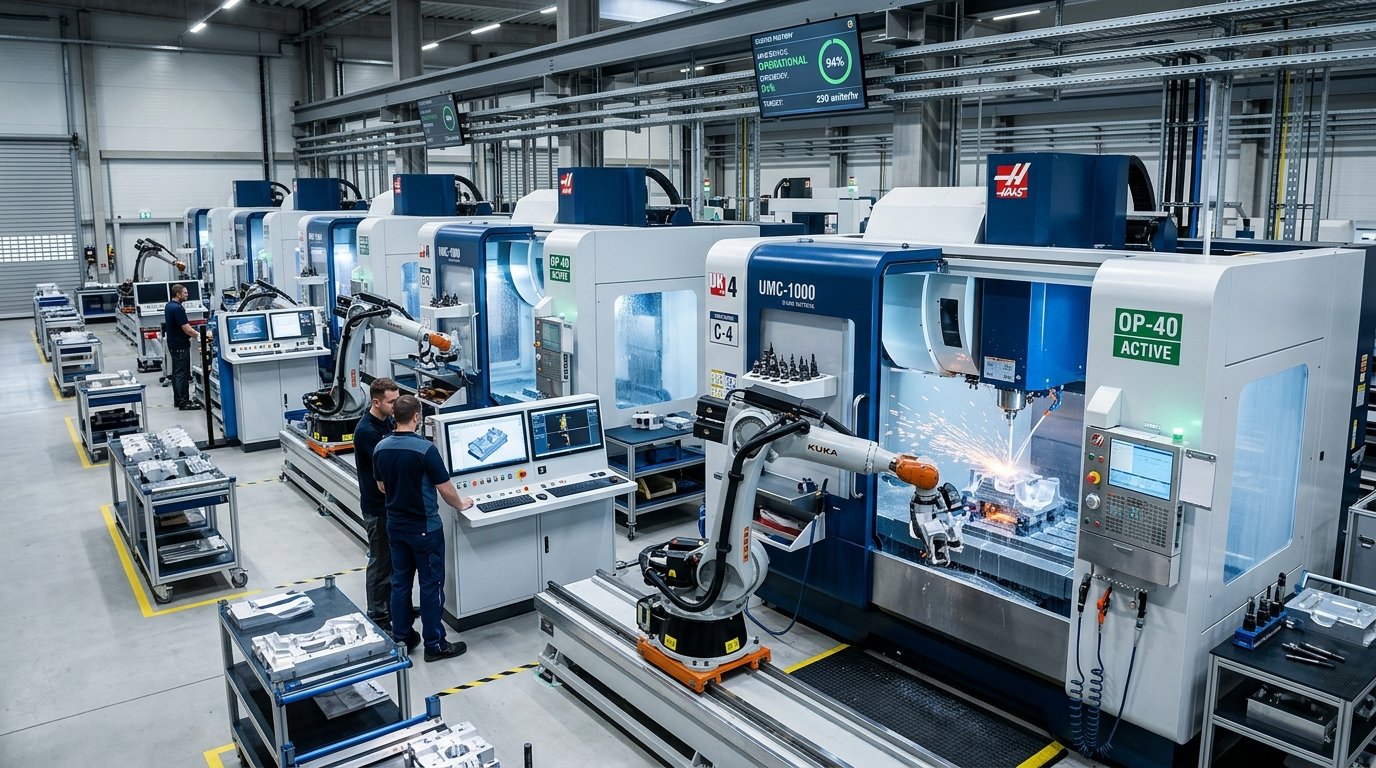
Where machining a part requires five setups and an hour of machine time, MIM produces it in a cycle measured in seconds once tooling exists.
Material Efficiency
Machining a complex part from solid can convert most of the starting stock into chips. For expensive materials such as titanium or specialist stainless, that waste is a substantial cost.
MIM uses close to the material in the finished part. For high-value alloys this alone can shift the economics.
Small Parts
MIM excels at small components, and its practical size range suits parts that are fiddly and slow to machine and fixture. Small complex parts are exactly where machining is least efficient and MIM most efficient.
Materials Casting Cannot Reach
MIM handles stainless steels, tool steels, nickel alloys, titanium and specialist grades that conventional die casting cannot process. Where you need a small complex ferrous part at volume, MIM is often the only tooled option.
Where MIM Fails
Part Size
The firm constraint. Debinding and sintering both limit practical part size, and MIM is generally confined to small components, commonly under about 100 grams. Larger parts become slow, expensive and prone to distortion during sintering.
If your part is large, MIM is out regardless of everything else.
Low Volume
Tooling must amortise. Below a certain quantity it simply never pays back, and machining wins decisively.
Tight Tolerances
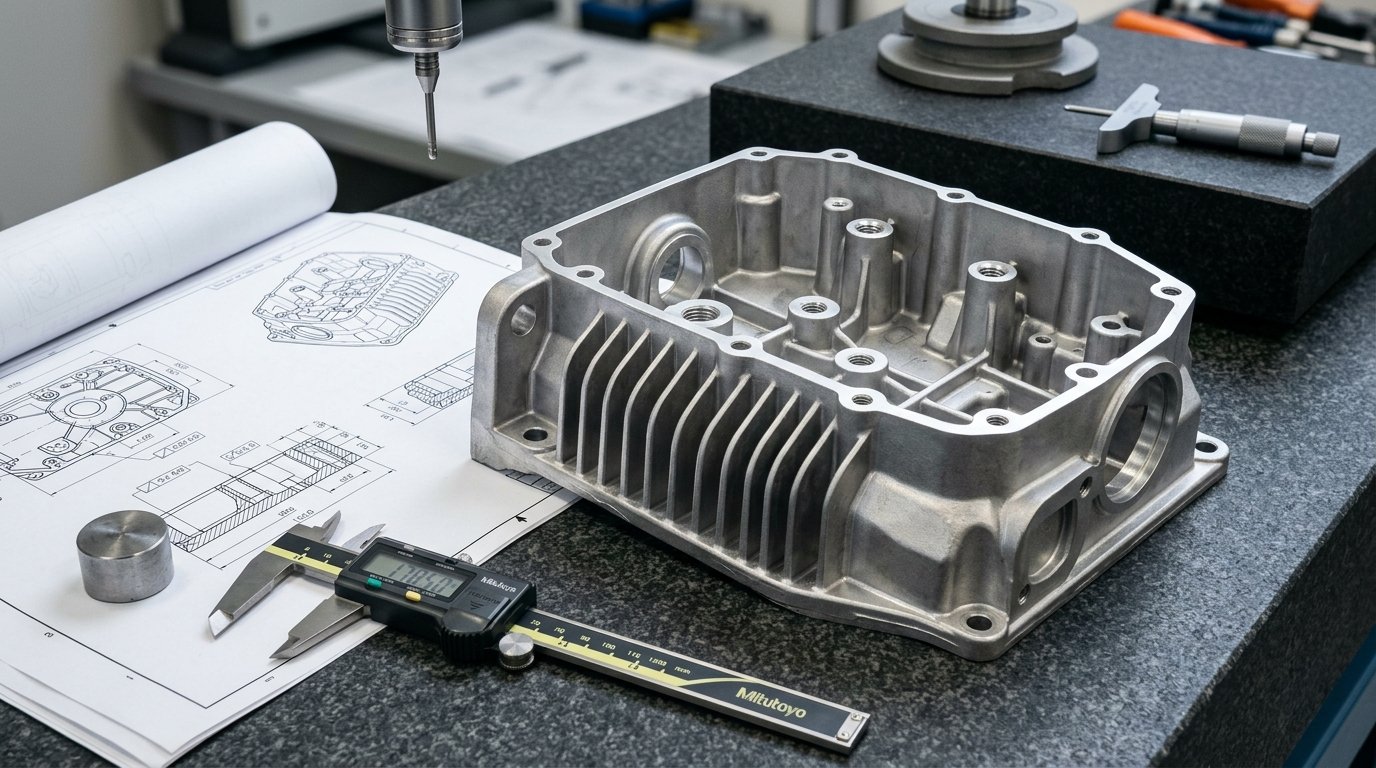
Sintering shrinkage is predicted and compensated in tool design, but it is not perfectly uniform across all geometries. Achievable tolerances are looser than machining, and features with critical tolerance often require machining after sintering anyway.
That hybrid approach is common and sensible, but it changes the cost calculation because you are now paying for both processes.
Simple Geometry
MIM’s advantage comes from complexity. A simple turned or milled part carries no geometric benefit from MIM, so the tooling investment buys nothing. Simple parts should be machined, or turned, regardless of volume in most cases.
Very Thick Sections
Debinding removes binder from the inside of the part outward, so thick sections debind slowly and can retain defects. MIM favours moderate, reasonably uniform wall thickness, much as plastic molding does.
Finding the Break-Even
The calculation is straightforward. What is difficult is being honest about the inputs.
For each process, total cost equals fixed cost plus unit cost times quantity.
- Machining: fixed cost is near zero, unit cost is relatively high and driven by geometry
- MIM: fixed cost is tooling, unit cost is relatively low and largely independent of complexity
The break-even quantity is where the two totals meet.
Three things move that point substantially.
Part complexity. The more complex the part, the higher the machining unit cost, and the sooner MIM crosses over. A part requiring five machining setups crosses over at far lower volume than one requiring a single operation.
Material value. Expensive materials machined from solid waste a lot of value in chips. Titanium and specialist stainless cross over sooner than carbon steel.
Whether MIM parts need secondary machining. If critical features require machining after sintering, MIM’s unit cost rises and the crossover moves later. Include this honestly rather than comparing a fully finished machined part against an as-sintered MIM part.
Realistic lifetime volume, not hoped-for volume. This is where most errors occur. Tooling justified on optimistic forecasts is a recurring and expensive mistake.
A Screening Sequence
1. Is the part under roughly 100 grams? If not, MIM is out.
2. Is the geometry genuinely complex? Undercuts, internal features, thin walls, fine detail. If the part is simple, machine or turn it.
3. Is the material available as MIM feedstock? Common stainless, tool steel and nickel alloy grades are. Unusual specifications may not be.
4. What are the critical tolerances, and on which features? If several features need tight control, price the hybrid route rather than pure MIM.
5. What is the realistic lifetime volume? Below a few thousand, machining almost always wins. Well above that, complexity decides.
6. What is the timeline? MIM requires tooling build before first parts. If parts are needed quickly for validation, machine those regardless of the eventual production route.
The Hybrid Route
Worth treating as a distinct option rather than a compromise.
Form the bulk geometry by MIM, capturing the complexity and material efficiency benefits, then machine only the features requiring tight tolerance. This is standard practice in many MIM programmes and often the correct answer for parts that are geometrically complex but have a few precision interfaces.
The same pattern applies at the programme level rather than the part level. Machine parts for prototype and validation quantities, then transition to MIM once the design is frozen and volume justifies tooling.
That transition needs planning. A design optimised for machining is not automatically suited to MIM. Uniform wall thickness, draft, and avoidance of very thick sections all matter for MIM and matter less for machining. If MIM is the intended production route, involve it in the design review early rather than at transition.
Comparison Summary
| Factor | MIM | CNC machining |
| Tooling required | Yes | No |
| Economic volume | Higher | Any, favours low |
| Part size | Small only | Small to large |
| Geometry complexity | Very high, at little cost | High, at direct cost |
| Tolerance capability | Good | Best |
| Material waste | Minimal | Can be substantial |
| Lead time to first part | Weeks | Days |
| Cost of design change | High once tooled | Low |
Practical Points When Evaluating
Ask for a break-even analysis rather than a price. A supplier who runs both processes can model where the crossover sits for your part. One who runs only MIM has an obvious incentive in the answer.
Request material property data specific to the sintered condition. MIM parts reach high but not always full density, and properties can differ from wrought equivalents in specific respects. Generic alloy data is not sufficient where properties are critical.
Clarify what secondary operations are included. As-sintered surface finish, any required machining, heat treatment and surface treatment should all be priced explicitly.
Confirm tooling ownership and transfer terms before payment, as with any tooled process.
Where This Leaves the Decision
For small, complex, high-volume parts in materials that waste expensively when machined, MIM is frequently the right answer and the saving can be substantial.
For large parts, simple parts, low volumes, or parts where tight tolerance dominates the geometry, machining remains correct.
For the substantial middle ground, the answer is a calculation rather than a rule, and it benefits from someone who runs both processes and has no stake in the outcome.
Elite Mold Tech operates metal injection molding alongside CNC machining, die casting and finishing from a single facility, which means process recommendations follow the part rather than the available capability. Sending a part file with your volume produces a comparative assessment across both routes rather than a quote for one.
Frequently Asked Questions
Q: At what volume does MIM become cheaper than machining?
A: It depends heavily on part complexity and material value. Complex parts requiring many machining setups, or made from expensive alloys, cross over at far lower volumes than simple parts in common materials.
Q: How large can a MIM part be?
A: Practically limited, with MIM generally suited to components under roughly 100 grams. Debinding and sintering constrain size, and larger parts become slow, costly and prone to distortion.
Q: Are MIM parts as strong as machined parts?
A: MIM parts sinter to high but not always full density, and properties are typically close to wrought equivalents while sometimes differing in specific respects. Request data for the sintered condition rather than generic alloy figures.
Q: Do MIM parts need machining afterwards?
A: Often on critical features, since sintering shrinkage limits achievable tolerance. Forming the bulk geometry by MIM and machining only precision interfaces is a common and economical approach.
Q: Can MIM produce parts in stainless steel?
A: Yes, and this is one of its main advantages over die casting, which is limited to non-ferrous alloys. Stainless steels, tool steels and nickel alloys are all standard MIM materials.