
Bronze CNC Machining
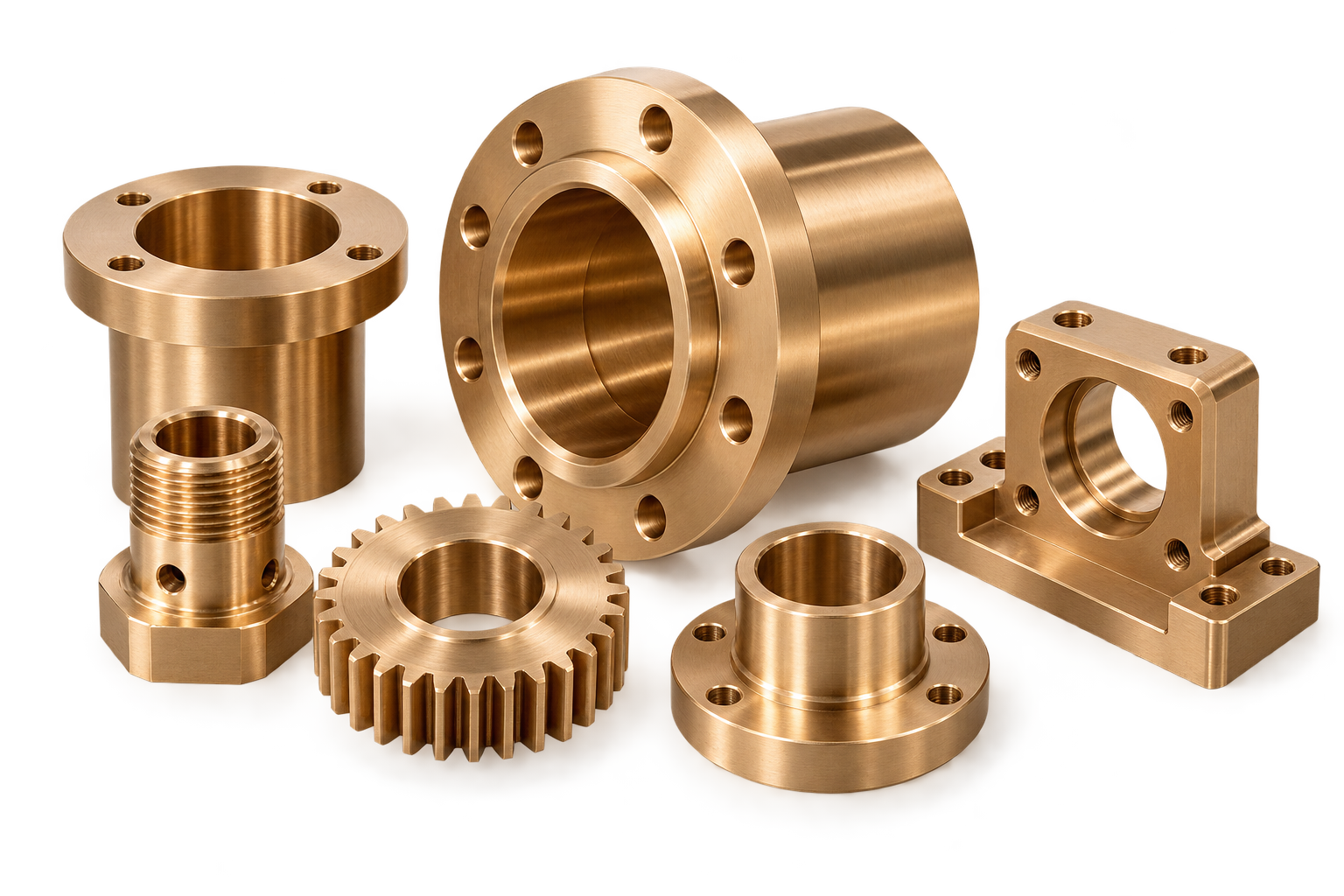
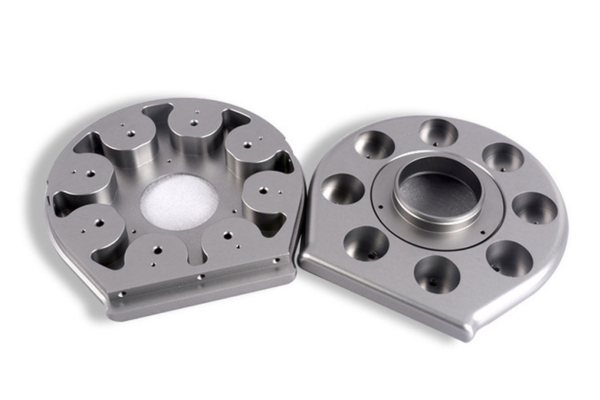
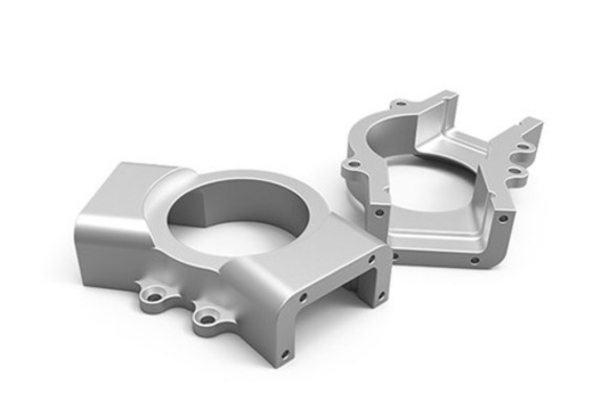
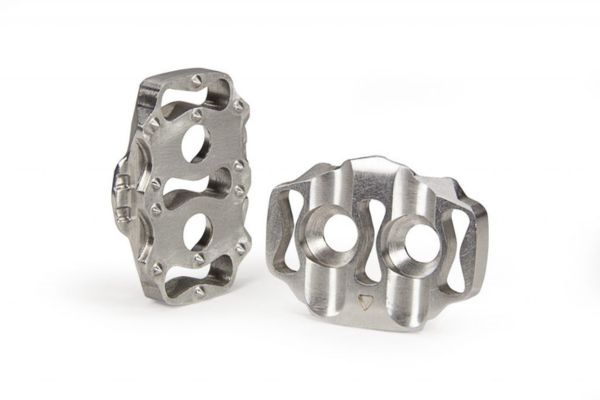
Get precision-machined bronze parts with excellent strength, wear resistance, and corrosion resistance. Our CNC machining capabilities deliver accurate custom components with smooth finishes for demanding industrial applications.
Bronze in CNC Machining
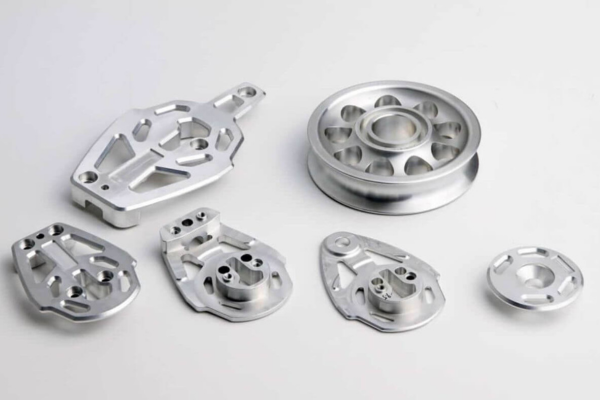
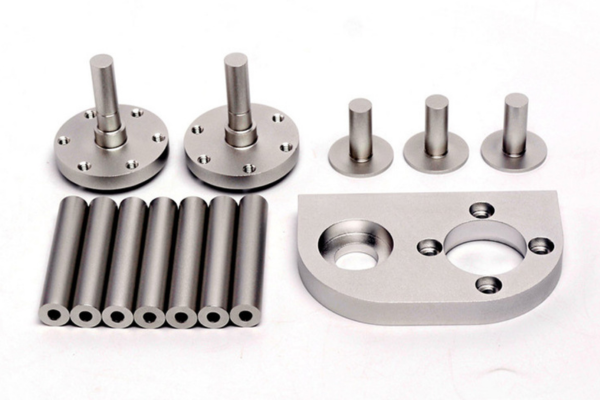
Bronze is a copper-based alloy known for its excellent strength, wear resistance, corrosion resistance, and machinability. It performs reliably in demanding environments and offers good dimensional stability for precision components. Its low-friction properties also make it suitable for moving parts that require smooth and consistent operation.NC machining allows bronze to be manufactured into precise components with complex geometries and smooth surface finishes.
| Available Bronze | Tin Bronze |
| Prix | $ |
| Délai de livraison | Moins de 10 jours |
| Épaisseur de la paroi | 0,5 mm |
| Tolérances | ±0.005″ (±0.125 mm) |
| Taille maximale des pièces | 200 x 80 x 100 cm |
Bronze CNC Machining Materials
Tin Bronze Properties
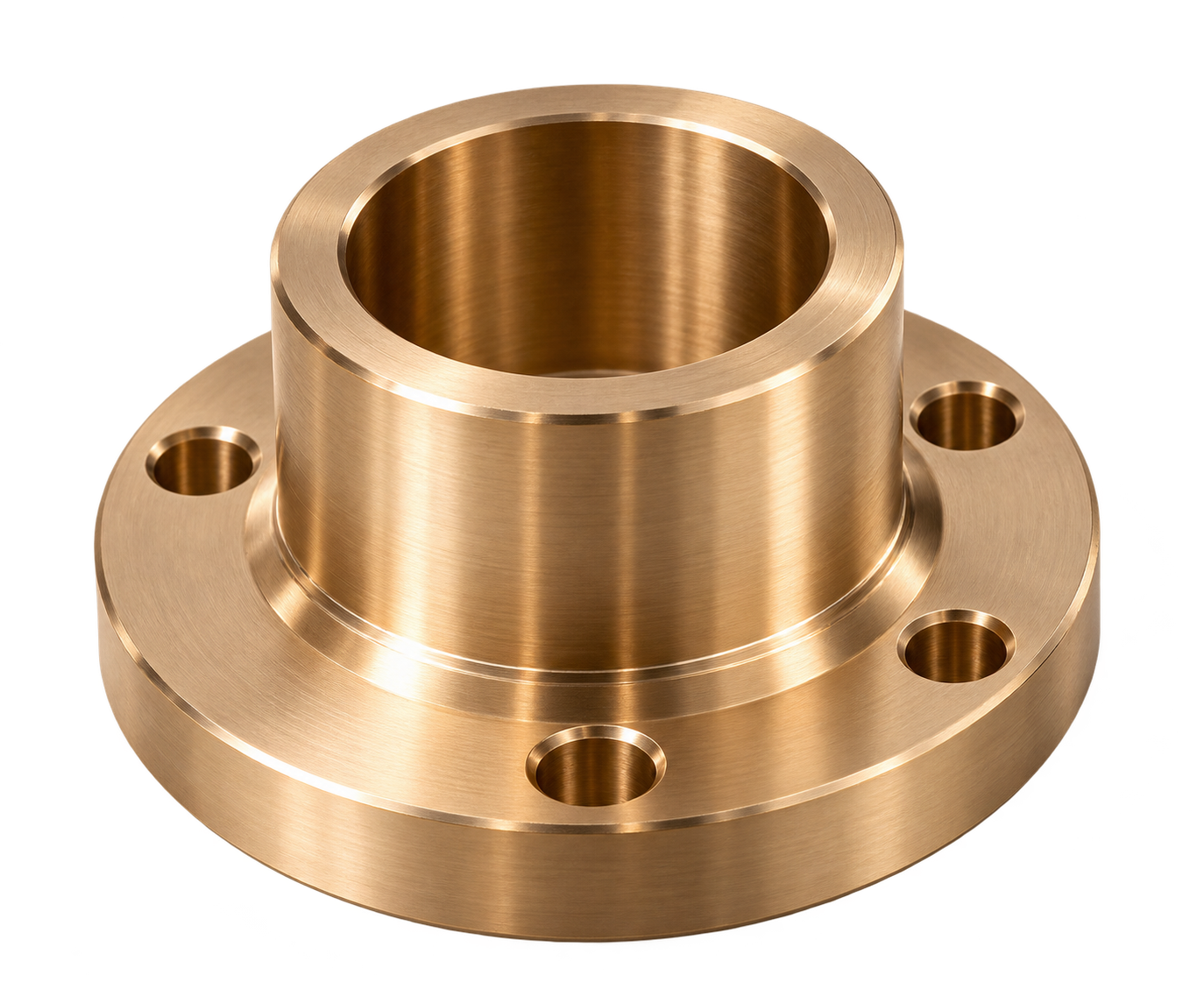
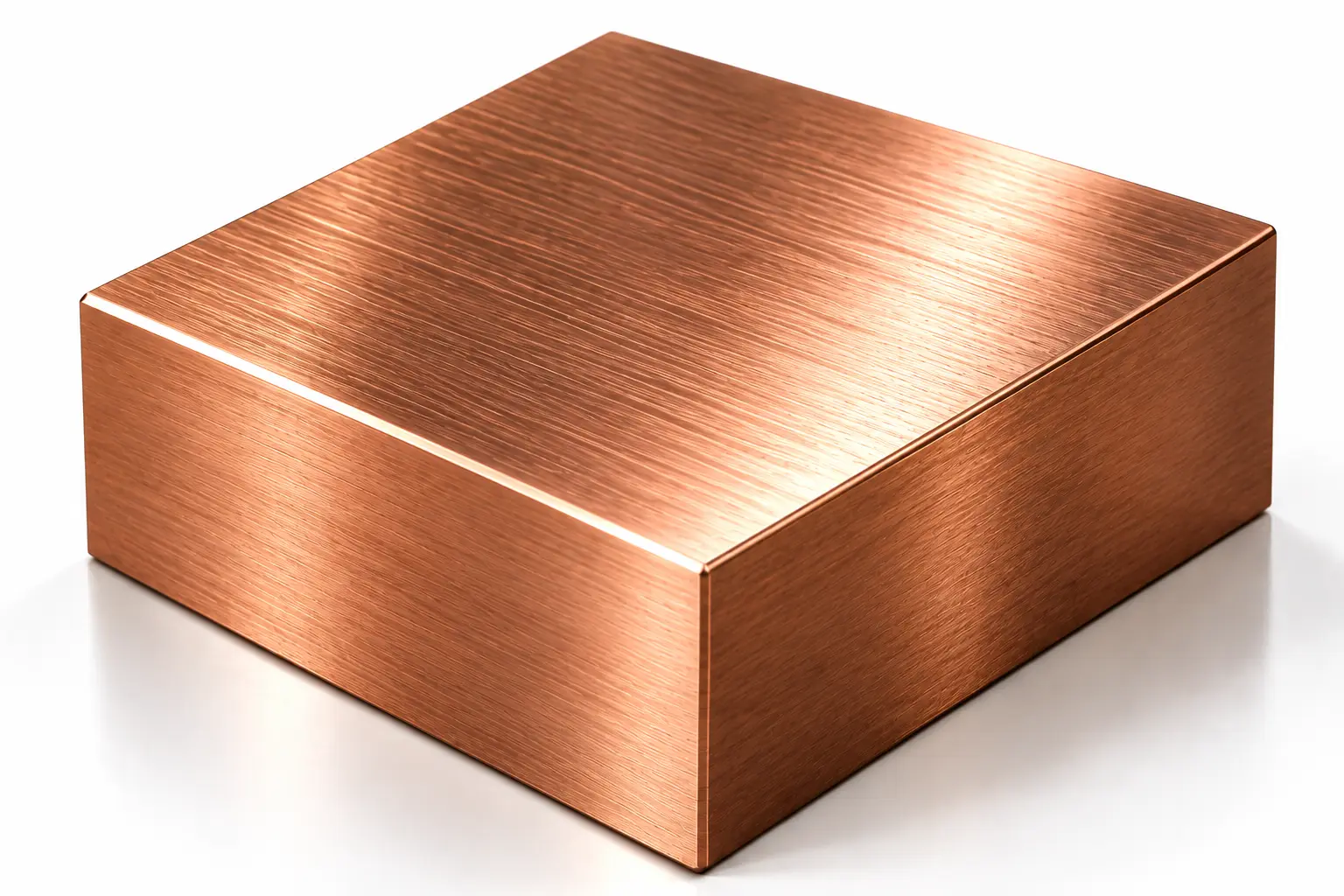
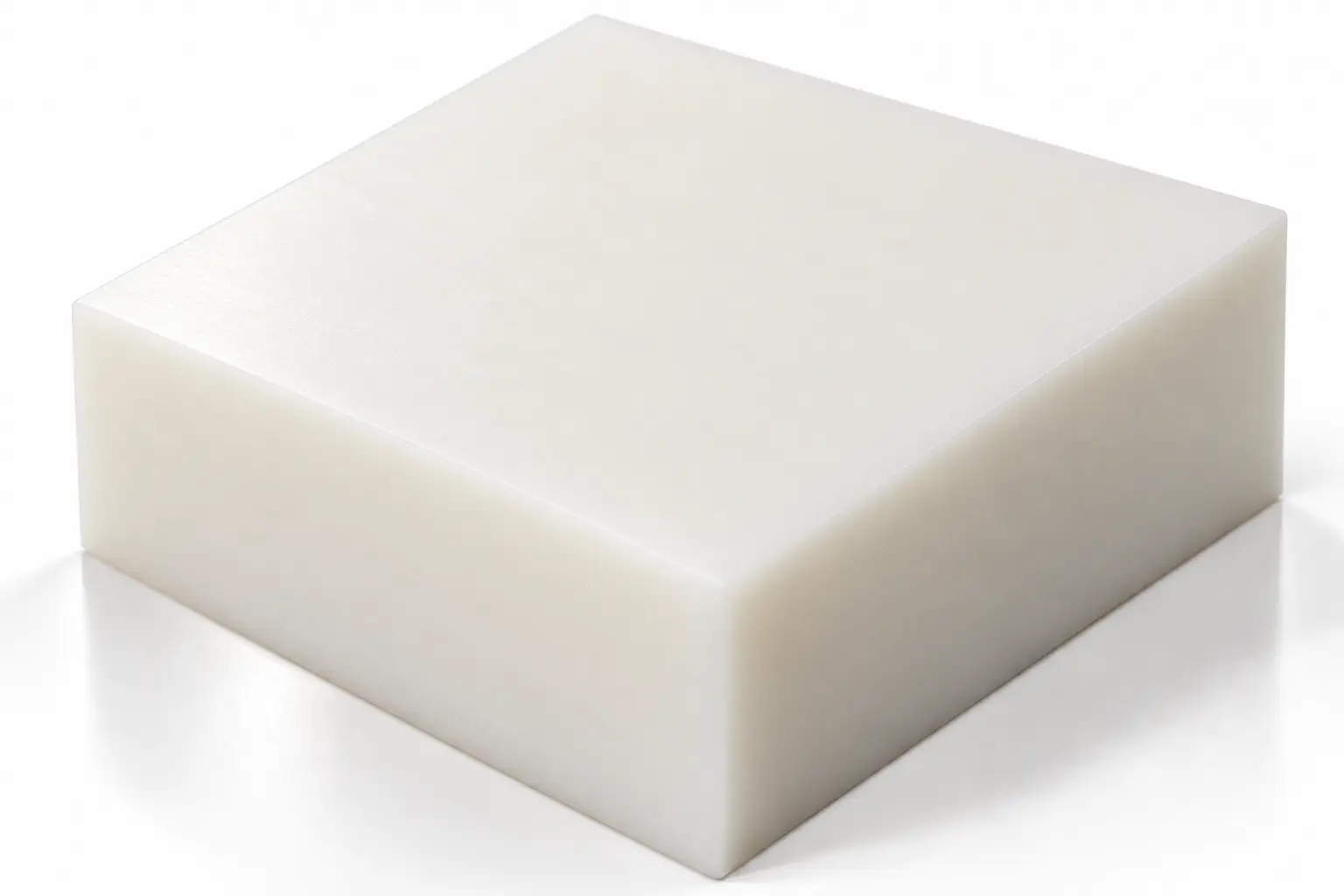
Tin bronze is a copper-tin alloy valued for its strength, corrosion resistance, wear resistance, and reliable performance. Its combination of durability and low friction makes it suitable for precision components used in demanding industrial applications.
Tolérances générales d'usinage CNC
| Description | Tolérance générale ou norme |
|---|---|
| Tolérances dimensionnelles générales | ±0.005″ (±0.127 mm) for metals; ±0.010″ (±0.254 mm) for plastics in line with ISO 2768-mK unless otherwise specified |
| Tolérances serrées | Down to ±0.001″ (±0.025 mm) available upon request, with detailed 2D drawings and GD&T specifications |
| Taille minimale de l'objet | ~0.020″ (0.50 mm), depends on part geometry, tool diameter, and material |
| Tolérance sur le diamètre du trou | ±0.002″ (±0.05 mm) typical; tighter tolerances with boring or reaming |
| Planéité/parallélisme | ≤0.002″ per 6″ (≤0.05 mm per 150 mm), varies by material and fixture setup |
| Tolérances de filetage | Filets métriques et impériaux standard selon ISO/ASME ; filets personnalisés ou fins disponibles sur demande |
| Tolérance angulaire | ±0,5° typique |
| État des bords | Les arêtes vives sont cassées et ébarbées par défaut, sauf indication contraire. |
| Finition de la surface (standard) | Ra 3,2 μm (125 μin) tel qu'usiné ; des finitions améliorées sont disponibles par polissage, microbillage, anodisation, etc. |
| Taille maximale des pièces | Milling: Up to 80″ × 48″ × 24″ (2,032 × 1,219 × 610 mm) Turning: Up to 62″ length × 32″ diameter (1,575 × 813 mm) |

Advantages and Limitations of Bronze CNC Machining
Bronze offers a strong combination of strength, corrosion resistance, wear resistance, and machinability. However, it also has some limitations that should be considered when selecting it for CNC machining.
- High Strength and Durability: Bronze provides good strength and long-term durability for demanding components.
- Résistance à la corrosion : It resists corrosion well, making it suitable for marine and humid environments.
- Excellent Machinability: Bronze can be machined accurately with suitable tools and cutting parameters.
- Good Thermal Conductivity: Its thermal conductivity makes it useful for components that require effective heat transfer.
- Low Friction: Bronze performs well in moving applications such as bearings and bushings where reduced friction is important.
- Higher Cost: Bronze can cost more than some other commonly machined metals.
- Tool Wear: Some bronze grades can increase tool wear and may require suitable cutting tools.
- Heat Generation: Machining bronze can generate heat, so proper cutting speeds, feeds, and cooling may be needed.
Donnez vie à vos créations avec Elite Mold Tech
Faites l'expérience de l'usinage CNC de précision avec Elite Mold Tech. Des prototypes complexes à la production à grande échelle, nous sommes prêts à concrétiser vos idées. Contactez-nous dès aujourd'hui pour discuter des besoins de votre projet !
- Une expertise largement partagée
- Extension de la portée du marché
- Technologie avancée intégrée
- Possibilités d'innovation en collaboration
- Des solutions fiables à la demande
- Tous les téléchargements sont sécurisés et confidentiels
Bronze CNC Machining FAQs
How easy is bronze to CNC machine?
Bronze generally offers good machinability, although performance varies depending on the specific alloy. With sharp cutting tools, suitable feeds and speeds, and proper process control, bronze can be machined into accurate and complex components while maintaining a high-quality surface finish.
Is bronze easier to machine than brass?
Machinability depends heavily on the specific bronze and brass grades being compared. Many brass alloys, particularly free-machining grades, offer excellent machinability, while certain bronze alloys require more controlled cutting conditions. Bronze is often selected when wear resistance, strength, and corrosion resistance are more important than maximum machining speed.
Which bronze grades are commonly used for CNC machining?
Several bronze alloys are suitable for precision CNC machining, with the ideal grade depending on the component’s performance requirements. Common options include:
- Tin Bronze (C90300, C90500): Provides good strength, wear resistance, and corrosion resistance.
- Aluminum Bronze (C95400): Offers high strength and excellent resistance to wear and harsh environments.
- Silicon Bronze (C65500): Combines good machinability with strength and strong corrosion resistance.
The best bronze alloy should be selected according to the required strength, wear resistance, corrosion performance, and operating environment of the finished component.