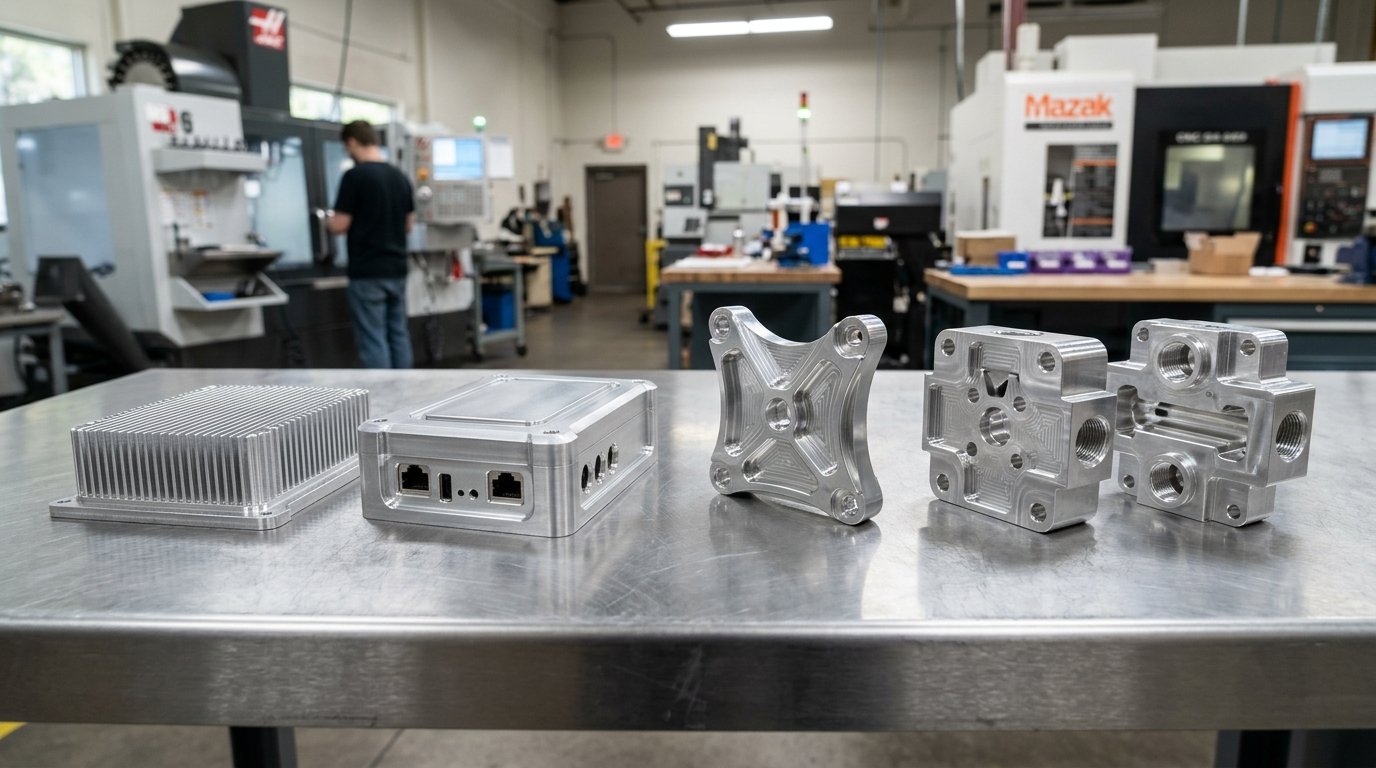
Protect your parts, sharpen their look, and improve how they perform. Choose from over 30 surface finishing options for machined, molded, and cast parts, all applied in house.


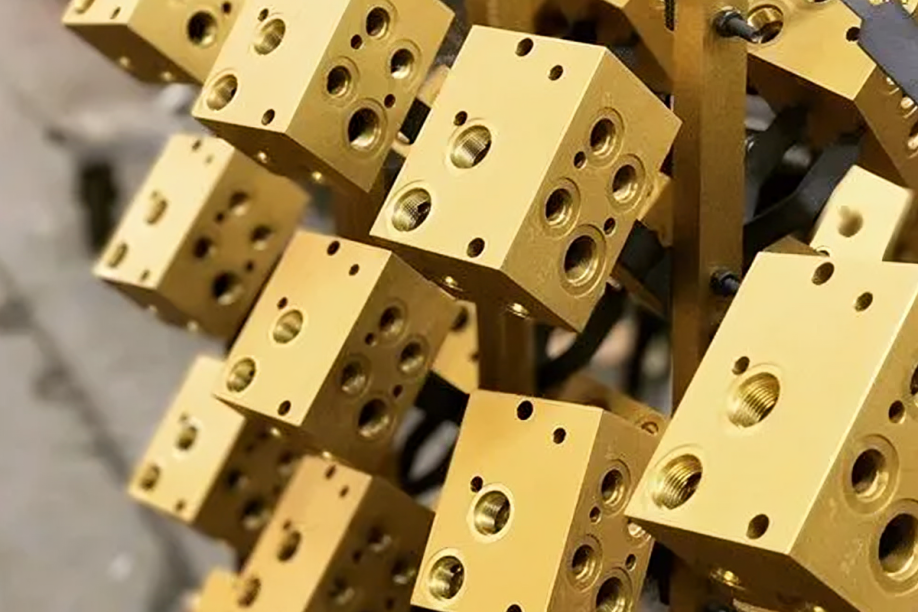

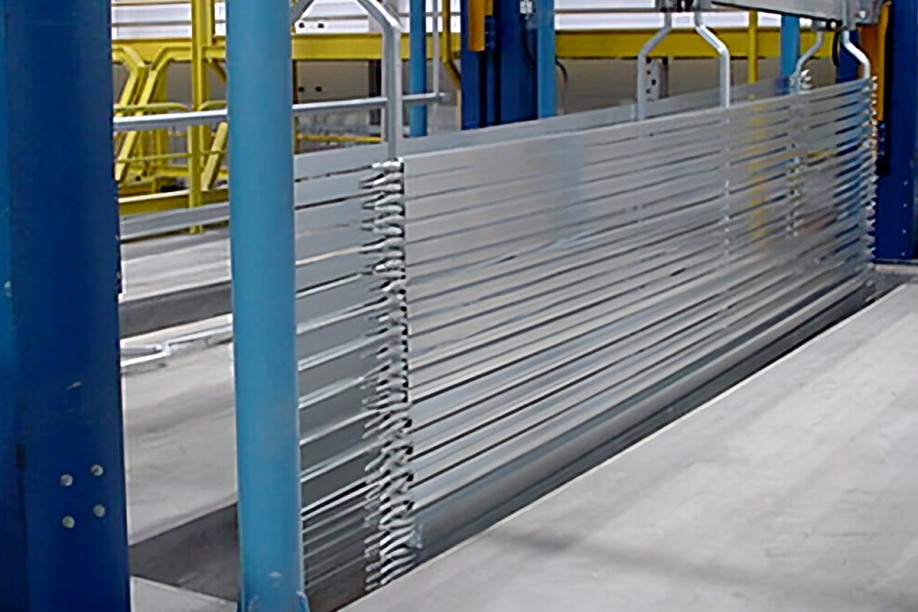
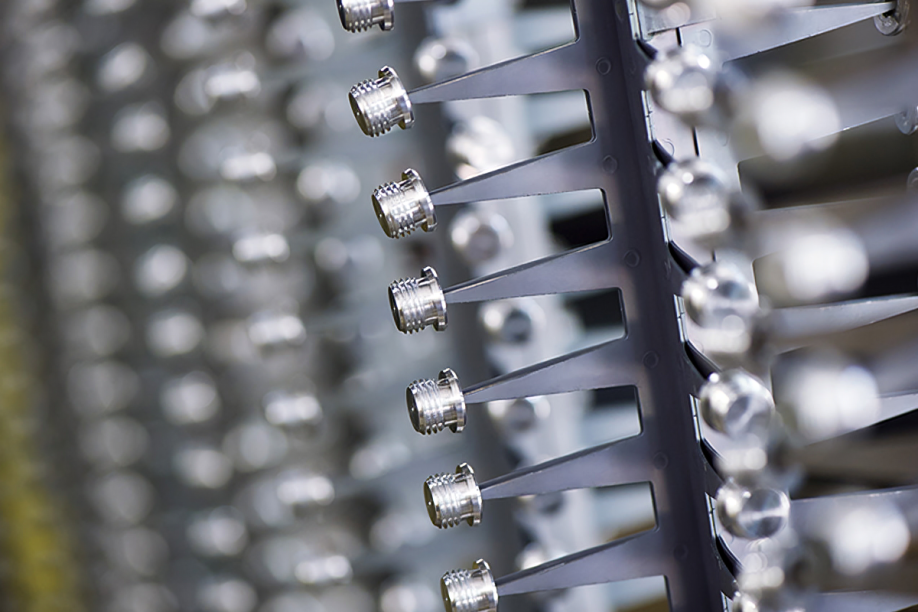

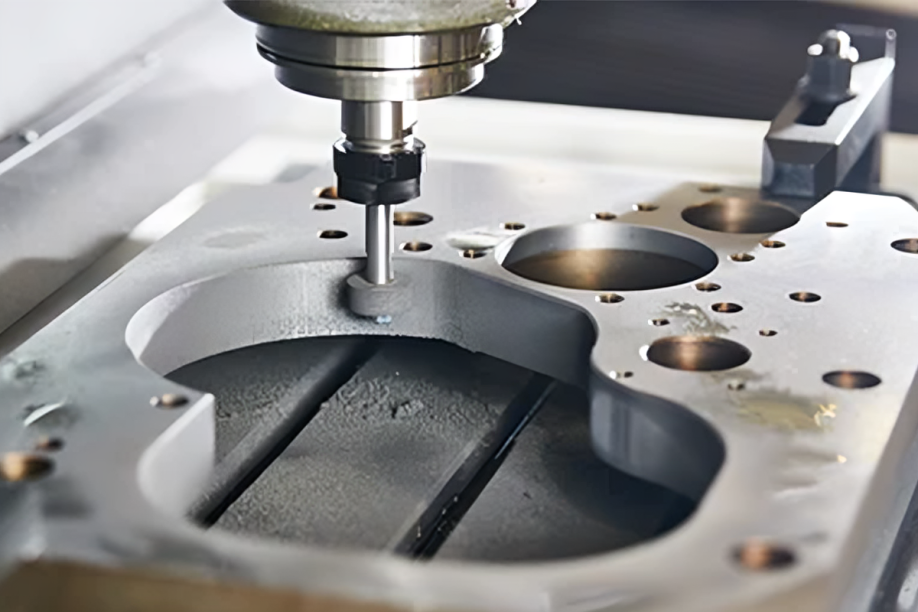

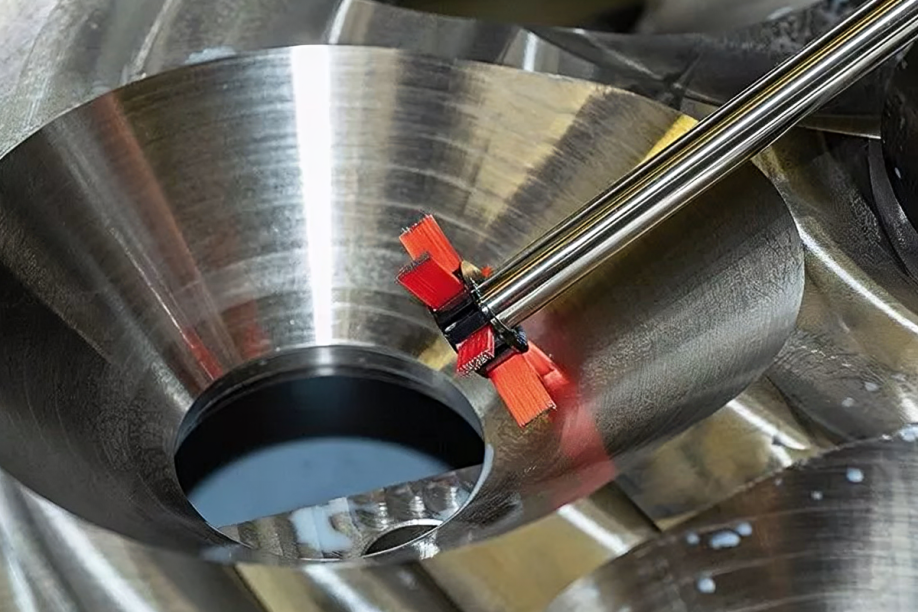
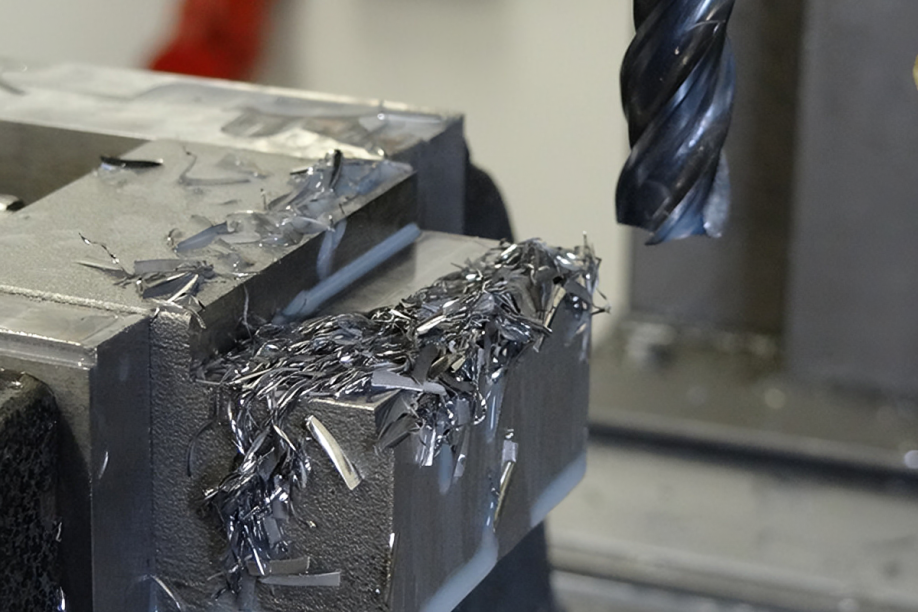
A finish does real work. It stops corrosion, resists wear, controls friction, adds color, and tells customers they are holding a quality product. The wrong finish can also cause problems, like a coating that is too thick for a tight fit.
Our team matches each finish to your material, your tolerances, and how the part will be used. Finishing happens in the same factory that makes your parts, so there are no extra vendors or shipping in between.
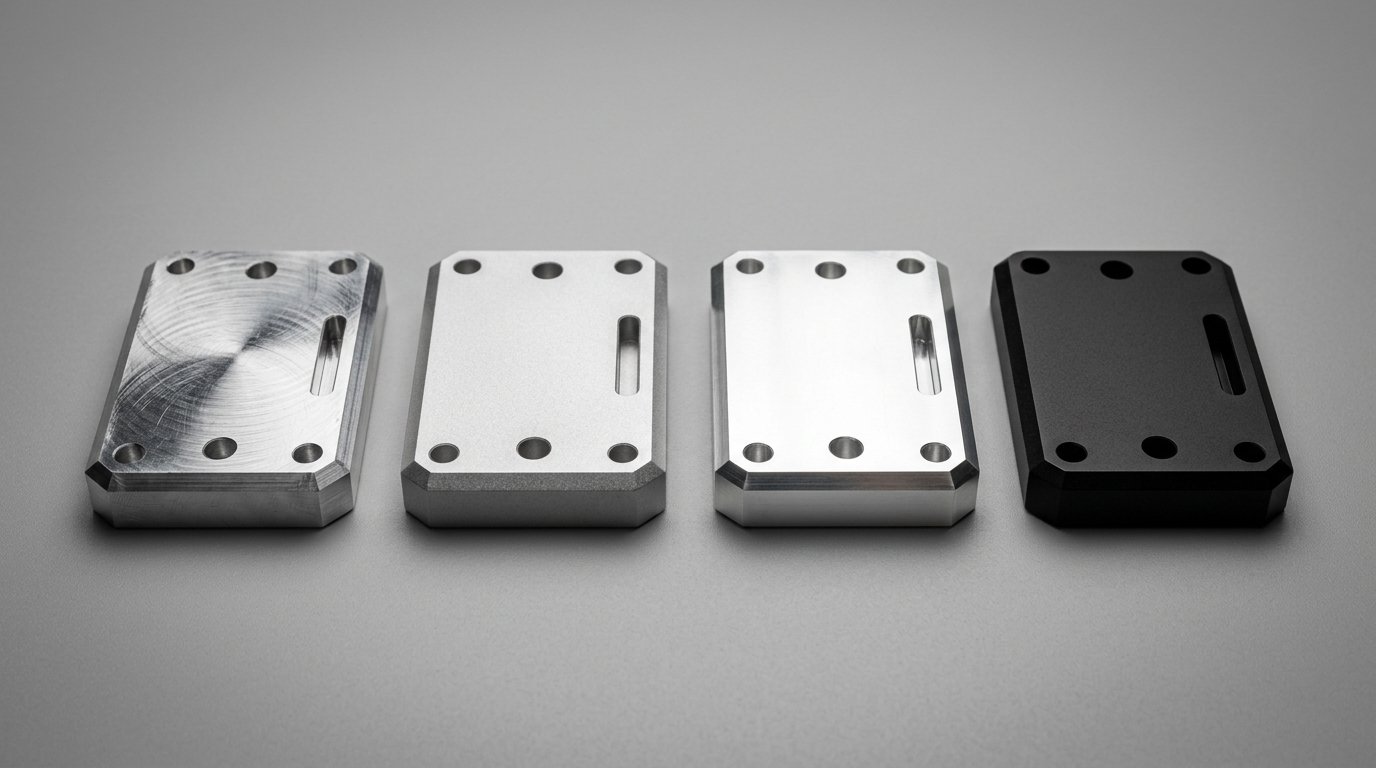
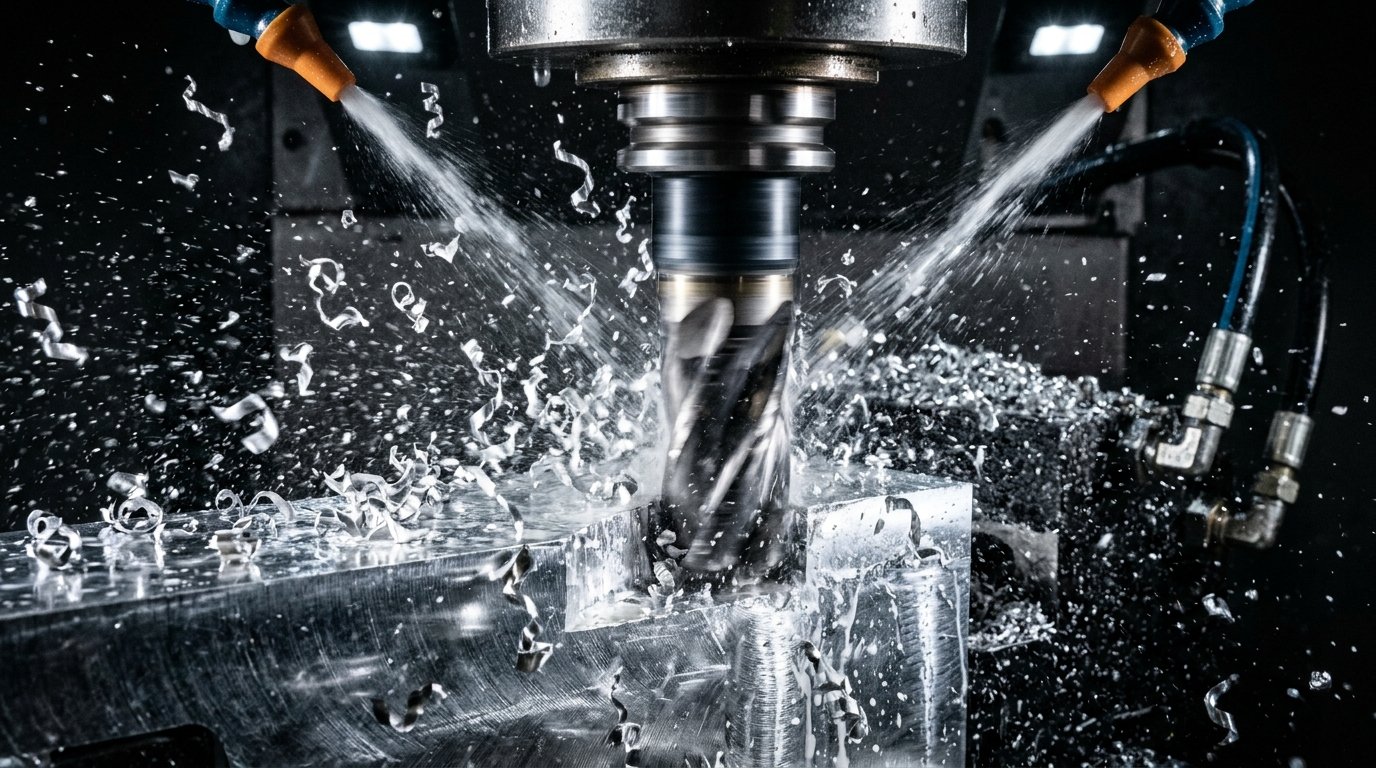
These finishes come straight from the cutting process, with no coating added.
Tel qu'usiné: visible tool marks; the fastest and lowest-cost option.
Usinage en douceur: lighter final passes for a cleaner surface.
Usinage de précision: the smoothest machined surface for sealing and sliding faces.
These finishes change the surface texture by abrasion.
Grenaillage de billes: an even matte look that hides tool marks.
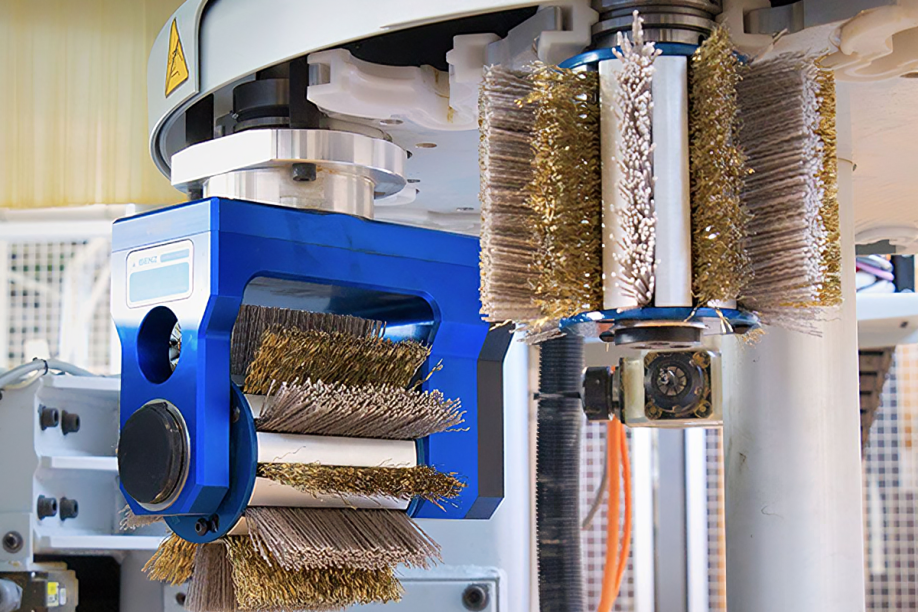
Brossage: fine straight lines for a premium brushed metal finish.
Polissage: a smooth, glossy, mirror-like surface.
These finishes change the metal surface itself through a chemical or electrochemical process.
Services d'anodisation de l'aluminium: a hard, colored oxide layer on aluminum.
Anodisation Type II: the standard decorative and protective anodize, available in many colors.
Revêtement de conversion au chromate: also called alodine coating; corrosion protection that keeps aluminum conductive.
Oxyde noir: a thin black finish for steel with mild rust protection.
These finishes add a new layer on top of the part.
Nickelage chimique: an even nickel layer, even inside holes, for wear and corrosion resistance.
Services de revêtement par poudre: a thick, tough, colored coat for metal parts.
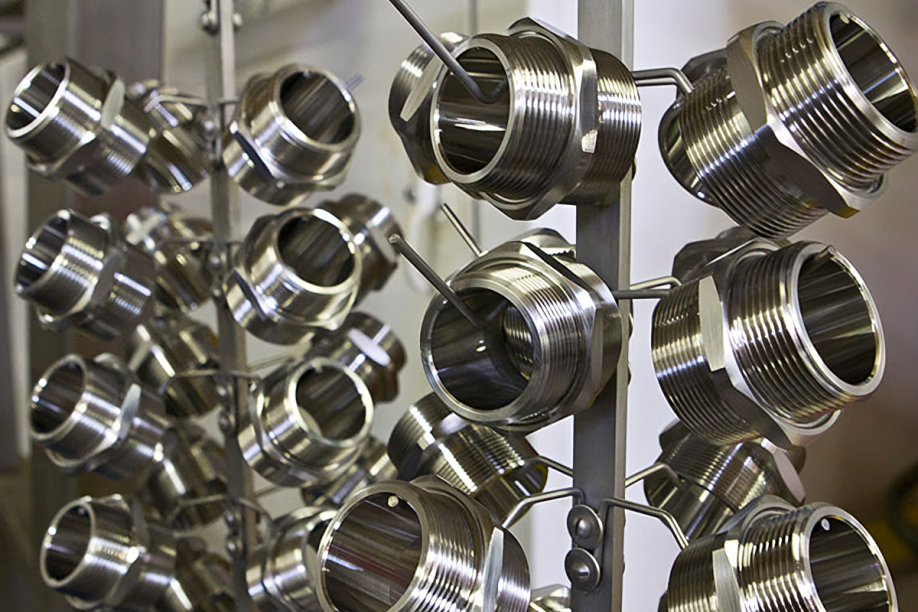
Brushed + electropolishing: a brushed texture followed by electropolishing for a clean, bright stainless surface.
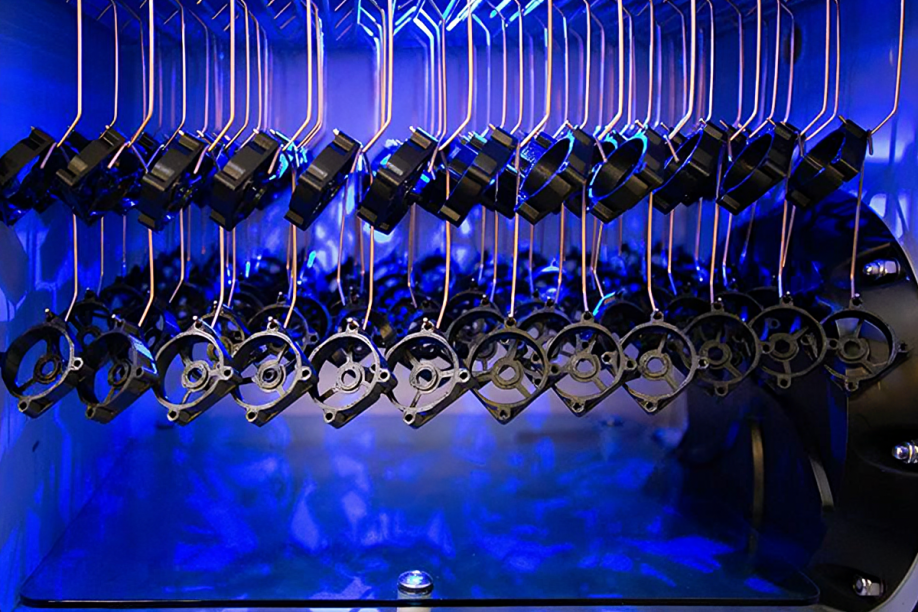
Lissage de la vapeur: chemical vapor smooths 3D printed and plastic parts to a glossy, sealed surface.
| Finition | Main Benefit | Look | Adds Thickness? | Meilleur pour |
|---|---|---|---|---|
| Tel qu'usiné | Lowest cost | Tool marks visible | Non | Internal and hidden parts |
| Grenaillage de billes | Even matte texture | Satin matte | Non | Cosmetic aluminum and steel |
| Polissage | Haute brillance | Mirror-like | Non | Decorative and sealing surfaces |
| Anodisation Type II | Corrosion and color | Colored, satin or gloss | Slight | Aluminum housings |
| Chromate conversion | Corrosion, stays conductive | Clear or gold | Very little | Aluminum electronics and airframe parts |
| Oxyde noir | Mild rust protection | Noir | Very little | Steel tools and fasteners |
| Electroless nickel | Wear and corrosion | Bright or satin silver | Yes, even layer | Steel and aluminum precision parts |
| Revêtement en poudre | Tough, thick color coat | Many colors and textures | Yes, thick | Brackets, enclosures, outdoor parts |
| Électropolissage | Clean, smooth stainless | Lumineux | Removes material | Medical and food parts |
| Lissage de la vapeur | Smooth, sealed plastic | Glossy | Non | 3D printed plastic parts |
1. Start with the material. Anodizing works on aluminum and titanium, black oxide on steel, and vapor smoothing on plastics.
2. Decide what the finish must do. Rust protection, wear resistance, conductivity, or just looks.
3. Check your tolerances. Coatings like powder coat and plating add thickness. Mark tight fits so we can mask them.
4. Think about the environment. Outdoor, marine, and chemical areas need stronger protection.
Still unsure? Our engineers suggest a finish with every quote. Pair this with our materials guide to plan material and finish together.
Beyond the finishes above, we can arrange electro plating in zinc, nickel, and copper plating, pad printing for logos on curved parts, and Teflon (PTFE) coating for low friction and non-stick surfaces. For screen-printed graphics, explore our l'impression en sérigraphie, and for color finishes on plastic, our peinture traitement de surface. For a bright decorative layer, choose revêtement chromé.
We offer over 30 surface finishing options. The most popular are anodizing, powder coating, bead blasting, black oxide, electroless nickel plating, and polishing. Ask us if you need a finish not shown here.
Some do. Powder coating and plating add a layer, while anodizing adds a small amount and polishing removes a little. We mask tight-fit features like threads and bores when needed.
Anodizing builds a hard oxide layer that can be dyed in many colors. Chromate conversion, also called alodine, is thinner and keeps aluminum electrically conductive. Choose anodizing for wear and color, and chromate for conductivity.
For aluminum, anodizing or chromate conversion. For steel, electroless nickel plating or powder coating. The best choice depends on the environment and how the part looks and fits.
Yes. Plastic parts can be bead blasted, painted, printed, or vapor smoothed. Vapor smoothing works well on 3D printed parts to seal and smooth the surface.
Yes. Common combos are bead blasting before anodizing for a matte look, or brushing before electropolishing. Tell us the look and protection you want, and we will plan the steps.
Need help choosing a finish? Upload your part and get finish advice with your quote within 12 hours.
Faites l'expérience de l'usinage CNC de précision avec Elite Mold Tech. Des prototypes complexes à la production à grande échelle, nous sommes prêts à concrétiser vos idées. Contactez-nous dès aujourd'hui pour discuter des besoins de votre projet !
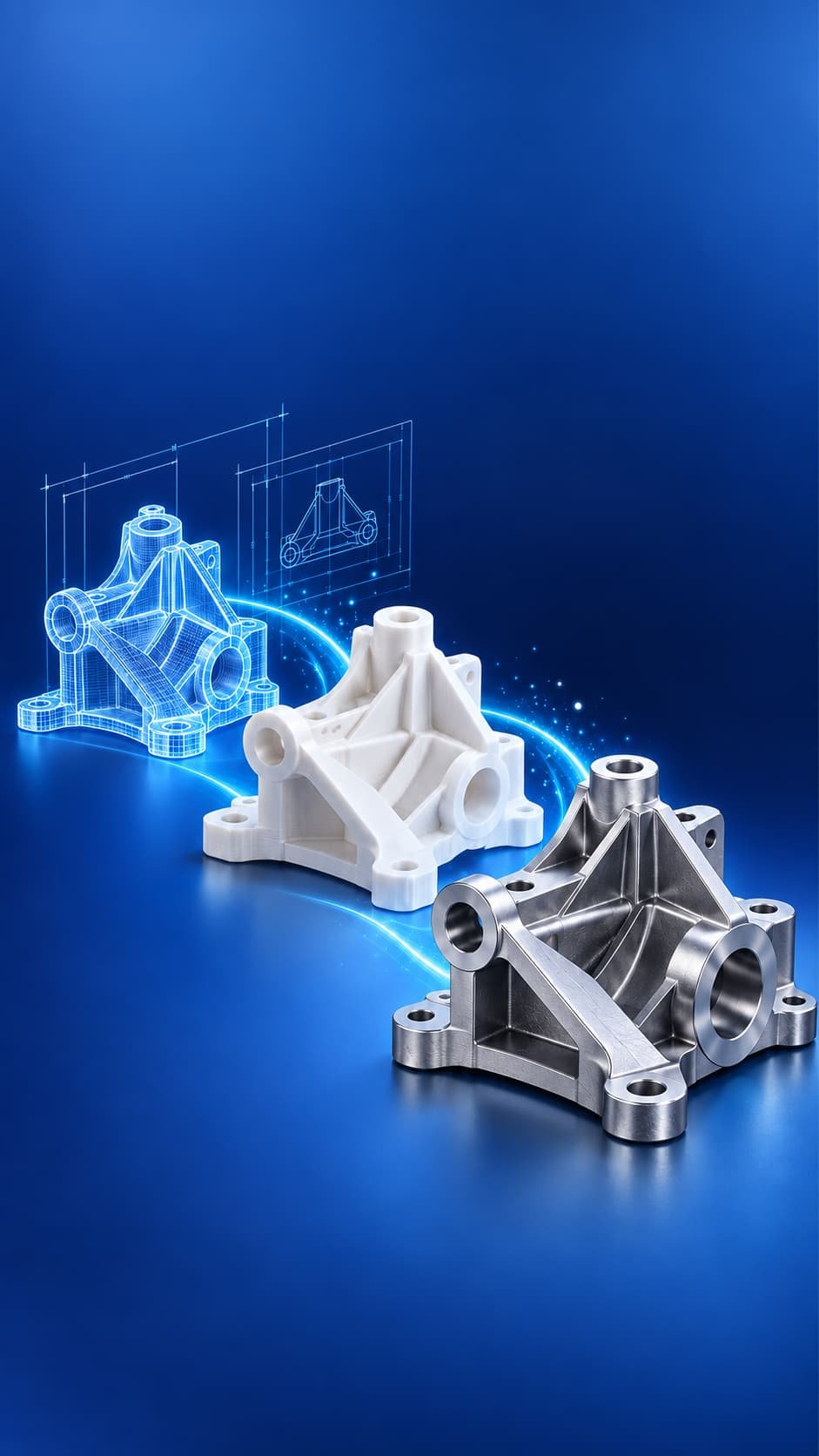
Offrir la meilleure solution pour la fabrication de prototypes, en tenant compte d'un large éventail de processus, de matériaux et de traitements de surface.
Confirmer les prix, les exigences et les délais de livraison.
Examiner rapidement la fabricabilité des produits et les exigences, en fournissant une assistance technique si nécessaire.
Lancer l'ordre de production, en confirmant le plan de production et de livraison.
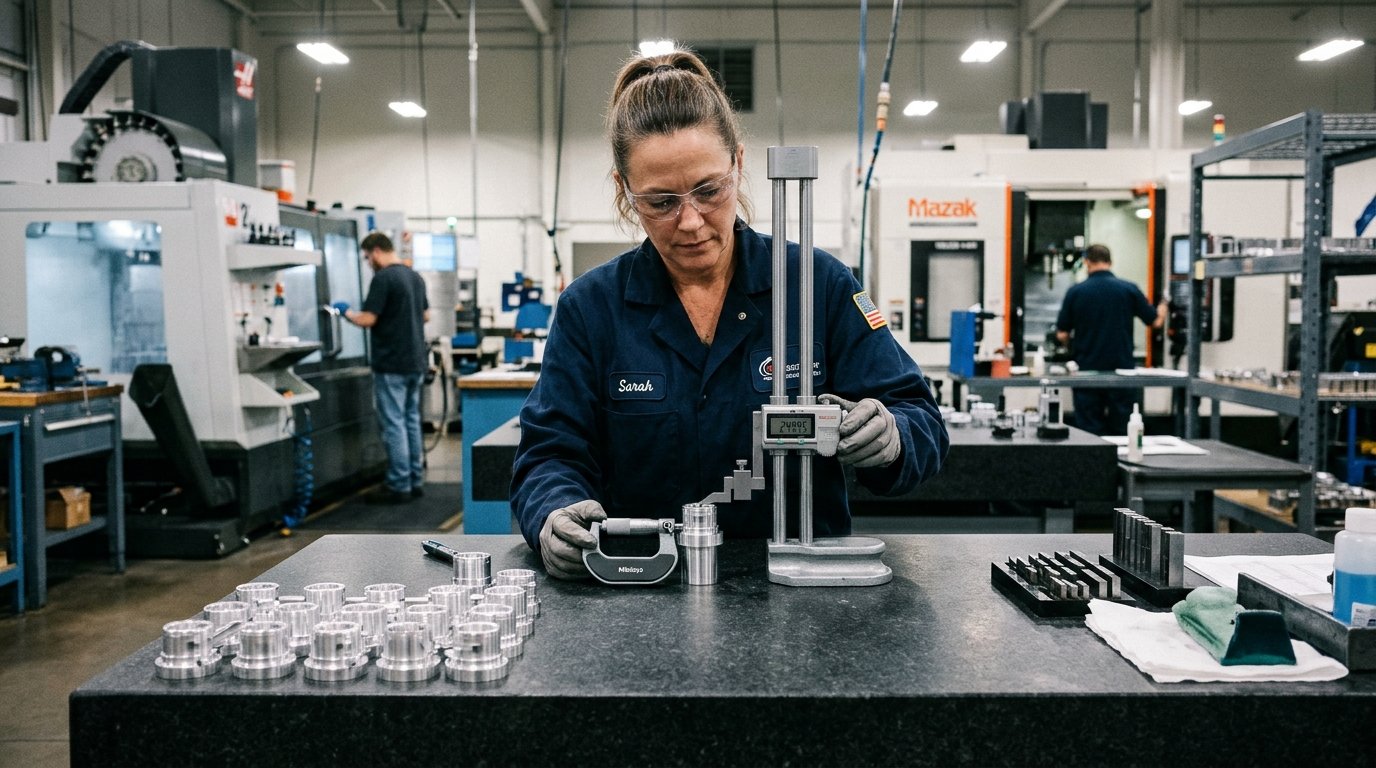
Effectuer des contrôles de qualité sur la base de la nomenclature et des spécifications initiales, en fournissant des photos claires pour l'approbation de l'expédition.
Veillez à ce que l'emballage soit sécurisé et fournissez le numéro de suivi après l'envoi.
Notre blog consacré à la fabrication propose des guides pratiques sur les matériaux, les tolérances, les coûts et les procédés, rédigés par des ingénieurs à l'intention des ingénieurs et des acheteurs.