By Phil Huang, Elite Mold Tech. Updated October 31, 2026.
In the 6061 vs 7075 aluminum choice, 6061-T6 wins for most CNC parts and 7075-T6 wins when strength decides the design. 6061 is easier to machine, welds well, and costs less. 7075 has a yield strength of 503 MPa against 276 MPa for 6061, which makes it the pick for highly stressed parts. This guide shows the numbers side by side and gives you a short test to choose.
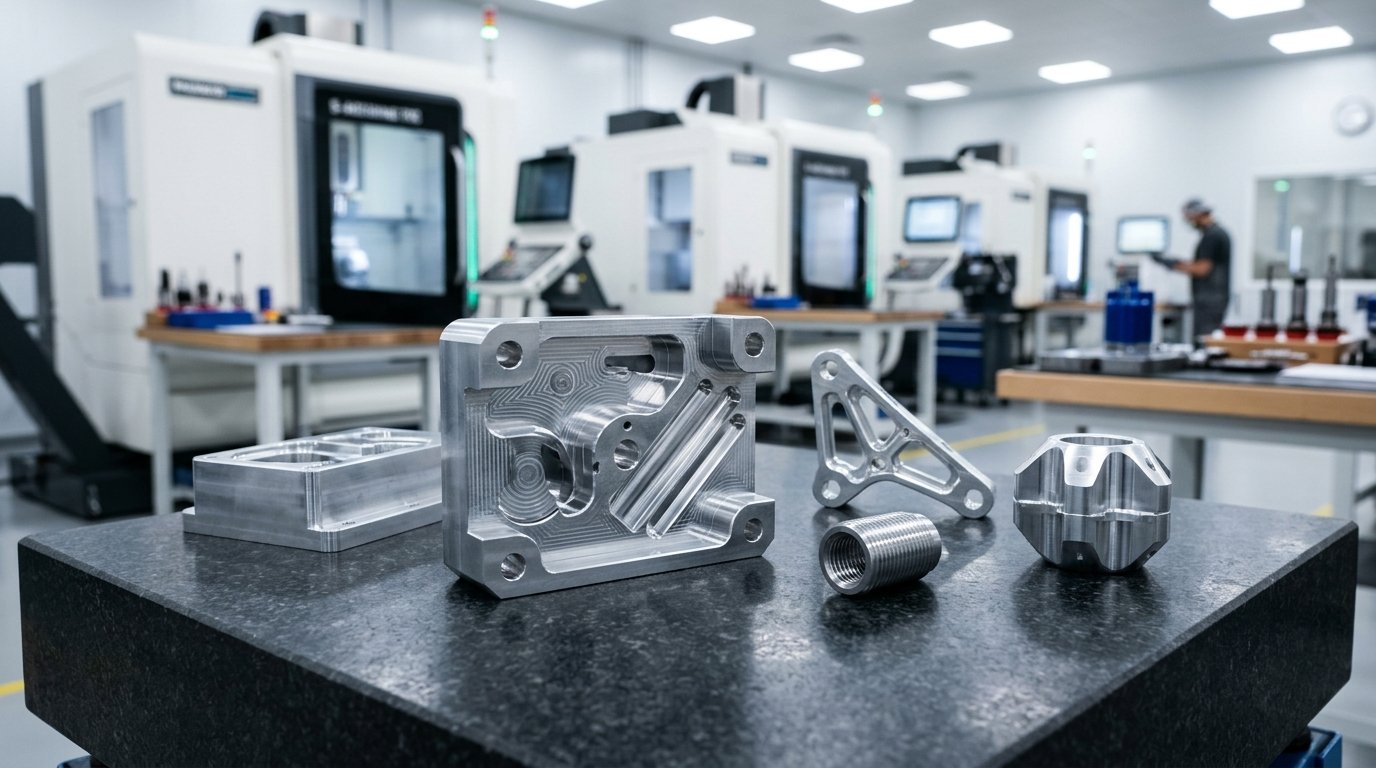
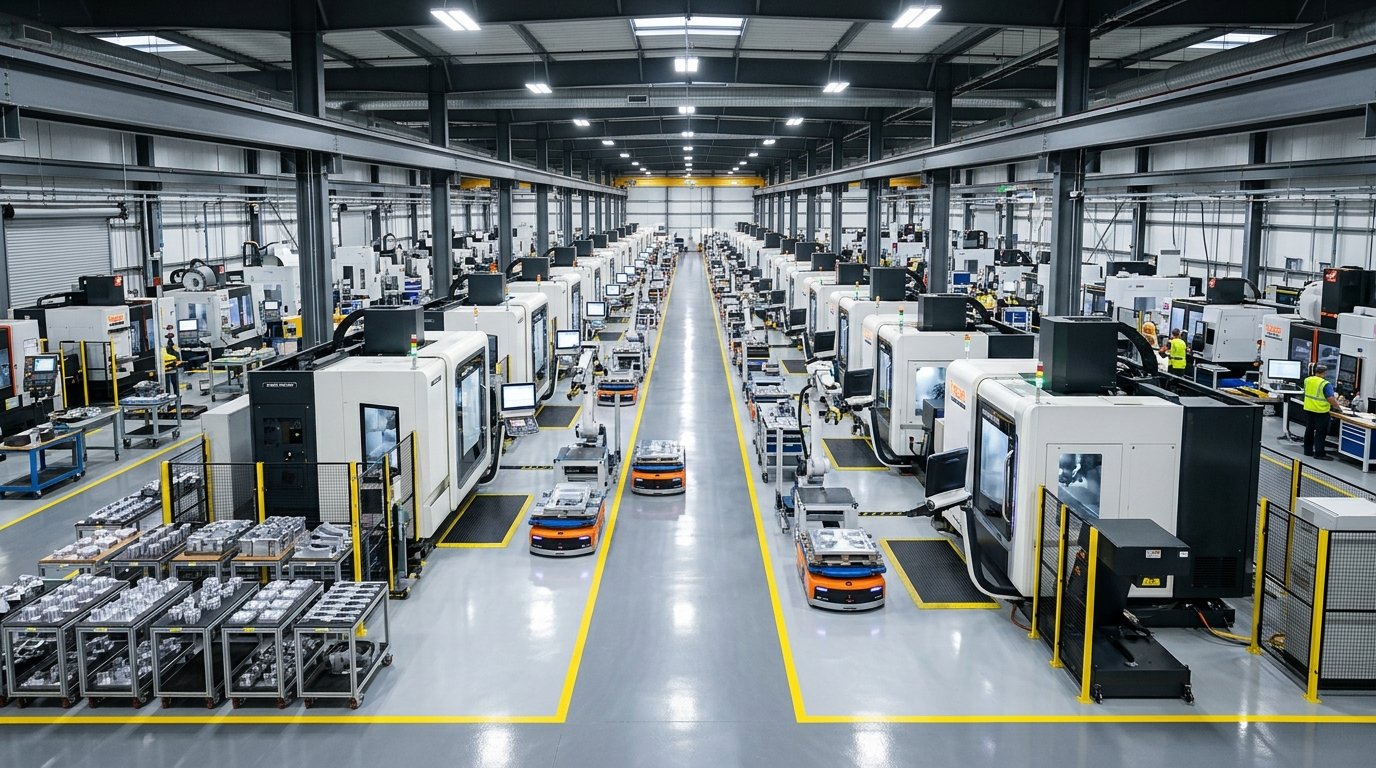
Elite Mold Tech machines both grades at its Dongguan factory, so the data below comes from the same spec sheet we use to quote US customers.
Key takeaways
- Choose 6061-T6 for brackets, housings, fixtures, frames, and anything that is welded or heavily anodized.
- Choose 7075-T6 for parts that carry high loads or repeated stress at low weight.
- 7075 is about 82% stronger in yield, but it costs more and wears cutters faster.
- Both grades hold the same standard tolerance of ±0.005 in (±0.127 mm).
- If you are unsure, prototype in 6061 and move to 7075 only when a test demands it.
What is the main difference between 6061 and 7075 aluminum?
The main difference is the alloying metal. 6061 is a magnesium and silicon alloy. 7075 is a zinc alloy with magnesium and copper added. That chemistry gives 7075 far more strength, while 6061 keeps better machinability, weldability, and corrosion resistance. Think of 6061 as the general-purpose grade and 7075 as the high-strength specialist.
Both grades are heat treated to the T6 temper, which means solution treated and artificially aged. The T6 temper is why both reach the strength numbers in the table below. Without it, the same alloys are much softer.
For a wider view of every grade we stock, read our guide to aluminum alloys for CNC machining.
How do 6061 and 7075 compare side by side?
7075-T6 is stronger on every mechanical measure we list, and 6061-T6 wins on cost, welding, and ease of cutting. The table gives the strength values from our spec sheet and the process traits we see in the shop. Use it as a first filter before you look at price.
Propriedade | 6061-T6 | 7075-T6 |
Main alloying elements | Magnesium, silicon | Zinc, magnesium, copper |
Resistência ao escoamento | 276 MPa | 503 MPa |
Fatigue strength | 96 MPa | 160 MPa |
Machinability | Very good | Good, but harder on tools |
Soldabilidade | Bom | Poor, not recommended |
Resistência à corrosão | Bom | Fair, needs a protective finish |
Anodização | Even color | Works, color can vary by lot |
Relative cost | Inferior | Mais alto |
Strength values: Elite Mold Tech aluminum CNC machining page (2026). Process traits: Elite Mold Tech shop experience.
The strength gap is large. 7075 carries about 82% more load before it yields. Its fatigue strength is also 67% higher, which matters for parts that flex or vibrate thousands of times.
Which is easier to machine, 6061 or 7075?
6061 is easier to machine. It cuts at higher speeds, forms short chips, and wears tools slowly, so cycle times stay low. In 7075 aluminum CNC machining, the harder material wears cutters faster and needs more careful feeds. The extra tool cost and time show up in the quote.
Both grades machine far better than steel or titanium. A well-programmed 7075 job still runs efficiently. The difference is a matter of degree, not a different process.
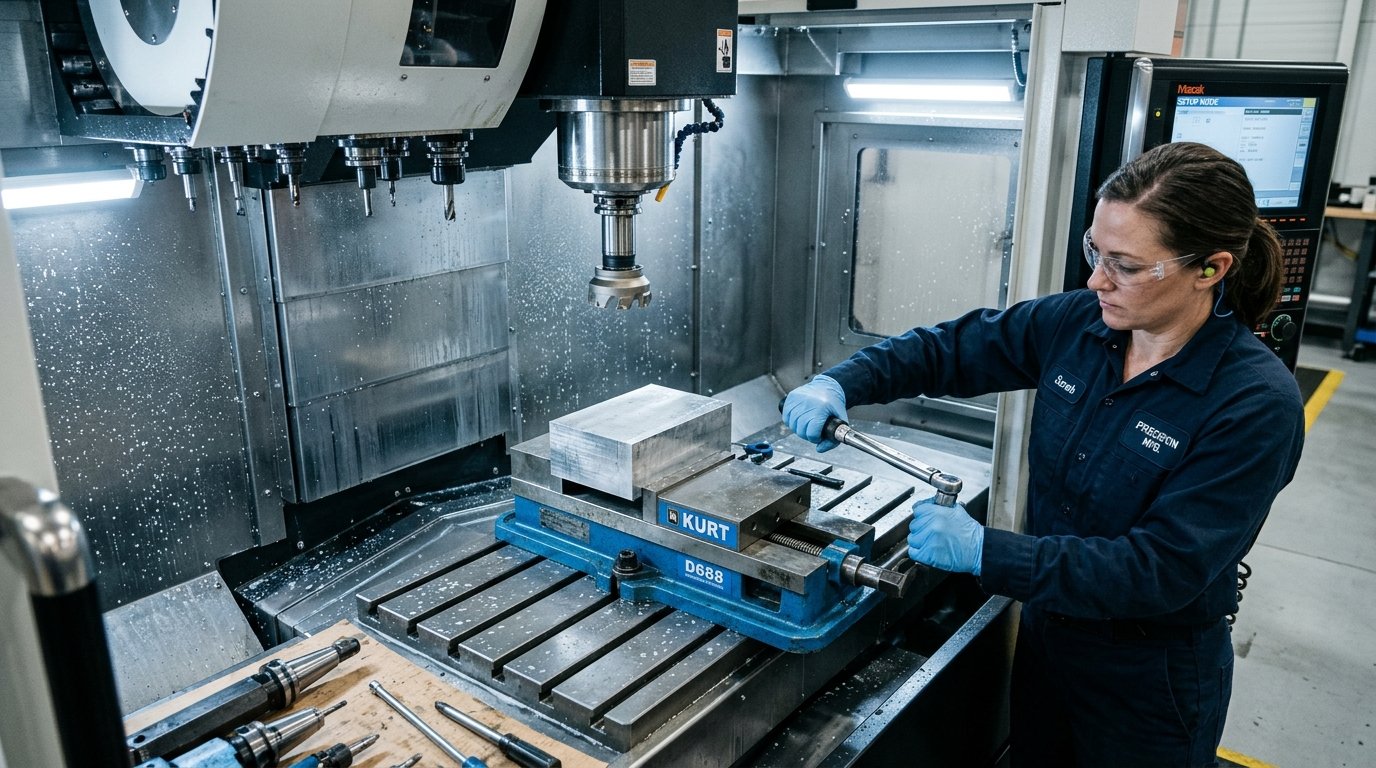
Our team uses the same machines for both grades. For complex shapes in 7075, we often use 5-axis CNC machining. It reaches difficult faces in one setup, which reduces handling and keeps the tolerance steady.
How much more does 7075 cost than 6061?
7075 costs more than 6061 in two ways. The raw material is priced higher, and the machining takes longer because of tool wear. We do not publish a fixed price gap because it moves with plate size, market price, and part design. Send your drawing and we quote both grades side by side.
Here is what drives the difference on a real quote:
- Material price. 7075 stock costs more per kilogram than 6061 stock.
- Cutting time. Slower feeds on 7075 add machine minutes to each part.
- Tool life. Cutters on 7075 need replacing sooner.
- Availability. Large 7075 plate can take longer to source than common 6061 sizes.
The cheapest way to save money is to use 6061 wherever the load allows. The aluminum comparison often ends there for consumer and industrial parts.
How do 6061 and 7075 behave in thin walls and deep pockets?
Both grades can be cut into thin walls and deep pockets, but the extra strength of 7075 does not remove the need for good design. Our minimum wall thickness for aluminum is 0.75 mm (Elite Mold Tech capability table, 2026). Thin walls in either grade flex under cutter pressure, so the shop uses lighter passes and good fixturing.
Stress in the raw plate matters here. Machining removes metal, and a plate with locked-in stress can bow after a deep pocket is cut. For large flat parts, ask for a stress-relieved temper such as T651. The same rule applies to 6061 aluminum CNC machining and to 7075.
A few design habits keep both grades predictable:
- Keep wall thickness at or above 0.75 mm, and thicker where the part is long.
- Add fillets in inside corners so the cutter does not stall.
- Avoid very deep pockets with thin ribs when a thicker rib works.
- Mark only the critical faces with tight tolerance.
If you are unsure about a thin feature, send the file before you order. Our engineers flag risky features in the quote review, so you can change the design while changes are still cheap.
When should you choose 6061-T6?
Choose 6061-T6 when the part is not highly stressed, when you plan to weld, or when appearance matters. 6061-T6 aluminum CNC machining suits most brackets, enclosures, housings, jigs, and frames. It is also the best prototype grade, because it is cheap to cut and easy to rework.
- Welded assemblies. 6061 welds well. 7075 does not.
- Anodized cosmetic parts. 6061 gives a more even color.
- Prototypes and fixtures. Lower cost means faster iteration.
- Moderate loads. A yield strength of 276 MPa is enough for many designs.
Our standard aluminum CNC machining service quotes 6061-T6 by default when a drawing lists only “aluminum.”
When should you choose 7075-T6?
Choose 7075-T6 when strength and weight both matter and the part will not be welded. Typical uses are aerospace brackets, robot arms under load, tooling plates, drone frames, and high-end sporting gear. If a lighter, thinner 7075 part replaces a thicker 6061 part, the cost of the stronger grade can pay for itself.
- High stress parts. 503 MPa yield gives much more margin.
- Fatigue loads. Repeated flexing is where 7075 earns its price.
- Weight reduction. Higher strength lets you use less material.
- Aerospace and defense work. Review our setor aeroespacial page for the parts we machine.
For aerospace and defense parts, ask for material certificates when you request the quote. We explain our checks on the garantia de qualidade page.
How do you choose between 6061 and 7075 in five steps?
Work through five checks and stop at the first one that rules out a grade. This takes a few minutes and avoids paying for strength you do not need.
- Will the part be welded? If yes, choose 6061.
- Does it carry a high or repeated load? If yes, test 7075.
- Is weight critical? If yes, compare a thinner 7075 design to a thicker 6061 one.
- Is the finish cosmetic? If yes, lean toward 6061 for even anodized color.
- Is the budget tight? If yes, start with 6061 and prove the need for 7075 with a test.
When both grades pass, pick 6061. You can always upgrade after a physical test.
Do tolerances and finishes change between 6061 and 7075?
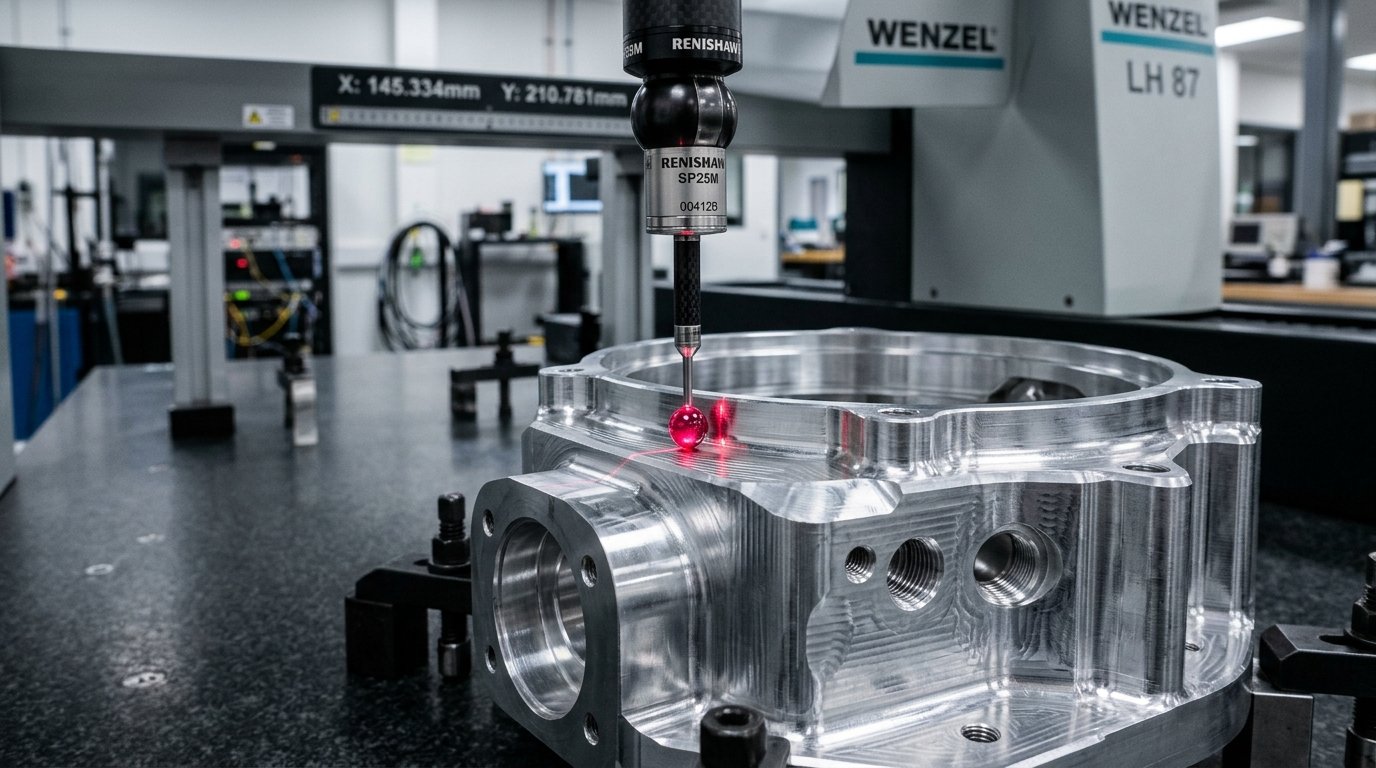
Tolerances do not change. Both grades hold the standard ±0.005 in (±0.127 mm), and we can hold ±0.001 in (±0.025 mm) on critical features when you send a 2D drawing with GD&T (Elite Mold Tech capability table, 2026). Finishes differ slightly: 6061 gives the most even anodized color, while 7075 can show small shade changes between lots.
Both grades take Type II anodizing, bead blasting, and polishing. You can see every option on our acabamento da superfície page. Tell us the finish early, because anodizing adds a thin layer that affects tight fits.
Standards such as ISO 2768-1 define the general tolerance classes behind these limits, so your drawing and our shop read them the same way.
What mistakes do buyers make when choosing 6061 vs 7075?
The most common mistake is paying for 7075 when 6061 would work. The second is choosing 7075 for a part that must be welded. Both are easy to avoid with a quick design review before you order.
- Ordering 7075 for a lightly loaded cover or bracket.
- Planning to weld 7075 after machining.
- Ignoring the finish and getting uneven anodized color.
- Skipping a prototype and finding a weak point at production volume.
Get a side-by-side quote for 6061 and 7075
You do not have to guess. Upload your 3D file and 2D drawing, tell us the quantity and finish, and we will quote both grades so you see the exact difference. We guarantee a response within 12 hours, and most orders take under 10 days.
Ready to compare? Solicite um orçamento or visit the Elite Mold Tech home page to see our other CNC services.
Perguntas frequentes
Q: Is 7075 aluminum stronger than 6061?
A: Yes. In the T6 temper, 7075 has a yield strength of 503 MPa, while 6061 has 276 MPa, according to our spec sheet. That makes 7075 about 82% stronger in yield. It also has higher fatigue strength, 160 MPa against 96 MPa for 6061.
Q: Can you weld 7075 aluminum?
A: Welding 7075 is not recommended because the weld area loses strength and is prone to cracking. If your design needs welding, choose 6061 instead. If you need 7075 strength, use bolts, rivets, or a one-piece machined part rather than welded joints.
Q: Is 7075 harder to machine than 6061?
A: Yes, a little. 7075 is harder, so it wears cutters faster and needs more careful feeds. Both machine well compared to steel. The result is a longer cycle time and higher tool cost for 7075, which appears in the quote.
Q: Which is better for anodizing, 6061 or 7075?
A: 6061 gives a more even anodized color. 7075 takes Type II anodizing too, but the shade can vary from lot to lot. If cosmetic color matching matters across a large batch, choose 6061 or tell us so we can plan the stock.
Q: What does T6 mean on 6061-T6 and 7075-T6?
A: T6 is a temper code. It means the metal was solution heat treated and then artificially aged to reach its rated strength. Both grades are usually machined in T6. For large flat plates, T651 adds stress relief and keeps the part flatter after cutting.
Q: Can Elite Mold Tech machine both grades to tight tolerance?
A: Yes. Standard tolerance is ±0.005 in (±0.127 mm) for both, and we can hold ±0.001 in (±0.025 mm) on critical features. Send a 2D drawing with GD&T and mark only the features that need the tighter limit.
Sources
- Elite Mold Tech, Aluminum CNC Machining capability and material tables (2026): elitemoldtech.com/aluminum-cnc-machining
- ISO 2768-1, General tolerances for linear and angular dimensions: iso.org