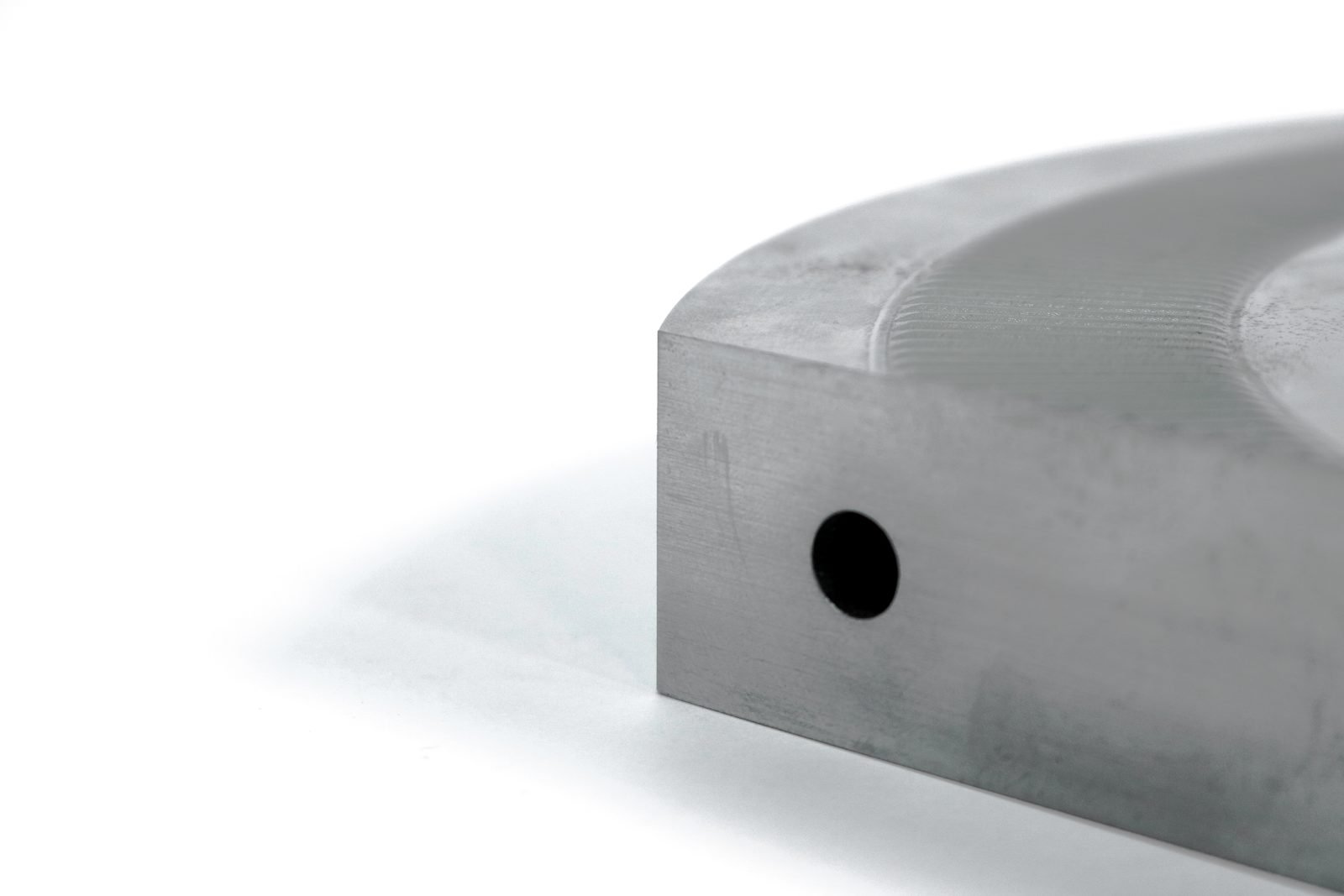
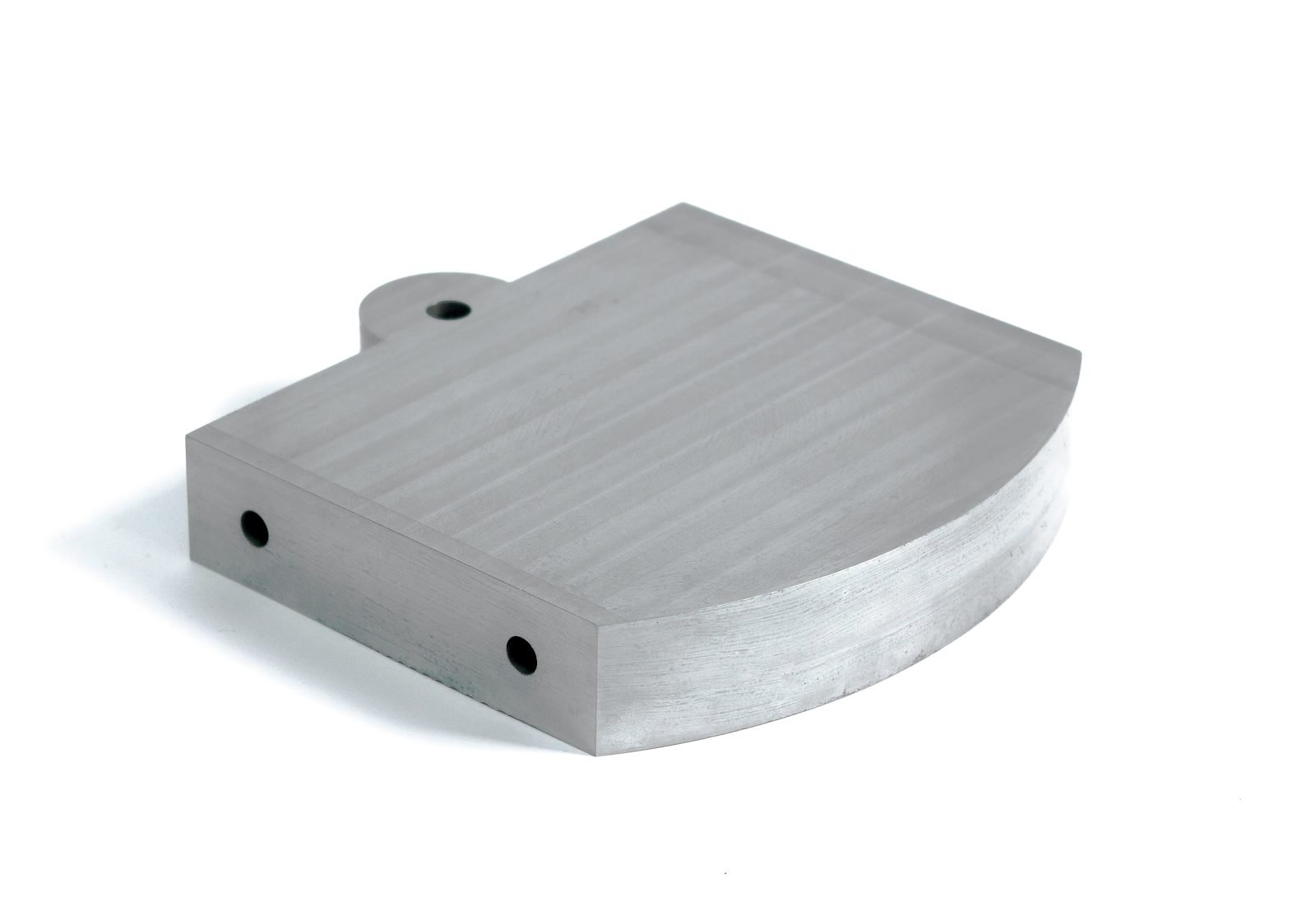
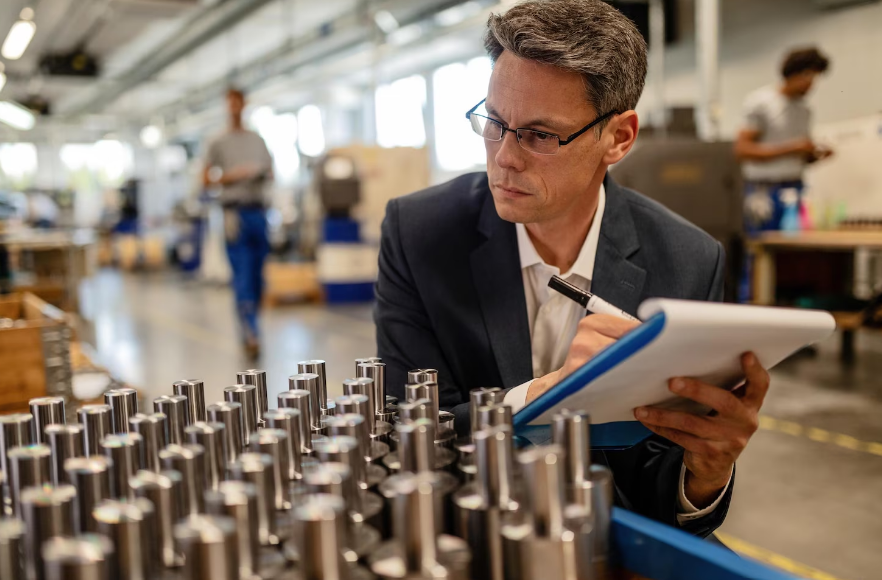
Tool steel is a group of carbon and alloy steels specifically developed to withstand high mechanical loads, repeated impact, abrasion, and elevated temperatures. It is commonly used in CNC machining for components that require high hardness, wear resistance, toughness, and dimensional stability.
Tool steel grades contain different combinations of carbon, chromium, molybdenum, vanadium, tungsten, and other alloying elements. These additions allow different grades to provide specific combinations of hardness, toughness, wear resistance, and hot-work performance.
Tool steel can be machined in annealed conditions and then heat treated to achieve the required hardness and strength. It is widely used for molds, dies, cutting tools, punches, inserts, fixtures, and precision industrial components.
Available Tool Steel at Elite Mold Tech:
Price
$$$
Lead Time:
< 10 days
Wall Thickness:
0.75 mm
Tolerances:
±0.125mm (±0.005″)
Max Part Size:
200 x 80 x 100 cm
Available Grades:
D2 Tool Steel, A2 Tool Steel, H13 Tool Steel
D2 Tool Steel
D2 is a high-carbon, high-chromium tool steel known for excellent wear resistance, high hardness, and good dimensional stability during heat treatment. It is commonly used for dies, punches, cutting tools, blades, and wear-resistant components.
Tensile Strength, Yield (MPa)1900
Fatigue Strength (MPa)700
Elongation at Break (%)2
Hardness (Brinell)217 - 255
Density (g/cm³)7.70
A2 Tool Steel
A2 is an air-hardening tool steel that provides a good balance of toughness, wear resistance, and dimensional stability. It is widely used for punches, dies, forming tools, shear blades, and precision tooling components.
Tensile Strength, Yield (MPa)1860
Fatigue Strength (MPa)700
Elongation at Break (%)3
Hardness (Brinell)200 - 250
Density (g/cm³)7.86
H13 Tool Steel
H13 is a chromium-molybdenum hot-work tool steel designed to maintain strength and hardness at elevated temperatures. It provides good thermal fatigue resistance and toughness, making it suitable for molds, dies, extrusion tooling, and high-temperature applications.
Tensile Strength, Yield (MPa)1380
Fatigue Strength (MPa)600
Elongation at Break (%)10
Hardness (Brinell)180 - 220
Density (g/cm³)7.80
Surface Finishing Options for Tool Steel
CNC machined tool steel parts can undergo various surface finishing and treatment processes to improve hardness, wear resistance, corrosion protection, appearance, and service life.
As Machined
Polishing
Grinding
Black Oxide
Electroless Nickel Plating
Nickel Plating
PVD Coating
Nitride Treatment
Passivation
Sand Blasting
Brushed Finish
Pros and Cons of Tool Steel CNC Machining
Tool steel provides excellent hardness, wear resistance, toughness, and dimensional stability, making it suitable for demanding tooling and industrial applications. However, its hardness and heat-treatment requirements can make machining more complex and expensive.
Excellent Wear Resistance: Tool steel can withstand repeated contact, abrasion, and mechanical wear in demanding applications.
High Hardness: Many tool steel grades can achieve high hardness after heat treatment, making them suitable for cutting and forming applications.
Good Dimensional Stability: Certain grades maintain accurate dimensions during heat treatment, which is important for precision tooling.
High Strength: Tool steel provides strong mechanical performance under high loads and repeated use.
Heat Resistance: Hot-work grades such as H13 can maintain useful properties at elevated temperatures.
Difficult to Machine After Hardening: Hardened tool steel requires specialized tooling and machining methods.
Higher Material Cost: Tool steel is generally more expensive than mild steel and other general-purpose materials.
Heat Treatment Required: Many applications require heat treatment to achieve the desired hardness and wear performance.
Tool Wear: Machining harder tool steel can accelerate cutting-tool wear and increase production time.
Description
Application
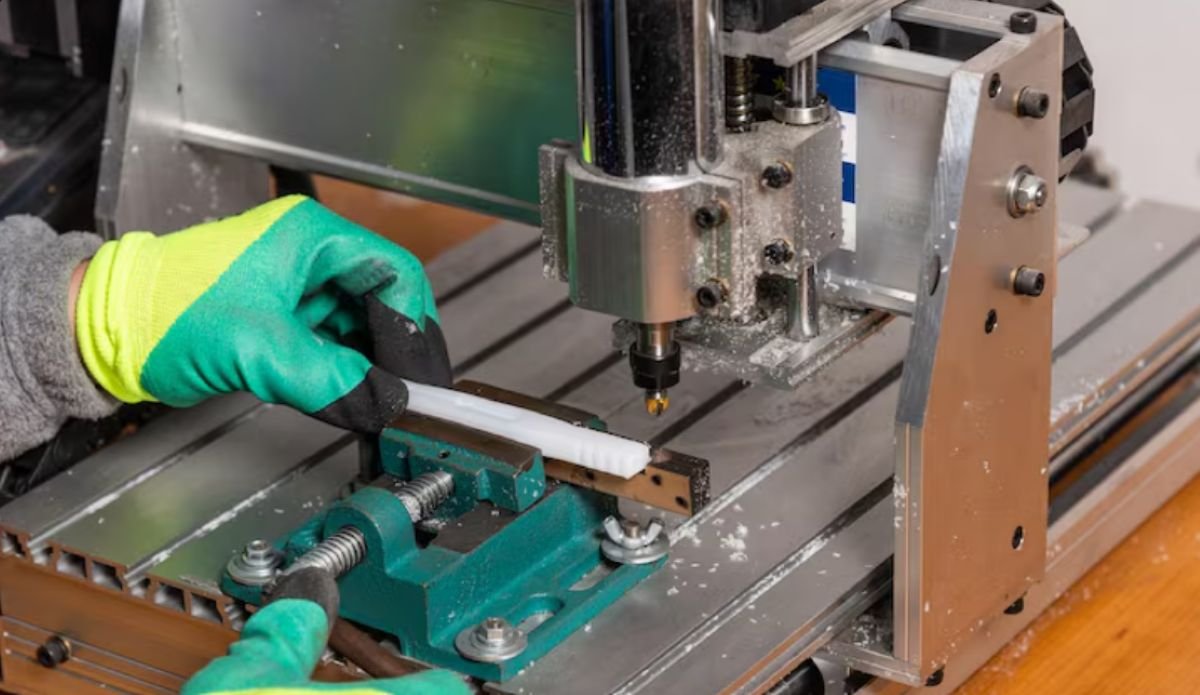
CNC machining produces parts with excellent mechanical properties, accuracy and repeatability from metal and plastic. 3-axis & 5-axis CNC milling available.
Experience precision CNC machining with Elite Mold Tech. From intricate prototypes to large-scale production, we’re ready to bring your ideas to reality. Contact us today to discuss your project needs!
Explore the forefront of advanced manufacturing with Elite Mold Tech. Our blogs provide expert insights, industry trends, and practical tips to enhance efficiency, precision, and innovation in your production processes.