Tous les téléchargements sont sécurisés et confidentiels
Copper in CNC Machining
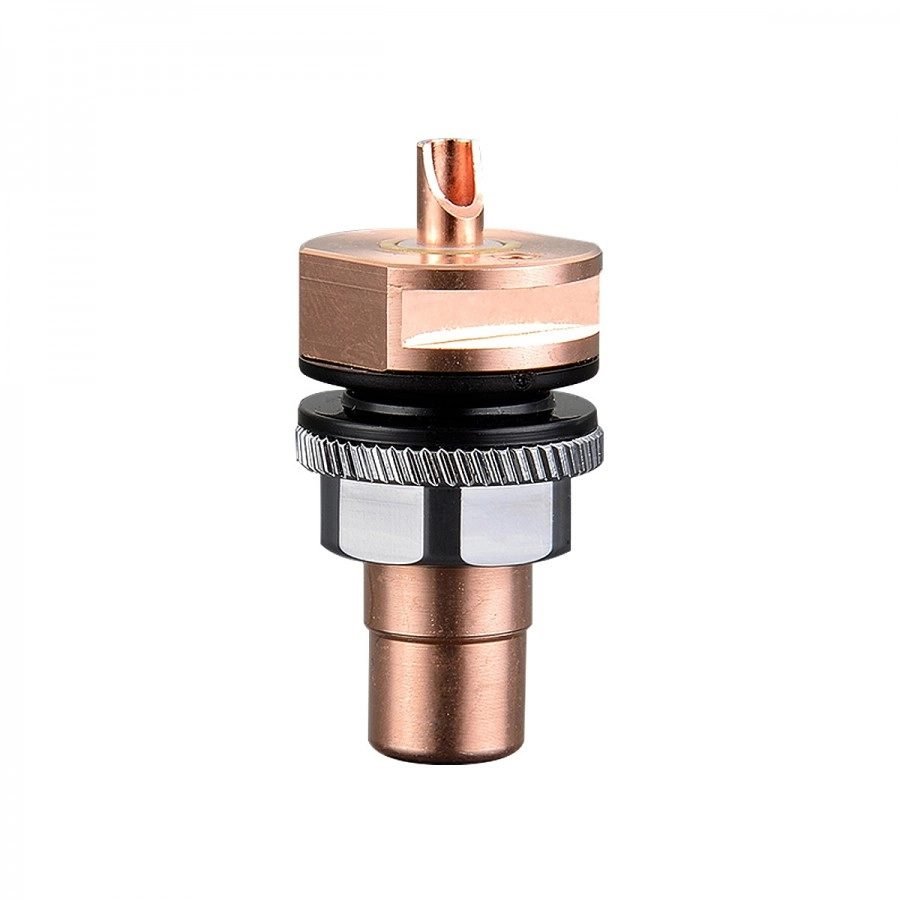
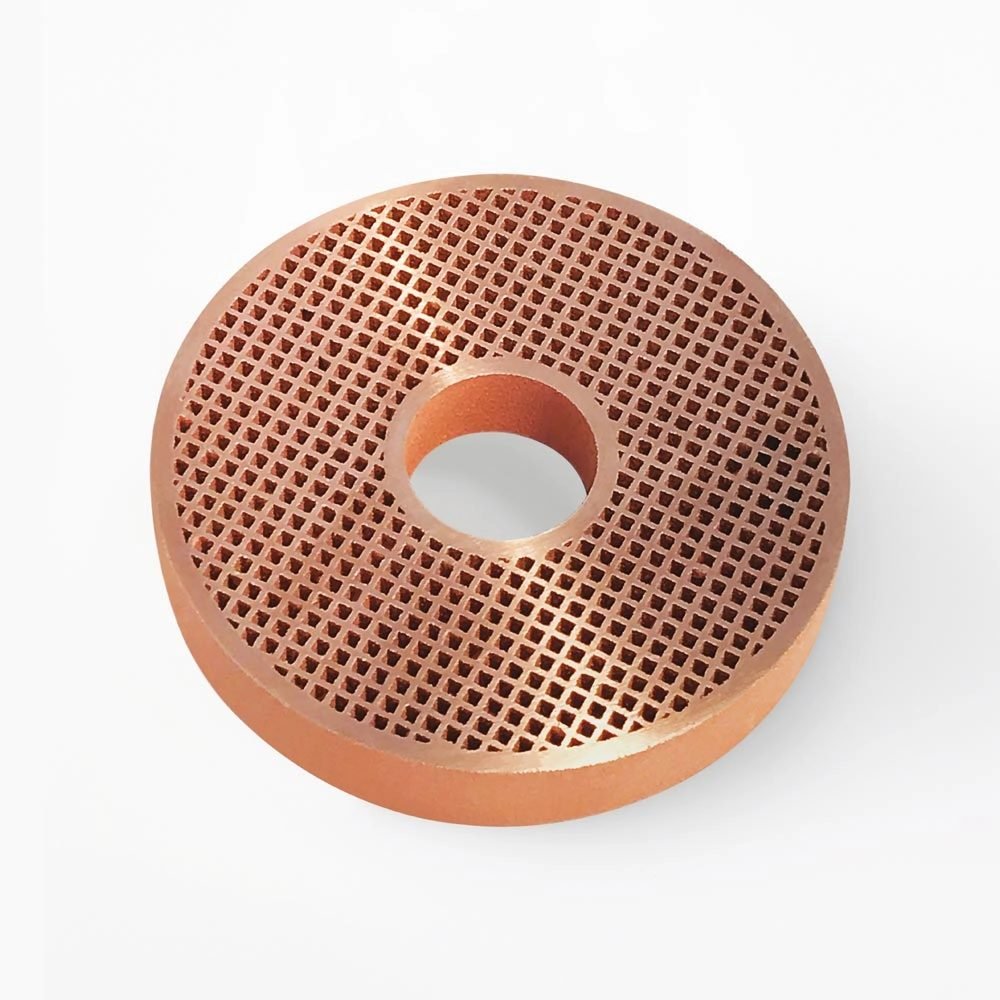
Copper is widely used in CNC machining for parts that require excellent electrical conductivity, thermal conductivity, corrosion resistance, and dimensional accuracy. Its unique combination of physical and mechanical properties makes it suitable for electrical, electronics, automotive, telecommunications, and industrial applications.
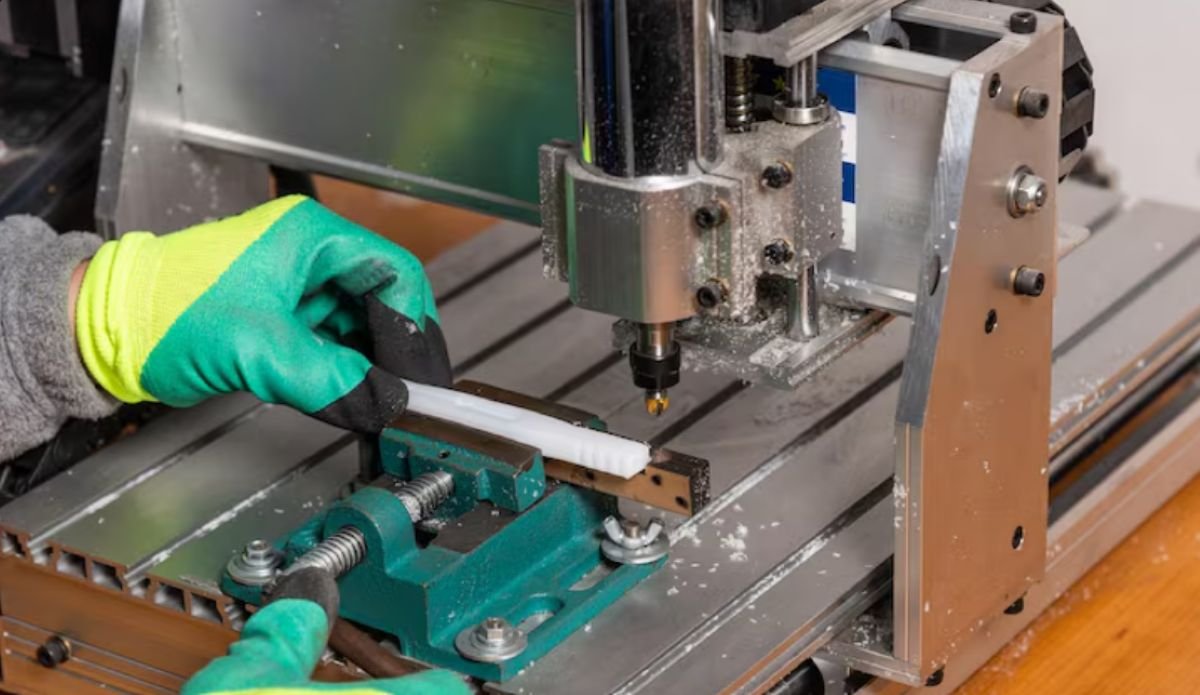
Copper can be machined into complex and precise components, although its high ductility and thermal conductivity require appropriate cutting tools, speeds, feeds, and chip evacuation strategies. Different copper alloys provide varying levels of strength, machinability, conductivity, and wear resistance.
At Elite Mold Tech, copper CNC machining supports custom components with precise dimensions, complex geometries, and various surface finishing requirements.
Available Copper at Elite Mold Tech:
Prix
$$$
Délai d'exécution :
< 10 jours
Épaisseur de la paroi :
0,75 mm
Tolérances :
±0,125mm (±0,005″)
Taille maximale de la pièce :
200 x 80 x 100 cm
Niveaux disponibles :
Copper C11000, C10100, C14500
Copper C11000
Copper C11000, also known as Electrolytic Tough Pitch Copper, is one of the most commonly used commercially pure copper grades. It offers excellent electrical and thermal conductivity along with good corrosion resistance, making it suitable for electrical and heat-transfer applications.
Tensile Strength, Yield (MPa)69
Fatigue Strength (MPa)76
Elongation at Break (%)30
Hardness (Brinell)45
Density (g/cm³)8.94
Copper C10100
Copper C10100 is a high-purity oxygen-free copper with excellent electrical and thermal conductivity. Its very high purity makes it particularly suitable for demanding electrical, electronic, and high-conductivity applications.
Tensile Strength, Yield (MPa)69
Fatigue Strength (MPa)69
Elongation at Break (%)40
Hardness (Brinell)40
Density (g/cm³)8.94
Copper C14500
Copper C14500, also known as Tellurium Copper, is an alloy designed to provide improved machinability while maintaining good electrical and thermal conductivity. It is commonly used for electrical connectors, electrodes, terminals, and precision components.
Tensile Strength, Yield (MPa)220
Fatigue Strength (MPa)100
Elongation at Break (%)15
Hardness (Brinell)75
Density (g/cm³)8.89
Surface Finishing Options for Copper
Copper CNC machined parts can undergo different surface finishing processes to improve appearance, corrosion resistance, conductivity, and surface durability.
Tel qu'usiné
Sand Blasting
Tumbling
Électropolissage
Placage de nickel chimique
Nickelage
Chromage
Polissage
Brushed Finish
Peinture
Pros and Cons of Copper CNC Machining
Copper machining provides excellent electrical and thermal performance, making it an important material for many precision applications. However, its softness and ductility can create machining challenges that require appropriate tooling and cutting parameters.
Excellent Electrical Conductivity: Copper provides outstanding electrical conductivity, making it ideal for electrical and electronic components.
High Thermal Conductivity: Its ability to transfer heat efficiently makes copper useful for heat sinks, heat exchangers, and thermal components.
Corrosion Resistance: Copper offers good resistance to corrosion in many environments and can maintain its performance over time.
Good Machinability: Certain copper alloys, such as C14500, provide improved machinability while retaining useful conductivity.
Excellent Ductility: Copper can be formed and machined into complex shapes and detailed components.
Soft Material: Pure copper is relatively soft and can be prone to deformation, scratching, and surface damage during machining.
Heat Generation: Its high thermal conductivity can transfer heat away from the cutting area, requiring proper machining parameters.
Material Buildup: Copper can adhere to cutting tools if inappropriate tool geometry or cutting conditions are used.
Higher Material Cost: Copper can be more expensive than common materials such as aluminum or mild steel.
Description
Application
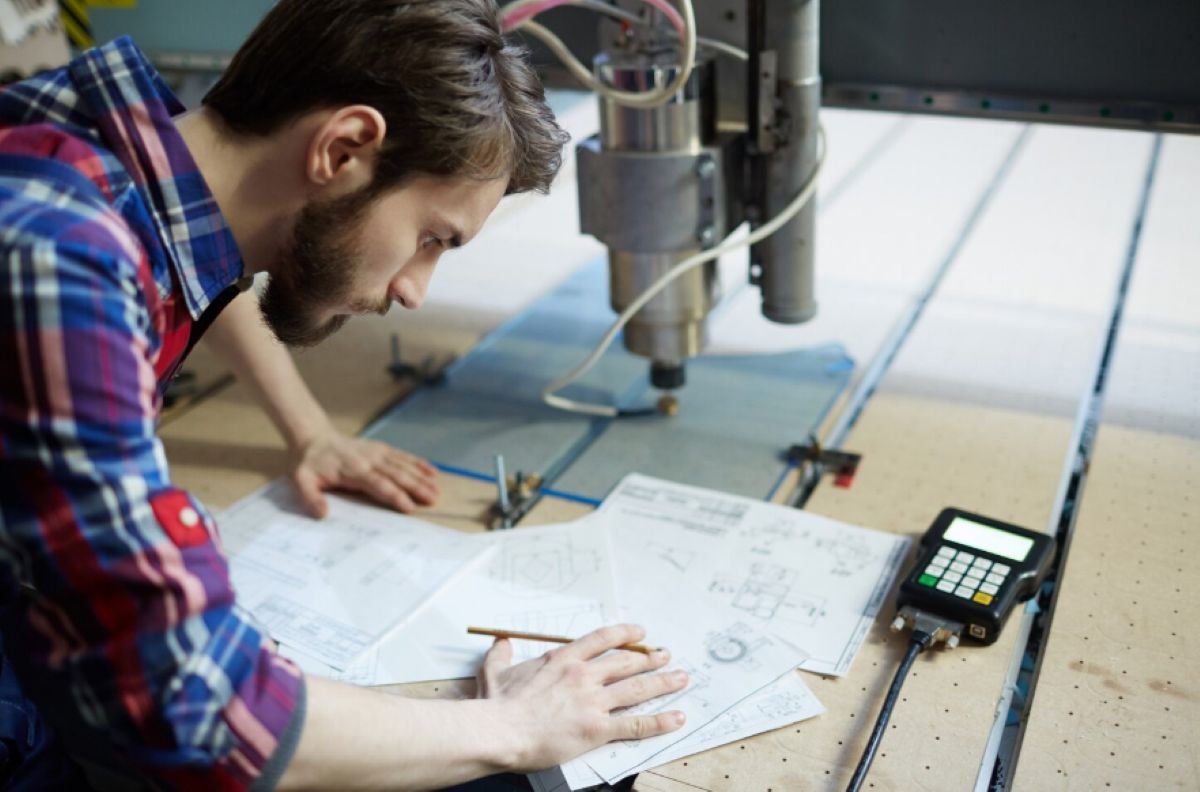
L'usinage CNC permet de produire des pièces aux propriétés mécaniques, à la précision et à la répétabilité excellentes à partir de métal et de plastique. Fraisage CNC à 3 et 5 axes disponible.
Points forts
Excellentes propriétés mécaniques, haute précision et répétabilité
Faiblesses
Restrictions géométriques plus importantes que pour l'impression 3D
Faites l'expérience de l'usinage CNC de précision avec Elite Mold Tech. Des prototypes complexes à la production à grande échelle, nous sommes prêts à concrétiser vos idées. Contactez-nous dès aujourd'hui pour discuter des besoins de votre projet !
Tous les téléchargements sont sécurisés et confidentiels
Prenez contact avec nous !
Réponse rapide garantie dans les 12 heures
Points de vue d'experts et tendances du secteur
Explorez l'avant-garde de la fabrication avancée avec Elite Mold Tech. Nos blogs fournissent des informations d'experts, des tendances industrielles et des conseils pratiques pour améliorer l'efficacité, la précision et l'innovation dans vos processus de production.