Home » Material Categories » Alloy steel

Alloy steel

High strength and toughness, fatigue resistant.
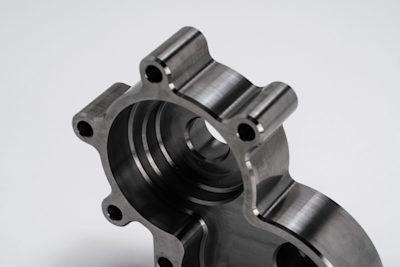
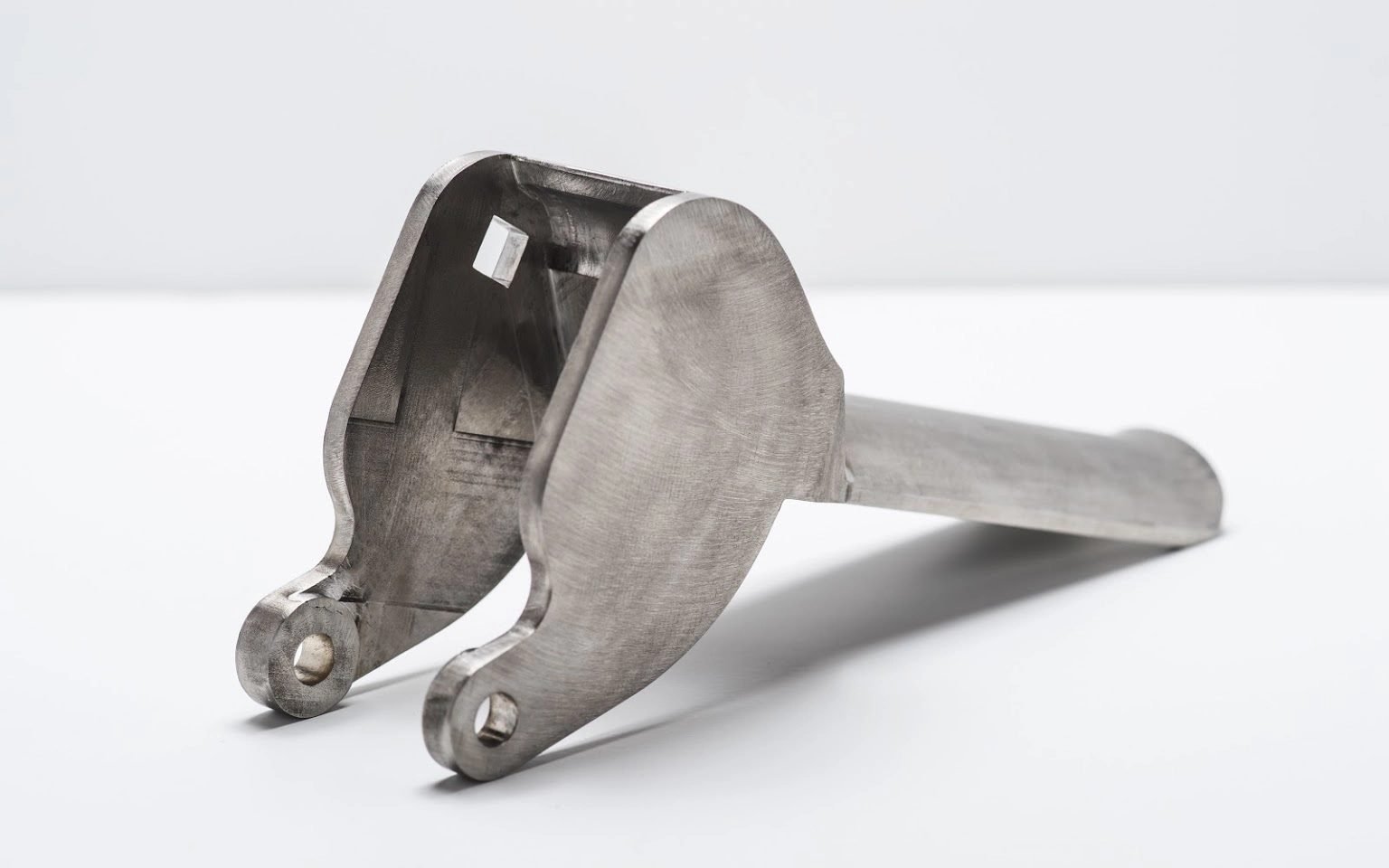
Alloy Steel in CNC Machining

Alloy steel is carbon steel enhanced with additional elements such as chromium, nickel, molybdenum, manganese, and vanadium to improve its mechanical and physical properties. It is widely used in CNC machining for components that require higher strength, toughness, hardness, and wear resistance than standard carbon steel.

Different alloying elements and heat-treatment conditions allow alloy steel to achieve specific performance characteristics for demanding applications. Depending on the grade, alloy steel can provide excellent fatigue resistance, dimensional stability, and durability under heavy loads.

Alloy steel is commonly used for shafts, gears, bushings, fasteners, tooling components, automotive parts, and industrial machinery. The correct grade and heat treatment should be selected based on the required strength, hardness, machinability, and operating environment.

Price

$$$

Lead Time:

< 10 days

Wall Thickness:

0.75 mm

Tolerances:

±0.125mm (±0.005″)

Max Part Size:

200 x 80 x 100 cm

Available Grades:

4140 Alloy Steel, 4130 Alloy Steel, 4340 Alloy Steel
4140 Alloy Steel
4140 is a chromium-molybdenum alloy steel known for its high strength, toughness, fatigue resistance, and good wear resistance. It can be heat treated to achieve higher hardness and is commonly used for shafts, gears, bolts, tooling, and machine components.
Tensile Strength, Yield (MPa) 655
Fatigue Strength (MPa) 370
Elongation at Break (%) 25
Hardness (Brinell) 197
Density (g/cm³) 7.85
4130 Alloy Steel
4130 is a chromium-molybdenum steel that provides a strong combination of strength, toughness, weldability, and fatigue resistance. It is widely used in structural and mechanical applications where high strength and relatively low weight are important.
Tensile Strength, Yield (MPa) 435
Fatigue Strength (MPa) 360
Elongation at Break (%) 25
Hardness (Brinell) 156
Density (g/cm³) 7.85
4340 Alloy Steel
4340 is a nickel-chromium-molybdenum alloy steel known for its high strength, toughness, and fatigue resistance. It can achieve high hardness through heat treatment and is commonly selected for highly loaded mechanical components.
Tensile Strength, Yield (MPa) 470
Fatigue Strength (MPa) 470
Elongation at Break (%) 18
Hardness (Brinell) 217
Density (g/cm³) 7.85

Surface Finishing Options for Alloy Steel

CNC machined alloy steel parts can undergo different surface finishing and treatment processes to improve corrosion resistance, hardness, wear resistance, appearance, and service life.
  • As Machined
  • Black Oxide
  • Electroless Nickel Plating
  • Nickel Plating
  • Zinc Plating
  • Passivation
  • Polishing
  • Brushed Finish
  • Sand Blasting
  • Powder Coating

Pros and Cons of Alloy Steel CNC Machining

Alloy steel machining provides high strength, toughness, and wear resistance, making it suitable for demanding mechanical applications. However, its hardness and machining characteristics can vary significantly depending on the grade and heat-treatment condition.
  • High Strength: Alloy steel can provide significantly higher strength than many standard steels, making it suitable for heavily loaded components.
  • Excellent Toughness: Many alloy steel grades can withstand impact and mechanical stress without easily fracturing.
  • Wear Resistance: Alloying elements and heat treatment can improve resistance to abrasion and mechanical wear.
  • Good Fatigue Resistance: Certain alloy steel grades perform well under repeated loading and cyclic stress.
  • Heat Treatment Capability: Alloy steel can often be heat treated to achieve specific combinations of hardness, strength, and toughness.
  • Higher Machining Difficulty: Some alloy steel grades become harder to machine, particularly after heat treatment.
  • Potential Corrosion: Unlike stainless steel, many alloy steels require protective coatings or finishes to improve corrosion resistance.
  • Higher Material Cost: Alloy steel can be more expensive than basic carbon steel grades.
  • Heat Generation: Machining harder alloy steels can generate significant heat, requiring proper cutting parameters and tooling.
Description
Application
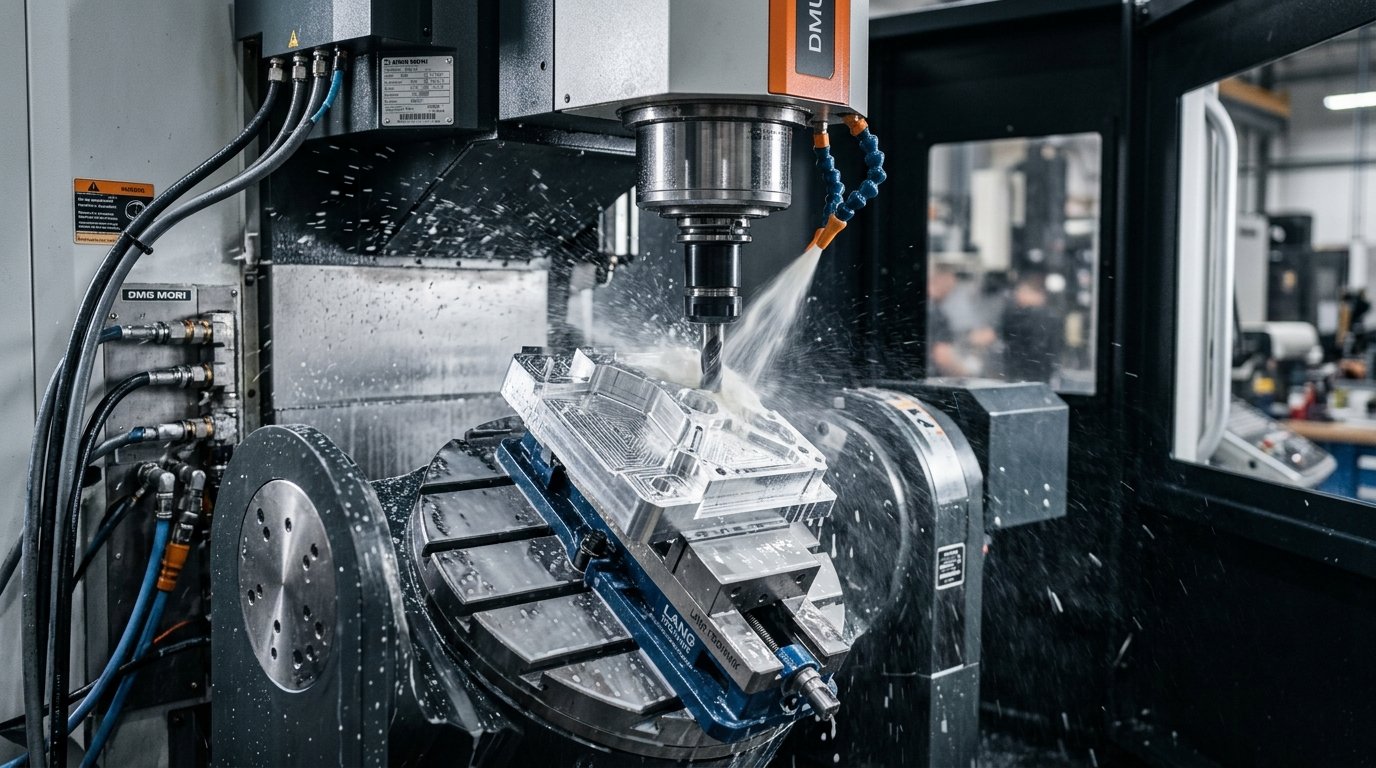
CNC machining produces parts with excellent mechanical properties, accuracy and repeatability from metal and plastic. 3-axis & 5-axis CNC milling available.
Strengths
Excellent mechanical properties,High accuracy & repeatabillity
Weaknesses
Greater geometry restrictions than 3D printing
Properties
Lead Time
< 10 days
Wall Thickness
0.75 mm
Tolerances
±0.125mm (±0.005″)
Max part size
200 x 80 x 100 cm
Alloy Steel 4140

Property Value Mechanical Properties Ultimate tensile strength 355 – 370 MPa Yield
Alloy Steel 1.7131

Property Value Mechanical Properties Ultimate tensile strength 690 – 1080 MPa Yield
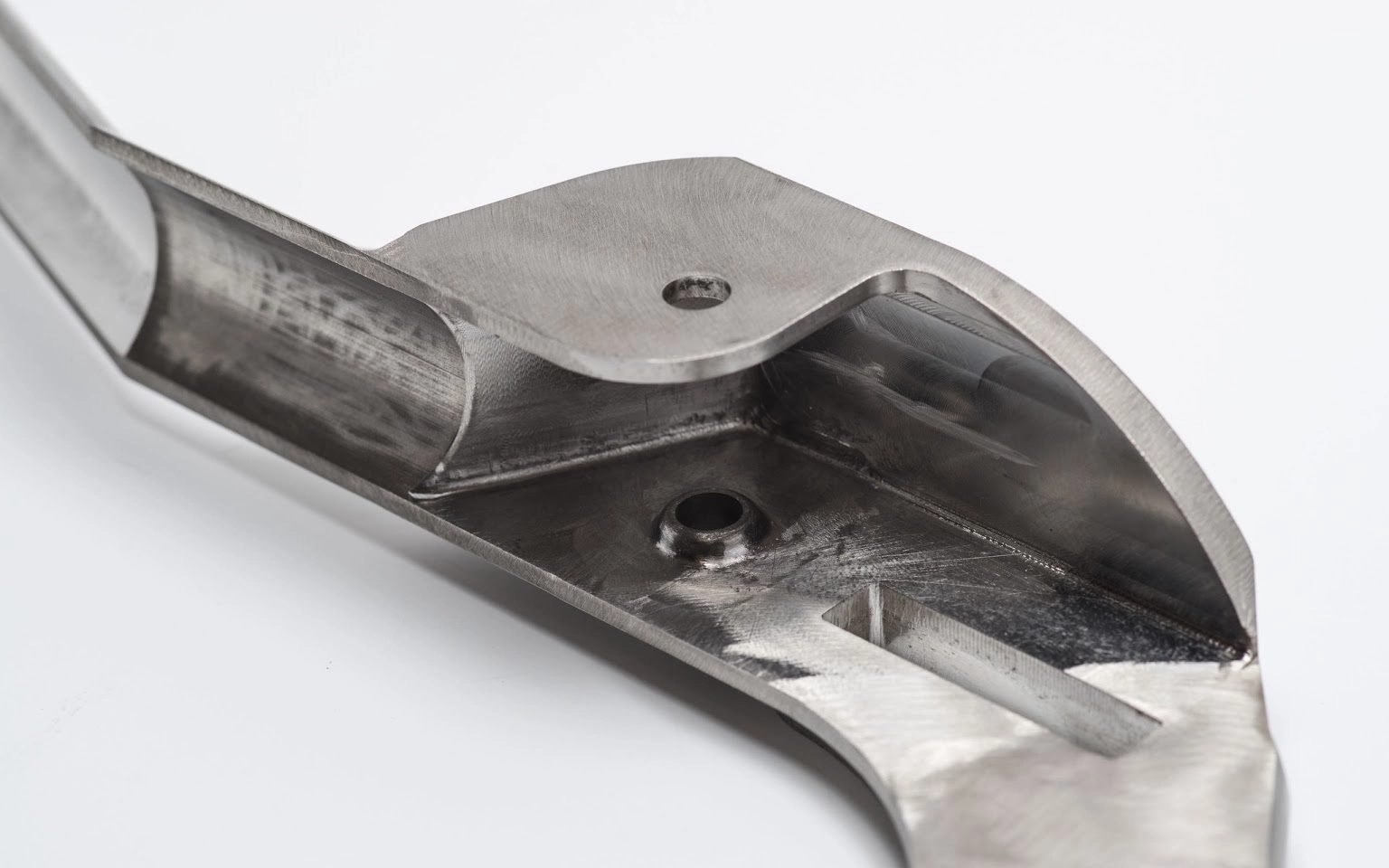
Alloy Steel 4340

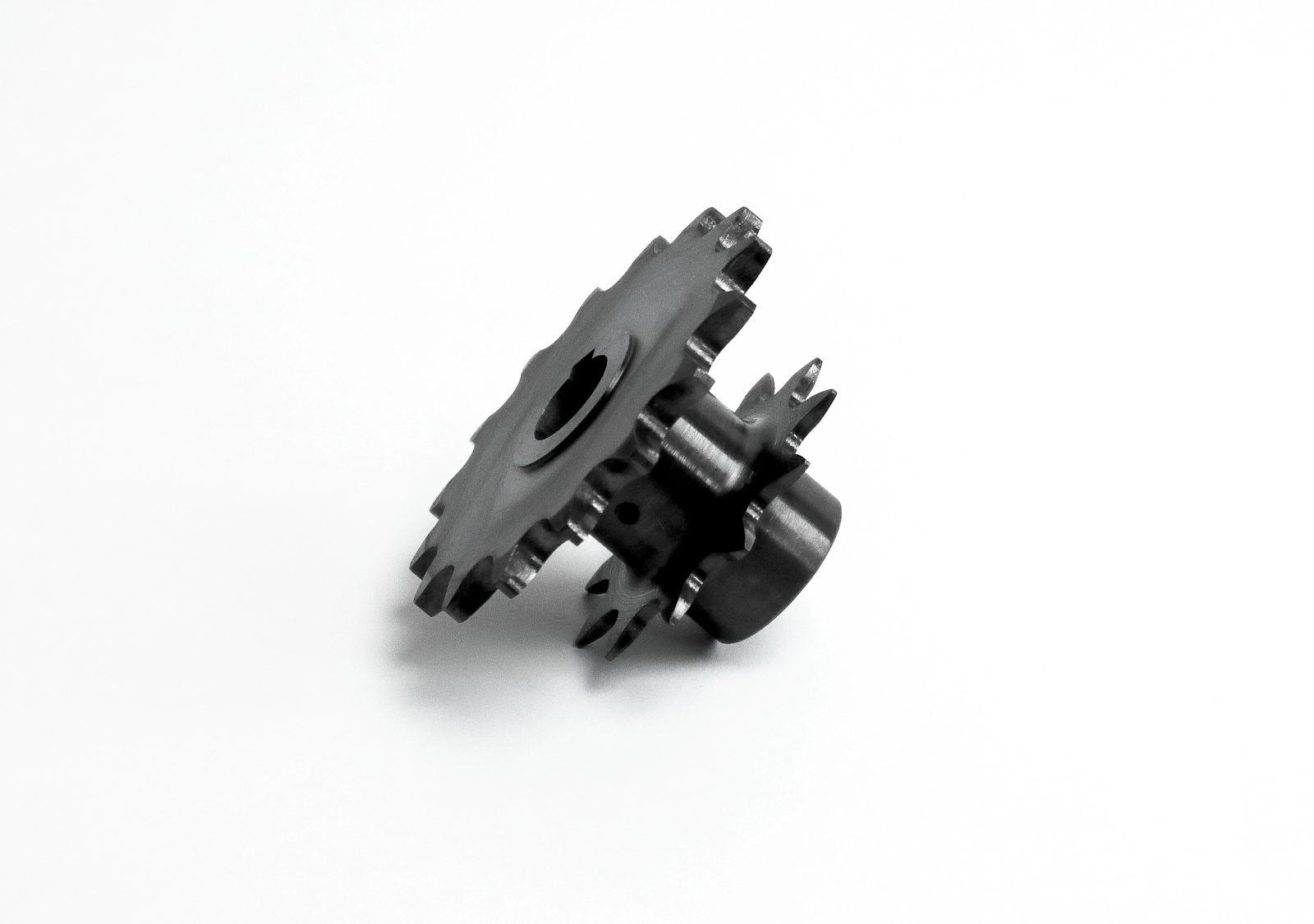
Property Value Mechanical Properties Ultimate tensile strength 690 – 1080 MPa Yield
Alloy Steel 1215

Property Value Mechanical Properties Ultimate tensile strength 355 – 370 MPa Yield

FAQs

Get in Touch

Bring Your Designs to Life with Elite Mold Tech

Experience precision CNC machining with Elite Mold Tech. From intricate prototypes to large-scale production, we’re ready to bring your ideas to reality. Contact us today to discuss your project needs!

Get In Touch With Us!
Prompt response guaranteed within 12 hours
🔐 All uploads are secure and confidential

Expert Insights & Industry Trends

Explore the forefront of advanced manufacturing with Elite Mold Tech. Our blogs provide expert insights, industry trends, and practical tips to enhance efficiency, precision, and innovation in your production processes.
Get In Touch With Us!
Prompt response guaranteed within 12 hours
🔐 All uploads are secure and confidential