HomeMaterial CategoriesAluminum

Aluminum

High machinability and ductility, good strength-to-weight ratio.

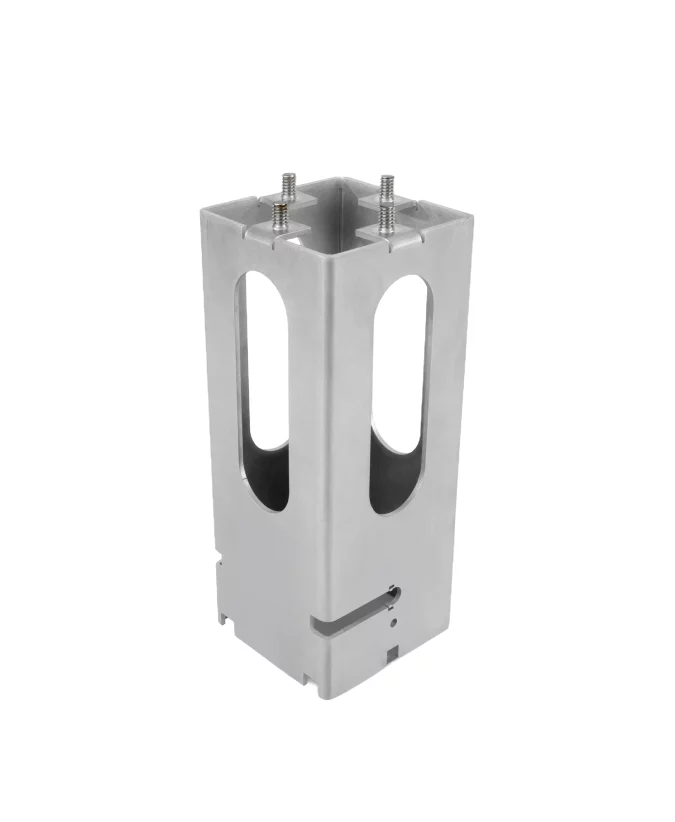
Aluminum in CNC Machining

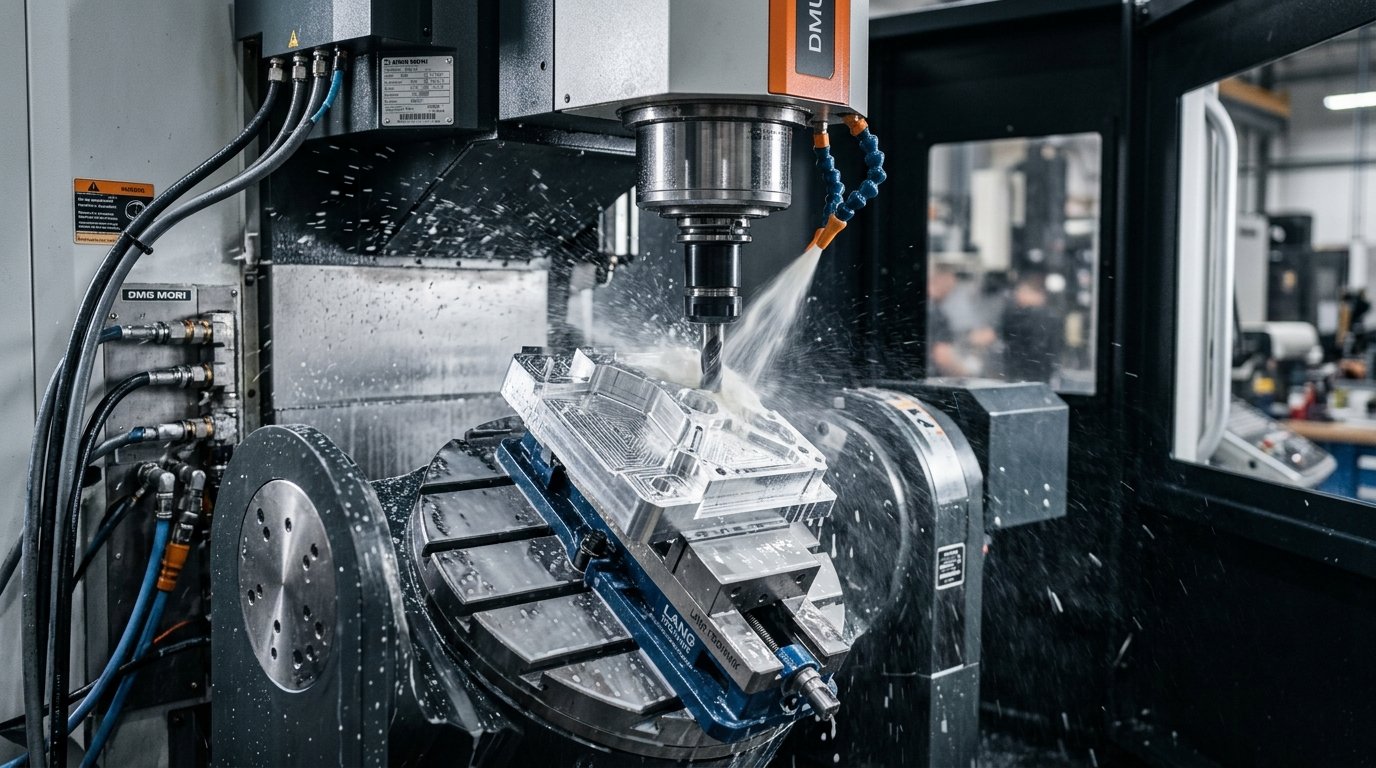
Aluminum is one of the most widely used materials in CNC machining because of its excellent machinability, lightweight design, corrosion resistance, and strong strength-to-weight ratio. It can be machined at high speeds while producing accurate features and smooth surface finishes.

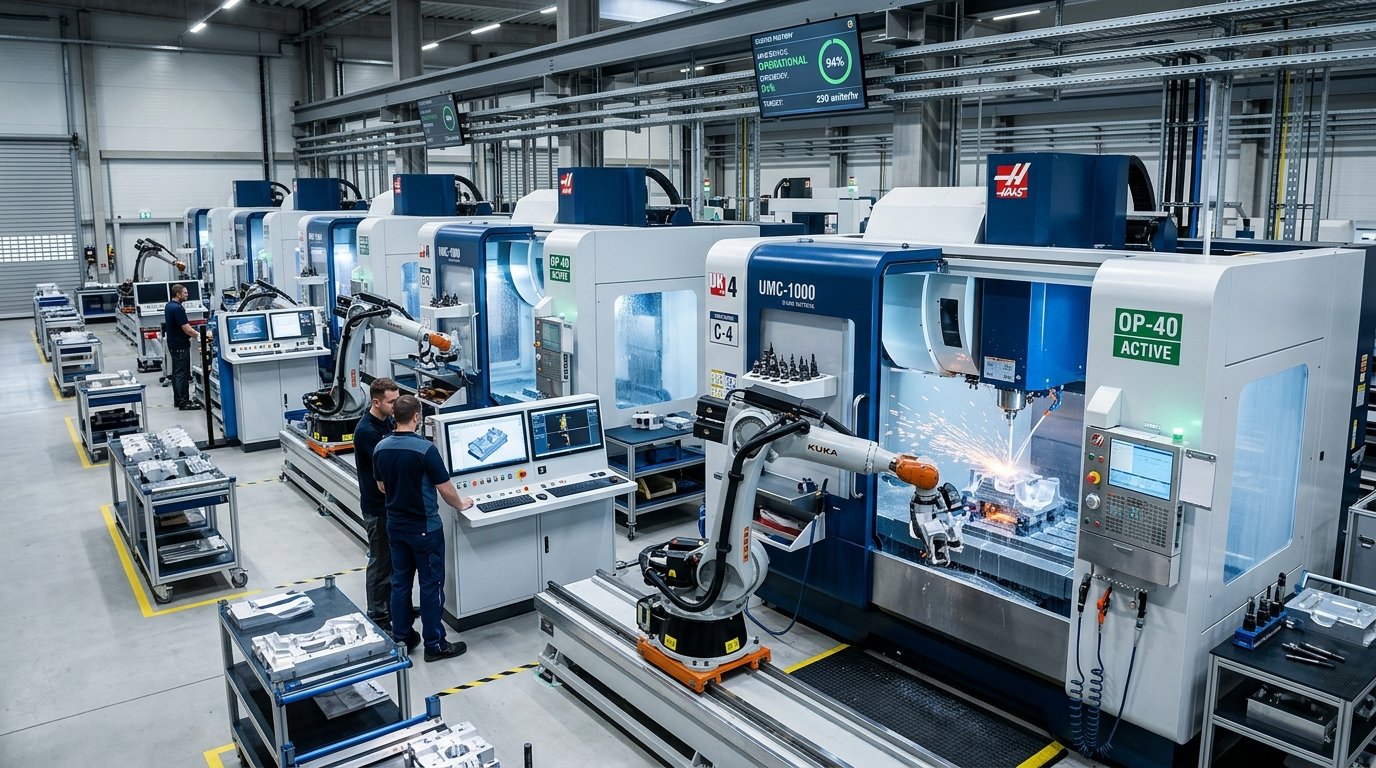
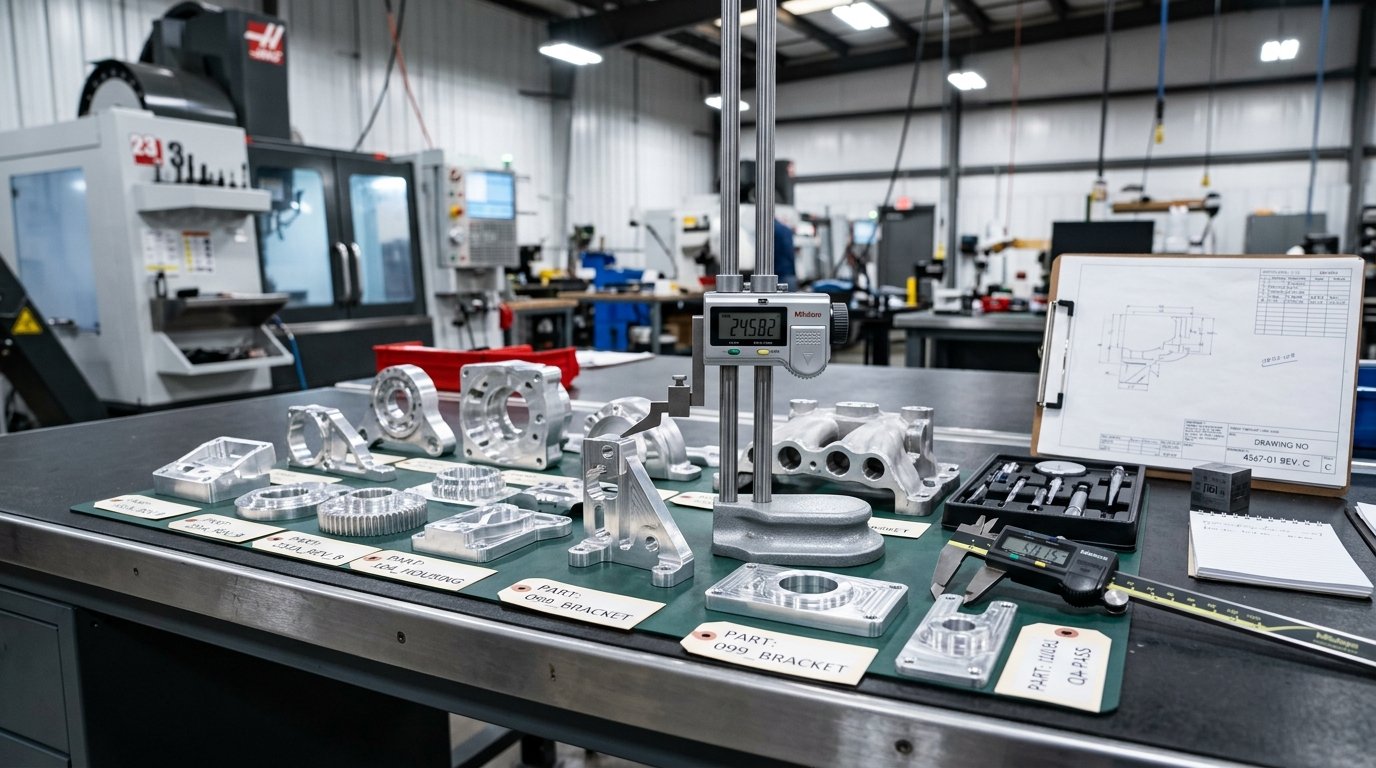
Aluminum alloys are suitable for both prototypes and production parts across industries such as aerospace, automotive, electronics, robotics, medical equipment, and consumer products. Different aluminum grades offer varying levels of strength, hardness, machinability, and corrosion resistance, allowing manufacturers to select the right material for each application.

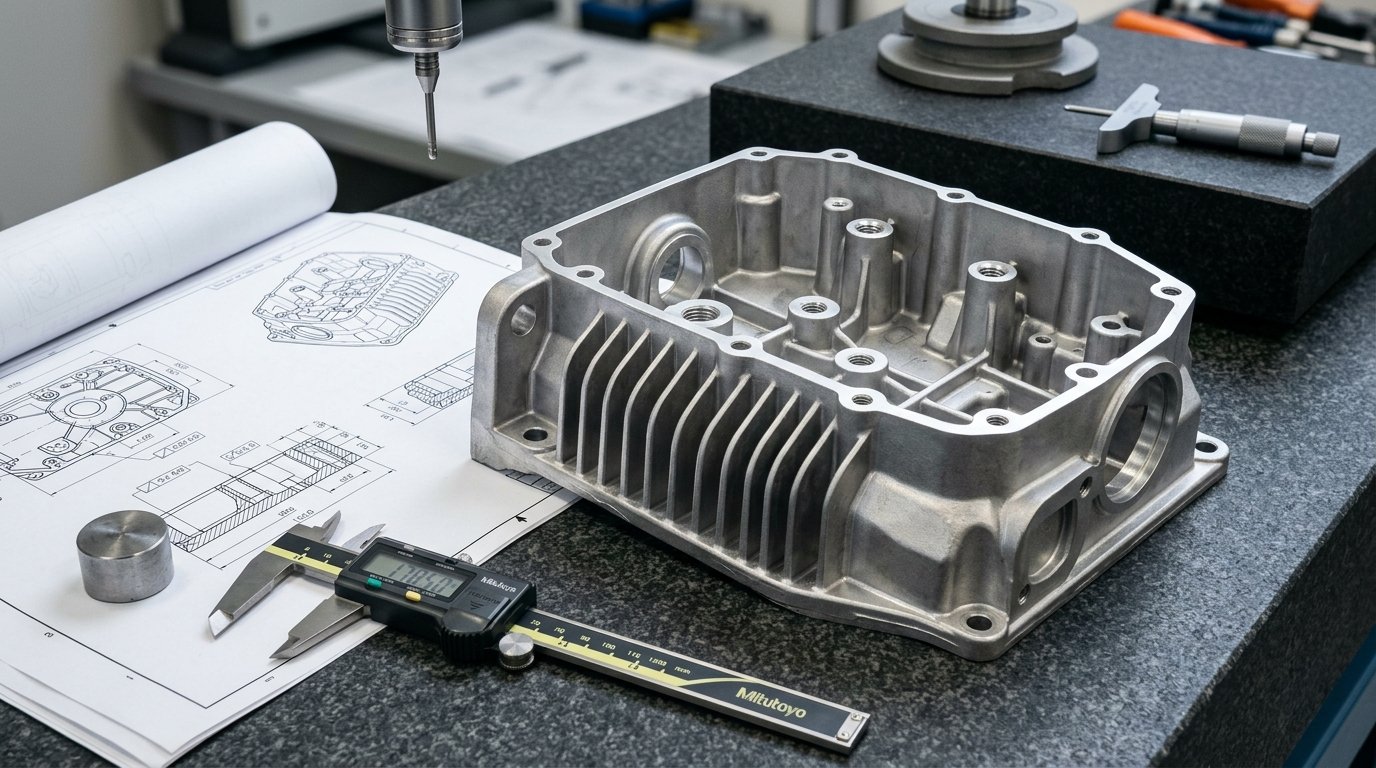
At Elite Mold Tech, aluminum CNC machining supports complex geometries, tight tolerances, and a range of surface finishing requirements.

Price

$$$

Lead Time:

< 10 days

Wall Thickness:

0.75 mm

Tolerances:

±0.125mm (±0.005″)

Max Part Size:

200 x 80 x 100 cm

Available Grades:

6061, 7075, 2024
Aluminum 6061
Aluminum 6061 is one of the most commonly used aluminum alloys for CNC machining. It offers a good balance of strength, machinability, corrosion resistance, and weldability, making it suitable for a wide range of general-purpose and industrial components.
Tensile Strength, Yield (MPa) 276
Fatigue Strength (MPa) 96.5
Elongation at Break (%) 12
Hardness (Brinell) 95
Density (g/cm³) 2.70
Aluminum 7075
Aluminum 7075 is a high-strength aluminum alloy commonly used when strength-to-weight performance is critical. It provides higher strength than 6061 and is widely used for aerospace, automotive, tooling, and high-performance components.
Tensile Strength, Yield (MPa) 503
Fatigue Strength (MPa) 159
Elongation at Break (%) 11
Hardness (Brinell) 150
Density (g/cm³) 2.81
Aluminum 2024
Aluminum 2024 is a high-strength aluminum alloy known for its excellent fatigue resistance and strength-to-weight ratio. It is commonly selected for aerospace and other applications where high mechanical performance and lightweight construction are required.
Tensile Strength, Yield (MPa) 324
Fatigue Strength (MPa) 138
Elongation at Break (%) 19
Hardness (Brinell) 75
Density (g/cm³) 2.78

Surface Finishing Options for Aluminum

Aluminum CNC machined parts can undergo different surface finishing processes to improve appearance, corrosion resistance, wear resistance, and overall performance.
  • As Machined
  • Bead Blasting
  • Anodizing Type II & III
  • Powder Coating
  • Brushed Finish
  • Polishing
  • Electropolishing
  • Painting
  • Tumbling

Pros and Cons of Aluminum CNC Machining

Aluminum machining offers an excellent combination of lightweight construction, strength, machinability, and corrosion resistance. However, the right aluminum alloy and finishing process should be selected according to the requirements of the application.
  • Excellent Machinability: Aluminum is easy to machine at high cutting speeds, helping reduce machining time and production costs.
  • Lightweight: Its low density makes aluminum ideal for applications where weight reduction is important.
  • Good Strength-to-Weight Ratio: Aluminum alloys such as 6061 and 7075 provide strong mechanical performance while remaining lightweight.
  • Corrosion Resistance: Aluminum naturally forms a protective oxide layer that provides resistance to corrosion.
  • Versatility: Different aluminum grades and finishing options make the material suitable for a wide range of industries and applications.
  • Lower Hardness: Aluminum is generally softer than steel, which can make it less suitable for applications requiring extreme wear resistance.
  • Thermal Expansion: Aluminum expands and contracts more with temperature changes than many other engineering metals.
  • Surface Damage: Uncoated aluminum surfaces can be more susceptible to scratches, dents, and cosmetic damage.
Description
Application
CNC machining produces parts with excellent mechanical properties, accuracy and repeatability from metal and plastic. 3-axis & 5-axis CNC milling available.
Strengths
Excellent mechanical properties,High accuracy & repeatabillity
Weaknesses
Greater geometry restrictions than 3D printing
Properties
Lead Time
< 10 days
Wall Thickness
0.75 mm
Tolerances
±0.125mm (±0.005″)
Max part size
200 x 80 x 100 cm
Aluminum 5052

Property Value Mechanical Properties Ultimate tensile strength 170 – 210 MPa Yield

Aluminum 5052

Property Value Mechanical Properties Ultimate tensile strength 395 – 470 MPa Yield

Aluminum 5052

Property Value Mechanical Properties Ultimate tensile strength 470 – 530 MPa Yield

Aluminum 5052

Property Value Mechanical Properties Ultimate tensile strength 160 – 170 MPa Yield
Property Value Mechanical Properties Ultimate tensile strength 275 – 320 MPa Yield

Aluminum 5052

Property Value Mechanical Properties Ultimate tensile strength 250 – 400 MPa Yield
Property Value Mechanical Properties Ultimate tensile strength 520 – 560 MPa Yield

Aluminum 5052

Property Value Mechanical Properties Ultimate tensile strength 190 – 245 MPa Yield
Property Value Mechanical Properties Ultimate tensile strength 290 – 330 MPa Yield

Property Value Mechanical Properties Ultimate tensile strength 460 – 510 MPa Yield

FAQs

Get in Touch

Bring Your Designs to Life with Elite Mold Tech

Experience precision CNC machining with Elite Mold Tech. From intricate prototypes to large-scale production, we’re ready to bring your ideas to reality. Contact us today to discuss your project needs!
Get In Touch With Us!
Prompt response guaranteed within 12 hours
🔐 All uploads are secure and confidential

Expert Insights & Industry Trends

Explore the forefront of advanced manufacturing with Elite Mold Tech. Our blogs provide expert insights, industry trends, and practical tips to enhance efficiency, precision, and innovation in your production processes.
Get In Touch With Us!
Prompt response guaranteed within 12 hours
🔐 All uploads are secure and confidential